
 English
  Spanish
  Portuguese
  German
  Italian
  Japanese
  French
  Polish
  Russian
  Netherlands
  Hungarian
  Turkish
  Videos
  Thedink Pickleball

Your fourth shot in pickleball doesn't need to be aggressive. Learning when to concede the kitchen could be the single biggest fix for your game right now.
Your fourth shot in pickleball is one of the most misunderstood shots in the game.
Most players treat it like the third shot, trying to force a perfect drop or drive when the situation doesn't call for either.The result is predictable.
You get a tough ball at your feet, swing too hard trying to keep your opponent back, and watch the ball float up into a perfect put-away opportunity for them.This article breaks down exactly why that keeps happening and what to do instead, including when conceding the kitchen is the smartest move you can make.
Love pickleball? Then you'll love our free newsletter. We send the latest news, tips, and highlights for free each week.
The Real Problem With How Amateurs Approach the Fourth Shot
Most amateur players believe every ball needs to go deep.
The thinking goes: if you keep your opponent pinned back, you buy yourself time to get to the kitchen.That logic works sometimes.
But when the opponent hits an aggressive drop that lands near your feet, trying to muscle the ball deep is almost always the wrong call.
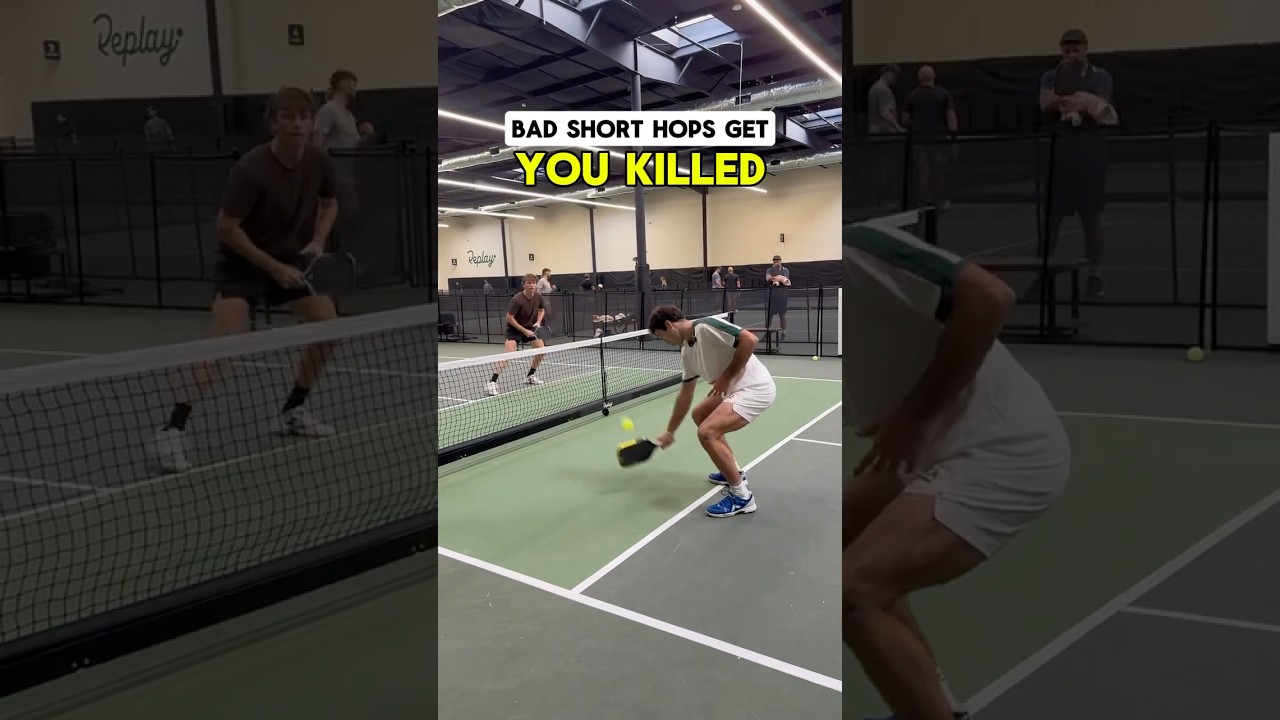
The ball is too low and too close to your body.
You have almost no margin to generate clean contact, and the natural result of forcing that shot is a pop-up that ends the rally immediately.
This is the core mistake Tanner Tomassi highlights in his breakdown of fourth shot mistakes.
The fix isn't about swinging harder or smarter. It's about recognizing when to stop swinging altogether.What Does It Actually Mean to Concede the Kitchen?
Conceding the kitchen means giving up your attempt to keep the opponent pinned at the baseline.
Instead of trying to hit deep, you redirect the ball softly into the kitchen and let your opponent advance to the net.
This might feel like giving up an advantage. It isn't.When a ball is landing near your feet, you are already in a compromised position. The only realistic outcome from that spot is a neutral or losing shot.
Conceding the kitchen resets the point instead of handing your opponent a free winner.
Think of it this way: a ball that lands softly in the kitchen forces your opponent to hit upward.That gives you time to recover and get back into the rally on more even terms.
💡
Need some new pickleball gear? Get 20% off select paddles, shoes, and more with code THEDINK at
Midwest Racquet SportsHow Should You Actually Execute the Reset?
The technique is simple, and most players overthink it. Set your paddle like a backboard and let the ball do the work.
You are not swinging through the ball. You're absorbing it, redirecting energy rather than adding to it.
If you want to build confidence with this skill, understanding why your pickleball reset fails is a great place to start before drilling the movement.
Here is the step-by-step breakdown of the reset:
- Read the ball early. As soon as you see the ball dropping near your feet, stop thinking about going deep. Commit to the reset before the ball arrives.
- Set your paddle face flat and firm. Think of a wall, not a swing. Your grip pressure stays consistent and your wrist stays locked.
- Absorb, don't swing. Let the ball contact the paddle and redirect off the face. Adding extra motion is what causes pop-ups.
- Aim crosscourt into the kitchen. Crosscourt gives you the most net clearance and the most court to work with. It is the highest percentage target available from a compromised position.
- Recover your position immediately. After the reset, move toward the kitchen line. The reset buys you time, but only if you use it to close ground.
If you want to build confidence with this skill, understanding why your pickleball reset fails is a great place to start before drilling the movement.
How to Reset When Attacked at the Kitchen in Pickleball
Knowing how to reset when attacked kitchen pickleball firefights erupt is what separates 4.0 players from 4.5s. Master these techniques and you’ll stop giving away free points under pressure.
 The Dink PickleballThe Dink Media Team
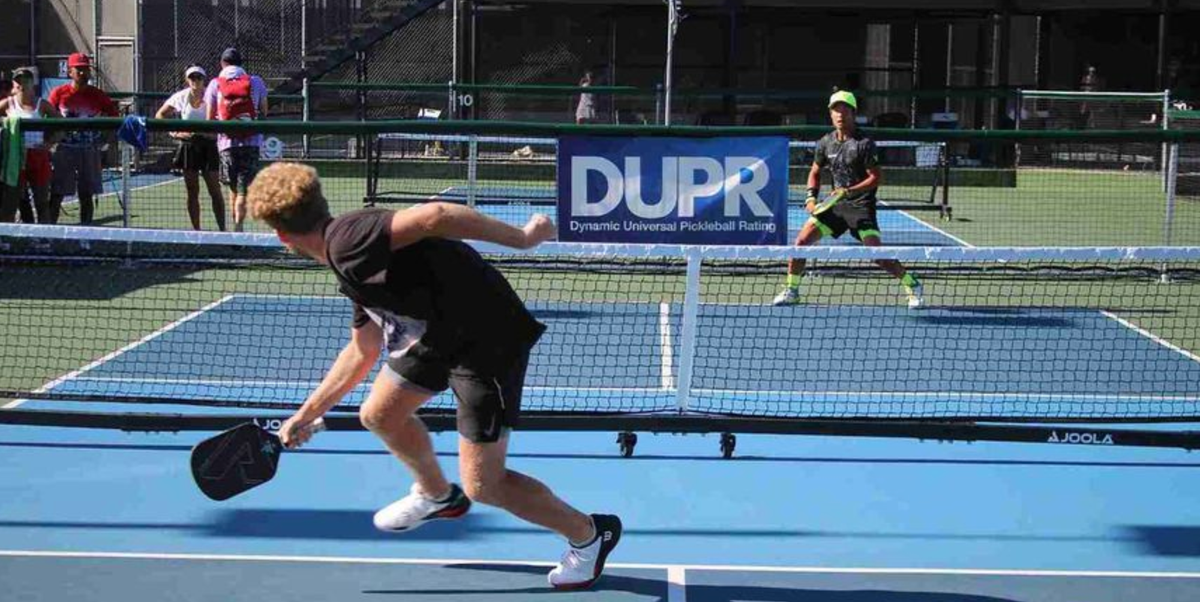
Why Crosscourt Is the Right Target Every Time
Aiming crosscourt into the kitchen is not a random suggestion. There are three specific reasons it is the correct target when you are resetting from your feet.
- More net clearance. The net is lower in the middle, and a crosscourt angle keeps the ball traveling across the lower section for a longer window.
- More court to land in. The diagonal distance crosscourt is longer than straight ahead, giving you a bigger target to work with.
- Harder for your opponent to attack. A ball landing crosscourt in the kitchen pulls your opponent wide and makes it harder for them to hit aggressively back at you.
Going straight ahead or down the line when you are in trouble adds unnecessary difficulty. You are shrinking your margin and making a hard shot even harder.
This is the same principle behind third shot drop placement. The kitchen is your target, and crosscourt is your angle.
Cross-Court Strategy in Pickleball: Advanced Shot Tips
Cross-court strategy in pickleball is the difference between a rally you control and one you’re just trying to survive. This guide breaks down the geometry, the shot calls, and the drills that make cross-court strategy in pickleball a habit instead of an accident.
 The Dink PickleballThe Dink Media Team
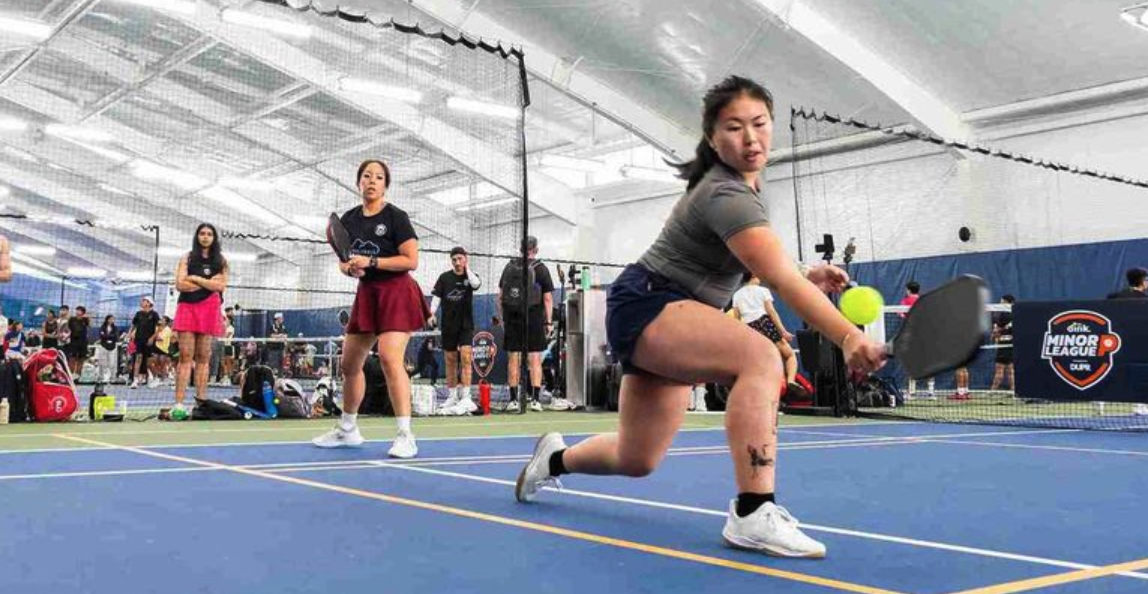
Is This Just a Reset or Is There More to It?
The reset and the concede are related but not identical. A reset is a defensive shot used to neutralize pace.
Conceding the kitchen is a strategic decision about where you want the point to go.When you concede the kitchen, you are accepting that your opponent will get to the net.
You are choosing to trade their advancement for a better ball position for yourself.
Done correctly, this creates a dinking exchange where both teams are at the kitchen.That is a neutral situation. Popping up a forced fourth shot, on the other hand, usually means losing the point outright.
Understanding why you miss the fourth shot in the first place helps you recognize which situation calls for a reset and which calls for a more aggressive response.
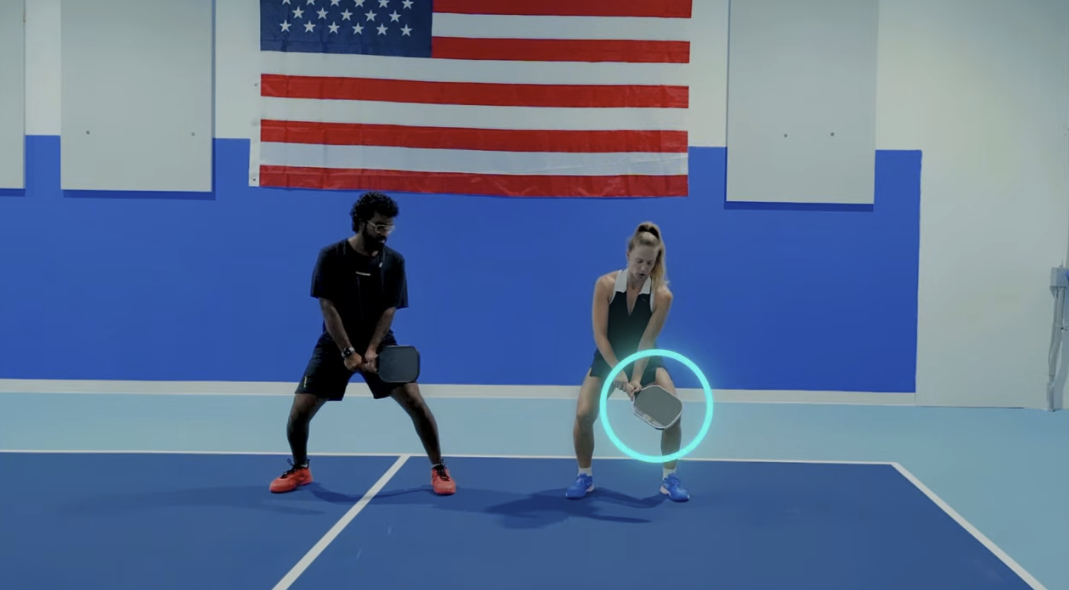
Master the Reset Shot: Pickleball’s Most Overlooked Defensive Weapon
The reset lets you survive the transition phase without giving your opponents an easy put-away. It’s the shot that turns defense into offense.
 The Dink PickleballThe Dink Media Team
What Are the Most Common Mistakes Players Make Here?
Even players who understand the concept still fall into predictable traps. Here are the errors that show up most often:
- Swinging instead of blocking. The instinct to add pace is hard to fight. But any extra swing motion when the ball is at your feet almost always results in a pop-up.
- Aiming too deep. Trying to land the ball near the baseline when you are in trouble is ambitious under pressure. It requires precision you simply don't have from a compromised position.
- Tightening the grip. Tension in your hand transfers to the paddle face and kills your ability to absorb the ball cleanly. Grip pressure is one of the most overlooked fundamentals in situations exactly like this.
- Freezing after the reset. Players hit the reset and watch to see where it lands instead of immediately moving toward the kitchen. The reset only works if you follow it with good footwork.
- Not reading the ball early enough. By the time the ball is at your feet, the decision should already be made. If you are still deciding what to do when contact happens, you are already late.
That last point connects directly to deadening pace and spin at your feet, one of the most underdrilled skills in recreational pickleball.
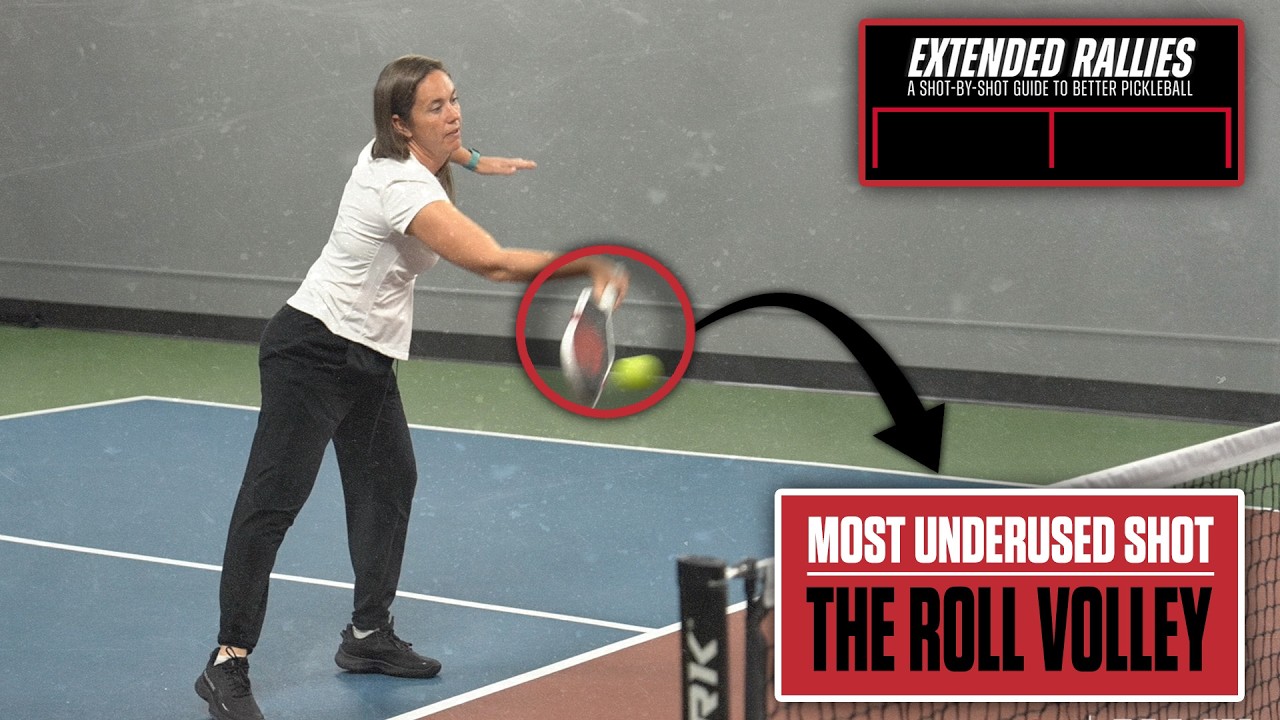
Roll Volley vs Punch Volley: Which Pickleball Shot to Hit
Knowing when to hit a roll volley instead of a punch volley can extend your rallies and put real pressure on your opponent’s feet. Here’s exactly how to execute it.
 The Dink PickleballThe Dink Media Team
How Do You Practice This in a Real Drill?
You can build this faster than you think with a focused drill structure.
Have a partner feed aggressive drops near your feet from the kitchen line while you practice the backboard reset crosscourt.
Start slow, and make landing the ball in the kitchen your only goal.Once that feels comfortable, add movement. After each reset, take two steps toward the kitchen line to build the habit of recovering after a defensive shot.
For a more structured approach, this reset drill for the transition zone covers the footwork and positioning side of the same problem.
You can also work this on a wall, absorbing a self-fed ball at different heights. This builds paddle stability faster than live drilling alone.The Rubber Band Drill to Master Pickleball Resets
The rubber band drill is one of the most effective ways to train pickleball resets across every area of the court. If you want to play like a 5.0, this is where you start.
 The Dink PickleballThe Dink Media Team
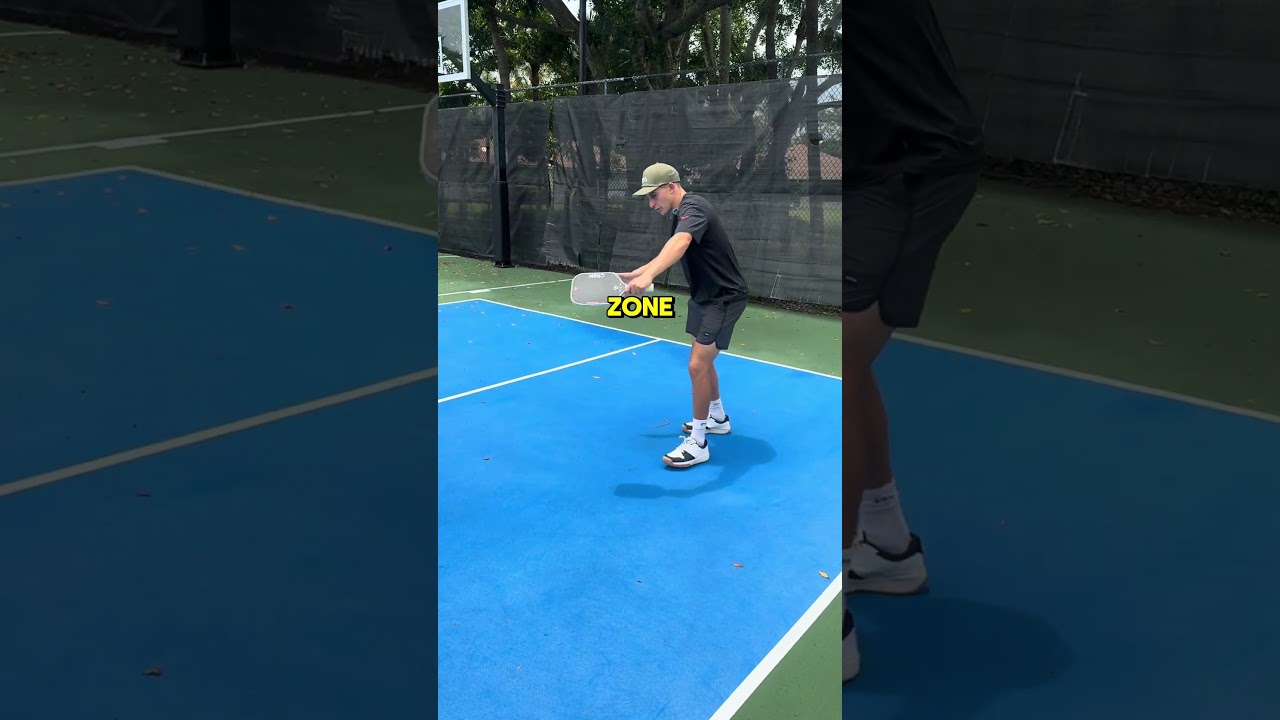
When Should You NOT Concede the Kitchen?
This is worth being honest about. Conceding the kitchen is not always the right move. There are situations where going deep makes sense.
If the ball sits up above your waist and you have clean contact, you have no reason to give up ground.
A ball in that position gives you real options, including a drive or an actual quality drop that keeps your opponent back.
The rule is about compromised positions.
When the ball is landing near your feet and you have almost no room to generate a clean shot, that is when you concede.
When the ball sits up and you have time, you play the shot.
Learning to tell those apart quickly is what separates a reactive player from a thinking one. Shot selection frameworks help you build that read faster.
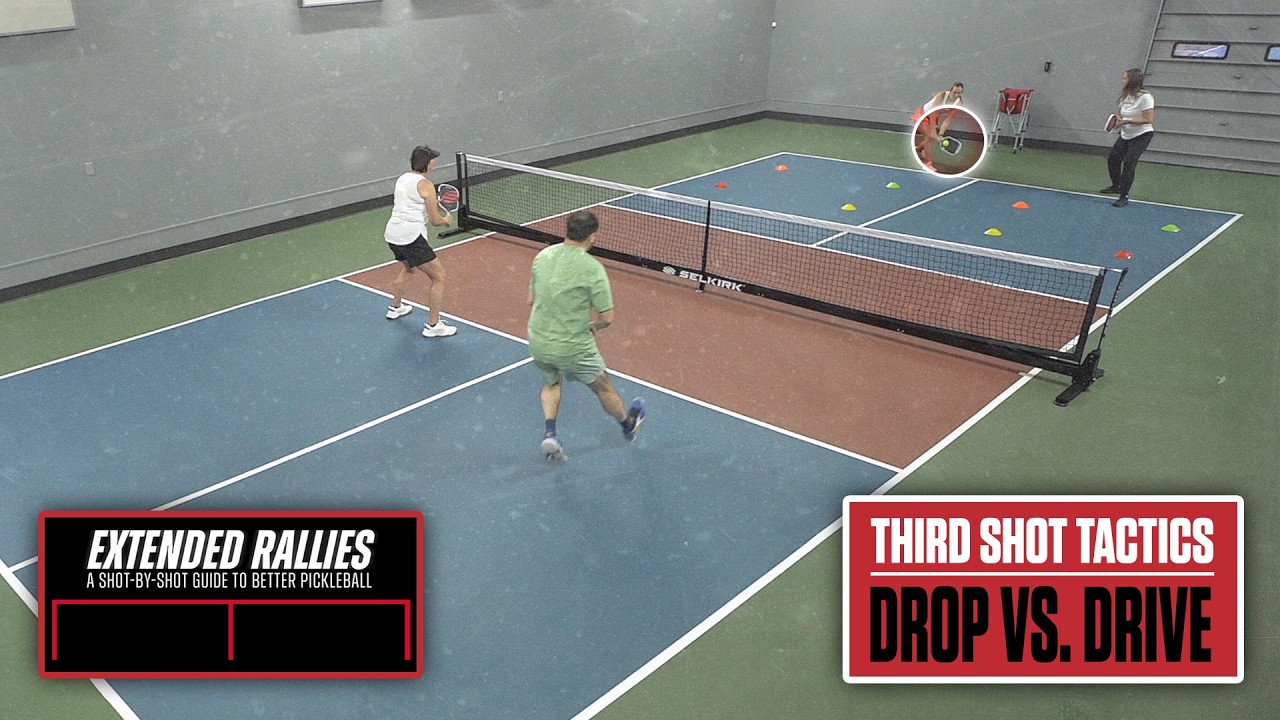
Third Shot Drop or Drive in Pickleball: The 3-Zone System
Most players guess when to drop or drive their third shot. This 3-zone system gives you a clear, court-based rule for making the right call every time.
 The Dink PickleballThe Dink Media Team
What This Tells You About Your Overall Transition Game
The fourth shot mistake is a symptom of a bigger problem: most players have no plan for the transition zone.
They know they need to reach the kitchen, but not what to do with balls that arrive while they're still moving.
The transition zone is where most recreational points are decided. These three keys to mastering the transition zone give you a framework to follow.And if you're still struggling before you even reach the fourth shot, this breakdown of why the third shot drop fails addresses the sequence from the start.
The bottom line: stop being greedy. Not every ball needs to be hit hard and deep.Sometimes the smartest play is a soft pickleball reset crosscourt into the kitchen that keeps you in the point instead of ending it.
💡
Heads up: hundreds of thousands of pickleballers read our free newsletter.
Subscribe herefor cutting edge strategy, insider news, pro analysis, the latest product innovations and more.
Frequently Asked Questions
What is the fourth shot in pickleball?
The fourth shot in pickleball is the shot hit by the returning team after the serve, return, and third shot have been played. It typically happens while one or both players are still moving toward the kitchen line. It is one of the most commonly missed shots in recreational play because players are still in motion and often receive a difficult ball near their feet.
What does it mean to concede the kitchen in pickleball?
Conceding the kitchen means intentionally giving up your attempt to keep your opponent pinned at the baseline and instead hitting a soft reset into the kitchen. You are accepting that your opponent will advance to the net in exchange for keeping the ball in play and avoiding a pop-up. This is the correct choice when the ball is landing near your feet and you have no clean angle to go deep.
Why do I keep popping up my fourth shot?
Pop-ups on the fourth shot almost always happen because you are trying to hit the ball too hard from a compromised position. When the ball is at your feet, there is almost no room to generate pace without the ball sailing up. The fix is to set your paddle like a backboard, absorb the ball, and redirect it softly crosscourt into the kitchen instead of swinging through it.
Where should I aim my fourth shot reset?
Aim your reset crosscourt into the kitchen. The crosscourt target gives you the most net clearance, the most court to land in, and makes it harder for your opponent to attack aggressively. Straight ahead or down the line shrinks your margin significantly when you are already in a tough position.
Should I always concede the kitchen on my fourth shot?
No. Conceding the kitchen is specifically for situations where the ball is landing near your feet and you have no clean contact point. If the ball sits up above your waist and you have time to set up, you can drive it or drop it with real intent.
The decision is about recognizing compromised positions quickly and choosing the shot that keeps you in the point rather than the one that ends it.
Anuncie Aqui / Advertise Here
Sua marca para o mundo Pickleball! / Your brand for the Pickleball world!





 English (US) ·
  Portuguese (BR) ·