
 English
  Spanish
  Portuguese
  German
  Italian
  Japanese
  French
  Polish
  Russian
  Netherlands
  Hungarian
  Turkish
  Videos
  Thedink Pickleball

Unforced errors on the return of serve almost always trace back to the same two problems: grip pressure and a missing load. Fix those two things and your return gets cleaner fast.
The return of serve is one of the first shots in every rally, and it is also one of the most common places recreational players give away free points.
You are not making these errors because you lack talent. You are making them because two specific mechanical habits fall apart the moment the match gets tight.This breakdown comes from a coaching drill shared by Ed Ju Pickleball on YouTube, where the problem gets exposed and corrected in real time on the court.
Love pickleball? Then you'll love our free newsletter. We send the latest news, tips, and highlights for free each week.
The Real Reason Your Return Misfires
Most players think they are missing the return because of timing or footwork. Those matter, but they are almost never the root cause.
The real issue is that your swing is reacting instead of initiating.When the ball arrives and you have not loaded your body first, you end up slapping at the ball with your arm alone.
That arm-only swing is inconsistent by design, and it is the same mistake killing your shot-making consistency everywhere else on the court.Add in a nervous moment during a tournament point and your hand grips the paddle tighter.
That tight grip stiffens your wrist, kills your swing path, and the ball either goes into the net or sails long.
Neither outcome was your intention. Both were inevitable given the mechanics.What Does "Loading" Actually Mean?
Loading is the process of shifting your weight onto your back foot before you swing. It is a coil, not a step.
You are storing energy in your legs and hips so that energy transfers through your core and into the paddle at contact.
It is the same hip rotation secret that powers a real forehand drive.Think of it this way: if you try to throw a ball with only your arm and zero body rotation, the throw is weak and off-target.
The same physics apply to your pickleball return of serve.
A proper load looks like this:
- As the serve leaves the opponent's paddle, begin reading the ball's direction and depth.
- Step or pivot so your weight transfers onto your back foot while your paddle goes back.
- Wait at the loaded position for a half-beat before the ball reaches you.
- Drive forward through the ball using your legs and hip rotation, not your arm.
- Follow through toward your target, keeping your grip relaxed through contact.
The timing cue that matters most is the pause at the loaded position. This is where early preparation buys you time instead of stealing it.
Most players skip this pause entirely and rush from backswing directly into contact. That rush is where the error lives.
💡
Need some new pickleball gear? Get 20% off select paddles, shoes, and more with code THEDINK at
Midwest Racquet SportsWhy Does Grip Pressure Kill the Return Under Pressure?
This is the part most coaches skip over, and it costs players match after match.
When you are nervous, the first thing that tightens is your hand. You probably do not notice it happening.
Your body's stress response kicks in, your hand clenches the paddle, and your swing becomes a push instead of a stroke.A tight grip does three damaging things to your return:
- It locks your wrist, removing natural snap and feel from the swing.
- It shortens your follow-through because your arm cannot extend freely.
- It transfers tension up your forearm and into your shoulder, making the entire swing mechanical and jerky.
That tension problem compounds if you are already using the wrong hold, so it is worth knowing when to use each of the three pickleball grips before you start chasing feel.
The fix is not to "relax" in some vague, motivational sense. The fix is a specific grip pressure target.Rate your grip pressure on a scale from one to ten. One is barely holding the paddle. Ten is a death grip.
Your target during a return of serve is a four or five.Firm enough to control the paddle, loose enough to allow the wrist to hinge naturally through contact.
Practice this in drills before you need it in a match. If you have never consciously thought about grip pressure before, it will feel foreign at first. That is normal.
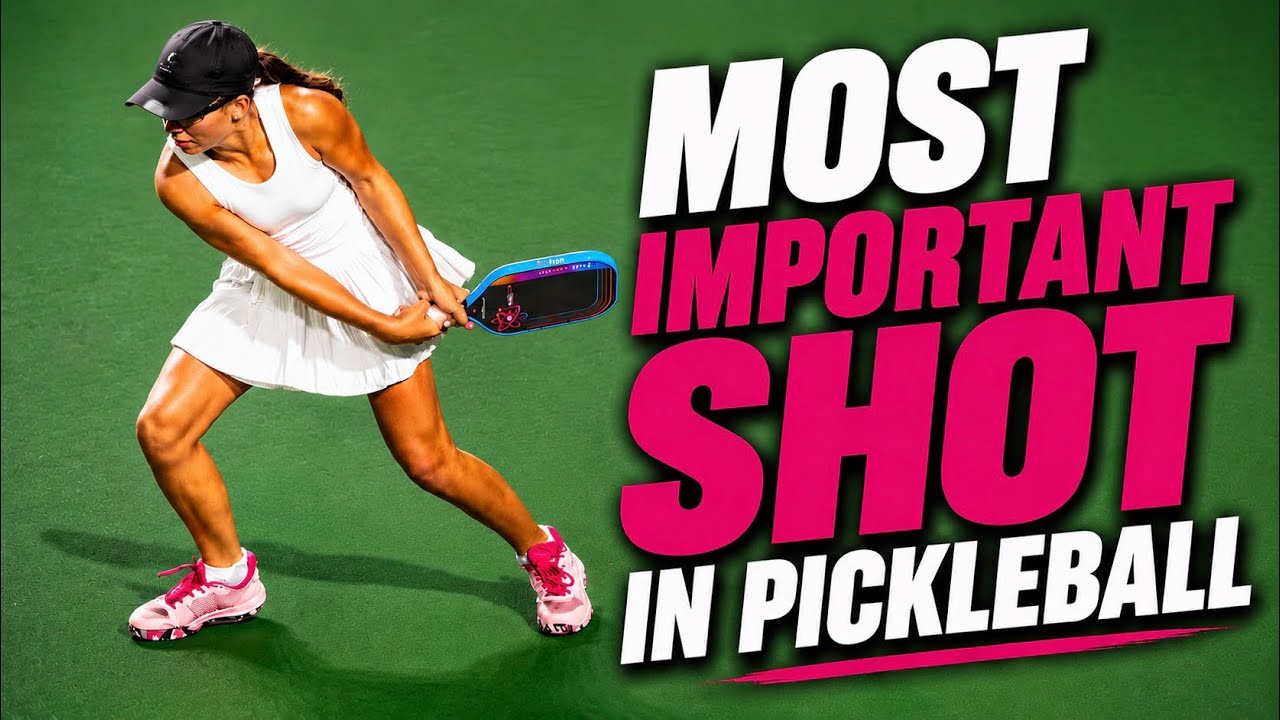
Pickleball Return of Serve: The Most Important Shot
The pickleball return of serve is often overlooked, but it’s arguably the most critical shot in the game. PPA pro Kelly Goodnow explains why a deep, controlled return sets up your entire point.
 The Dink PickleballThe Dink Media Team
The "Load Then Push" Cue That Actually Works
The coaching cue used in the Ed Ju drill is deceptively simple: load, then push.When a player is near the contact point, the coach physically nudges them forward to simulate what the body should be doing on its own.
The player loads back, waits, and then drives forward through the ball. The results are immediate.This cue works because it breaks the return into two distinct phases instead of one blended panic motion. Load is separate from swing.
Once you internalize that separation, your return becomes repeatable.Here is how to practice this cue on your own:
- Stand at the baseline with a partner feeding you slow, easy serves.
- Exaggerate the load on every single rep. Make it obvious. Get your weight back before the ball bounces.
- Call out "load" quietly to yourself before each swing. This keeps the two phases separate in your muscle memory.
- Focus on a relaxed hand through contact, not on the target. The target takes care of itself when your mechanics are right.
- Gradually increase serve speed as the two-phase motion becomes automatic.
This kind of deliberate, slow repetition is what actually changes a habit, and it is why one top pro ran the math on drilling versus playing.
Random hitting does not fix the problem. Purposeful drilling does.
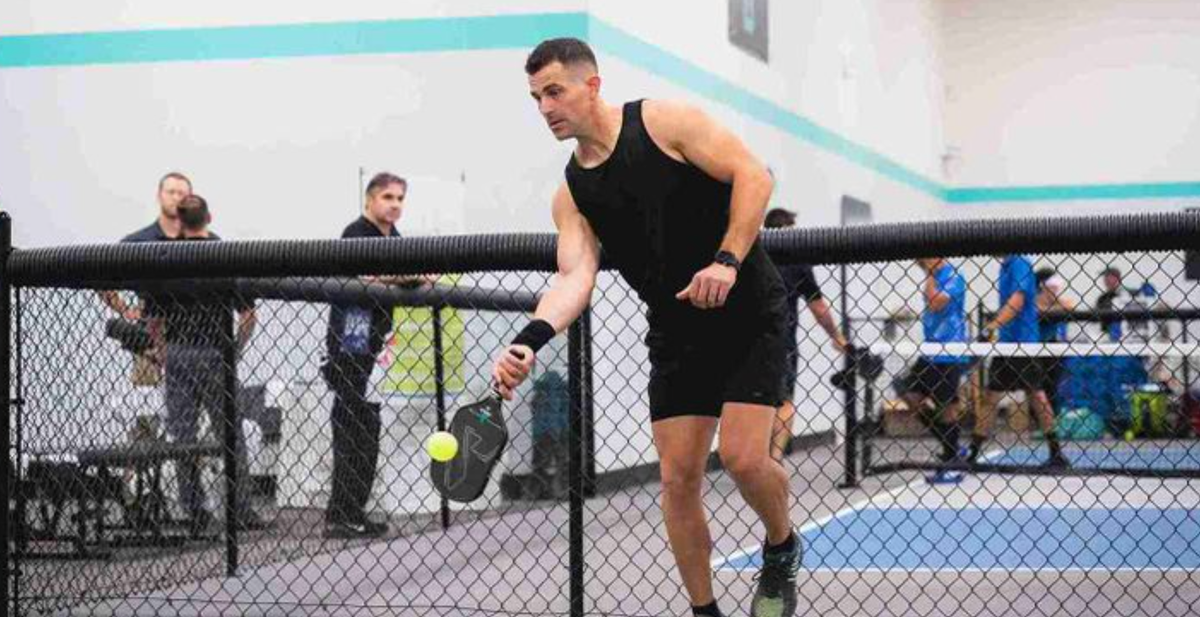
Pickleball Serve Footwork Stance: Load & Weight Transfer
Your pickleball serve footwork stance is the foundation of every point you start: get it wrong and no amount of arm swing will save you. This guide breaks down exactly how to set your feet, load your hips, and transfer weight for a serve that’s both powerful and repeatable.
 The Dink PickleballThe Dink Media Team
Why the Return of Serve Falls Apart in Tournaments
Match play introduces pressure that solo drilling does not. Your heart rate climbs. The score matters.
There is an opponent watching you.
In that environment, your conscious mind gets loud and your body tries to take over.
That is a good thing if your body has been trained to load and stay relaxed through contact.If your body has only practiced the tense, arm-driven return, that is what it defaults to under pressure.
This is exactly the gap the 70 percent rule for match-proof pickleball is built to close, and it is why the pros treat tournament prep as its own skill.
One pre-match habit that helps is a deliberate warm-up routine that includes return of serve reps at low intensity.
You are not trying to blast winners in warm-up. You are wiring the load-and-push pattern into your body so it is fresh when the match starts.Return of Serve in Pickleball: The Fix for Players Over 50
The return of serve is the most important shot in pickleball, and most players over 50 are hitting it wrong. Here is how one fix changes everything about your game.
 The Dink PickleballThe Dink Media Team
Depth Is the Other Half of the Job
Fixing your mechanics is step one. A weak return of serve still hands your opponent free time to set up their third shot.
Return of serve depth matters just as much as keeping the ball in play, which is why the four essential return targets are worth memorizing before your next match.Deep returns also buy you the space to execute the return plus one and actually arrive at the kitchen line balanced.
And if your return of serve is landing short against a big hitter, the ruthless return strategy for beating bangers covers how to return a fast serve in pickleball without feeding them pace.
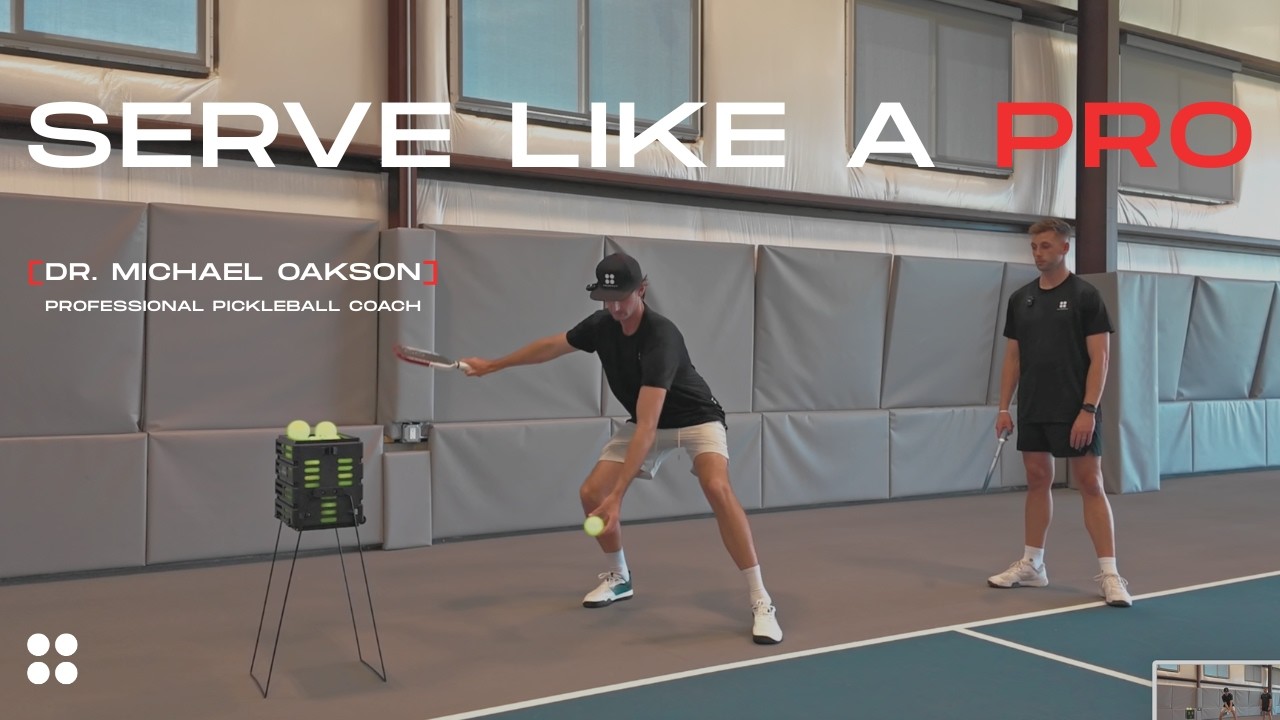
3-Step Pickleball Serve System for Instant Depth
Most players are leaving easy points on the table with a short, arm-dependent pickleball serve. Coach Michael Oaksen’s 3-step system fixes your depth, your toss, and your follow-through fast.
 The Dink PickleballThe Dink Media Team
What If You Have a Two-Handed Backhand Return?
The load-and-push mechanics apply whether you return with one hand or two.
But two-handed players have a specific extra problem: they often fail to turn their shoulders enough during the load phase.With two hands on the paddle, there is a temptation to stay square and push the ball with both arms simultaneously.
That produces a flat, inconsistent return with no real power source behind it.
If this sounds like your backhand, the five essential two-handed backhand shots are worth working through before your next match.The same tight-grip, arm-only habit also shows up on the ball right after the return, so it is worth checking four fixes to stop popping the ball up if points are still slipping away deeper in rallies.
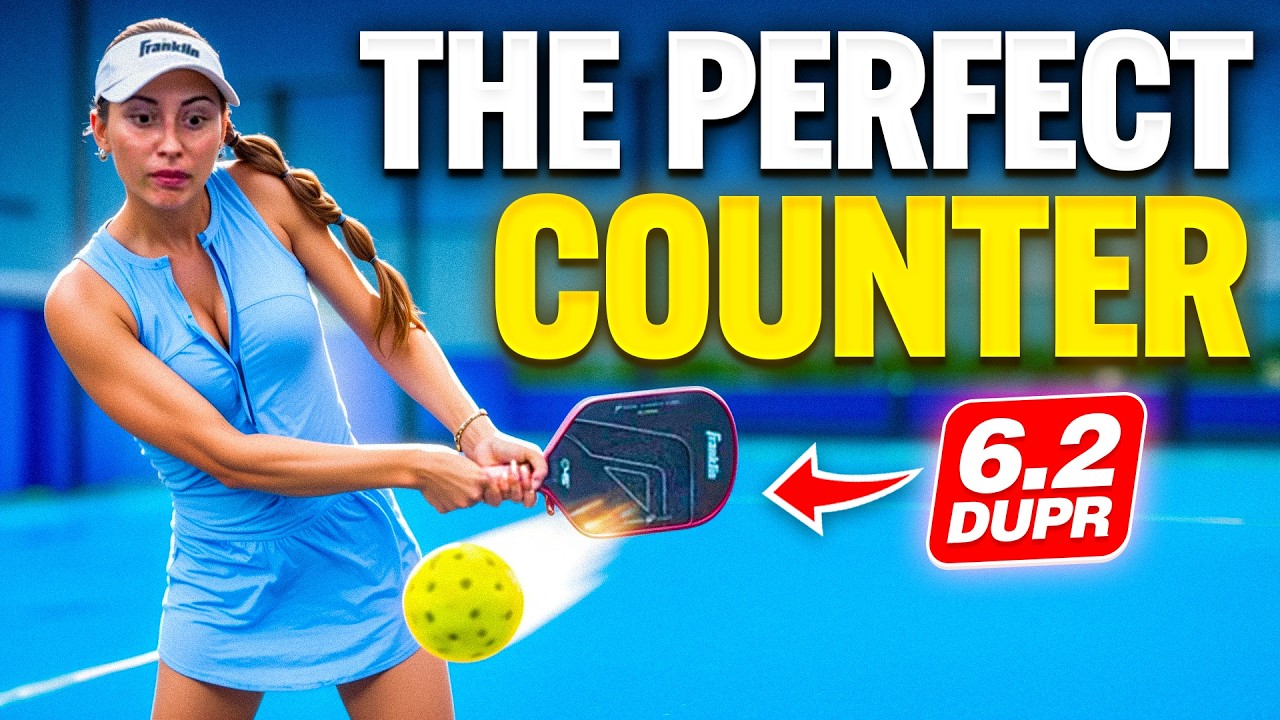
Two-Handed Backhand Counter: Parris Todd’s 5 Keys
The two-handed backhand counter is one of the most effective weapons at the kitchen line. Here is exactly how top-5 PPA pro Parris Todd builds and executes it.
 The Dink PickleballThe Dink Media Team
The Mental Side: Let Your Body Take Over
There is a phrase that comes directly out of the Ed Ju coaching session: "Your body will take over."
This is only true if your body has been given the right program to run. You cannot mentally force a good return of serve in a tight moment.You can only trust the reps you put in before that moment arrived.
That tracks with what the research on pickleball and mental performance keeps confirming: players who have automated their mechanics outperform equally skilled players who are still consciously managing their strokes.Stop trying to think your way through the return. Build the pattern in practice so your body can express it automatically when it counts.
Your job in the match is simple. Load early. Stay loose. Swing.If your unforced errors are piling up and you want the broader picture, the strategic breakdown for 3.0 to 3.5 players covers what else goes wrong before and after the return, and the six pro-endorsed drills to reach 5.0 give you a practice framework built around exactly these mechanics.
One more thing worth saying plainly: most players practice their serve more than their return.Flip that ratio for the next two weeks and watch what happens to your unforced error count.
💡
Heads up: hundreds of thousands of pickleballers read our free newsletter.
Subscribe herefor cutting edge strategy, insider news, pro analysis, the latest product innovations and more.
Frequently Asked Questions
Why do I keep missing the return of serve even on easy balls?
Easy serves often produce more errors than hard ones because players stop loading and swing casually with the arm alone. The fix is to treat every return with the same load-and-push mechanics regardless of serve speed. Consistent process equals consistent contact.
How loose should my grip be on the return of serve?
Target a grip pressure of four to five on a scale of ten during the return swing. Loose enough to let the wrist hinge freely, firm enough to keep control of the paddle through contact. Anything tighter than a six will restrict your swing and introduce errors.
What is the "load" position in a pickleball return?
The load position means your weight has shifted onto your back foot and your paddle is back before the ball reaches you. It is a coil of potential energy stored in your legs and hips. The forward drive from that position is what powers the return, not the arm.
How do I stop making return of serve errors in tournaments when I am nervous?
Nerves tighten your grip and collapse your mechanics into an arm-push. The only reliable fix is to drill the correct load-and-push pattern so many times that it becomes the automatic response under pressure. A proper warm-up routine before the match that includes return reps also helps reactivate the pattern before stakes are high.
Does return of serve depth really matter that much?
A deep return gives you more time to get to the kitchen line and forces the server into a more difficult third shot. A short return hands the serving team easy access to an aggressive third shot and puts you immediately on defense. Depth on the return is one of the fastest ways to shift point control in your favor.
Anuncie Aqui / Advertise Here
Sua marca para o mundo Pickleball! / Your brand for the Pickleball world!




 English (US) ·
  Portuguese (BR) ·