
 English
  Spanish
  Portuguese
  German
  Italian
  Japanese
  French
  Polish
  Russian
  Netherlands
  Hungarian
  Turkish
  Videos
  Thedink Pickleball

Most players think their third shot drop fails because of swing mechanics. The real problem is where the ball reaches its highest point, and fixing that alone can change everything.
Your third shot drop is one inch too high, and the point is already over.
You know the feeling.
You get into a decent rally, you set up to drop, and instead of the ball floating softly into the kitchen, it hangs at chest height and your opponent cracks it right back at you.The natural instinct is to blame your swing, your paddle angle, or your timing under pressure.
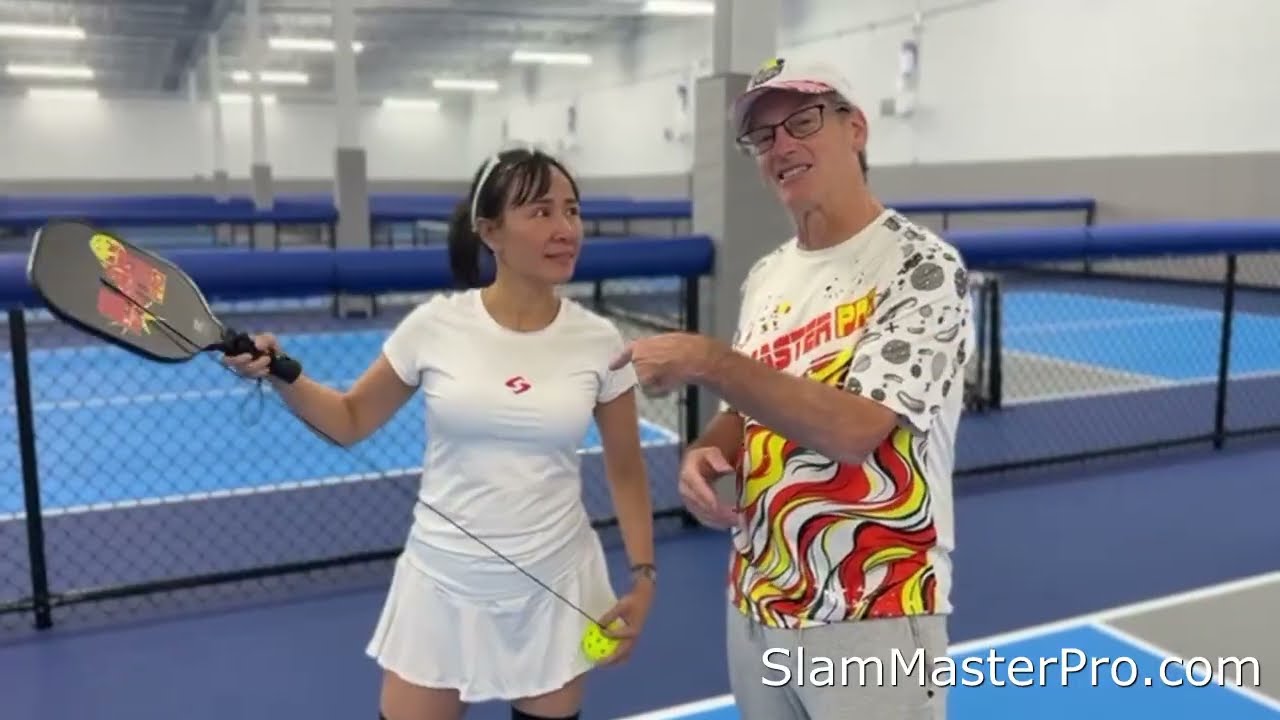
But according to Coach Brandon Stegmaier in a live lesson breakdown, the real problem is almost never what you think it is.
He rebuilt a student's drop from scratch and took him from a 30% success rate to 6 out of 10 in a single session, with a clear path to 80%.
Love pickleball? Then you'll love our free newsletter. We send the latest news, tips, and highlights for free each week.
The Real Problem Is Not Your Swing Speed
Most players who pop up their third shot drop think they need to swing slower or chop harder to keep the ball down.
That instinct is wrong, and it is actually making things worse.When you try to take pace off the ball by swiping or slicing aggressively, you add a huge amount of speed yourself through the swing.
The ball rises more, not less. Coach Brandon spotted this immediately with his student: the harder the player tried to chop or cut, the higher the ball went.The fix is not about slowing your swing down or adding topspin. It is about controlling where the ball reaches its apex, the highest point of its arc.
What Is the Apex and Why Does It Matter?
The apex is the peak of the ball's flight path.
If your ball reaches its highest point over the middle of the court or past the net, it is still rising when your opponent can reach it.
That means they get to attack it at chest height or higher.If you move that apex to your side of the net, the ball is already descending by the time it crosses.
Your opponent either has to let it bounce or volley it below the net, which is a much harder shot to do any damage with.
This is the single biggest shift Coach Brandon made with his student.The height of the drop was not actually the problem. It was the location of the apex that was wrong.
💡
Need some new pickleball gear? Get 20% off select paddles, shoes, and more with code THEDINK at
Midwest Racquet SportsHow Do You Actually Move the Apex Earlier?
Coach Brandon used a simple visual cue that changed everything: the ball basket.
He placed a ball basket at the point where he wanted the apex to be, on the student's side of the net, and told him to aim for that as the highest point of his shot.The student's first reaction was that the ball looked like it would not make it over.
But it did, every time, and it arrived at the kitchen in a sharp downward arc that forced Coach Brandon to volley below the net or let it bounce.
Here is what that mental model does for you:
- It stops you from aiming over the net and hoping the ball drops
- It forces you to push the ball up and forward with a purpose, not just float it
- It gives you a specific target instead of a vague idea of "keep it low"
- It removes the fear of height because you understand that height on your side is actually useful
Research on external focus cues backs this up: aiming at an object outside your body produces faster motor learning than thinking about your own mechanics.
If you want to go deeper on how apex timing connects to shot selection, these three height targets explain exactly where different shots should peak, and the six essential pickleball shots to master for 2026 show where the drop fits in the modern game.
Pickleball Shot Selection: Ball Height & Court Positioning
Advanced pickleball means constantly analyzing the height of the ball and the court positioning off all four players in real time – and keeping this one rule sacred: just because you can hit a more aggressive shot doesn’t mean you should
 The Dink PickleballEric Roddy
Why Are You Chopping Instead of Pushing?
The chopping or swiping motion is the most common bad habit in the third shot drop. It feels like it should take pace off.
In practice it adds a fast lateral swing that sends the ball upward.
Coach Brandon's correction was to replace the chop with what he called a beanbag toss. Lock your wrist. Push forward and under the ball.Let the paddle do the work without flicking or rotating through contact.
Think of it this way: if you are tossing a beanbag onto a shelf, you do not slice at it sideways.You push it up and forward with a firm wrist and let momentum carry it.
For players who also struggle with popping the ball up at the kitchen line, these two fixes address the same root cause.
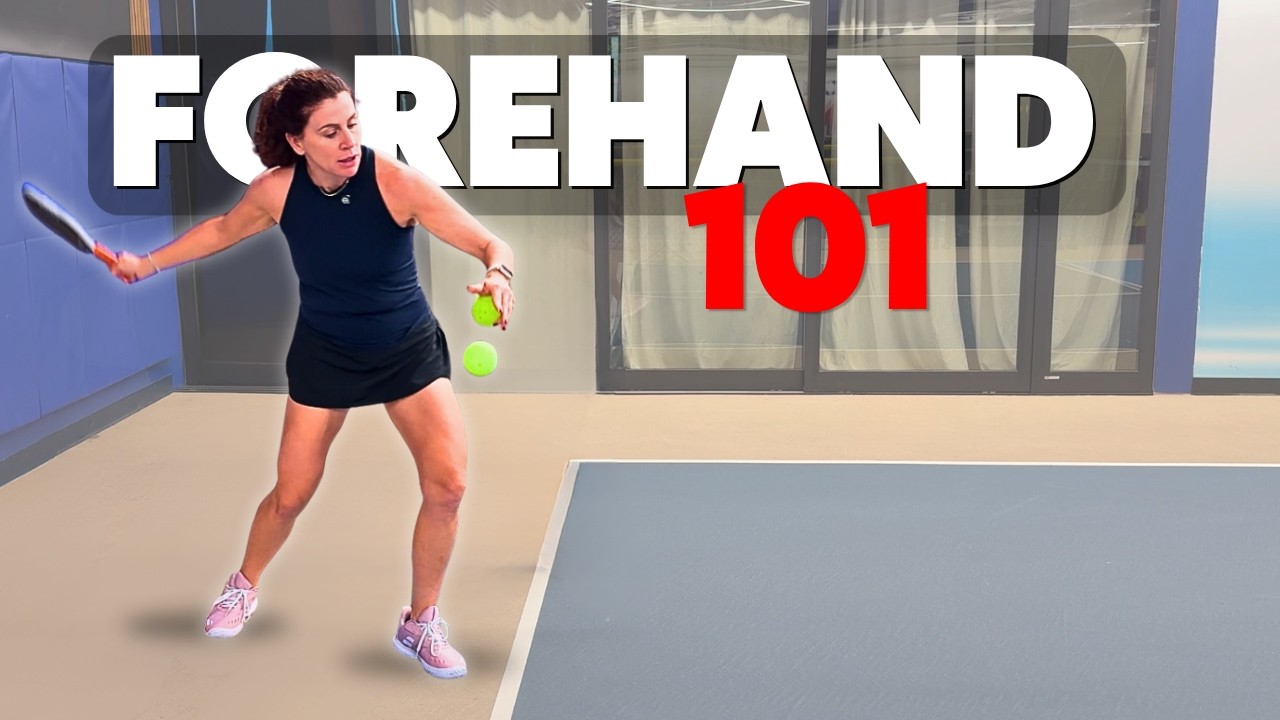
15 Bad Pickleball Habits You Don’t Know You Have
Most bad pickleball habits are invisible to the player making them. Here are 15 you need to fix before your next match.
 The Dink PickleballThe Dink Media Team
What About the Backhand Third Shot Drop?
The backhand version of this shot is where most players fall apart the fastest.
Coach Brandon noticed that his student was rushing the backhand more than the forehand, catching the ball late and cramped instead of out in front with space.The key cues for the backhand drop are:
- Get spacing right: Imagine a right angle triangle between your body and the contact point. You want the ball out in front with enough room to extend, not jammed against your hip.
- Keep your wrist firm: The same locked wrist from the forehand applies here. No flicking at the ball.
- Extend through the shot: A long, flowing extension keeps the ball slow and lets you guide the apex. Short, jabby swings produce balls that rise fast and drift long.
- Open your paddle face for faster balls: If the incoming ball has more pace, you can angle your paddle face slightly more open without changing your swing. Think of it as a shovel position, scooping the ball up and forward.
One important note on the shovel adjustment: even as you open the paddle face, your wrist stays locked in the same position.
You are rotating the paddle, not the wrist.If the two-handed version is giving you trouble, the mechanics behind the one-handed backhand will tell you which one actually fits your game.
How to Hit a Backhand Third Shot Drop Pickleball
Most players avoid the backhand third shot drop until it costs them a game. Here’s how to hit backhand third shot drop pickleball shots that actually land soft and stay low.
 The Dink PickleballThe Dink Media Team
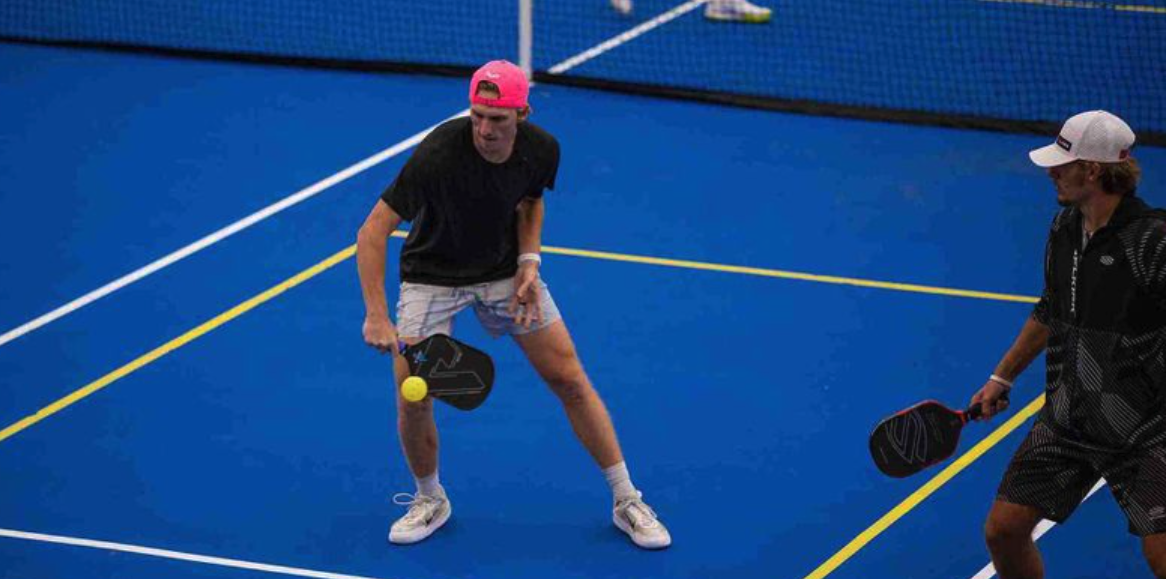
Should You Add Spin to Your Third Shot Drop?
No. Not at most recreational skill levels, and here is why.
Adding spin means brushing the ball faster through contact to get more rotations per minute.
That extra swing speed is exactly what causes timing breakdowns on a shot that is already defensive and already stressful to execute.
The third shot drop is a transition shot. You are not trying to win the point with it. You are trying to neutralize it so you can get to the kitchen.If you are naturally getting a little slice because your paddle angle is slightly open at contact, let it happen.
But chasing spin on purpose is a trap, and the pros mostly abandoned the slice shot in 2025 for the same reason.
These fixes for stopping the chop motion go deeper on exactly this problem.
Stop Botching Your Third-Shot Drop: Quick Fixes to 2 Common Mistakes
The less your paddle moves before contact, the less can go wrong
 The Dink PickleballThe Dink Media Team
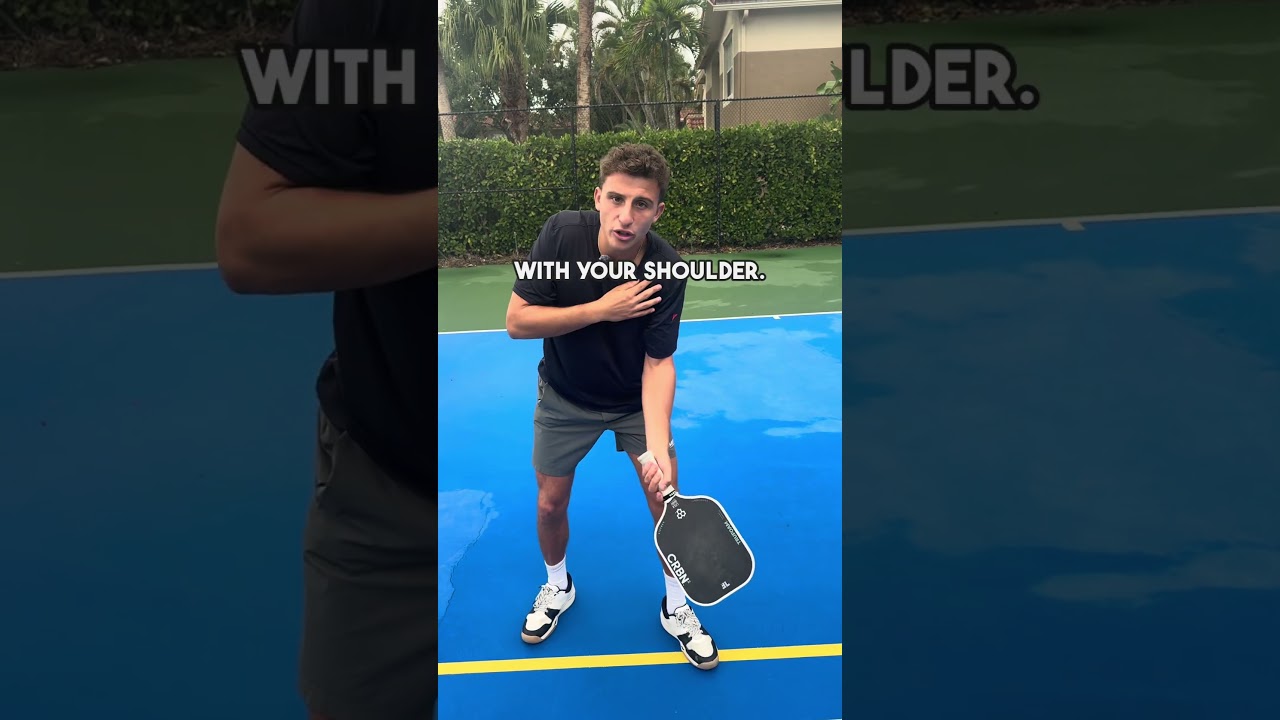
How Do You Handle Faster Incoming Balls?
This is where players get caught out most. A deep, hard return comes back and suddenly your timing is off, your drop floats, and you are scrambling.
Coach Brandon's honest answer: even pros need multiple attempts when balls come back fast.What you can control is your default setup and your ability to adjust paddle angle when pace increases.
When a faster ball pushes back toward your body, open the face slightly and hold that position through contact.
Do not let the wrist collapse. The shovel position keeps the ball going forward and up without sending it into the net.Recovering from an imperfect drop is really a transition zone skill, and stopping the habit of rushing the kitchen too fast will save you more points than a perfect swing will.
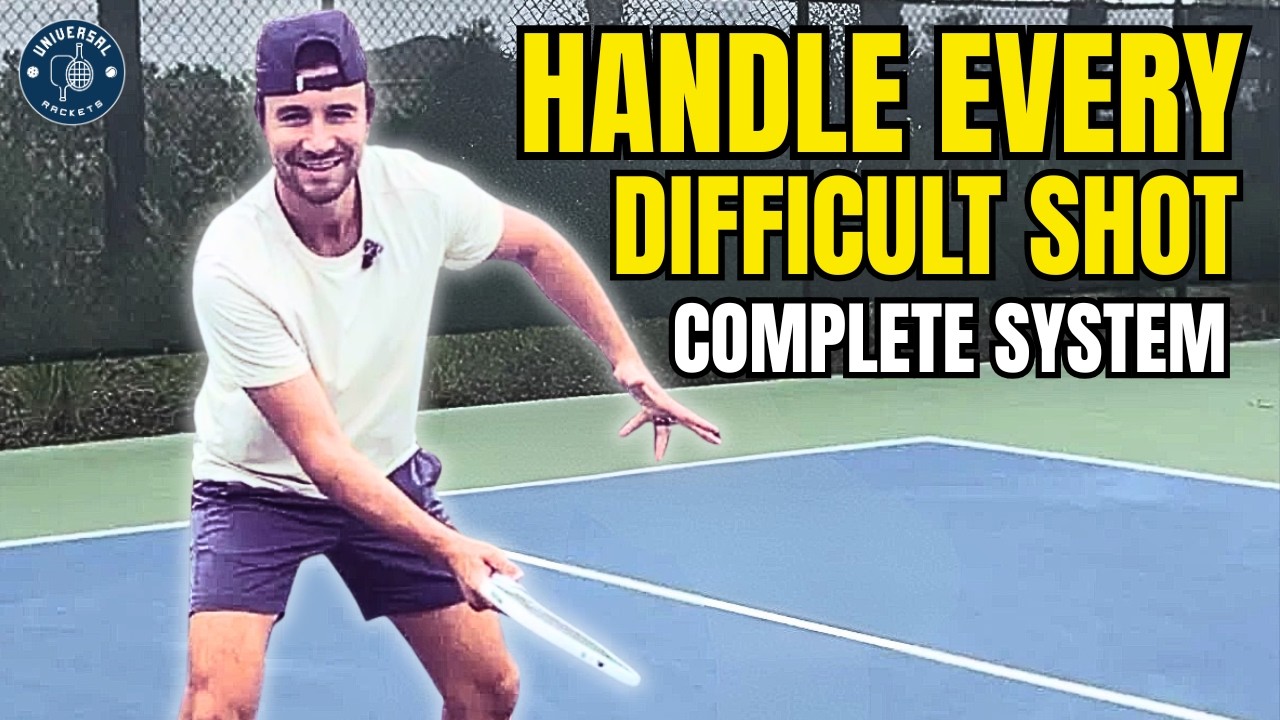
How to Handle the Most Difficult Shots in Pickleball
Most pickleball players treat every shot the same way, which is why difficult shots feel impossible. A difficult shot in pickleball requires a completely different approach than a standard volley or dink.
 The Dink PickleballThe Dink Media Team
Do You Have to Move Up After Every Drop?
Yes. And this is the piece most players skip entirely.
Coach Brandon placed a cone midway up the court and told his student he had to reach it every single time after hitting a drop.
No retreating. No waiting at the baseline to see how it landed.This does two things.
- First, it builds the habit of transitioning forward after every pickleball third shot.
- Second, it forces you to commit to the drop rather than hedging.
This specific adjustment to your movement after the drop can get you to the kitchen significantly faster, and the right footwear makes that split-step recovery a lot less punishing.
When you commit to moving forward, you start to trust your drop more.
Hesitation at the baseline is often what makes players rush the swing and pop the ball up in the first place.
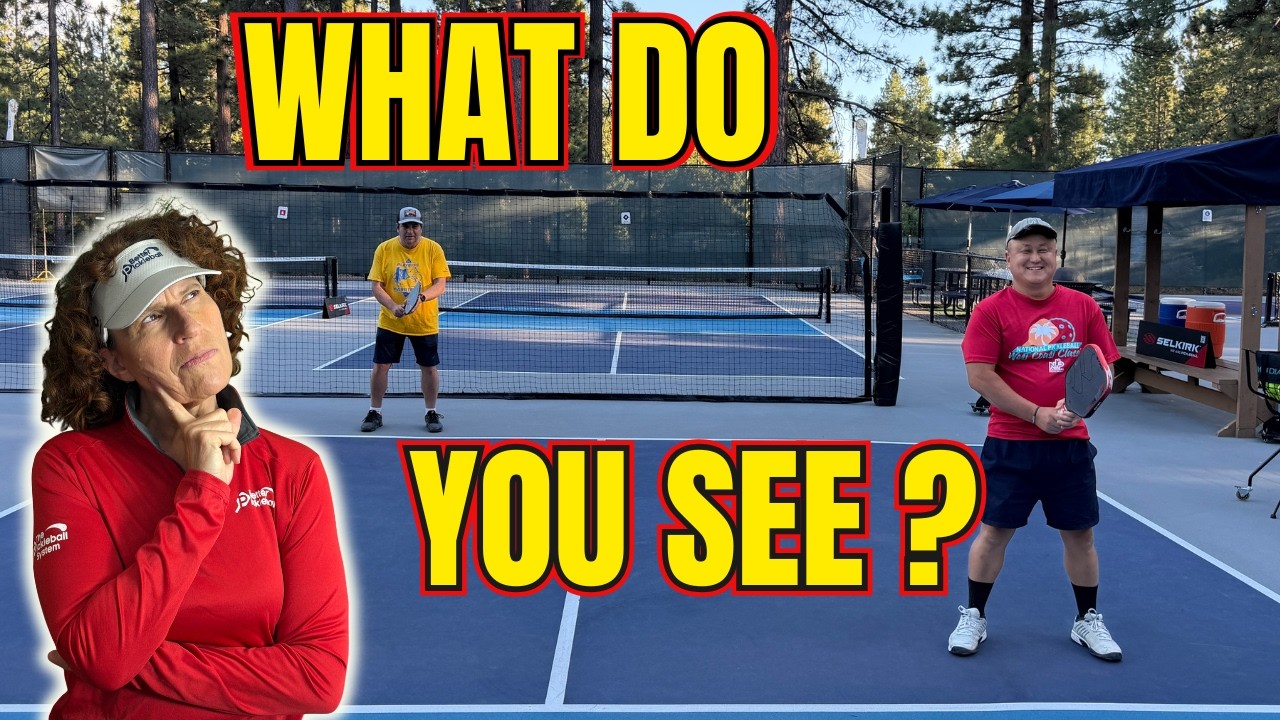
3 Court Positioning Tells to Anticipate the Third Shot
Most players blame slow reactions when they miss the third shot opportunity. The real fix is reading court positioning before the serve even lands.
 The Dink PickleballThe Dink Media Team
The Testing Framework That Proves It Is Working
Coach Brandon ended the session with a simple test: 10 attempts, and success counted only if the ball forced a bounce or made him volley below the net.
Anything he could comfortably attack above the net was a failure.
That definition is worth copying. It stops you from asking "did the ball go in" and starts you asking "did the ball give my opponent a problem."A third shot drop that lands in the kitchen but sits up at hip height is not successful. A drop that clips the tape and trickles over is.
This target drill and the 12 drills you need for 2026 are built around exactly that kind of outcome-based practice.
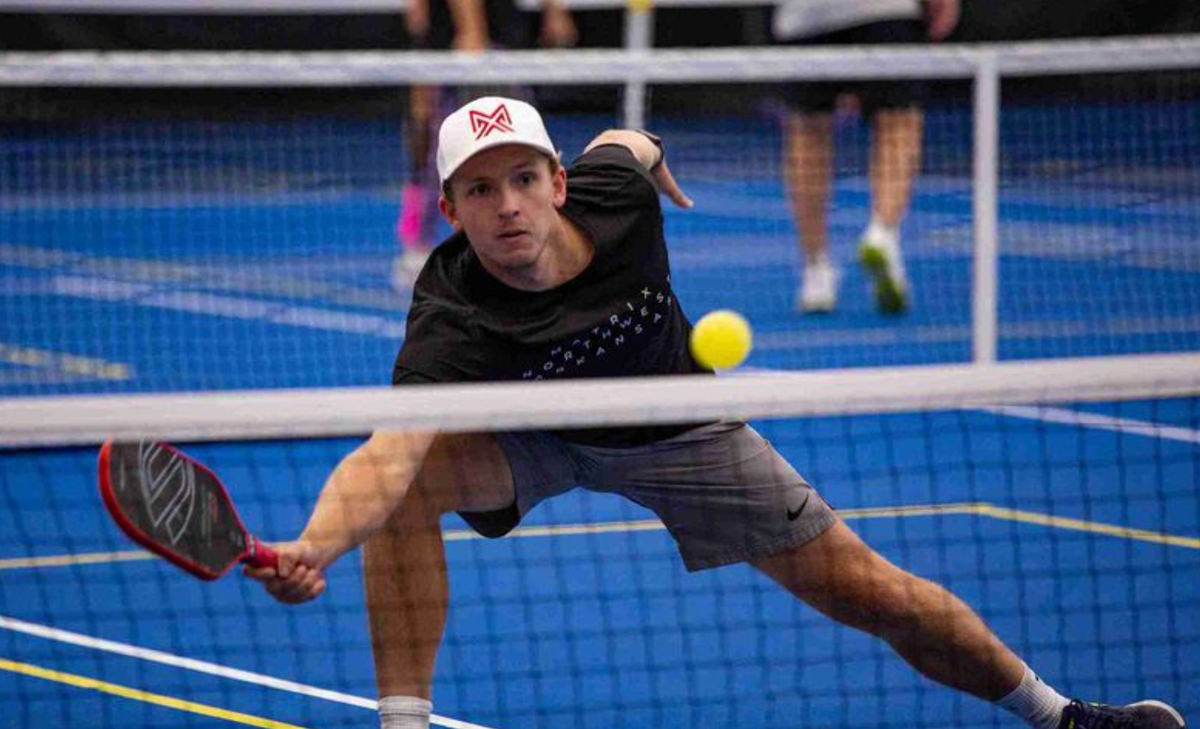
Pickleball Net Height: Official Measurements Explained
Pickleball net height is 34 inches at the center and 36 inches at the sideline posts, and that 2-inch difference shapes every strategic decision you make on the court. Understanding the official measurements gives you an edge whether you’re setting up a court or rethinking your shot selection.
 The Dink PickleballThe Dink Media Team
Quick Summary: What to Fix First
- Move your apex earlier. The ball should peak on your side of the net, not past it.
- Stop chopping. Replace the swipe with a firm-wrist push forward and under.
- Use the beanbag toss image. Lock the wrist, push forward, let the ball arc over naturally.
- Give yourself spacing on the backhand. Ball out in front, enough room to extend fully.
- Skip the spin. It adds timing risk to an already defensive shot.
- Move up after every drop. Commit to the cone and do not retreat.
These are not complicated changes. But they require you to trust the arc, trust the height on your side of the court, and stop fighting the ball with extra swing speed.
If your third shot drop keeps failing despite clean mechanics, this breakdown covers additional reasons it collapses under pressure, and these four key strategies for winning in 2026 put the shot in its proper tactical context.The student went from 3 successful drops out of 9 to 6 out of 10 in one session.
He did it without a new paddle, without drilling for weeks, and without changing his grip.
He just learned where to put the apex and stopped rushing the swing.
You can do the same thing the next time you step on the court.
If you want to see how the third shot connects to everything after it, fixing your thirds and fourths together is where real consistency comes from, and this simple 4-step system turns it into a repeatable pattern.
💡
Heads up: hundreds of thousands of pickleballers read our free newsletter.
Subscribe herefor cutting edge strategy, insider news, pro analysis, the latest product innovations and more.
Frequently Asked Questions
Why does my third shot drop keep going too high?
The most common cause is that your ball's apex, its highest point, is reaching past the net instead of on your side of the court. When the ball is still rising as it crosses the net, your opponent can attack it at chest height. Move the apex earlier by pushing forward and under the ball rather than swiping through it.
Should I add topspin to my third shot drop?
No, adding spin to your third shot drop is not worth the timing risk at most skill levels. Generating spin requires a faster brush through the ball, and that extra swing speed causes the ball to rise unpredictably. Keep the wrist locked and push through the shot instead.
What is the beanbag toss technique for the third shot drop?
The beanbag toss is a mental image where you lock your wrist and push the paddle forward and under the ball, like tossing a beanbag onto a shelf above you. It replaces the chopping or swiping motion that most players use. The result is a slower, more controlled ball that arcs over the net and descends sharply into the kitchen.
How do I hit a third shot drop on my backhand?
Give yourself enough space by keeping the ball out in front with a right angle triangle of room between your body and the contact point. Lock your wrist, extend through the shot with a long flowing motion, and let the paddle angle do the work. Avoid catching the ball late or cramped against your body, which forces a rushed jab that pops the ball up.
How do I know if my third shot drop is actually working?
A successful third shot drop forces your opponent to either let the ball bounce or volley it below the net. If they can comfortably attack it from hip height or above, the drop did not work even if it landed in the kitchen. Use that standard in practice so you are training for real outcomes, not just keeping the ball in bounds.
Anuncie Aqui / Advertise Here
Sua marca para o mundo Pickleball! / Your brand for the Pickleball world!



 English (US) ·
  Portuguese (BR) ·