
 English
  Spanish
  Portuguese
  German
  Italian
  Japanese
  French
  Polish
  Russian
  Netherlands
  Hungarian
  Turkish
  Videos
  Thedink Pickleball

Getting better at pickleball does not require a complete overhaul of your game. These three methods from PPA pro Ava Ignatowich will show you exactly where to focus your effort.
If your pickleball game has hit a wall, you are not alone. Most players grind through open play, repeat the same patterns, and wonder why nothing changes.
Here's the good news: you can always get better at pickleball, no matter your age or current level.The sport rewards strategy, touch, and smart practice far more than raw athleticism.
These three tips come straight from Ava Ignatowich, a PPA Tour pro who breaks down exactly what separates players who improve fast from those who stay stuck.
Love pickleball? Then you'll love our free newsletter. We send the latest news, tips, and highlights for free each week.
Why Most Players Stop Improving
The plateau is real, but it is almost always a practice problem rather than a talent problem.
You are probably spending too much time playing and not enough time drilling the right things.
Ava puts it clearly: there is always something to work on in pickleball.The sport rewards finesse and decision-making, which means your ceiling is higher than you think.
Here's what actually moves the needle.
Tip 1: Drill With Purpose, Not Just Repetition
Drilling is the single fastest way to get better at pickleball. Not just any drilling, though. The kind that mirrors what actually happens in a real game.
Ava recommends two drills specifically because every pro uses them. Both involve playing out points, not feeding balls back and forth while standing still.
💡
Need some new pickleball gear? Get 20% off select paddles, shoes, and more with code THEDINK at
Midwest Racquet SportsWhat Is the Dink Game and Why Does It Matter?
The dink game drill is the most realistic practice scenario you can do outside of actual match play.
You and a partner split half the court, start with a few dinks, and then play the point out fully.
Anything goes: dinks, speed ups, counters, lobs. The point is to practice decision-making under pressure, not just mechanical repetition.This drill covers nearly everything that happens when you are not in the transition zone.
Dinking with intention is a skill that separates average players from strong ones, and this drill builds that habit fast.
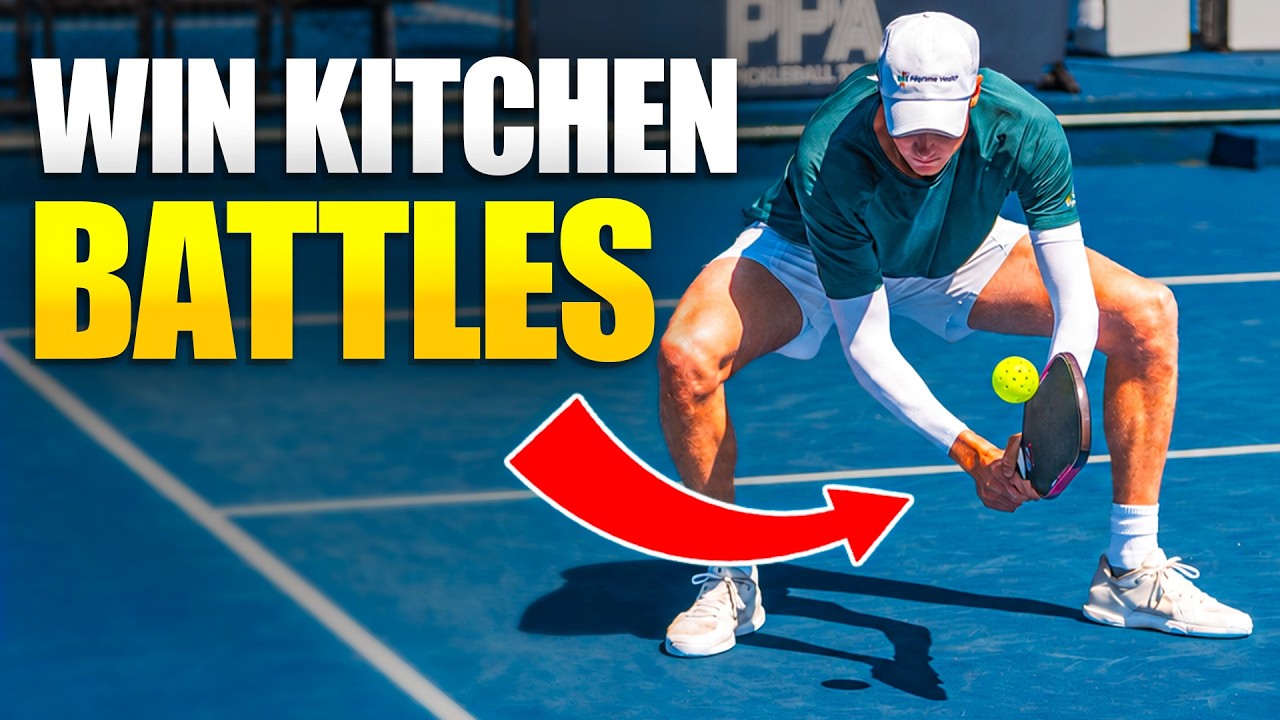
Pickleball Dink Types: 4 Shots That Win Kitchen Battles
A top 10 pro breaks down the four pickleball dink types that decide kitchen battles. Learn when to slice, when to roll, when to reset, and when to take the ball out of the air.
 The Dink PickleballThe Dink Media Team
The 7-11 Drill: Transition Zone Training That Works
The second drill Ava recommends is called 7-11. One player starts at the baseline, the other starts at the kitchen line.
The baseline player's goal is to work up to the kitchen and win seven points before the kitchen player reaches eleven.This forces the baseline player to construct points under real pressure while moving forward.
Here is what makes both drills effective:
- They involve live points, not static feeding
- They create pressure that mimics match conditions
- They train your decision-making, not just your mechanics
- They force you to play through mistakes and adjust
Ava is direct about one thing: drilling while standing completely still has limited value. You will never be perfectly balanced and stationary in a real game.
Understanding the types of drilling helps you structure sessions so every rep transfers to match play.If you want to see what structured drilling looks like at a specific rating, these breakdowns show how to build a practice plan that creates real results.
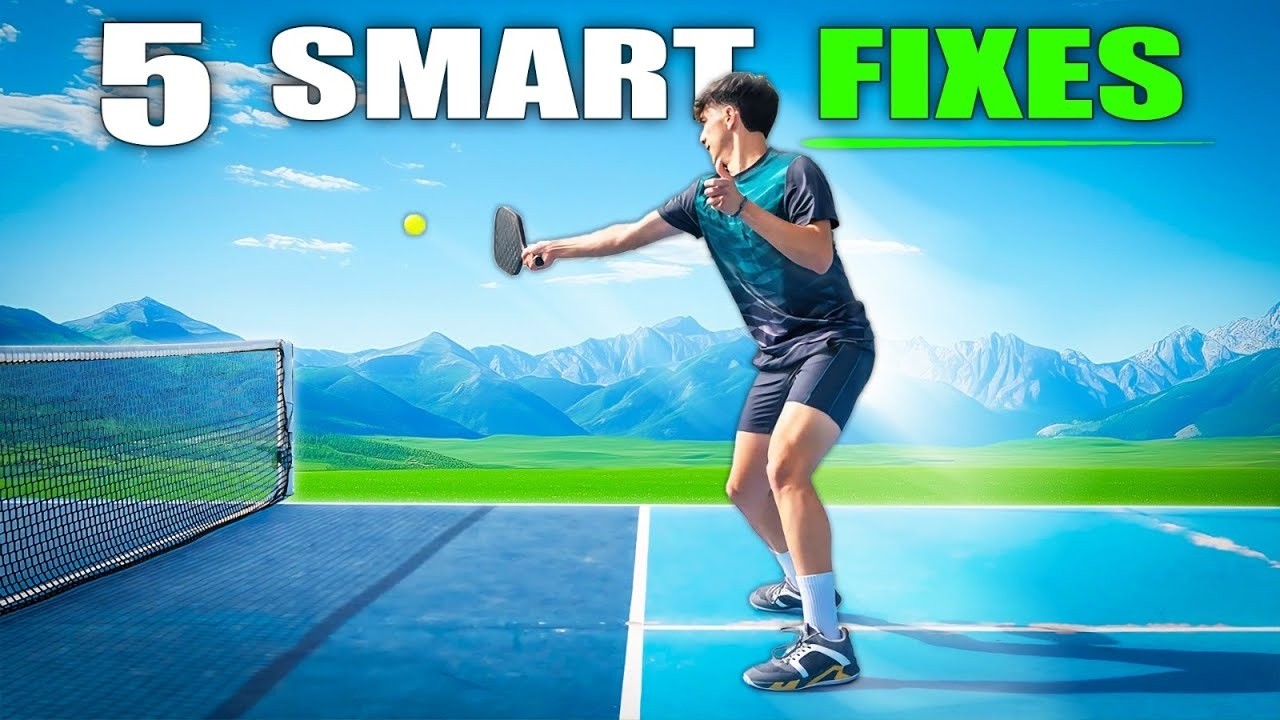
5 Pickleball Drills That Will Transform Your Game in 2026
Five simple yet powerful pickleball drills can completely reshape how you play. These mechanics focus on consistency, footwork, and positioning to help you see immediate results on the court.
 The Dink PickleballThe Dink Media Team
Tip 2: Watch Yourself Play (You Will Be Shocked)
Recording yourself is the most underused tool in amateur pickleball. Most players think they know what their game looks like, and they are almost always wrong.
\Ava describes a very common experience: you feel like you are moving well, playing aggressively, and staying focused.Then you watch the footage and realize you look like you are barely moving.
That gap between what you feel and what is actually happening is the problem. Filming yourself is one of the most reliable ways to close that gap quickly.
What Should You Actually Look For on Film?
When you watch your footage, do not just watch the ball. Look at these specific things:
- Your court position before and after each shot
- Foot movement and whether you are getting behind the ball or reaching for it
- Shot selection and whether your choices match the situation
- Your ready position between shots
- Body language when you are under pressure
Ava herself uses this method regularly because all of her PPA Tour matches are recorded or streamed.
Even at the pro level, watching film reveals things that feel completely invisible in the moment.A tripod with a magnetic phone mount is all you need. Set it behind the court, hit record, and let the footage do the work.
How to Learn From Watching Pros Play
Watching pro matches is a separate skill from watching them for entertainment. Pick one player and track only that person for the entire point.
Watch what they do when they do not have the ball.
Look at how they construct a point over several shots, where their head is positioned, and what they do with their feet between exchanges.Anna Leigh Waters and Ben Johns are worth studying for their positioning and patience, not just their shot-making.
Breaking bad habits gets a lot easier once you can see what good habits look like in live match situations.
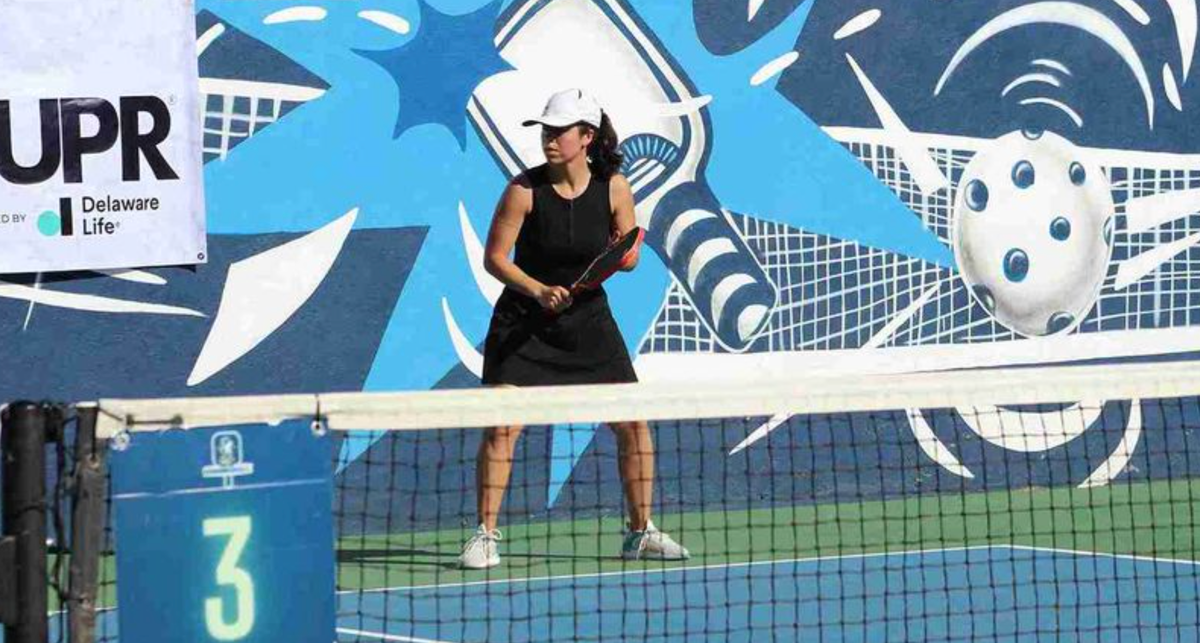
How to Improve in Pickleball Without a Coach
You can improve pickleball without a coach by following a structured self-teaching system built around deliberate practice, video analysis, and targeted solo drills. This guide breaks down exactly how to build real skills on your own, without spending a dollar on lessons.
 The Dink PickleballThe Dink Media Team
Tip 3: Play Every Single Point Like It Counts
Maximum intensity on every point is the third and most underrated way to get better at pickleball.This sounds obvious, and you probably think you are already doing it. You are not.
Nobody does this consistently. Ava is blunt about it.
She makes a point that is worth sitting with: it is better to play three games at full intensity than to pace yourself through ten games without really trying.Volume without intensity does not build better habits. It reinforces the lazy ones.
What Does Full Intensity Actually Look Like?
It is not about hitting the ball harder. Full intensity means staying present with your body on every single point:
- Bend your knees before every shot, not just the ones you see coming
- Lean forward and stay athletic between exchanges
- Move your feet to get behind the ball instead of stretching to reach it
- Stay mentally present rather than drifting between points
When you play with full intensity, you stop reinforcing habits like walking to the kitchen or fishing for balls you should be stepping around.
Poor footwork is one of the most common reasons players hit bad shots, and intensity fixes it faster than any drill can.If you are not sure whether you are actually trying hard enough, go back to tip two and record yourself.
You will have your answer within the first five minutes of footage.
This connects to something bigger: the players who improve fastest are not the most talented. They are the ones who bring genuine focus to every rep.The habits that separate rating levels are mostly about effort and attention, not technical ability alone.
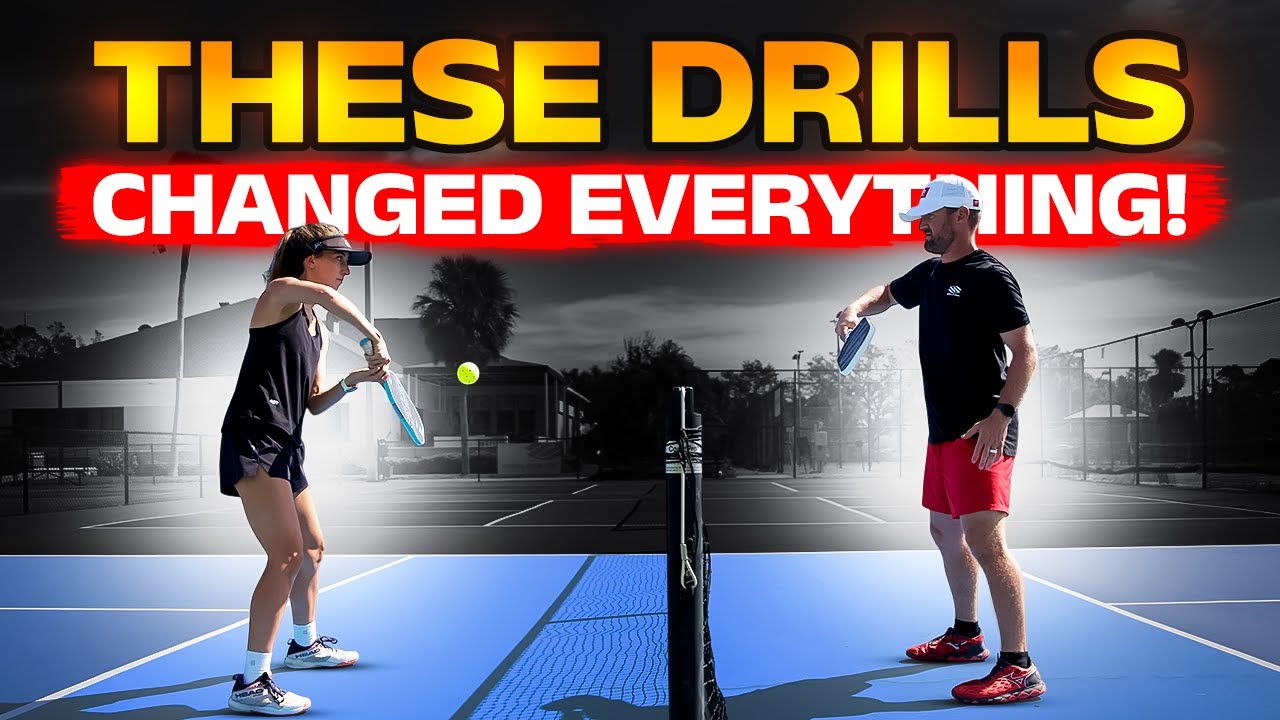
6 Two-Person Pickleball Drills That Build Real Skills
If you want to get better faster, two-person pickleball drills beat casual play every time. These six structured drills target the exact skills that decide who wins and who loses.
 The Dink PickleballThe Dink Media Team
Putting All Three Together
These three methods work best when you use them together, not in isolation. Drilling builds the skills. Film review shows you where the gaps are.
Full intensity during play locks those skills into your actual game.
Most players do one of the three inconsistently. The players who do all three consistently are the ones who actually climb ratings.
If you have been stuck below 4.5, the problem is almost always in one of these three areas.It also helps to understand what you are working toward.
Every pickleball skill level from 3.0 to pro has specific markers that define it, and knowing exactly what separates your current level from the next one makes your practice far more targeted.Do not overthink this. Pick one of the two drills, record your next session, and commit to playing the next three games like each point matters.
That combination alone will show you more improvement than months of casual play ever will.
If you want more structure around your practice, a smarter practice plan can help you prioritize the right skills at the right time instead of just showing up and hitting balls.Pro players do things differently from rec players in ways that are specific and learnable, and most of those differences show up in how they practice, not just how they play.
You do not need to be the most athletic player on the court. You need to be the most deliberate one.
💡
Heads up: hundreds of thousands of pickleballers read our free newsletter.
Subscribe herefor cutting edge strategy, insider news, pro analysis, the latest product innovations and more.
Frequently Asked Questions
What is the fastest way to get better at pickleball?
Drilling game-realistic scenarios is the fastest way to get better at pickleball. The dink game and 7-11 drill are two of the most effective because they involve live points rather than static repetition. Combining those drills with film review accelerates progress significantly.
How often should I drill versus play in pickleball?
Most players should spend at least as much time drilling as playing, if not more. Ten minutes of focused drilling before open play can produce more improvement than an entire casual session. The key is drilling things that actually happen in your games.
What is the dink game drill in pickleball?
The dink game drill is a point-play format where two players start on half the court, exchange a few dinks, and then play the point out completely. Anything is allowed, including speed ups, lobs, and counters. It is the most realistic game-scenario drill you can do without playing a full match.
Does recording yourself actually help you improve at pickleball?
Yes, recording yourself is one of the most effective improvement tools available because it closes the gap between what you think you are doing and what is actually happening. Most players are shocked by how little they move and how passive their shot selection looks on film. A basic tripod and your phone is all the equipment you need.
Why do I feel like I am plateauing in pickleball?
Plateaus in pickleball almost always come from repeating the same low-intensity habits in open play without structured drilling or self-analysis. Playing more games without changing how you practice just reinforces whatever you are already doing wrong. Focused drilling, film review, and full effort on every point are the three things that break that cycle fastest.
Anuncie Aqui / Advertise Here
Sua marca para o mundo Pickleball! / Your brand for the Pickleball world!





 English (US) ·
  Portuguese (BR) ·