
 English
  Spanish
  Portuguese
  German
  Italian
  Japanese
  French
  Polish
  Russian
  Netherlands
  Hungarian
  Turkish
  Videos
  Thedink Pickleball

The third shot drop is the shot that gets you out of the baseline and into the point. Jack Sock breaks down the exact techniques he uses to land it consistently.
The third shot drop is the one shot that separates players who get stuck at the baseline from players who control the point.
If you are driving everything back and hoping for the best, you are giving the team at the kitchen line a free opportunity to attack you.The third shot drop is how you take that advantage away from them.
This breakdown pulls directly from Selkirk TV on YouTube, where Jack Sock walks through his personal approach to the shot, including the two technique variations he actually uses in match play.
Love pickleball? Then you'll love our free newsletter. We send the latest news, tips, and highlights for free each week.
Why the Third Shot Drop Is the Most Important Shot in Doubles
The third shot drop exists for one reason: to let you and your partner get to the kitchen line without getting attacked on the way there.
When the serving team hits the ball back after the return, they are stuck at the baseline. The receiving team is already at the kitchen.
That is a massive positional disadvantage.A well-executed third shot drop forces your opponents to hit the ball upward from around their feet.
That gives you time to move forward and arrive at the kitchen line on even footing.
If you skip this shot and just drive every third ball, you are handing the other team an easy opportunity to put you on defense.
There is a time to drive, but building a reliable drop gives your game a foundation that a pure drive strategy cannot replace.
What Does a Good Third Shot Drop Actually Look Like?
A good third shot drop lands in or just past the non-volley zone, also called the kitchen.
It arrives low enough that your opponent cannot attack it aggressively.
Ideally, the ball is dropping as it crosses the net so your opponent has to bend down and lift it back up.
That upward contact limits their ability to speed up the ball or put pressure on you while you are still moving forward.The shot does not need to be perfect every single time. It needs to be good enough that you can move forward in transition without getting picked apart.
That is the real standard to hold yourself to.💡
Need some new pickleball gear? Get 20% off select paddles, shoes, and more with code THEDINK at
Midwest Racquet SportsJack Sock's Two Core Third Shot Drop Techniques
Jack Sock uses two main techniques for the third shot drop, and he is clear that personal preference matters here. What gets the ball into the kitchen and gets you moving forward is the right choice for you.
Third Shot Drop Technique 1: The Scoop
The scoop technique is Sock's personal go-to.
The swing path scoops under the ball from low to high, generating a soft, arcing trajectory that drops into the kitchen.
This is not a full ground stroke. The motion is compact and controlled, with the goal being feel and placement rather than power.Sock describes it as the shot he has built the most touch on over time.
The scoop works well when you want maximum softness and arc.
Here is what to focus on when executing it:
- Start with the paddle low, below the ball at contact
- Brush upward and through the ball rather than pushing at it
- Keep your wrist stable, let the arm do the lifting
- Follow through in the direction of your target, not straight up
The key feeling Sock emphasizes is that when you scoop one cleanly, you know it immediately. The ball just sits up and drops right where you want it.
That feedback loop is how you build consistency with this third shot drop technique over time.
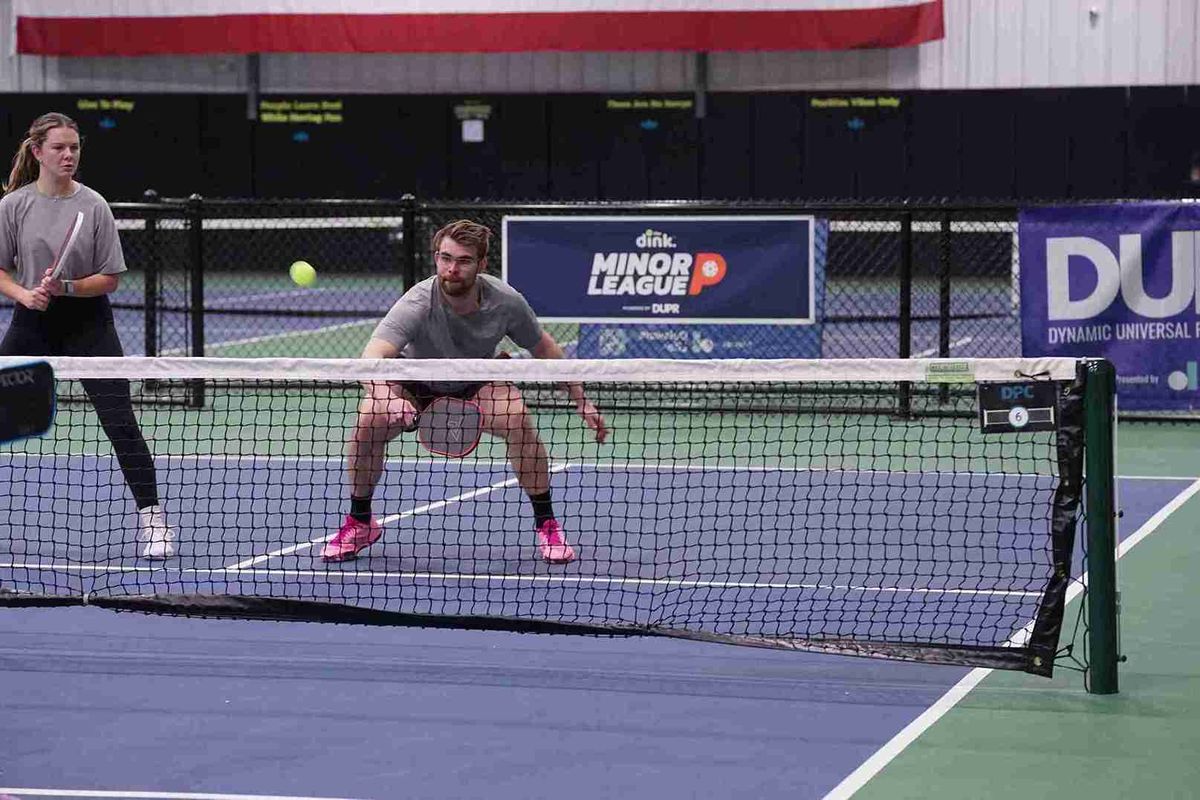
Third Shot Drop Pickleball: 3rd Shot Guide
The 3rd shot pickleball play is the most important shot you’ll hit on every single rally. This step-by-step guide breaks down the mechanics, common mistakes, and drills to help 3.0 to 4.0 players master it fast.
 The Dink PickleballThe Dink Media Team
Technique 2: The Topspin Ground Stroke
The second technique is a shorter, more compact version of a standard topspin ground stroke.
Think of it as a half-swing where you brush over the top of the ball to generate forward spin that pulls the shot down into the kitchen.
This technique suits players who are more comfortable with a traditional tennis or ground stroke background.The swing mechanics are more familiar, which means the margin for error feels smaller to them.
Here is how to hit the topspin drop correctly:
- Take a compact backswing, much shorter than a full drive
- Make contact slightly in front of your body
- Brush up and over the ball to apply topspin
- Keep your swing pace slow and controlled, this is not a power shot
- Follow through low toward the net to keep the trajectory flat enough to clear but drop quickly
The topspin approach gives the ball a natural downward curve after it peaks.
That arc is what makes it hard for your opponent to attack.If you have ever struggled with drops that float too high, switching to a more intentional topspin brush can fix that fast.
For more on this approach, check out these three forehand drop techniques that go deeper on the mechanics behind each swing path.
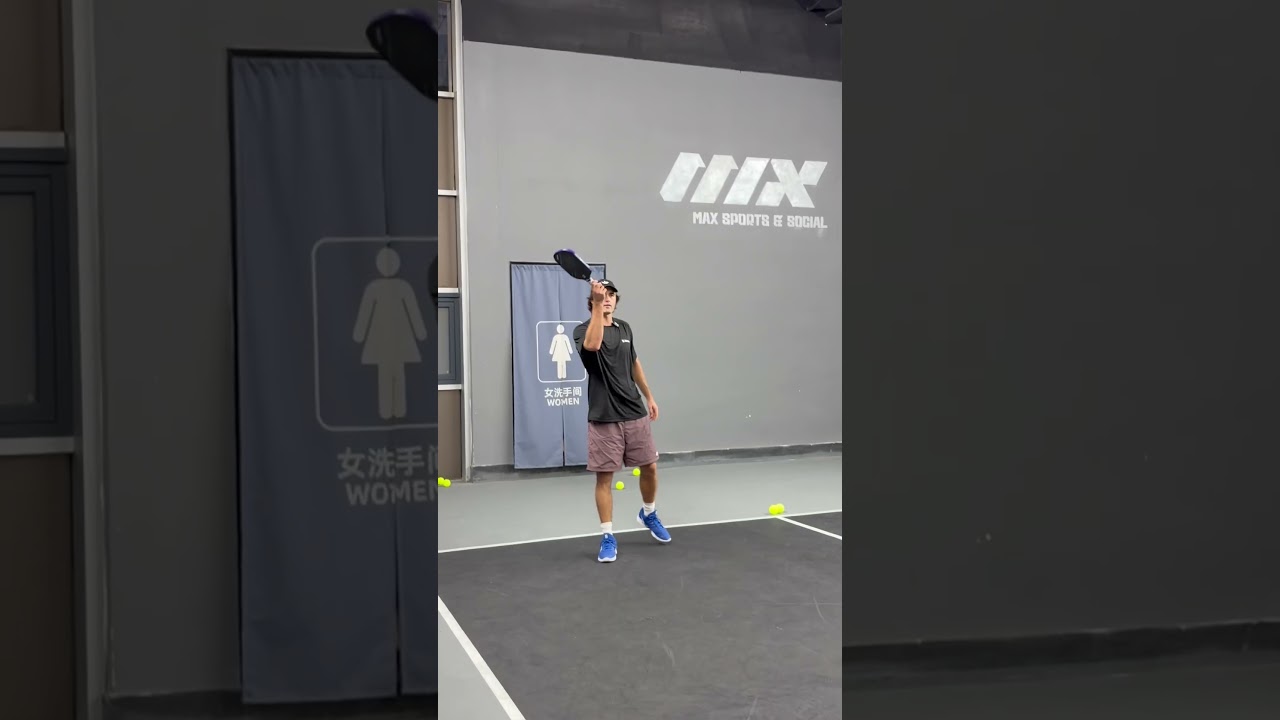
How to Hit the Topspin Drop in Pickleball
The topspin drop is one of pickleball’s most aggressive net shots, and mastering the topspin drop requires understanding footwork, spin generation, and body positioning. James Ignatowich breaks down the exact mechanics you need to add this shot to your arsenal.
 The Dink PickleballThe Dink Media Team
Is There a Right Answer Between the Scoop and the Topspin Drop?
No. Sock is straightforward about this: whatever gets the ball down and gets you moving forward is the right shot.
Some players will find the scoop feels natural from day one.
Others will feel more in control using the topspin brush because it mirrors mechanics they already have from tennis or other racket sports.
Neither is objectively superior.What matters is that you commit to one as your primary technique and practice it until it becomes automatic.
Mixing methods without mastering either is where most players go wrong.
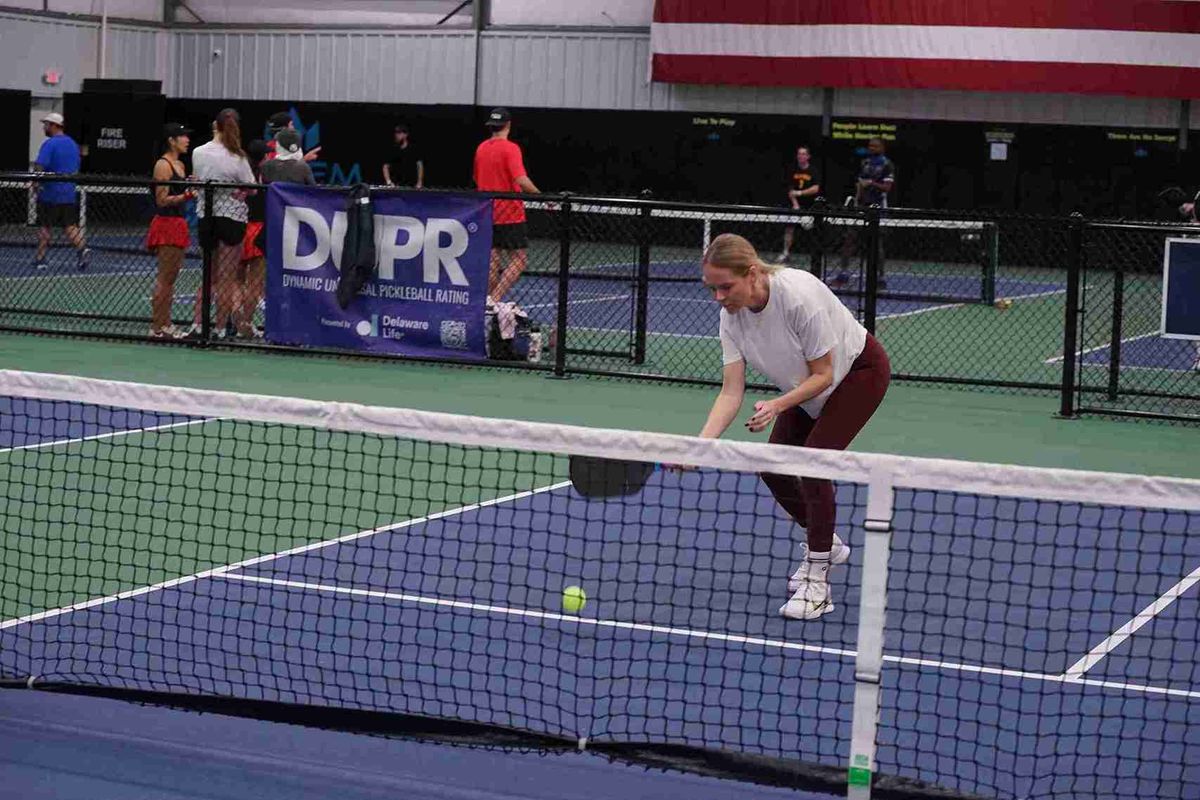
Third Shot Drop vs Drive in Pickleball: Make the Right Call
The third shot drop vs drive pickleball debate isn’t about picking a favorite, it’s about reading the rally and choosing the shot that actually works. This guide breaks down when to drop, when to drive, and how to stop guessing on ball three.
 The Dink PickleballThe Dink Media Team
How to Move Forward While You're Hitting
The third shot drop is not just a shot. It is a shot combined with movement.
After you hit a drop you feel confident about, you should immediately start moving toward the kitchen. You do not wait to see what happens.
You commit and go.Sock calls this hitting in transition. If the drop is good, you arrive at the kitchen line ready to play.
If it is not quite good enough and your opponent attacks, you need to be prepared to reset from somewhere in the middle of the court. That transition zone is tricky.
Here is a pro escape strategy guide for navigating no man's land when you get caught between the baseline and kitchen.The habit to build is simple: hit your drop, read it quickly, and move. Do not stand at the baseline watching the ball.
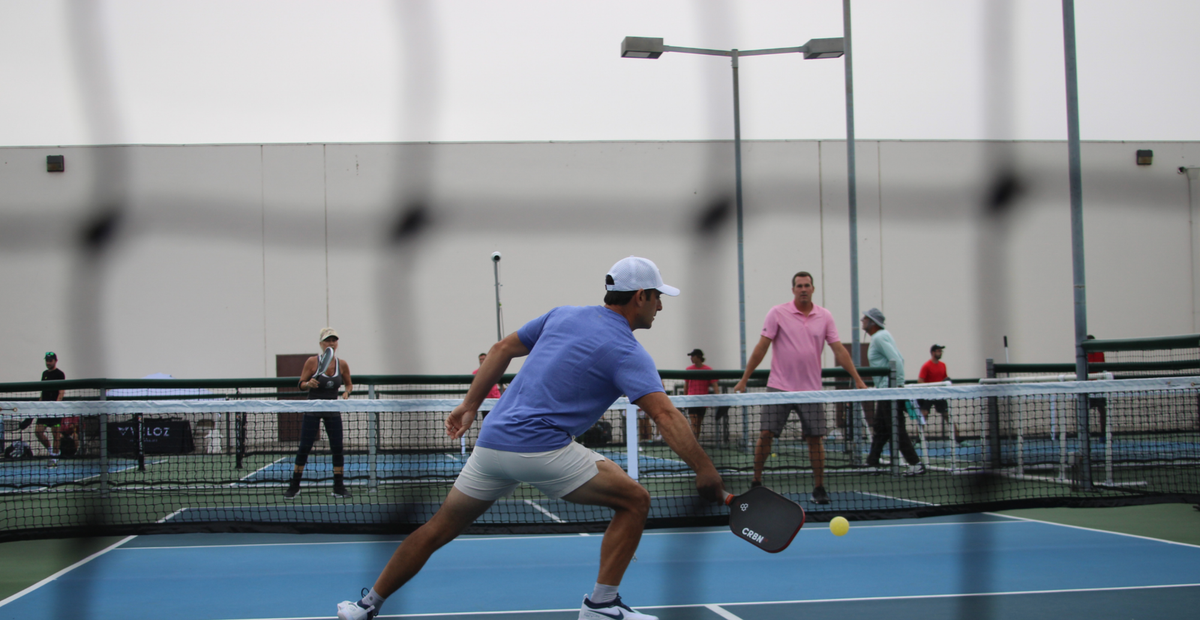
Pickleball Third Shot Drop by Skill Levels: 3.0 to 4.0 Guide
Third shot drop skill levels pickleball players need to master vary dramatically between 3.0 and 4.0 rated competitors. This guide breaks down exactly what to focus on, fix, and refine at each rating so you stop training the wrong things.
 The Dink PickleballThe Dink Media Team
What Makes the Third Shot Drop So Hard to Learn?
Most players struggle with the third shot drop because they use too much power or panic and lift their paddle at the last moment.
This shot requires a slow, deliberate swing in a situation where instinct tells you to hit harder. The ball feels like it should be driven. The kitchen feels far away.
Every part of your body wants to add pace.Resisting that impulse is the actual skill.
These three third shot drop fixes address the most common breakdown points, including the tendency to lift the paddle head right before contact.
Another common issue is hitting it from the wrong position on the court. If you are off balance or too close to the baseline line, your margin shrinks.
Setting your feet before contact, even briefly, makes a measurable difference in consistency.
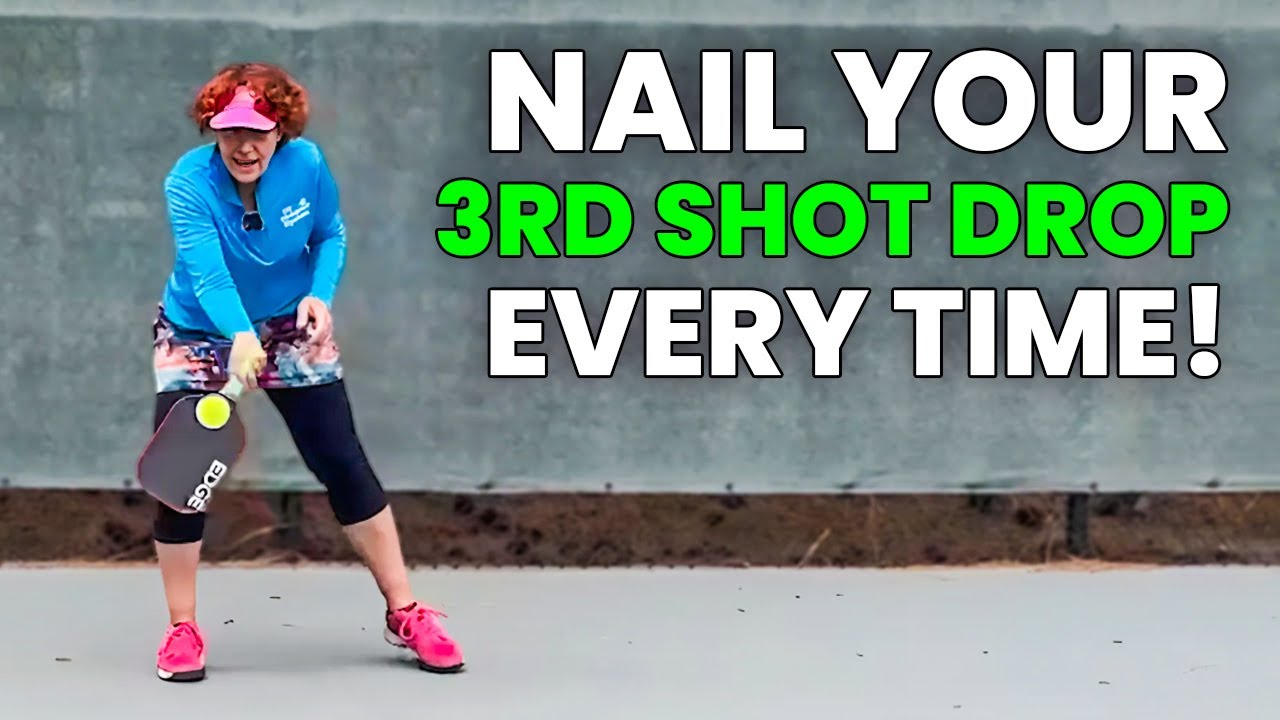
Master the Third Shot Drop: 3 Keys to Consistency
The third shot drop is one of pickleball’s most misunderstood shots. Here are three fundamental mechanics that separate consistent players from those who struggle.
 The Dink PickleballThe Dink Media Team
When Should You Use the Third Shot Drop Versus the Drive?
Use the third shot drop as your default in doubles when your opponents are at the kitchen line and you need to close the distance safely.
The drive becomes a better choice when you get a short return that sits up and you can make contact at a higher point.
If your return is low or deep, the drop is almost always the smarter play.In singles, the calculus shifts slightly.
If your opponent is aggressive and coming forward, Sock points out that the drop is still valuable because it forces them to deal with a low ball instead of a high one they can attack.The three zone system for deciding between a drop and drive is a clean framework that helps you make this call automatically.
The goal is never to drop for the sake of dropping.
The goal is to stop your opponents from having an easy put-away and to give yourself a path to the kitchen line.
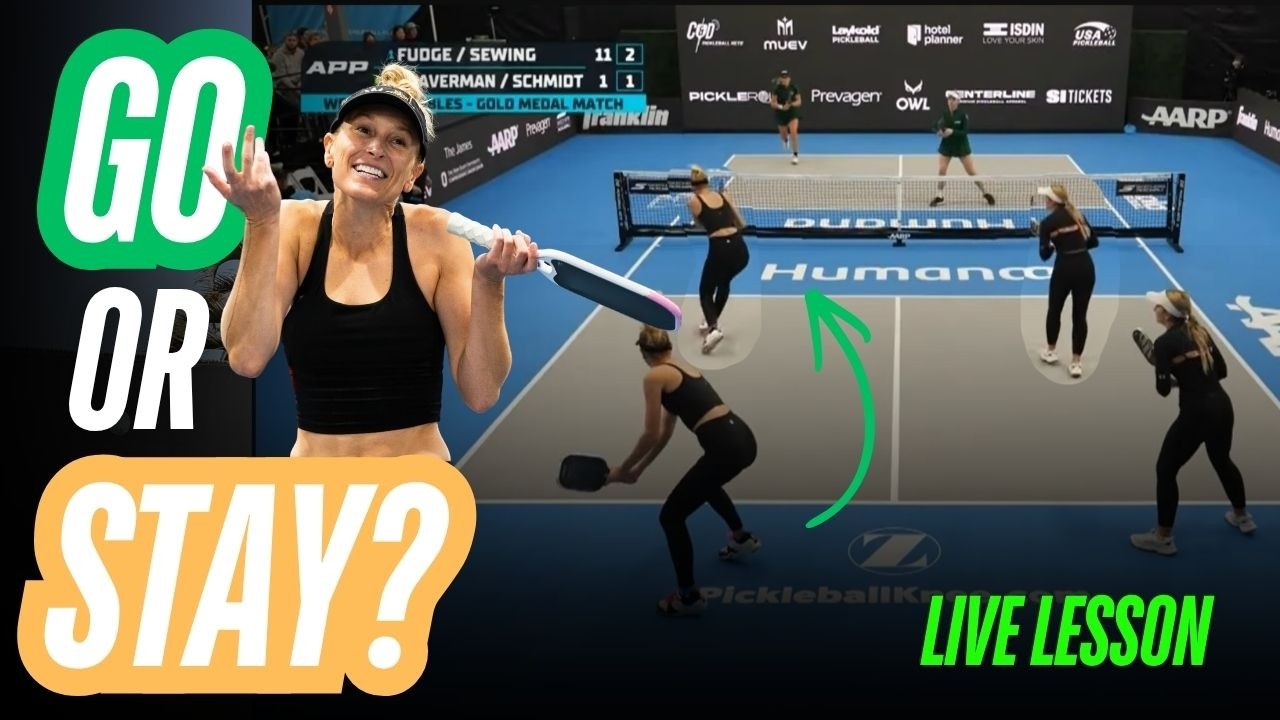
Master the Third Shot Decision in Pickleball
The third shot decision is one of the most misunderstood moments in pickleball, but mastering it can transform your game. Here’s when to rush the kitchen, when to stay back, and how communication changes everything.
 The Dink PickleballThe Dink Media Team
Building the Feel Over Time
Feel is the word Sock keeps coming back to, and that is intentional. The third shot drop is a touch shot, not a technique shot.
You can understand every mechanical detail of the scoop or the topspin drop and still miss it under pressure because the feel is not there yet.
That feel only comes from repetition.The best way to build it is cross-court drop drilling with a partner, hitting from the baseline into the kitchen over and over until your arm knows what the right swing weight feels like.
These drills for advanced players include structured drop practice that builds exactly that kind of muscle memory.
You can also work on your reset mechanics in parallel, since the feel for a drop and the feel for a reset share a lot of the same qualities.
The rubber band drill for mastering resets transfers directly to your drop game.Stay patient with this shot. It is one of the hardest in pickleball to master because the margin is thin and the instinct to swing harder is powerful.
But once you have it, it changes what you can do from the baseline completely.
If you want to go deeper on how the third shot drop connects to your overall baseline strategy, this breakdown of third shot strategy for doubles beginners is worth reading alongside this one.
And for a look at how the apex of your drop affects placement, this apex fix is one of the most underrated adjustments you can make.
The third shot drop is not just a shot you add to your game. It is the shot that makes everything else possible from the baseline.💡
Heads up: hundreds of thousands of pickleballers read our free newsletter.
Subscribe herefor cutting edge strategy, insider news, pro analysis, the latest product innovations and more.
Frequently Asked Questions
What is a third shot drop in pickleball?
The third shot drop is a soft shot hit from the baseline on the third shot of the rally, designed to land in the opponent's kitchen and force them to hit upward. It is the primary tool the serving team uses to advance to the kitchen line without getting attacked. When executed well, it neutralizes the positional advantage the receiving team holds at the net.
Should I use the scoop or topspin technique for the third shot drop?
Jack Sock uses both and says personal preference is what matters most. The scoop works well for players who want maximum touch and arc, while the topspin ground stroke suits players with a tennis background who prefer a more familiar swing path. Pick one, practice it consistently, and build your feel from there.
Why does my third shot drop keep floating too high?
The most common cause is too much swing speed or lifting the paddle head before contact. Slow your swing down and focus on brushing through the ball rather than pushing at it. Adding a light topspin brush can also help the ball arc downward more quickly after it peaks.
When should I drop versus drive on the third shot?
Drop when your opponents are at the kitchen line and you need to close the distance safely. Drive when you get a short, high return that lets you make contact at a favorable height. In most doubles rallies, the drop is the higher percentage play.
How do I practice the third shot drop without a partner?
You can practice the motion and swing path solo by shadow swinging and focusing on the low-to-high brushing motion. With a partner, cross-court drop drilling from the baseline into the kitchen is the most effective structured drill. Repetition under game-like conditions is the fastest way to build reliable feel for the shot.
Anuncie Aqui / Advertise Here
Sua marca para o mundo Pickleball! / Your brand for the Pickleball world!





 English (US) ·
  Portuguese (BR) ·