
 English
  Spanish
  Portuguese
  German
  Italian
  Japanese
  French
  Polish
  Russian
  Netherlands
  Hungarian
  Turkish
  Videos
  Thedink Pickleball

PPA pro Ashley Griffith can tell who will win a game within two minutes of watching. Fix these five pickleball strategy mistakes and the winner will be you.
Most players think better pickleball strategy means hitting harder, attacking sooner, and ending points faster.
The players who actually win do almost the opposite.
PPA Tour pro Ashley Griffith says she can usually tell within two minutes who is going to win a pickleball game, because the winners consistently do a few things differently.
"Most rec players are focusing on completely the wrong things," she says.Here are the five pickleball strategy mistakes she sees amateurs make every single day, and the fix for each one.
Love pickleball? Then you'll love our free newsletter. We send the latest news, tips, and highlights for free each week.
Stop Speeding Up Balls You Have No Business Attacking
Griffith's first fix is simple: stop attacking balls below the net.
"If the ball's below the net, you're attacking from a losing position," she says.The pattern shows up constantly at the rec level.
After three or four dinks, players get impatient and rip a speedup at whatever ball arrives next, and a bad speedup is a gift. It feeds your opponent an easy counter.
"Better players aren't attacking more. They're attacking more on the right balls," Griffith says. Before you pull the trigger, check for these green lights:- You can make contact out in front of your body, not behind you or at your hip.
- The ball is above net height, so you can hit down instead of up.
- The dink sat up dead. Learning to attack dead dinks is the highest percentage offense in the game.
Tighten this filter and your unforced errors drop immediately. Impulse control is a skill, and the best players stay calm until they get the right ball.
This single adjustment is one of the four key strategies to winning that separates rec players from advancing competitors.
Why Do You Keep Losing Hands Battles?
According to Griffith, players who lose hands battles usually misdiagnose the problem: "Your hands are probably not slow. You're probably late at the kitchen."
A hands battle is the rapid volley exchange that breaks out at the kitchen line after a speedup, where both teams trade shots until someone misses or resets.
Winning them is less about reflexes and more about where your paddle starts.
"Compact, short movements win and big swings lose," Griffith says. She keeps her paddle out in front of her chest, elbows relaxed, backswing as short as possible.Many rec players drop the paddle low after each shot, and by the time they react, the next ball is already on them.
The higher the level, the less reaction time you get, so a low paddle means you start every exchange behind.
Think of your paddle like a goalie's glove. It does you no good at your knees when the shot is coming at your shoulder.
One tiny adjustment, keeping the paddle in front of your chest instead of letting it drift, will make your hands feel instantly faster.
Then build on it with a hand speed drill, or the wall drills Yahoo Sports recommends for faster hands. No partner required.
💡
Need some new pickleball gear? Get 20% off select paddles, shoes, and more with code THEDINK at
Midwest Racquet SportsBacking Off the Kitchen Line Kills Your Pickleball Strategy
"The kitchen line is where we win games," Griffith says, and stepping off it under pressure is one of the most common pickleball strategy leaks at every rec level.
When you retreat, three bad things happen at once. You give away angles, you open up the court, and you make your own resets harder to hit.
The usual trigger is panic. A speedup comes in, and players immediately start drifting backwards.
Griffith's advice: stay calm and hold your ground, because solid kitchen positioning gives you a far better chance of neutralizing the point than a slow retreat ever will.
There are moments when backing up is correct.
It just cannot be your default, and if you do get pushed off the line, you need a plan to recover after being pushed back from the kitchen.
This is where a player like Tyra Black separates herself.
Watch her absorb a full speedup barrage and you will see her feet hold the line while the paddle does all the work, which is exactly the skill Griffith wants you to copy.Understanding how pro pickleball players manage pressure at the kitchen line gives rec players a clear blueprint to follow.
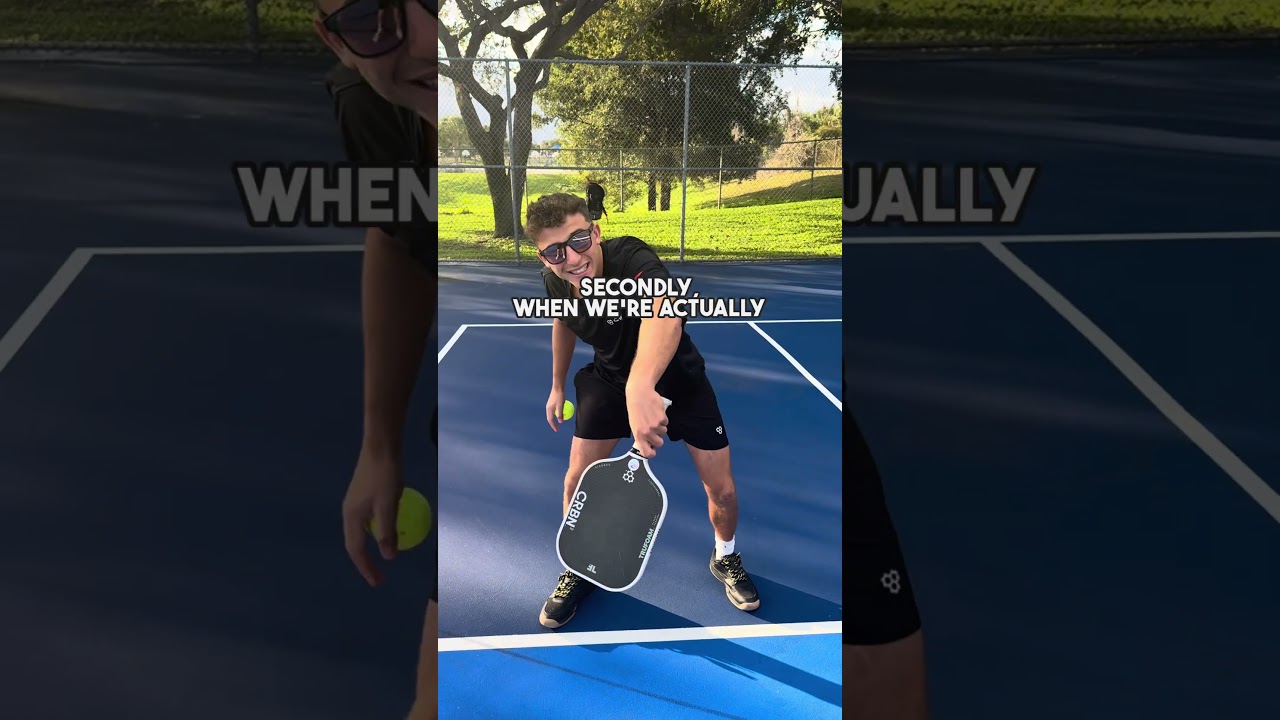
The Critical Kitchen Line Skill Most Rec Pickleball Players Are Missing
By attacking the ball in the air, you’re stealing time from your opponents and shifting the dynamic of the rally in your favor
 The Dink PickleballThe Dink Media Team
Is Attacking the Middle Really Better Pickleball Strategy?
Yes, and Griffith calls it the easiest way to force errors: "The middle causes so many errors."
Players love the down the line winner because it looks cooler.
The middle ball is the smarter pickleball strategy and the higher percentage play, because it attacks your opponents' communication instead of their athleticism.
Every middle ball forces a split second decision about who covers it, and even half a second of hesitation at the kitchen can swing the point.
The net is also two inches lower in the middle, so the same attack clears more often.
Pair this with mastering the essential pickleball shots in your arsenal and your offensive game becomes genuinely difficult to defend.
You do not need a clean winner.
Sometimes pressure alone creates the error, which is why pro pickleball players keep feeding opponents uncomfortable balls instead of hunting perfect shots.
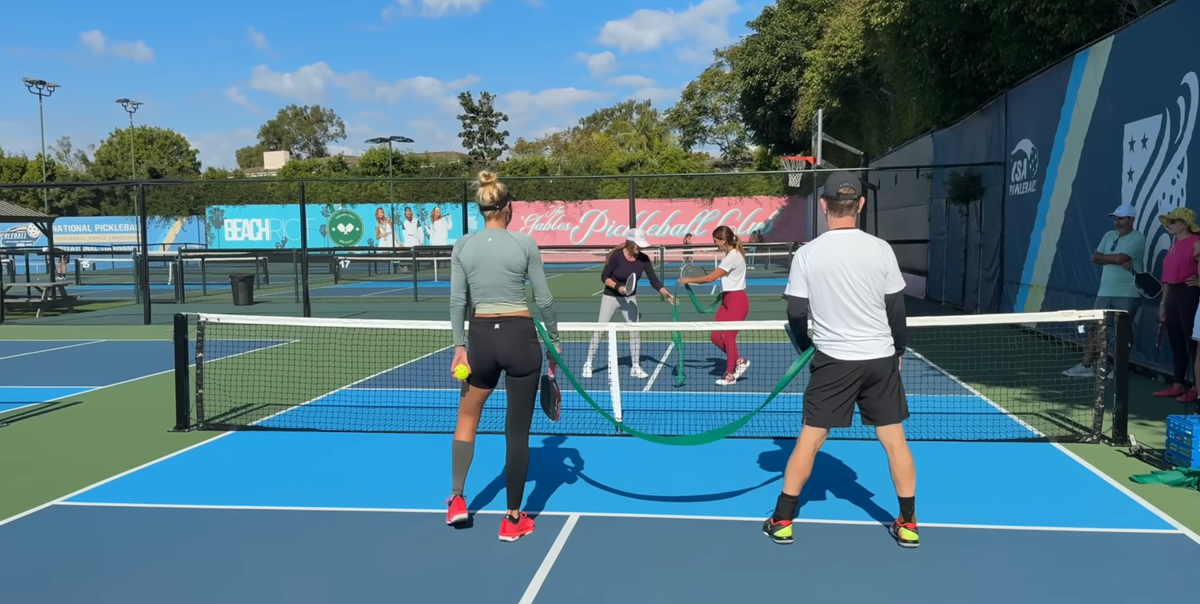
Middle Court Control: Want the Ball, Hunt the Ball
The middle is the most valuable real estate on the court, and controlling it isn’t all about power — it’s about awareness, positioning, and the willingness to hunt.
 The Dink PickleballThe Dink Media Team
Make Them Hit One More Ball
Griffith's last point is the biggest separator between advanced players and everyone else: "Most pickleball points are actually lost, not won."
Watch a pro point and you will see 10 or 20 dinks if that is what it takes.
The higher the level, the more matches are decided by who stays disciplined longer under pressure.This is exactly what Ben Johns does so well. His longtime partner Anna Leigh Waters told Yahoo Sports that his edge is pickleball IQ: "He knows when to speed it up, he knows when to dink it."
If you can reset one more ball, dink one more ball, or just stay in the point one more ball, you become dramatically harder to beat.
"Solid players are the hardest to beat because they make you beat them," Griffith says.It also explains why top players look so calm. They are not forcing the point, they are trusting the process of building it.
Patience is the most underrated pickleball strategy, and you can build it deliberately with advanced dinking patterns and the other strategies that beat 99% of players.
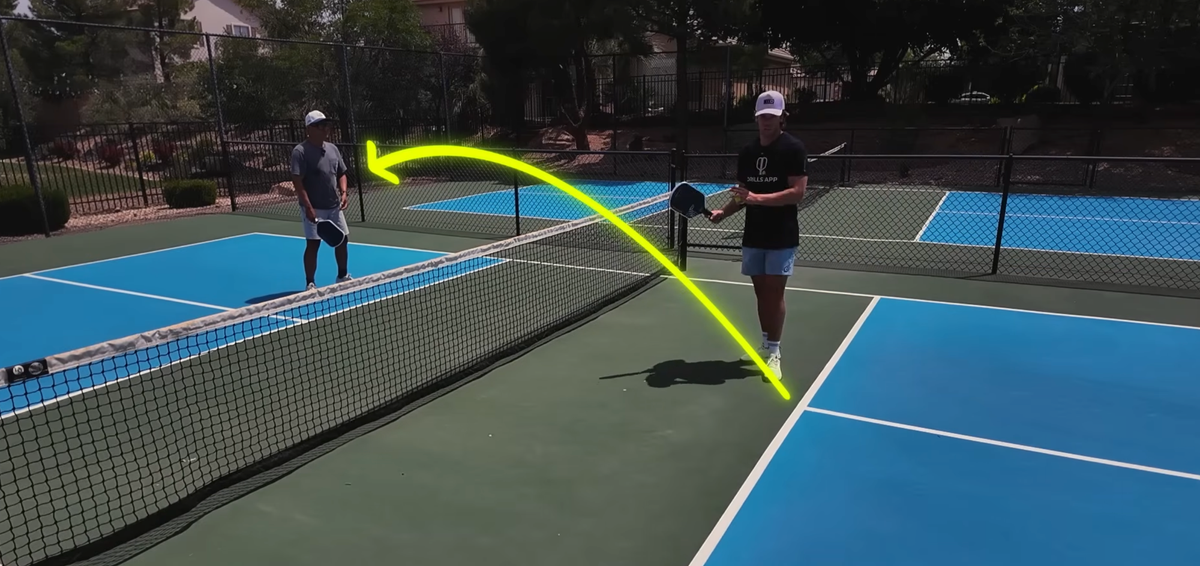
10 Pickleball Strategies That Beat 99% of Players
Coach Austin Hardy breaks down the 10 pickleball strategies that separate elite players from the rest. These tactics focus on serve depth, dinking consistency, and smart court positioning rather than raw power.
 The Dink PickleballThe Dink Media Team
Your 5-Point Pickleball Strategy Checklist
Here is Griffith's whole system, condensed into a pickleball strategy checklist you can run before your next game:
- Attack the right balls. Above the net, out in front, or not at all.
- Get your paddle up early. In front of your chest, compact swings, short backswing.
- Hold the kitchen line. Absorb pressure instead of drifting backwards.
- Attack the middle more. Lower net, forced decisions, free errors.
- Make them hit one more ball. Consistency is pressure.
None of these require more athleticism. They require better decisions, which is why the same pickleball strategy works at 3.0 and at the pro level.
Want more structure? The 5 pickleball shots you must master pair perfectly with this checklist as a training roadmap.
💡
Heads up: hundreds of thousands of pickleballers read our free newsletter.
Subscribe herefor cutting edge strategy, insider news, pro analysis, the latest product innovations and more.
Frequently Asked Questions
When Should You Speed Up the Ball in Pickleball?
Speed up when you can contact the ball above net height and out in front of your body, ideally off a dead dink that sat up. If the ball is below the net, you are attacking from a losing position and feeding your opponent an easy counter.
How Do I Get Faster Hands in Pickleball?
Start your paddle in front of your chest with relaxed elbows and cut your backswing down. Most players are not slow, they are late, because the paddle drops after every shot. Wall drills build the compact, repeatable motion that wins hands battles.
What Is the Best Pickleball Strategy for Doubles?
The highest percentage pickleball strategy in doubles is controlling the kitchen line, attacking the middle, and staying patient until you get a ball above the net. Points at the rec level are mostly lost on impatient errors, so the team that makes the opponent hit one more ball usually wins.
Why Do I Keep Getting Pushed Off the Kitchen Line?
Usually because you panic after a speedup and start drifting backwards, which gives away angles and makes your resets harder. Hold your ground, keep the paddle up, and only retreat when the ball genuinely forces you back.
Is Aiming for the Middle a Good Pickleball Strategy?
The middle is the higher percentage target in any doubles game. The net is two inches lower there, and the ball forces your opponents to decide who takes it, which creates hesitation and errors. Save the down the line attack for when you have a clearly dead ball.
Anuncie Aqui / Advertise Here
Sua marca para o mundo Pickleball! / Your brand for the Pickleball world!





 English (US) ·
  Portuguese (BR) ·