
 English
  Spanish
  Portuguese
  German
  Italian
  Japanese
  French
  Polish
  Russian
  Netherlands
  Hungarian
  Turkish
  Videos
  Thedink Pickleball

Most 3.0 pickleball mistakes happen in the first five shots of every rally. Fix these five specific problems and you will win more matches at your next tournament.
If you are stuck at the 3.0 level and wondering why your tournament results are not improving, the answer is almost always hiding in the first five shots of each rally.
These are not random errors. They are patterns that show up point after point, match after match, and once you see them clearly, you can start fixing them fast.
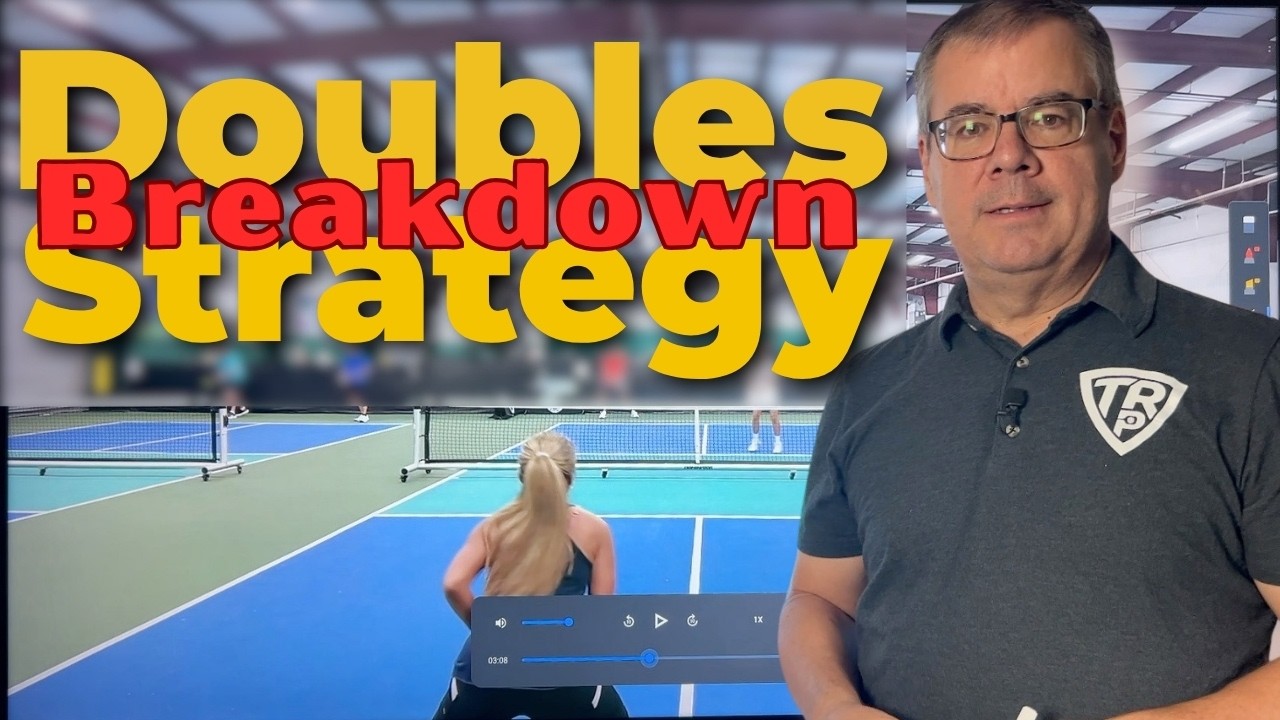
This breakdown comes from a gold medal 3.0 tournament match filmed in Arizona, analyzed shot by shot by Briones Pickleball Breakdown on YouTube.
Every mistake covered here is something you have almost certainly done yourself on the court.
Love pickleball? Then you'll love our free newsletter. We send the latest news, tips, and highlights for free each week.
Why the First Five Shots Decide Everything at 3.0
In this gold medal match, nearly every single rally ended before reaching shot five or six. That is not unusual at the 3.0 level.
It is actually the defining characteristic of it.
The players here were not losing because of bad dinking or poor hands battles at the kitchen.
They were losing because of serve errors, return errors, and transition breakdowns that ended points before they ever developed.
If you want to reach 4.0, you need to master these five areas first. Everything else comes after.
Mistake 1: Driving the Third and Walking In
This is the single most common 3.0 pickleball mistake in the entire match.
A player hits a solid drive off their third shot, then immediately takes one or two steps toward the kitchen without stopping to prepare for the fifth.
Here is what happens next.
The opponent at the net, who is already set and balanced, picks off the drive and fires it back into the feet of the player who is still moving in.
Because they are mid-stride, they have almost no chance of handling that ball cleanly.
The 3.0 Pickleball Mistake That Costs You the Fifth Shot
The fix is straightforward. Drive and stabilize.
After you hit your third shot drive from behind the baseline, set your feet immediately. Do not take those casual steps in.
Wait, read the response from your opponents, and then decide whether to attack or reset on your fifth shot.
This is especially important when you are driving from behind the baseline and your opponents are already locked in at the kitchen line.
Check out more on drive techniques that force easy pop-ups to understand what the net player is looking for when you step in too early.
💡
Need some new pickleball gear? Get 20% off select paddles, shoes, and more with code THEDINK at
Midwest Racquet SportsMistake 2: Not Split Stepping in Transition
The split step is the most neglected skill at the 3.0 level, and it costs players points on almost every transition rally.
Skipping it is one of the quietest 3.0 pickleball mistakes because it rarely feels like the reason you lost the point.
What you see repeatedly in this match is players getting to the right area of the court but arriving with their weight moving forward, one foot slightly ahead of the other, completely off balance.
When the ball comes back quickly, they have to reach and compensate instead of just moving cleanly to the ball.
The split step is a small hop that lands you with both feet wide and weight balanced right at the moment your opponent makes contact.
It does not need to be dramatic. It just needs to happen at the right time.
Watch specifically for this on your fifth shot. Whether you hit the third or your partner did, you need to split step as the opponent strikes the ball.
If your left foot is ahead of your right or your weight is still shifting forward, you are already too late.Understanding why most pickleball mistakes come from the transition zone will help you see why this one habit makes such a dramatic difference.
The 3.0 Pickleball Mistake Hiding in Third Shot Assessment
One moment from this match stands out as a teaching example. A player hits a soft third that lands a little high.
The opponent at the kitchen line pushes it deep, back toward the baseline.
The third shot player takes one step in and gets completely caught by a ball that lands two or three feet from the baseline.
Third shot assessment means reading your own shot in real time and deciding immediately whether to advance or hold.
If your third landed too high and your opponents are volleying it back aggressively, hold your position.
Do not walk into the danger zone, which is that last three or four feet inside the baseline where every ball at your feet becomes a crisis.
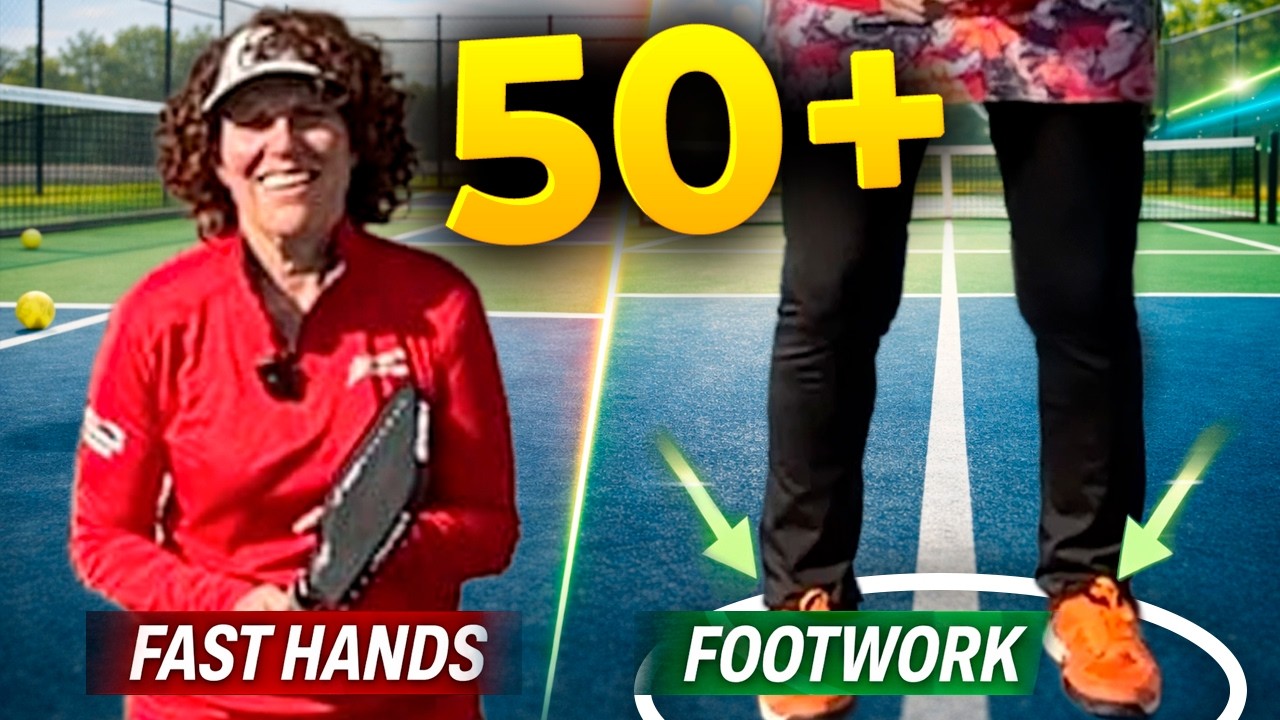
One more shot. One more reset. That patience keeps you out of trouble and gives you a better fifth shot opportunity.Split Step Pickleball: Footwork Tips for Seniors
By mastering this simple footwork move, you’ll stop your forward momentum and give your brain the split second it needs to read your opponent’s paddle.
 The Dink PickleballThe Dink Media Team
What About Third Shot Assessment?
One moment from this match stands out as a teaching example. A player hits a soft third that lands a little high.
The opponent at the kitchen line pushes it deep, back toward the baseline.
The third shot player takes one step in and gets completely caught by a ball that lands two or three feet from the baseline.
Third shot assessment means reading your own shot in real time and deciding immediately whether to advance or hold.
If your third landed too high and your opponents are volleying it back aggressively, hold your position.
Do not walk into the danger zone, which is that last three or four feet inside the baseline where every ball at your feet becomes a crisis.
One more shot. One more reset. That patience keeps you out of trouble and gives you a better fifth shot opportunity.
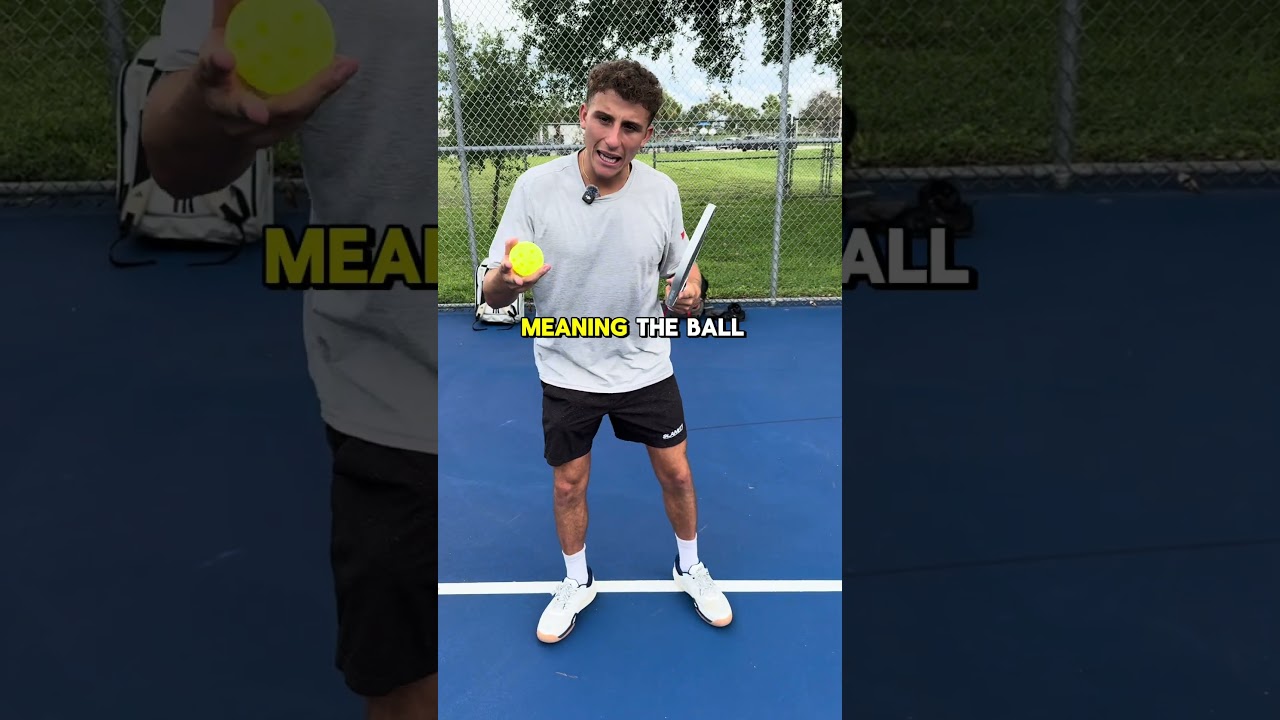
Demystifying the Third Shot Drop: 3 Simple Tips from a Pro
A pro pickleball player reveals the three most common mistakes that are sabotaging your third shot drop. Here’s what you need to fix to improve consistency and control.
 The Dink PickleballThe Dink Media Team
Mistake 3: Reaching on Volleys at the Kitchen
In one rally, a player at the kitchen line sees a cross-court drop coming toward his partner who is transitioning in.
He decides to poach it and cuts across to intercept the ball. The problem is he does not actually move to the ball.
He reaches for it instead.
Reaching on a volley almost always produces a popup.
Your paddle angle is compromised, your body weight has no stable base, and you end up floating the ball high enough for the opponent to attack.
There is nothing wrong with poaching. It is actually a great weapon when done correctly.
But you have to commit early and move your feet so that the ball comes to you rather than you swinging out to find it.
If you are going to take your partner's ball, here are the requirements:
- Move early, before the ball crosses the net
- Get your body centered to the ball, not extended sideways
- Keep your swing compact and punch forward through the contact point
- If you cannot get fully positioned, leave the ball for your partner
Knowing when poaching is appropriate in pickleball and when it is just selfish will sharpen your decision-making at the net before you reach for another ball you should have left alone.
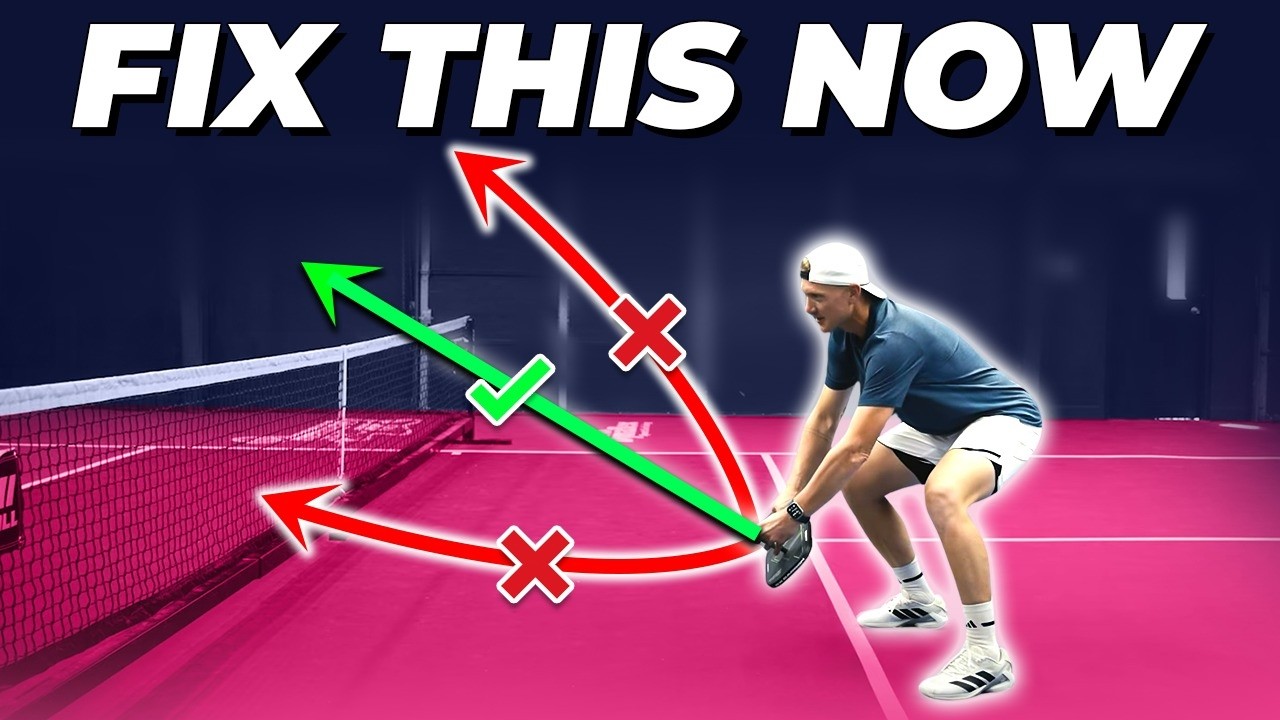
Understand Pickleball Volley Control: Physics & Technique
Pickleball volley control isn’t about luck or natural talent—it’s about understanding two fundamental principles: paddle angle and energy.
 The Dink PickleballThe Dink Media Team
Mistake 4: Overhitting Attackable Balls
Multiple times in this match, a player gets a ball popped up to them at the kitchen and tries to end the point immediately at full power.
The result is the ball flying out or into the net.
This is one of the most predictable patterns below 4.0.
You get a ball that you can absolutely attack, your brain signals "put it away," and you swing so hard that your paddle angle opens up or flattens too much.
The ball goes long.
The fix is not to be passive. You should still attack that ball. But attack it at 70 to 80 percent, aimed at the open court or the opponent's feet.
You do not need 100 percent power to win the point. You just need the ball to go in.
Here is a useful mental checklist for attacking high balls:
- Identify where the open court is before you swing
- Keep your swing compact, not a full wind-up
- Control your paddle face through contact, do not flip it at the last second
- Aim just inside the sideline or straight at the opponent's hip
- Hit with intent, not with panic
If you want to understand why your shots keep going out of bounds, the answer is almost always paddle angle and swing speed combined.
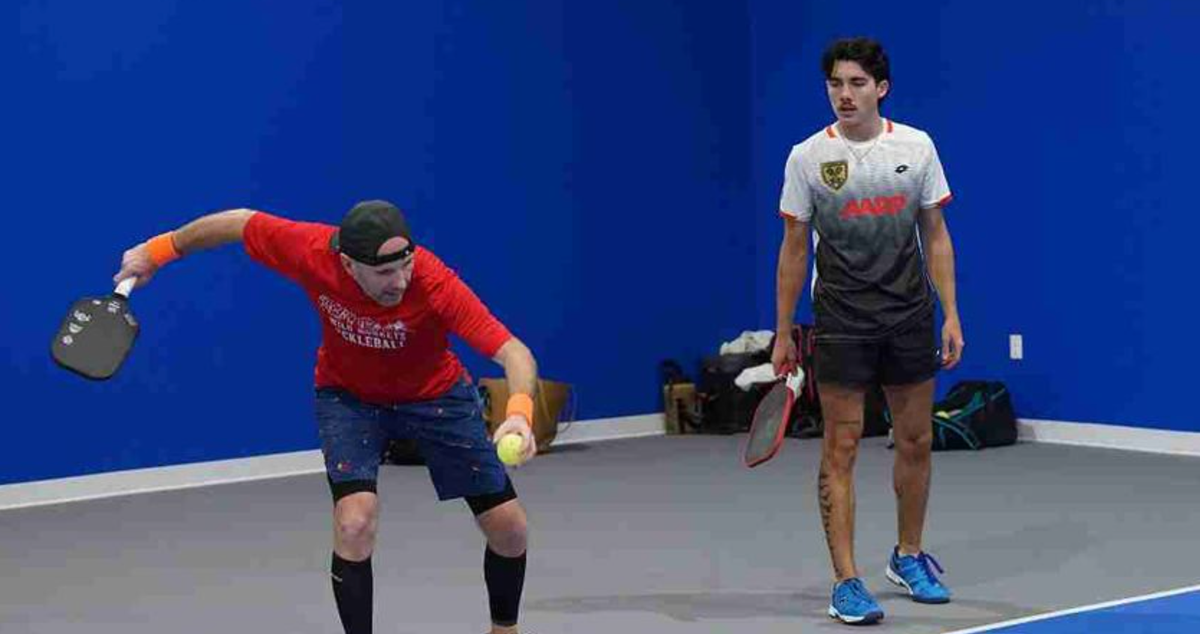
How to Stop Overhitting in Pickleball: Control Tips
If you keep sailing balls long or smashing easy put-aways into the fence, you need a real plan for how to stop overhitting pickleball. Here’s the control-first approach that fixes the habit for good.
 The Dink PickleballThe Dink Media Team
Mistake 5: Swiping at Fast Balls Instead of Punching
One of the clearest moments in this match shows a player getting a hard counter fired right at them.
Their paddle gets to the ball. But instead of punching forward through it, they take a big swipe or slice across the ball.
The result is a wild miss that sprays wide.
This is what happens when you react with your whole arm to a fast ball. The motion becomes too large, too lateral, and too imprecise to consistently find the center of the paddle.
Compact forward punch. That is the answer. When pace is coming at you, your instinct says big motion. The right answer is small motion.
Push the paddle forward through the ball, keep your elbow close to your body, and let the pace of the incoming ball do most of the work for you.
Practice staying calm when the ball is sped up at you. The players who handle fast exchanges well at the 4.0 level are not faster. They are calmer.
They have trained themselves to trust a short, controlled punch instead of reacting with a flailing swipe.
Building fast hands in pickleball starts with training this exact response pattern so that small and forward becomes your automatic reaction to pace.
Master the Backhand Punch Volley in Pickleball
The backhand punch volley is one of the most underrated shots in pickleball, but when executed correctly, it becomes a devastating attacking weapon at the kitchen line. Cori Elliott breaks down the exact mechanics and adjustments that turn defensive resets into offensive pressure.
 The Dink PickleballThe Dink Media Team
How These Five Mistakes Connect
Notice that these five mistakes are not isolated.
They are all symptoms of the same core problem: not being in a stable, ready position at the moment of contact.
When you drive and keep moving in without stopping, you are not ready. When you skip your split step, you are not ready.
When you reach for a volley, you are not ready.
When you panic at a high ball or a hard counter, your body is not in a controlled state.
The path from 3.0 to 4.0 is basically a path from reactive and off-balance to controlled and deliberate.
These four shots can also help you close that gap faster once you have the five mistakes above cleaned up.
Also worth noting: basic pickleball strategy matters less than execution at this level.
You can have the right idea and still lose the point because your feet are wrong or your swing is too big. Fix the physical habits first.
5 Pickleball Mistakes Beginners Make (And How to Fix Them)
After coaching thousands of beginners, the same pickleball mistakes show up again and again. Here are the five that cost you the most, and how to fix each one today.
 The Dink PickleballThe Dink Media Team
One More Thing: The Return Sets Everything Up
Throughout this match, the players who returned deep and high gave themselves time to get to the kitchen line before their opponents hit their third.
The players who returned short basically gave their opponents a free attack.
A high, deep return that lands near the baseline forces your opponent to hit their third from a disadvantaged position.
It also gives you time to advance and get established before they can attack. That is not a small thing.
It changes the entire structure of the rally in your favor before the third shot even happens.
Getting your return to create offense is one of the fastest ways to change your win rate at the 3.0 level without changing anything about your third shot at all.
Fix these five spots and the 3.0 pickleball mistakes that have been capping your game start disappearing fast.
💡
Heads up: hundreds of thousands of pickleballers read our free newsletter.
Subscribe herefor cutting edge strategy, insider news, pro analysis, the latest product innovations and more.
Frequently Asked Questions
What are the most common 3.0 pickleball mistakes in tournament play?
The five biggest mistakes at 3.0 are driving the third and continuing to walk in without stopping, skipping the split step in transition, reaching on volleys instead of moving to the ball, overhitting attackable shots, and swiping at fast counters instead of punching forward. These mistakes nearly always end rallies within the first five shots.
What is a split step in pickleball and why does it matter?
A split step is a small hop that lands you with both feet wide and weight evenly balanced right as your opponent makes contact with the ball. It gives you a stable base to move in any direction quickly. Without it, you are still moving when the ball arrives and your shot becomes a scramble instead of a controlled response.
How do I stop hitting my third shot drive and then getting passed?
Drive and then immediately set your feet rather than continuing to walk in. If your opponents are already at the kitchen line and hitting aggressive counters, hold your position after the drive and prepare for a fifth shot reset or drop. Moving in before you know where the ball is going puts you in a vulnerable position every time.
Why do my high balls keep going out at the 3.0 level?
The most common reason is swinging too hard and losing control of your paddle angle through contact. Attack high balls at around 70 to 80 percent power with a compact swing rather than a full wind-up. Controlling your paddle face through the hit matters more than adding power.
How can I handle hard counters without panicking and swiping?
Train yourself to respond to fast balls with a small forward punch rather than a big lateral swipe. Keep your elbow close to your body and let the pace of the incoming ball provide most of the energy in the exchange. The players who win fast hands battles are not faster, they are more controlled.
Frequently Asked Questions
What are the most common 3.0 pickleball mistakes in tournament play?
The five biggest mistakes at 3.0 are driving the third and continuing to walk in, skipping the split step, reaching on volleys, overhitting attackable shots, and swiping at fast counters instead of punching. These patterns end rallies within the first five shots almost every time.
What is a split step in pickleball and why does it matter?
A split step is a small hop that lands you balanced on both feet right as your opponent makes contact. Without it you're still moving when the ball arrives, and your shot becomes a scramble instead of a controlled response.
How do I stop hitting my third shot drive and then getting passed?
Drive, then immediately set your feet instead of walking in. If your opponents are already at the kitchen line, hold your position and prepare for a fifth shot reset rather than advancing blind.
Why do my high balls keep going out at the 3.0 level?
The most common cause is swinging too hard and losing your paddle angle through contact. Attack at 70 to 80 percent power with a compact swing instead of a full wind-up.
How can I handle hard counters without panicking and swiping?
Train yourself to meet fast balls with a small forward punch, not a big lateral swipe. Keep your elbow close to your body and let the incoming pace do the work.
Anuncie Aqui / Advertise Here
Sua marca para o mundo Pickleball! / Your brand for the Pickleball world!





 English (US) ·
  Portuguese (BR) ·