
 English
  Spanish
  Portuguese
  German
  Italian
  Japanese
  French
  Polish
  Russian
  Netherlands
  Hungarian
  Turkish
  Videos
  Thedink Pickleball

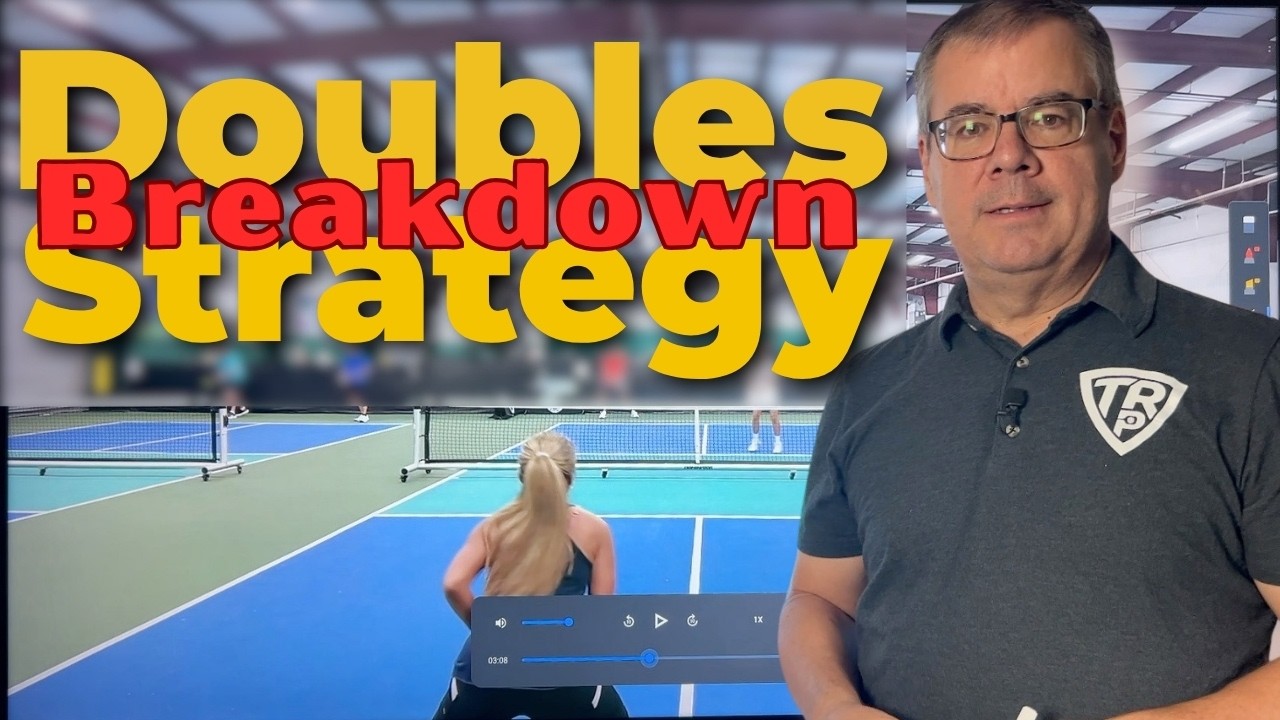
One session with a pro can expose years of bad pickleball habits. Here are the six specific fixes that came out of one third shot drop lesson that changed everything.
Your third shot drop looks fine in warmup. Then the game starts, and it clips the net, pops up, or dies in no man's land.
You know something is wrong, but you cannot figure out what.
That is exactly where Brian found himself before sitting down with a pro for one focused session. The fixes were not complicated.They were just things nobody had ever told him directly.
This breakdown pulls every key correction from that session so you can apply them to your own game right now.
The content comes from Building Pickleball on YouTube, where Brian documented the full lesson on camera.Love pickleball? Then you'll love our free newsletter. We send the latest news, tips, and highlights for free each week.
Fix 1: Stop Leaning Back When You Drop
This is the most common third shot drop mistake, and it is costing you almost every miss you cannot explain.
When you lean back on your drop, you are already taking pace off the ball.
Leaning back takes even more off, and it changes the angle of your face so the ball goes into the net or sails long.
The fix is dead simple: stay on the balls of your feet with a slight forward lean, even when you are backing up.Think of it like running. A runner never leans back to accelerate. You want that same athletic forward bias on every drop, regardless of where you are on the court.
Here are three more third shot drop fixes that cover placement in detail.
Fix 2: Drop the Paddle Head to Create More Surface Area
When players try to slow the ball down, they often keep the paddle head high and just push with a small surface. That limits your margin for error dramatically.
If you drop the paddle head lower, you expose a much larger hitting surface.
You can roll the ball over more naturally and generate the soft arc your third shot drop needs without guessing.
The pro described it simply: you go from working with a tiny window to having the whole face of the paddle available.Extending your arm out further at contact also helps.
Reaching toward the ball rather than letting it come fully to your body gives you cleaner control and a better roll angle.
This piece on the apex fix explains exactly why the arc matters as much as contact.
💡
Need some new pickleball gear? Get 20% off select paddles, shoes, and more with code THEDINK at
Midwest Racquet SportsFix 3: Commit to the Drop and Then Move
One of the clearest patterns in the session was Brian pulling himself out of the shot too early.
He would start moving toward the kitchen before the third shot drop was finished.The fix is to finish the shot on the same plane and then move.
If you are already shifting your weight forward before contact, your paddle face is shifting too, and the ball goes nowhere you intended.
Stay with it, complete it, then go.This applies to the transition zone as well. Players hesitate, second-guess whether the drop was good enough to advance on, and miss the window entirely.
These three tips on drops and resets give you a repeatable framework for making that decision faster.
Pickleball Third Shot Drop by Skill Levels: 3.0 to 4.0 Guide
Third shot drop skill levels pickleball players need to master vary dramatically between 3.0 and 4.0 rated competitors. This guide breaks down exactly what to focus on, fix, and refine at each rating so you stop training the wrong things.
 The Dink PickleballThe Dink Media Team
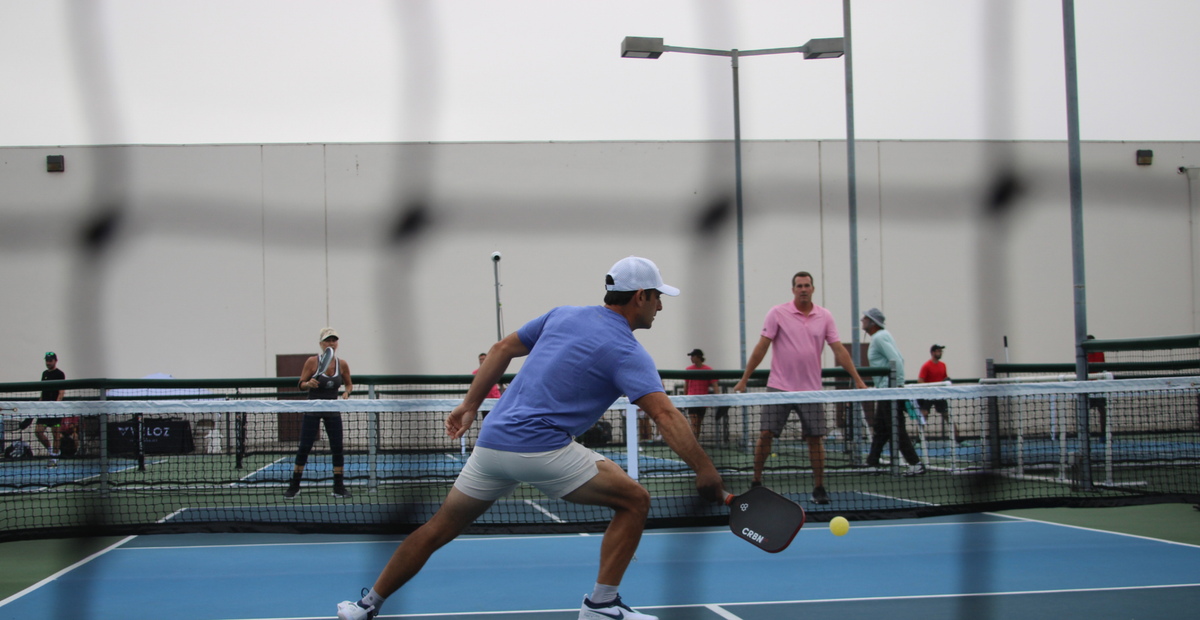
What Does "Reading Body Language" Actually Mean?
This is the transition zone concept that separates players who get stuck in no man's land from players who arrive at the kitchen on time.
The pro's specific cue: watch your opponent's head and eyes.If they are looking directly at you, they are ready to take the ball out of the air and you should not be sneaking in.
If their eyes drop to track the ball or they take a step back to address it, they are no longer watching you.
The Best Pickleball Players Aren’t Following the Rules Anymore
Modern pickleball isn’t won by coloring inside the lines. More and more, the most successful players are also the most creative.
 The Dink PickleballZoey Weil
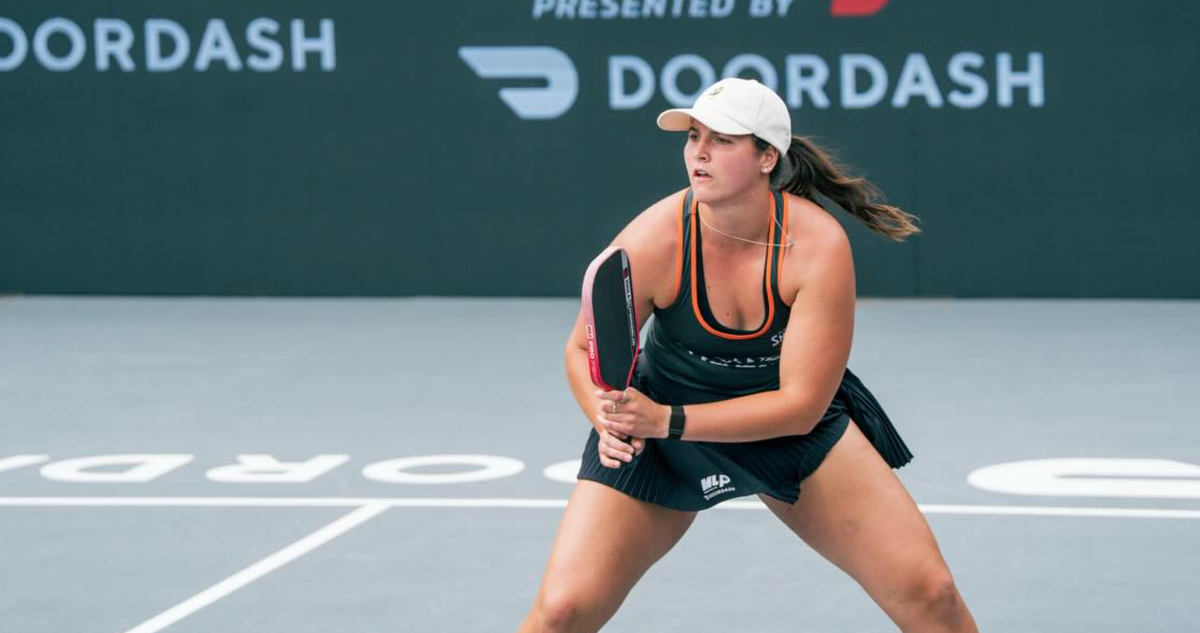
That is your window.
She described it as stalking in tall grass. You are watching for the moment your prey looks away, and then you move.It is an animalistic read, not a mechanical one.
Understanding shot selection rules like low forehand and high backhand gives you the offensive context to use that window well once you get there.
Here is a quick checklist of the body language cues to watch for:
- Opponent's eyes drop to track the ball instead of watching you
- They take a step back to set up for a groundstroke
- Their head turns away from you to follow a ball curving down
- Their paddle drops below ready position
How to Read Your Opponent’s Eyes and Poach More Balls in Doubles Pickleball
The key to winning many pickleball points isn’t just quick reflexes; it’s reading what your opponent is about to do before they do it
 The Dink PickleballThe Dink Media Team
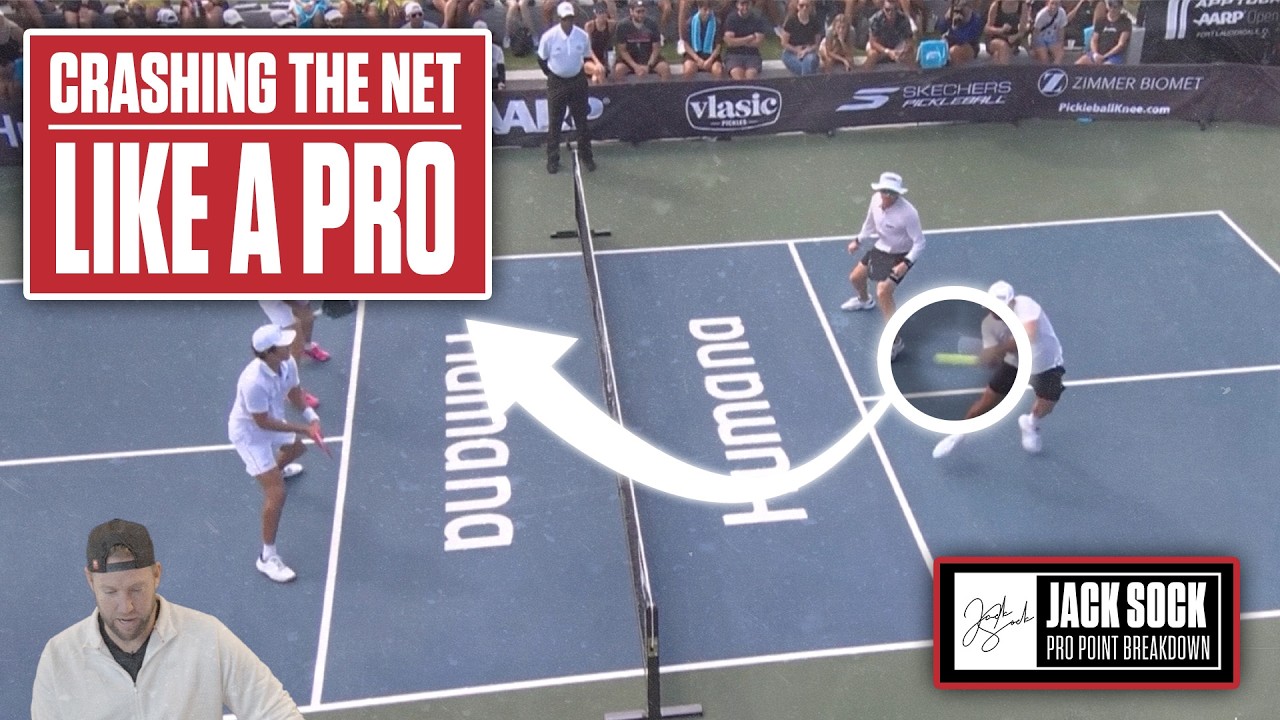
Fix 4: Attack Low When You Arrive, Not High
Getting to the kitchen means nothing if you pop the ball up when you arrive. That just hands your opponent a reset situation and puts you right back on defense.
The pro's instruction was clear: when you come in and your opponent is not watching you, the reset is the wrong call.
Attack down at their feet or angle it low cross court.
You do not need pace. You need placement that forces their eyes down and keeps you on top of the point.If you do pop one up, do not freeze. Stay ready for it to come back hard.
That is where the two-handed backhand counter becomes critical.
Parris Todd's five keys to the two-handed backhand counter break down exactly how to build that shot so it holds up under pressure.
How to Hit a Low Serve in Pickleball Without Faulting
Here’s how to hit a low serve in pickleball without breaking a single rule on contact height. Master the grip, the swing path, and the paddle angle, and your low serve becomes the shot opponents dread returning.
 The Dink PickleballThe Dink Media Team
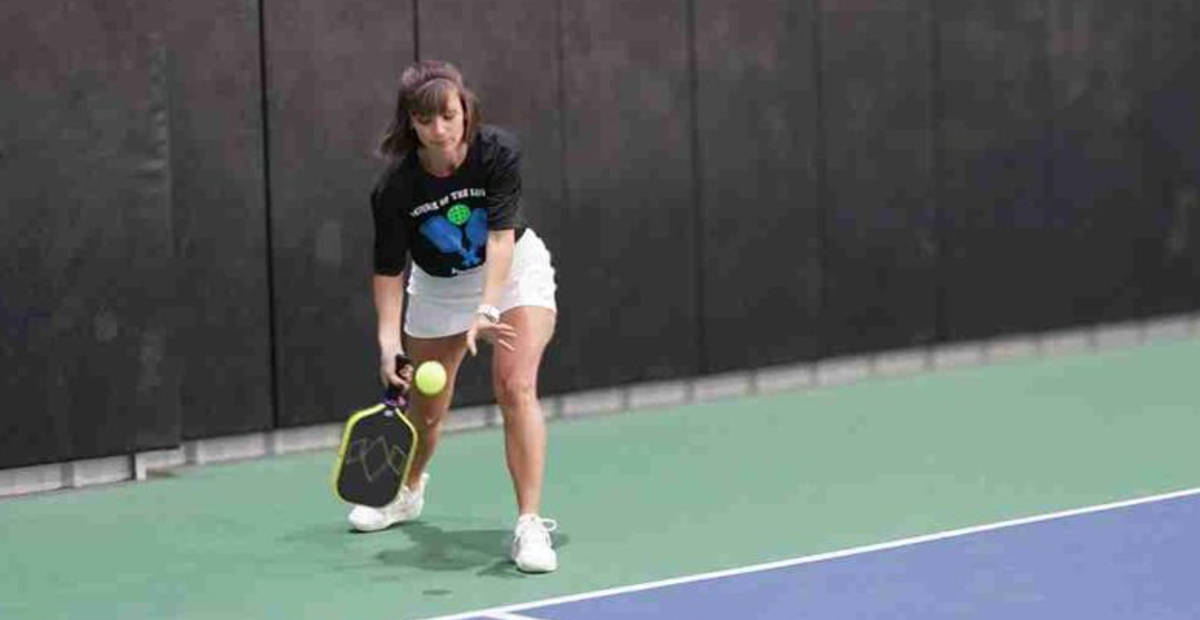
Fix 5: Slide After Your First Attack
Most players make one aggressive move at the kitchen and then stand flat-footed waiting for the response.
That is the fastest way to end up on defense after being the aggressor.
The correct habit is attack, then slide. Every first attack should be followed immediately by a lateral move to cover the most likely return angle.Here is how the direction works:
- If you attack cross court, slide back to the same side you just hit from.
- If you attack down the line, slide to the opposite side to cover the angle.
- If you prefer one side, cheat toward it, but keep moving so you are on the slide rather than standing still.
The reason this works is geometry. A cross court attack creates an angle that forces your opponent to go back cross court or hit a very difficult line.
Sliding to where the cross court lands means you are already there. This breakdown of cross court strategy explains the angle math behind it.Brian kept attacking well but ending up on one leg after contact. That single balance issue meant every second ball put him immediately on defense.
A wide, stable base after your first attack is not optional.
It is the thing that keeps you in the point.Master the First 4 Shots in Pickleball
It’s not about hitting harder, faster, or flashier. It’s about understanding the rhythm of the rally and executing the fundamentals at each stage.
 The Dink PickleballThe Dink Media Team
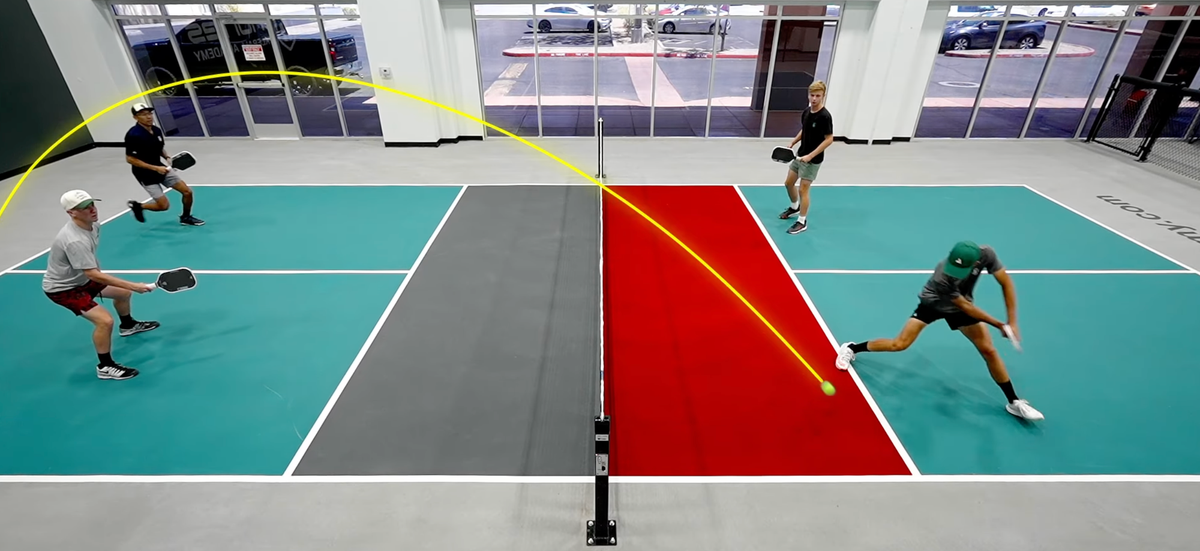
Why Do You Keep Backing Up When You're Getting Attacked?
It is instinct. You feel pressure, you want more time, so you step back to create space.
The problem is that backing up just opens a larger gap at your feet for the next ball to land.
The pro's instruction was to hold your ground. If you fall back slightly, that is fine, but recover forward immediately.The moment you give up space and stay back, your opponent can place the ball anywhere at your feet and there is nothing you can do about it.
This guide on handling shots at your feet gives you specific techniques for staying up and absorbing pace.
At higher levels, resets need to be low over the net, not high and safe.
A high reset gives your opponent time to reset their eyes on you and move back into an offensive position.Low resets force their eyes down, and that is when you sneak back in.
The 6-Second Mental Reset for Getting Past a Bad Pickleball Mistake
You miss a shot. You’re frustrated or angry. You’ve got about 6 to 8 seconds to assess what went wrong and get over it before the next point starts.
 The Dink PickleballThe Dink Media Team
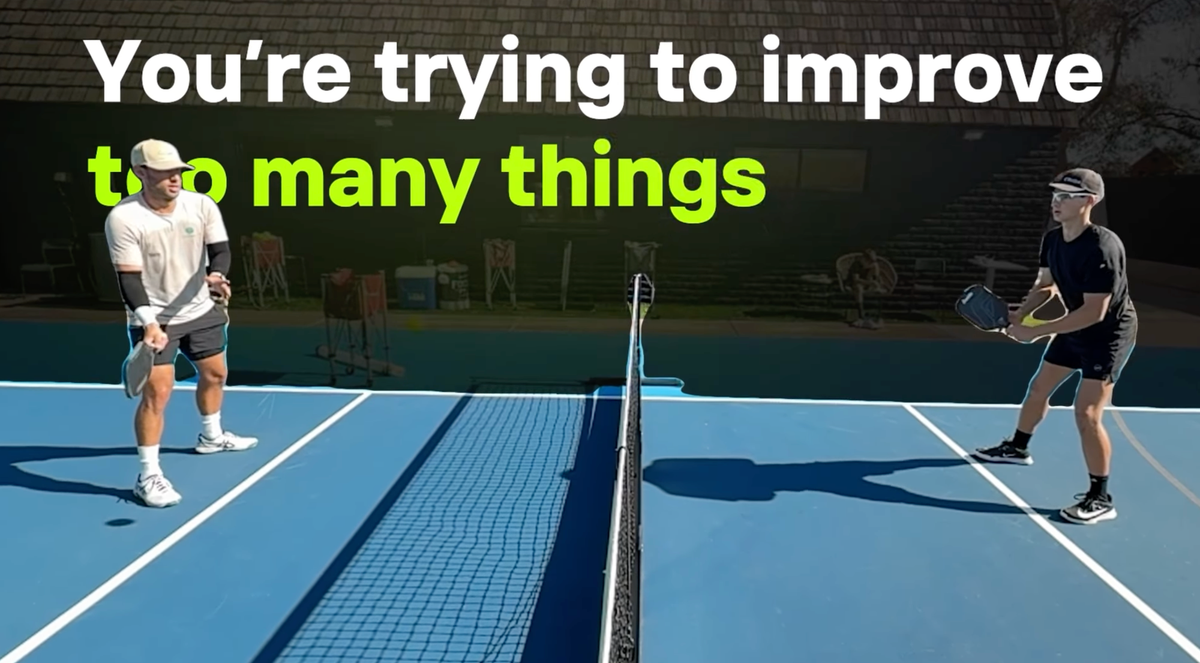
Fix 6: Add a Second Hand on the Backhand When You Are Not Set
A loose grip on the backhand side is a quiet problem.
You do not notice it until the ball comes hard and your face opens at contact, sending the ball into the net or well out of bounds.
The fix does not require you to swing two-handed every time.
The pro recommended simply placing the second hand on the paddle throat when you are not fully in a forward attacking position.
That second hand acts as a wall, keeping your face stable and giving you something to push off of when you need to propel the ball back with intent.
If you are set and forward, one hand with a clean punch is fine.
But in transition, in defense, in any situation where you are not planted, the second hand gives you control you simply cannot get otherwise.
Here are five keys to the two-handed backhand roll if you want to build that shot into a weapon rather than just a safety option.
The overarching theme of this entire session was not technique in isolation.
It was about staying aggressive in positioning at every stage of the rally, from the drop to the transition to the kitchen exchange.
Good footwork habits are what make that aggression sustainable rather than exhausting.
One lesson cannot fix everything. But one focused session that names specific habits and gives you clear corrections?
That can change months of guessing. If your resets keep popping up, that is the next thing to address after your drop mechanics are clean.
And if the transition zone is still your biggest struggle, this guide on escaping no man's land gives you the full system.
💡
Heads up: hundreds of thousands of pickleballers read our free newsletter.
Subscribe herefor cutting edge strategy, insider news, pro analysis, the latest product innovations and more.
Frequently Asked Questions
Why does my third shot drop keep going into the net?
The most common cause is leaning back at contact, which closes your paddle face and removes pace from the ball at the wrong angle. Stay on the balls of your feet with a slight forward lean and drop the paddle head lower to create more surface area for the roll.
How do I know when to advance after my third shot drop?
Watch your opponent's head and eyes. If they are looking at you, stay put. If their eyes drop to track the ball or they step back to address it, that is your cue to move.
Commit to the read and go immediately rather than hesitating.
What does "slide after your attack" mean at the kitchen?
After your first offensive shot at the kitchen, you should move laterally to cover the most likely return angle rather than standing still. If you attack cross court, slide back to the same side. If you attack down the line, shift to the opposite side to cover the cross court reply.
Should I use a two-handed backhand in pickleball?
You do not have to swing two-handed every time, but placing a second hand on the paddle throat when you are not fully set gives you stability and prevents your face from opening at contact. It is most useful in defensive situations or when you are caught in transition.
Why does holding my ground feel wrong when I am getting attacked?
Backing up feels natural because it seems like it creates more reaction time. In practice, it opens a larger target zone at your feet and puts you in a weaker position to counter. Hold your ground, keep your base wide, and if you drift back slightly, recover forward immediately before the next ball arrives.
Anuncie Aqui / Advertise Here
Sua marca para o mundo Pickleball! / Your brand for the Pickleball world!





 English (US) ·
  Portuguese (BR) ·