
 English
  Spanish
  Portuguese
  German
  Italian
  Japanese
  French
  Polish
  Russian
  Netherlands
  Hungarian
  Turkish
  Videos
  Thedink Pickleball

Your pickleball serve and return are the two most important shots in the game, yet most players make the same fixable mistakes every time. Here are six corrections that will help you stop giving away free points.
Your pickleball serve and return are the two shots you hit in every single rally, yet most players spend zero time actually working on them.
The serve is the only shot in pickleball where you have complete control. No opponent is feeding you a weird ball. No pressure.Just you, the ball, and an open court. And still, players give away points by making the same three mechanical errors every time they step to the line.
The return has its own set of problems, and the biggest one has nothing to do with technique.
These six fixes come from Mari Humberg Pickleball on YouTube, and they cover the most common serve and return mistakes she sees at every level of the game.Love pickleball? Then you'll love our free newsletter. We send the latest news, tips, and highlights for free each week.
The Three Serve Mistakes That Are Costing You Power
Most players have been told the rules about serving, and somewhere along the way they got scared.
They read that the contact point must be below the waist and started serving from their knees. That fear is killing your serve.
Fix 1: Stop Serving From Your Knees
You are allowed to make contact with the ball all the way up at your hip. That is the legal ceiling, and you should be using it.
When you serve from knee height, you are forced to swing upward at a steep angle just to clear the net.
That angle bleeds power and consistency at the same time. Think about the geometry: the net sits roughly at hip height for most adult players.If your contact point is at your knee, you are hitting from well below the net and fighting physics on every serve.Hip height contact lets you drive the ball forward with authority instead of scooping it up and hoping for the best.
If you watch players who serve with real pace and depth, they are all making contact closer to that hip-level ceiling.
Fixing your serve for power and depth starts right here, before you even think about spin or placement.
💡
Need some new pickleball gear? Get 20% off select paddles, shoes, and more with code THEDINK at
Midwest Racquet SportsFix 2: Stop Using Just Your Arm
This is the "T-Rex arm" problem. Players muscle the serve with just their arm and wonder why it floats short or lacks pace.
Here is a simple test. Put your paddle down and throw a ball underhand using only your arm, with no body rotation. Notice where it lands.
Now throw another one with full body rotation, shifting your weight from your back foot to your front foot, letting your whole torso drive the motion.
The difference in distance is dramatic.Your power comes from the ground up. Weight transfers from back foot to front foot. Your hips rotate.
Your shoulder follows. The arm is just the last link in that chain, not the engine.
Some players rotate so well through their serve that their back foot naturally lifts or transfers forward at the finish, and that is perfectly fine.
It is a sign that real weight transfer happened.If you want to see how this applies to consistency and spin, these serve and return secrets break down the mechanics in detail.
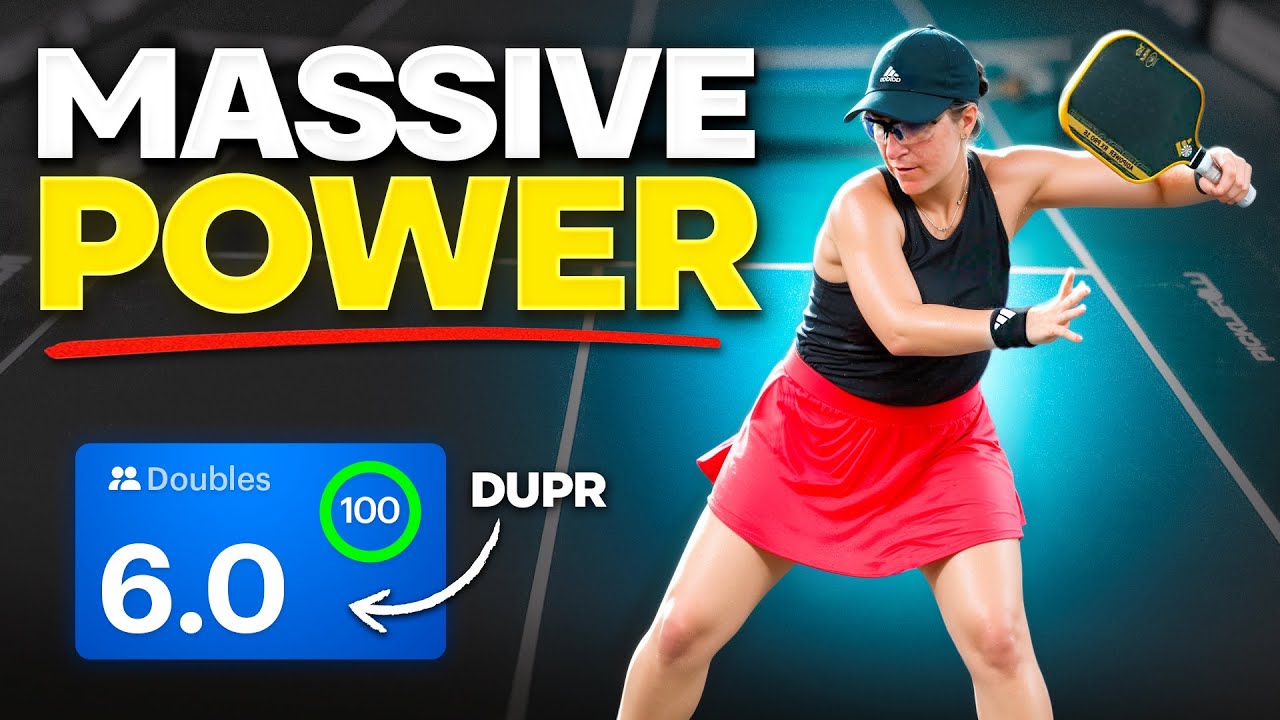
Generate Effortless Power in Pickleball Through Proper Body Rotation
The unit turn is simple in concept but transformative in practice – it means rotating your hips, shoulders, and non-dominant arm together as one unit, rather than isolating your arm for power
 The Dink PickleballThe Dink Media Team
Fix 3: Stop Tossing the Ball
The serve is the one shot in pickleball where you create your own setup.
Tossing or throwing the ball introduces variability on every single rep, which means your contact point shifts, your swing path adjusts, and your results become inconsistent.Instead, drop the ball from a fixed position in front of your body.
Find the spot where you want to make contact, hold the ball there, and release it straight down. For the drop serve, let it bounce.
For the volley serve, release and swing. Either way, your contact point becomes repeatable because your setup is repeatable.
This is not a minor adjustment. Consistent ball placement before you swing is the foundation of a reliable serve.A structured serve system can help you lock this in with a repeatable pre-serve routine.
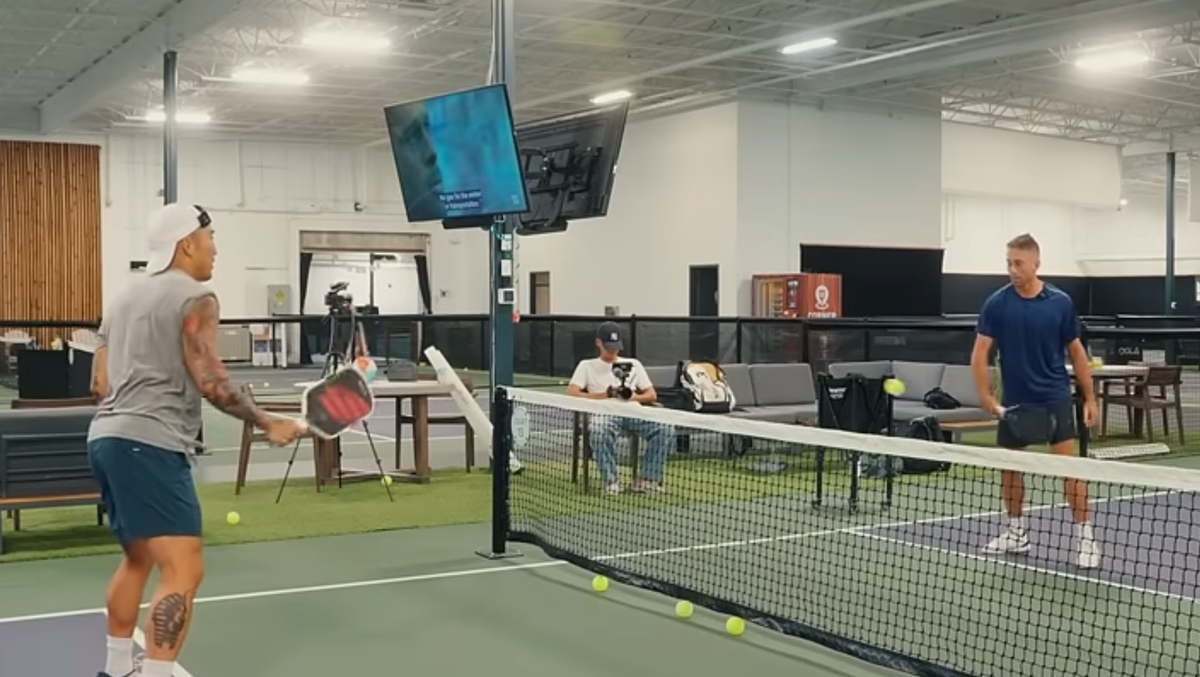
Stop Popping the Ball Up: Modern Pickleball Hand Speed and Paddle Positioning
Winning the kitchen today isn’t about swinging harder—it’s about creating space with your coil and controlling contact with smarter paddle positioning
 The Dink PickleballThe Dink Media Team
What Does a Good Pickleball Serve Actually Look Like?
Put all three pickleball serve and return fixes together and the picture becomes clear.
You are making contact at hip height, weight is moving forward through the swing, and your ball release is consistent every single time.
Your Pickleball Serve and Return Checklist: The Serve Side
- Contact point at hip level, never below mid-thigh
- Weight shifts from back foot to front foot during the swing
- Ball is dropped or released from a fixed position in front of your body
- Body rotates through the shot, not just the arm
- Follow-through is forward and upward, not across your body
The serve is one of those shots where practice in isolation actually pays off.
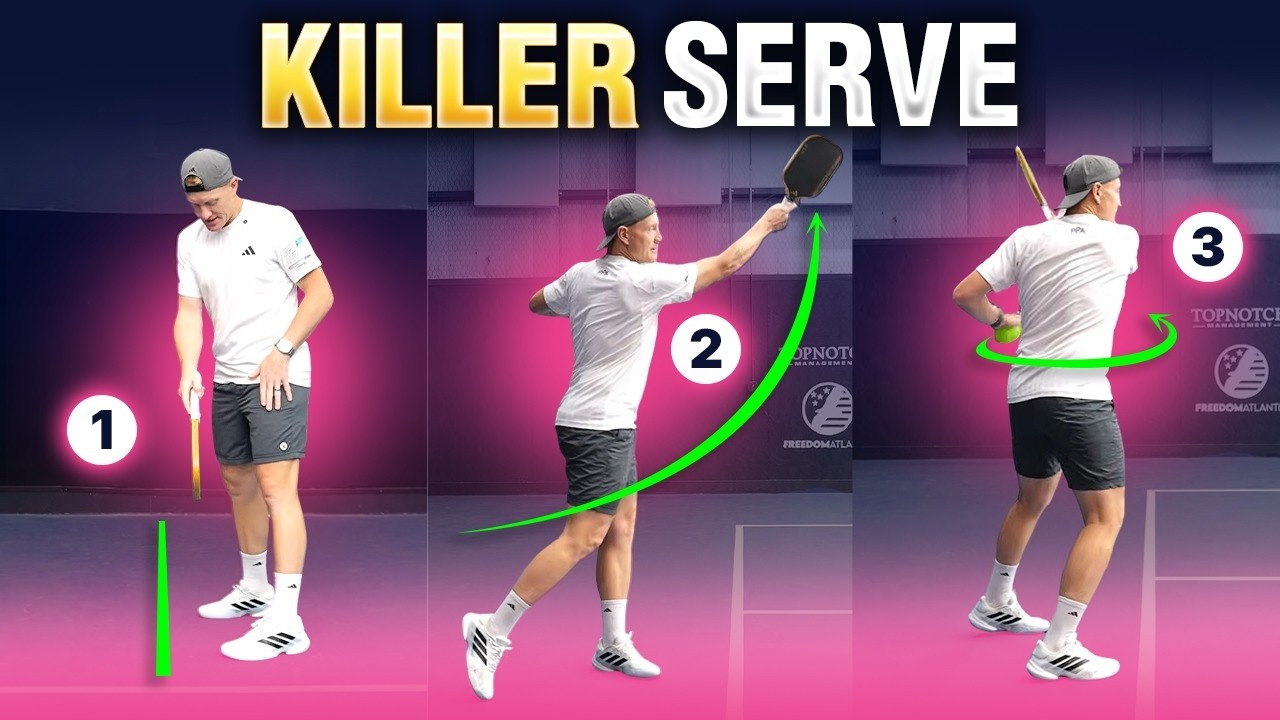
Grab a basket of balls and hit fifty serves focusing on just one of these points at a time. You will notice changes quickly.Fix Your Pickleball Serve: 5 Steps for Power and Depth
Most players lose power on their pickleball serve because they swing with their arm instead of their body. These five steps fix that by building a consistent, powerful motion from the ground up.
 The Dink PickleballThe Dink Media Team
The Three Return Mistakes That Keep You on the Defensive
Now that your pickleball serve and return work is cleaner on the serve side, your opponents are going to be putting pressure on you with their returns too.
Here is what most players get wrong when they are receiving.
Fix 4: Shrink the Swing
Big backswings feel powerful. They are not.
A huge swing on a return means more moving parts, a longer window for error, and a contact point that varies based on timing.
From your ready position, you do not need a dramatic windup to generate pace on the return. Simply turn your body and let your unit rotation do the work.
The paddle does not need to go behind your head.
It does not even need to go much past your shoulder. Turn, step, and drive through the ball with your body weight, not your arm.This applies equally on the forehand and backhand side.
Compact swings are more consistent under pressure, and pressure is exactly what a good serve creates.
Understanding shot selection based on ball height will help you decide how much swing is appropriate for each return.
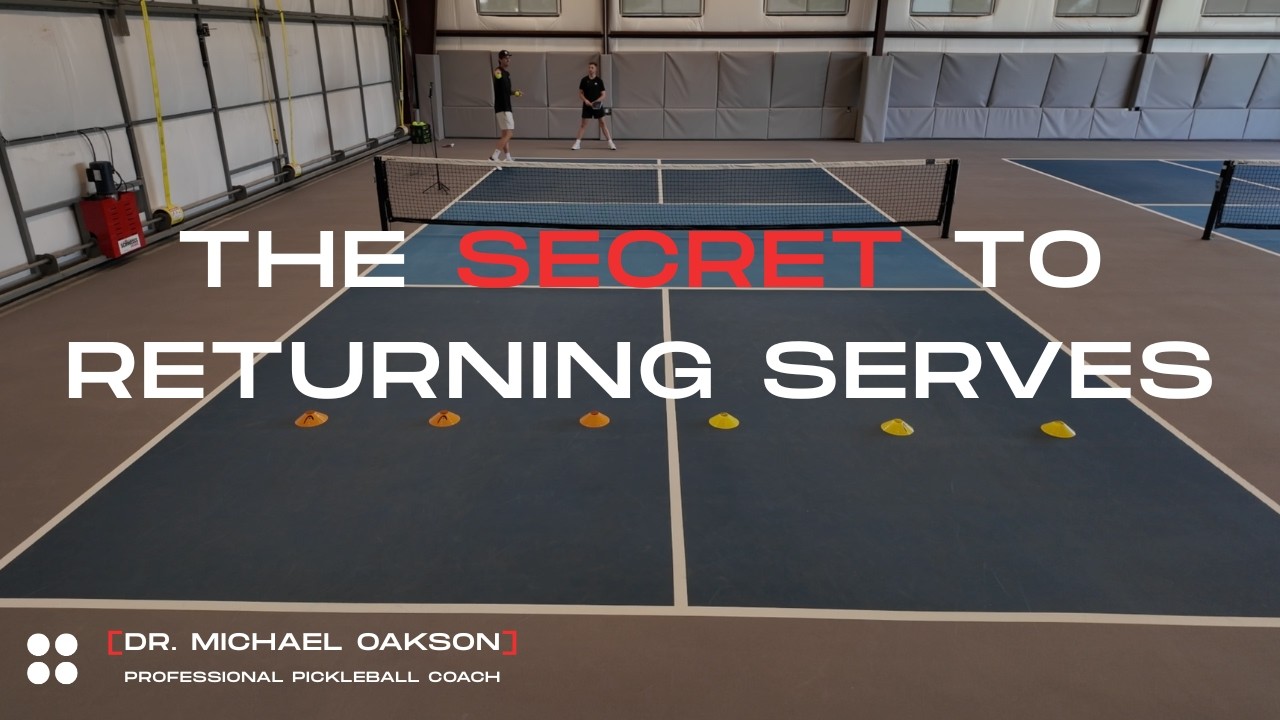
3 Pickleball Serve Return Secrets Most Players Never Learn
The pickleball serve return is the most underrated shot in the game. Master these three technique keys and your entire game changes.
 The Dink PickleballThe Dink Media Team
Fix 5: Back Up Before You Return
Standing right behind the baseline to return might seem logical. You are close to your starting position and ready to move.
The problem is that a well-placed deep serve immediately puts you on your heels.Moving backward is harder than moving forward.
Your momentum, your balance, and your ability to drive through the ball all suffer when you are retreating. So start further back.
Give yourself room to step into the return.
Start two to three feet behind the baseline, use a split step as your opponent makes contact with the serve, and then move forward into the ball.
You will make cleaner contact, generate more pace, and be in better position to start your move toward the kitchen line.
Positioning on the return of serve is especially important if you are working on conserving energy during longer rallies.
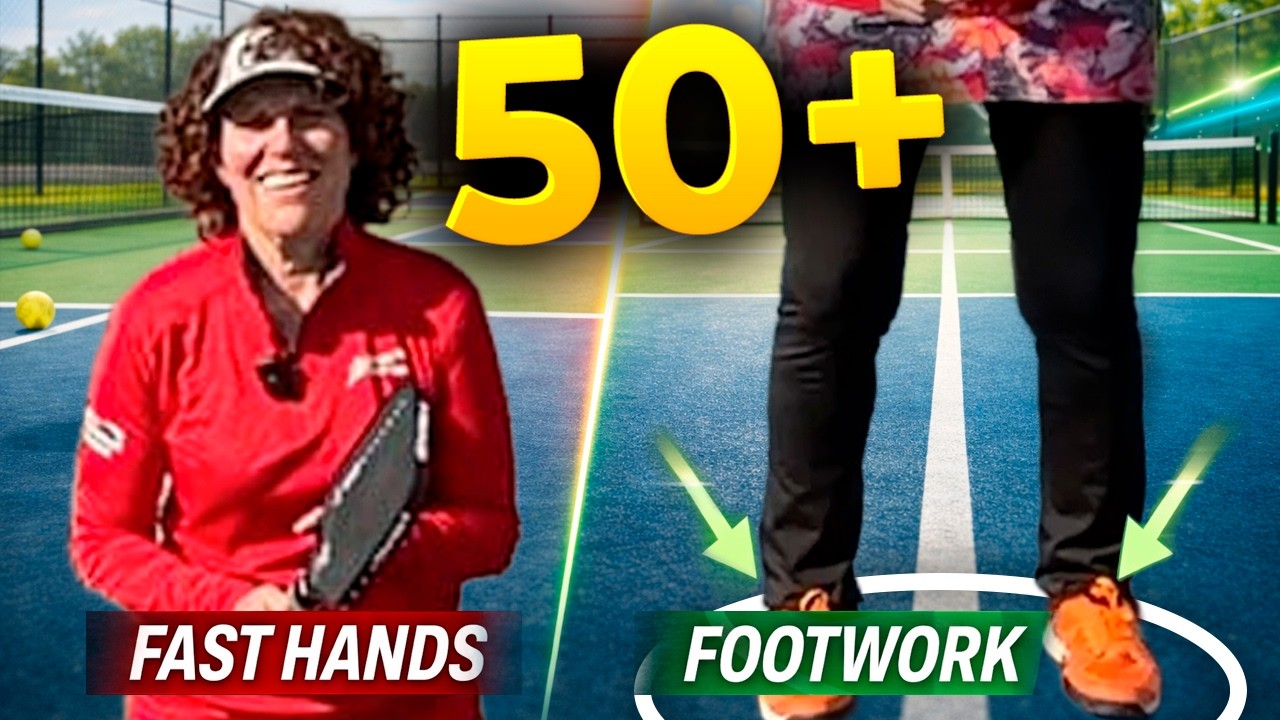
Split Step Pickleball: Footwork Tips for Seniors
By mastering this simple footwork move, you’ll stop your forward momentum and give your brain the split second it needs to read your opponent’s paddle.
 The Dink PickleballThe Dink Media Team
Fix 6: Return and Run, Every Single Time
This is probably the most common bad habit in recreational pickleball.
A player hits a return they are proud of, pauses to watch it, and then scrambles when the third shot comes back fast.
The phrase that sticks: serve and stay, return and run.The moment your paddle makes contact with the return, your feet should already be moving toward the kitchen line.
You do not need to see where the ball lands first. You know you hit it, now go.Your opponents have to let the ball bounce on their third shot, which gives you time to cover the ground between the baseline and the non-volley zone.
Players who consistently get to the kitchen line after the return win more points.
It is that direct. If you are struggling with how to attack once you get there, the kitchen attack strategy is worth studying next.
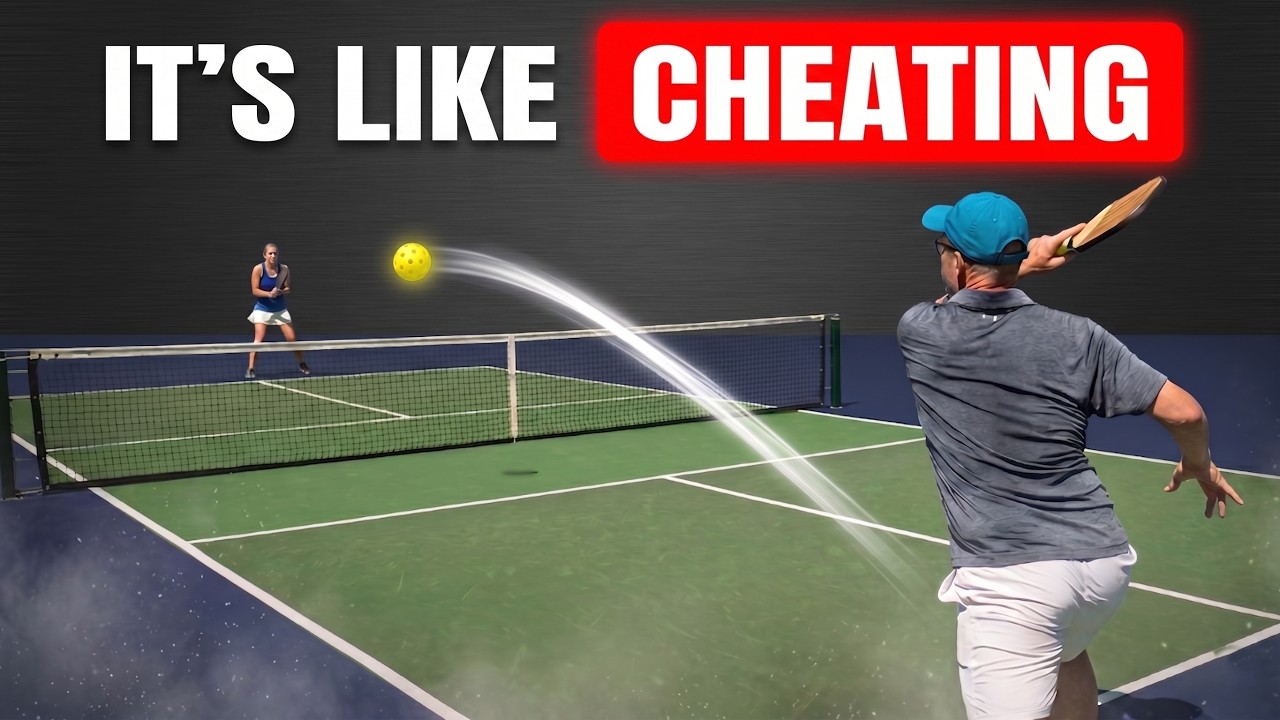
Pickleball Return Strategy: How Pros Control Every Rally
Professional pickleball players treat the return of serve as a strategic weapon, not just a way to get the ball back in play. Understanding the pickleball return strategy that separates elite players from the rest can transform your game.
 The Dink PickleballThe Dink Media Team
How Do the Serve and Return Connect to the Rest of the Point?
Your pickleball serve and return set up everything that comes after them. A deep, consistent serve forces a weak return of serve.
A deep, aggressive return keeps your opponents pinned at the baseline while you advance to the kitchen.
Your Pickleball Serve and Return Checklist: The Return Side
- Start two to three feet behind the baseline
- Use a compact swing with body rotation, not just your arm
- Split step as your opponent contacts the serve
- Aim for depth, keeping the deep return toward the back third of the court
- Move immediately toward the kitchen line after contact
The pickleball serve and return are not glamorous shots. No one is posting highlights of a clean deep return on social media.
But they are the foundation of every point you play, and sloppy fundamentals here mean you are already behind before the real rally starts.Once you have these locked in, the natural next step is working on your third and fourth shot patterns.
Third shot drop fixes will make your transition from the baseline to the kitchen much smoother.
If you also want to build better habits across every part of your game, these seven habits show you where your level actually shows up on court.
For players who want to connect all of this into a broader framework, this three-step formula ties serve, return, and transition together into one approach.
And if you want to push further into shot variety on the serve side, these three serves are built specifically to create weak returns from your opponents.
The work is simple, even if it is not always easy. Fix your contact point. Generate power with your body.
Make your ball release consistent. Back up on the return. Shrink the swing.
And run to the kitchen every single time.Do those six things consistently and your pickleball serve and return will stop giving away free points before the point even starts.
💡
Heads up: hundreds of thousands of pickleballers read our free newsletter.
Subscribe herefor cutting edge strategy, insider news, pro analysis, the latest product innovations and more.
Frequently Asked Questions
Where should you make contact on a pickleball serve?
You should make contact at or below hip height, which is the legal maximum under standard pickleball rules. Serving from knee height forces an upward swing angle that reduces power and consistency. Hip height contact lets you drive the ball forward with much more authority.
How do you add power to a pickleball serve without muscling it?
Power on the serve comes from rotating your body and transferring your weight from your back foot to your front foot, not from swinging your arm harder. Think of it the same way you would throw a ball overhand: your whole body drives the motion, and the arm just finishes it. Players who arm the ball tend to produce weak, short serves that float into the kitchen zone.
Why should you start behind the baseline when returning?
Starting behind the baseline gives you room to move forward into the return, which is easier and more powerful than retreating on a deep serve. Most players stand too close to the baseline and get jammed by well-placed serves. Backing up two to three feet lets you be aggressive on nearly any serve depth.
What does "return and run" mean in pickleball?
"Return and run" means you move toward the kitchen line immediately after making contact on your return, without pausing to watch the ball. The server and their partner must let your return bounce before hitting the third shot, which gives you time to close the distance. Players who admire their return and wait often find themselves stuck at the baseline when the third shot arrives.
Should you use a drop serve or a volley serve in pickleball?
Both are legal, and the best choice is whichever one produces the most consistent ball release for you. The key in either case is releasing or dropping the ball from a fixed spot in front of your body rather than tossing it upward with a flick of the wrist. A controlled, repeatable release gives you the same contact point on every serve.
Anuncie Aqui / Advertise Here
Sua marca para o mundo Pickleball! / Your brand for the Pickleball world!





 English (US) ·
  Portuguese (BR) ·