
 English
  Spanish
  Portuguese
  German
  Italian
  Japanese
  French
  Polish
  Russian
  Netherlands
  Hungarian
  Turkish
  Videos
  Thedink Pickleball

Pickleball decision making separates casual players from competitive ones. Master when to drive, drop, reset, and attack to transform your game.
Here's the thing about pickleball decision making: it's the invisible skill that separates players who plateau at 3.5 and those who break through to 4.5 and beyond.
You can drill your forehand until your arm falls off, but if you don't know when to use it, all those reps won't matter.
According to Briones Pickleball Academy, one of the sport's most respected coaching voices, the decisions you make during a match are trained skills, not instincts.
That means you can get better at them. And if you improve your in-game decision making, you can totally transform your game.
Love pickleball? Then you'll love our free newsletter. We send the latest news, tips, and highlights for free each week.
1. The Third Shot: Drive or Drop?
The most famous question in pickleball is also the most misunderstood: should you drive or drop your third shot?
The answer isn't "always drop" or "always drive." It depends on one critical variable: where you're hitting from and what the return looks like.
Briones breaks this down into two distinct scenarios, and once you understand the difference, your third shot selection becomes way clearer.
Short returns that lead you into the transition zone.
When your opponent's return is short and you're stepping inside the court, you're in an offensive position. Your returner probably isn't all the way up at the kitchen line yet, which means they're vulnerable.
This is when a third shot drive makes sense. You want to catch them in transition and stay on offense.
The key here is mindset: drive and then close. If that return is high, you're going for a winner or a pop-up. If it's lower, you might need to adjust, but the goal is still to apply pressure and move forward.
Heads up: hundreds of thousands of pickleballers read our free newsletter. Subscribe here for cutting edge strategy, insider news, pro analysis, the latest product innovations and more.
Deep returns that push you behind the baseline.
This is a completely different animal. You're further back, more defensive, and your opponent has time to react.
If you have a reliable third shot drive (maybe you played tennis), you can use it to set up an easier ball in front of you. But here's what matters: you have to stabilize after the drive.
Don't drive off your back foot. Don't drive off balance.If you do, your opponents at the net will do whatever they want with the ball. A common mistake is driving from the baseline and then immediately crashing the net. If your opponents have good counters, they'll just send it right at your feet.
The safer play from deep? A third shot drop. It buys you time to get to the net and into a good reset position in the transition zone.
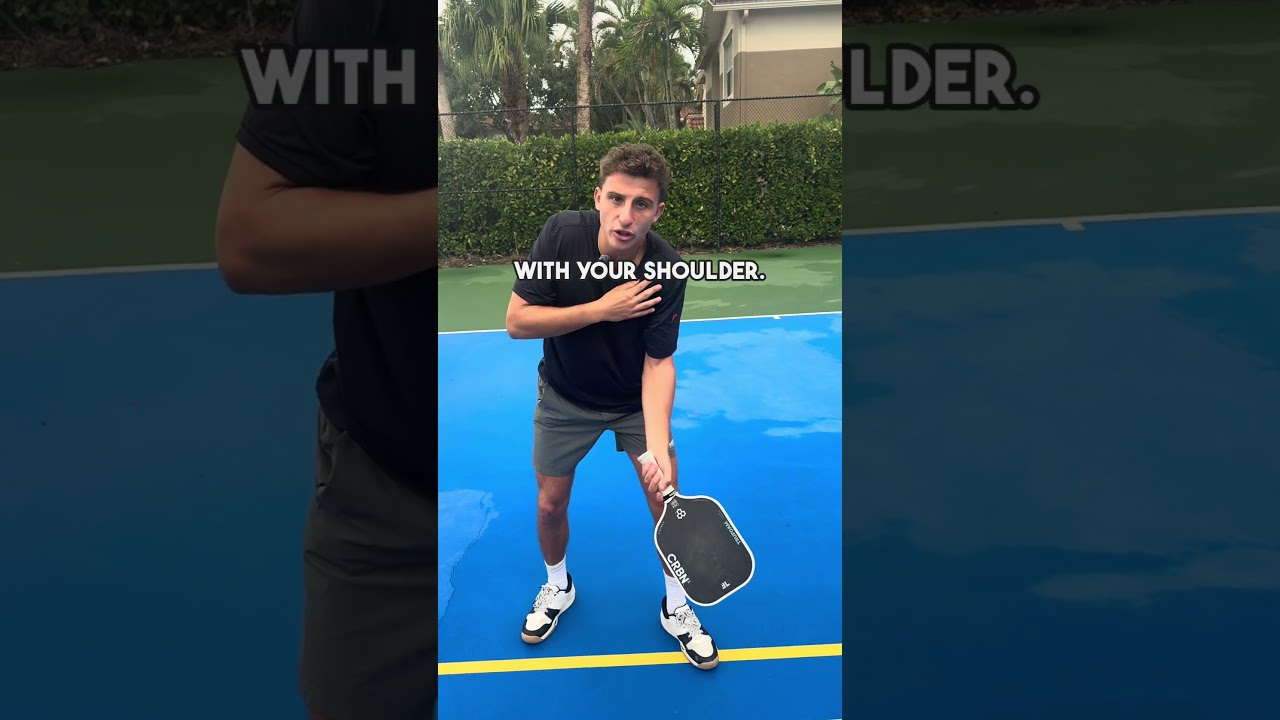
Stop Botching Your Third-Shot Drop: Quick Fixes to 2 Common Mistakes
The less your paddle moves before contact, the less can go wrong
 The Dink PickleballThe Dink Media Team
2. What About Low Balls?
Here's where a lot of players mess up: they see a short return and automatically think "drive." But what if that ball has slice on it?
hat if it's spinning away from you or you're reaching and the ball is actually below knee level?In those situations, you'll either hit it into the net or overhit it out.
The smarter play is to dink it in.Yes, even on a short return. A low ball dink is a higher percentage play than a low ball drive, and percentage is what wins matches.
How to Hit the Short Hop in Pickleball: A Complete Guide
The short hop is one of the most underrated skills separating good players from high-level competitors. Master this essential short hop pickleball technique to transform your midcourt game and handle pressure in transition.
 The Dink PickleballThe Dink Media Team

3. The Transition Zone: Attack or Reset?
Once you've hit your third shot, you're moving through the transition zone. This is where pickleball decision making gets really interesting, because you have to make a choice on every single ball: attack or reset.
Some coaches say "always reset." That's safe advice, but it's not always right. The real answer depends on how deep you are in transition.
Deep transition (back third of the court).
You're in a big positional disadvantage here. Your opponent is up at the net, and if you swing up, they swing down.
You're almost never attacking from this position unless the ball is very clearly high and slow.
Good players will keep the ball low at your feet. When that happens, your job is to reset and buy yourself time.
Hit it soft, move forward, and get to the kitchen line. Don't try to be a hero.
💡
Heads up: hundreds of thousands of pickleballers read our free newsletter.
Subscribe herefor cutting edge strategy, insider news, pro analysis, the latest product innovations and more.
Mid transition (the land of opportunity).
This is where things get fun. You're only one or two steps away from the net, and your opponent might be trying to get the ball at your feet.
If the ball is coming slower and it's at waist level or higher, you can take a chance on an attack.
But here's the catch: you have to hit a good spot. Most players are strong at the chest, so don't attack there.
Target the chicken wing (that awkward space near the shoulder) or make them stretch and reach. A well-placed attack from mid transition can close out the point or at least get you to the net in a better position.
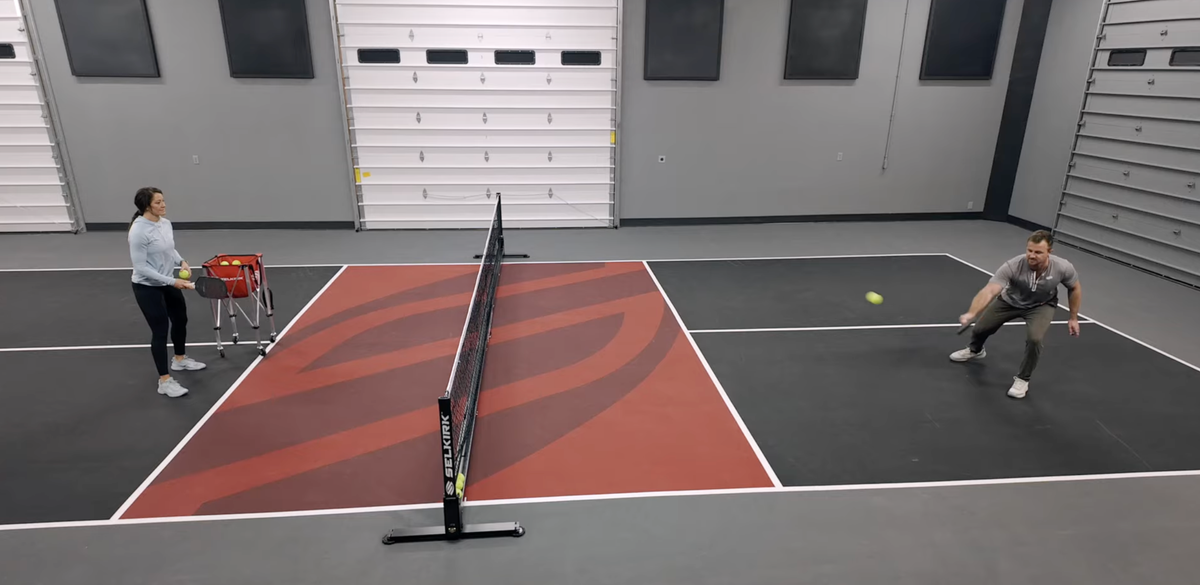
Master the Pickleball Transition Zone: Attack or Reset
The best players in the world aren’t just comfortable in the transition zone – they actively use it to their advantage
 The Dink PickleballThe Dink Media Team
4. Kitchen Line Decisions: Volley, Bounce, or Speed Up?
You've made it to the kitchen line. Now what?
The first rule is simple: take every ball out of the air if you can. Why? It takes time away from your opponent and applies pressure.
When you're at the kitchen line, you want to reach in, lean in, and take time away.
But here's what most players miss: just taking the ball out of the air isn't enough. You have to do something with it.
Don't hit it right at them (they'll take control) and don't hit it to their paddle (they'll attack). Move them around. Bounce the ball. Make them work.
When should you let it bounce?
Everyone has their own range based on height and reach. But here's a useful guideline: don't volley balls at knee level or below.
When you're balling that low, you're just bringing it up, and most of your shots will be defensive and dead.
If the ball is above knee height around thigh level, you can take time away and send it wherever you want.
Below that? Step back, let it bounce, and create space. Maybe add a little topspin and move your opponent around.
💡
Need some new pickleball gear? Get 20% off select paddles, shoes, and more with code THEDINK at
Midwest Racquet SportsSpeed-ups and attacks at the kitchen line.
If you're going to initiate or speed up a ball, the most important thing is having a target in mind.
Don't blindlessly attack just because the ball is high enough and you're balanced.
A lot of players hit attacks right at the chest or the middle of the body.
Against good players, that's a recipe for getting countered. Instead, target the chicken wing, make them reach, or hit a part of the body that's awkward. Change your location, not just your pace.
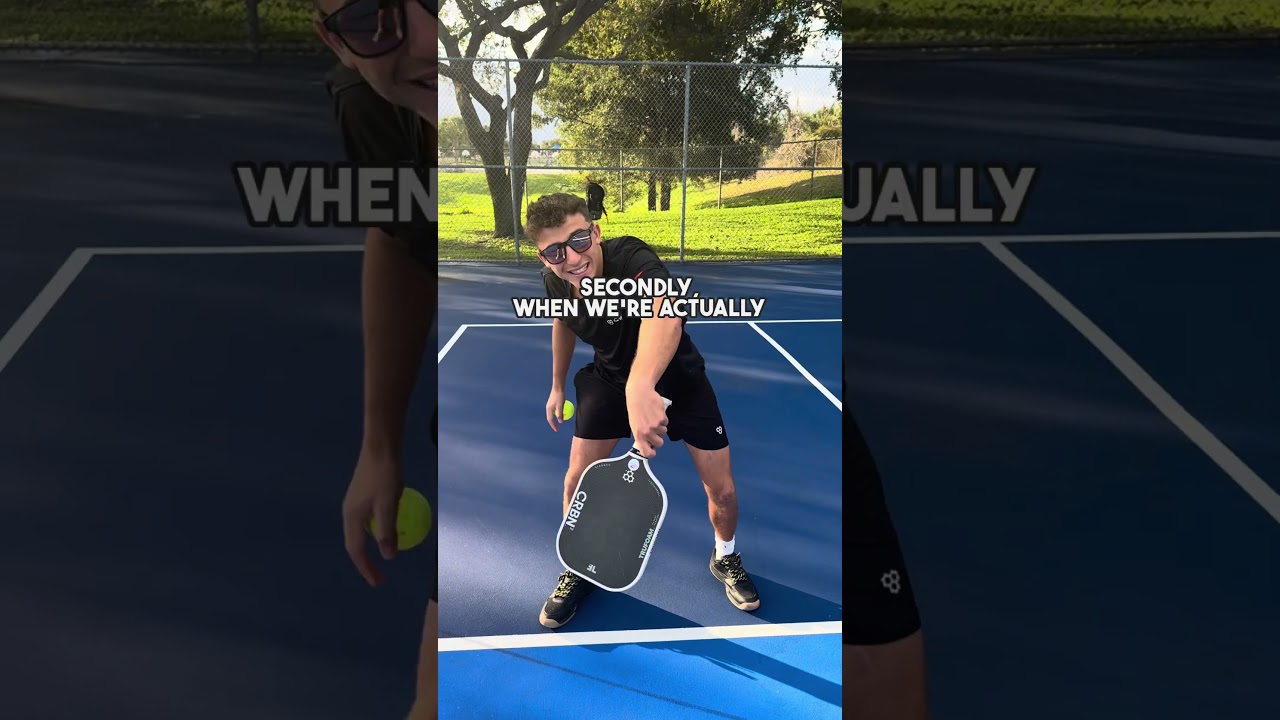
The Critical Kitchen Line Skill Most Rec Pickleball Players Are Missing
By attacking the ball in the air, you’re stealing time from your opponents and shifting the dynamic of the rally in your favor
 The Dink PickleballThe Dink Media Team
5. Why Decision Making Beats Drilling
You can spend hours on the court hitting the same shot over and over. That's valuable. But if you don't know when to use that shot in a match, you're leaving points on the table.
Pickleball decision making is a trained skill, which means it gets better with awareness and practice. The next time you're on the court, don't just focus on hitting the ball cleanly.
Focus on making the right choice. Are you in a position to attack or should you reset? Is this ball high enough to speed up or should you dink it?
These micro-decisions add up. They're the difference between a 3.5 player and a 4.0 player. And they're something you can work on without a paddle in your hand.
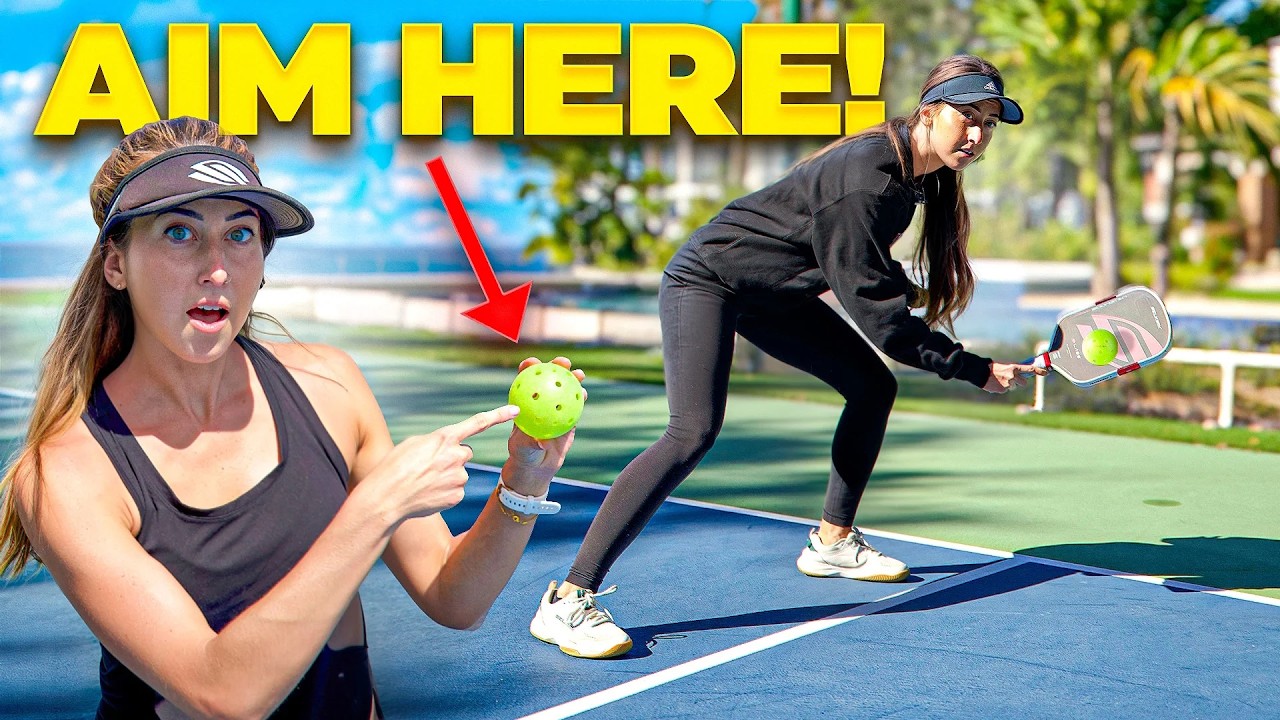
Smart Shot Decisions Beat Power in Advanced Pickleball
Every rally is a series of small choices, and those choices determine whether you win or lose.
 The Dink PickleballThe Dink Media Team
Frequently Asked Questions
What's the difference between a third shot drive and a third shot drop?
A third shot drive is an aggressive shot hit with pace, typically used when you're in the transition zone and your opponent is vulnerable. A third shot drop is a soft shot that lands near the net, designed to buy you time to advance to the kitchen line. Use a drive when you're in an offensive position; use a drop when you're defensive or the ball is low.
When should I attack in the transition zone?
Attack when you're in mid transition or closer to the kitchen line, the ball is at waist level or higher, and you have a clear target. Avoid attacking from deep transition when the ball is low, as your opponent has a positional advantage and can counter easily.
How do I know if I should volley or let the ball bounce at the kitchen line?
Volley balls that are above knee height, especially around thigh level. Let balls bounce if they're at knee level or below, as volleying from that low position limits your offensive options and usually results in defensive shots.
Why is pickleball decision making so important?
Decision making separates competitive players from casual ones. You can have great technique, but if you don't know when to use each shot, you'll make poor choices under pressure. Improving your decision making directly translates to winning more points and climbing the skill ladder faster.
Can I improve my decision making without drilling?
Yes. Awareness is the first step. Watch matches, study positioning, and think about why pros make certain choices. Then bring that awareness to your own matches. Over time, good decisions become instinctive, but they start with conscious thought.
Anuncie Aqui / Advertise Here
Sua marca para o mundo Pickleball! / Your brand for the Pickleball world!





 English (US) ·
  Portuguese (BR) ·