
 English
  Spanish
  Portuguese
  German
  Italian
  Japanese
  French
  Polish
  Russian
  Netherlands
  Hungarian
  Turkish
  Videos
  Thedink Pickleball

If you're stuck at the intermediate level, your two-handed backhand might be holding you back. This fundamental skill separates players who plateau from those who keep climbing.
Here's what happens at the intermediate level: your opponent hits a third shot drop to your backhand side, and you panic.
Most players in this position only have a one-handed backhand in their toolkit, so they do what feels natural.
They push the ball back, soft and defensive, and suddenly your opponent is walking into the kitchen with a free ride to attack.
Advanced players know this weakness, and they'll exploit it relentlessly throughout an entire match.
Once they figure out you can't handle backhand pressure, they'll target that side repeatedly, turning it into a safe zone where they can set up their offense.
The problem isn't that you're hitting the ball wrong. The problem is that you're not hitting it at all. You're just reacting.
Love pickleball? Then you'll love our free newsletter. We send the latest news, tips, and highlights for free each week.
What Changes When You Develop a Two-Handed Backhand
A two-handed backhand fundamentally shifts the dynamic of that third shot drop scenario.
Instead of pushing the ball back passively, you can now apply real pressure. You can take the ball earlier, generate pace, and keep your opponent honest.
Think about it this way: when you have two hands on the paddle, you have more stability, more control, and more power.
You're not just defending anymore. You're creating problems for the other side.
Tanner Tomassi emphasizes that this isn't about becoming a two-handed backhand specialist. It's about having the option when it matters most.
The third shot drop to your backhand is one of the most common situations in pickleball, and it's also one of the most critical moments to apply pressure.
The Third Shot Drop: Why It's the Moment That Matters
The third shot drop is where intermediate matches are won and lost. Your opponents hit it because they're trying to neutralize your serve and return advantage.
They want to get to the kitchen line safely without giving you an attacking opportunity.
But here's the thing: if you can pressure that drop with a two-handed backhand, you flip the script. Suddenly, they're not in control anymore. They're scrambling to defend.
This is especially true when the drop lands on your backhand side. Most intermediate players expect you to push it back softly.
They're already moving forward, already thinking about their next aggressive shot. When you surprise them with a two-handed backhand that applies pressure, you catch them off-balance.
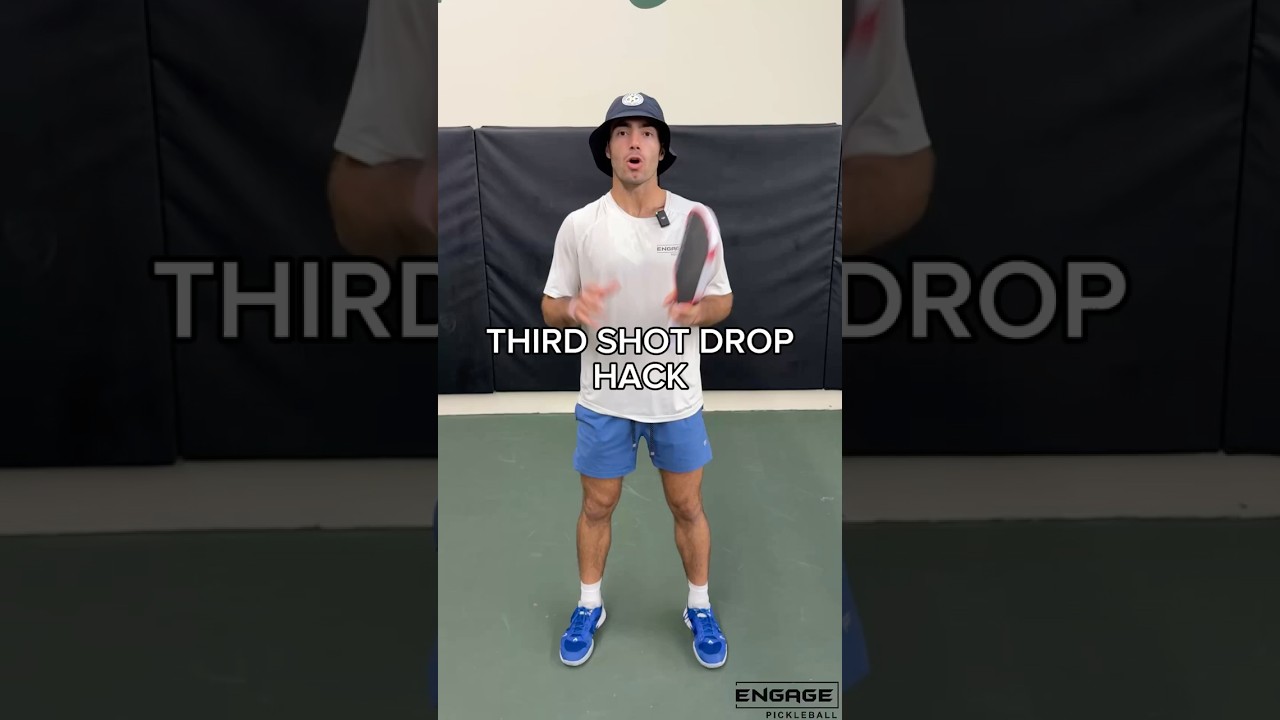
Master the Third Shot Drop in Pickleball
The third shot drop is one of pickleball’s most critical shots, and most players are making a fundamental mistake. Richard from Engage Pickleball reveals the contact point hack that will transform your consistency and get you to the kitchen line every time.
 The Dink PickleballThe Dink Media Team
How to Start Building Your Two-Handed Backhand
Developing a two-handed backhand doesn't happen overnight, but it's not complicated either. The key is intentional practice focused on the specific situation where you'll use it most: the third shot drop.
- Start by hitting balls on your backhand side with both hands on the paddle.
- Focus on consistency first, not power.
- You want to be able to control the ball and keep it in play.
- Once you're comfortable with the mechanics, start working on applying pressure.
- Hit through the ball instead of pushing it.
The transition from one-handed to two-handed backhand feels awkward at first. Your timing will be off.
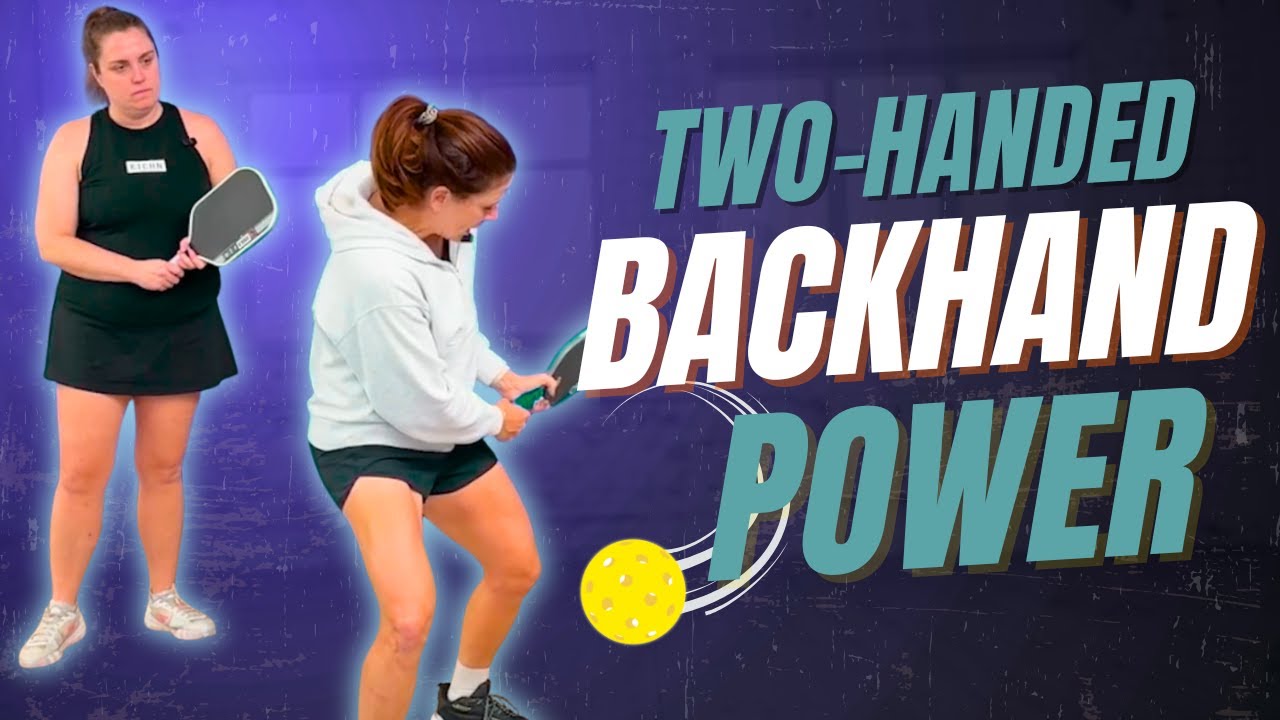
From Weak to Weapon: How to Wreck a Two-Handed Backhand Drive in Pickleball
Many players think the two-handed backhand is all about arm strength and paddle speed. But that’s backwards. The real power comes from the ground up.
 The Dink PickleballThe Dink Media Team
Your footwork might feel clunky. That's normal. Every player goes through this phase.
The players who push through it are the ones who break through to the next level.Practice this shot in drills where your partner consistently hits third shot drops to your backhand.
- Make it repetitive.
- Make it automatic.
The goal is to reach a point where you don't have to think about it anymore. You just react with a two-handed backhand that applies pressure.
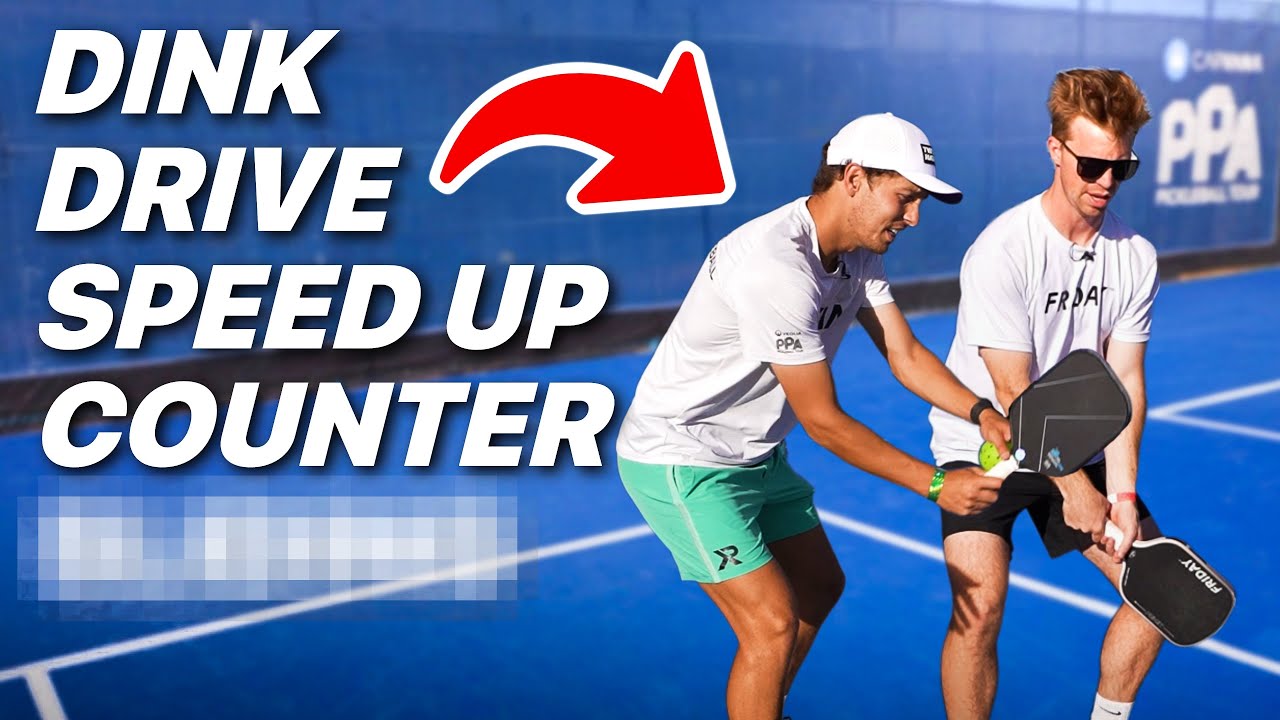
Learn the 5 Essential Two-Handed Backhand Shots with Pro Connor Garnett
One theme runs through every shot Connor demonstrates: keep your backswing small – a lot of players think power comes from a big swing, but that’s backwards
 The Dink PickleballThe Dink Media Team
The Bigger Picture: Why This One Shot Matters So Much
You might be wondering why one shot gets so much attention. The answer is simple:
Pickleball is a game of positioning and pressure. The team that controls the kitchen line wins the point.The team that applies pressure at the right moment wins the match.
A two-handed backhand is your tool for applying that pressure at a critical moment. It's not flashy.
It's not the kind of shot that gets replayed on social media. But it's the kind of shot that wins matches.
When you develop this skill, you're not just adding a shot to your arsenal. You're changing how your opponents think about playing against you.
They can't target your backhand anymore. They have to respect your ability to pressure the drop. That respect translates into better positioning for you and more mistakes from them.
💡
Need some new pickleball gear? Get 20% off select paddles, shoes, and more with code THEDINK at
Midwest Racquet SportsThe Mental Shift That Comes With Mastery
There's a psychological component to developing a two-handed backhand that often gets overlooked. When you know you can handle pressure on your backhand side, your confidence changes.
You're not worried about that third shot drop anymore. You're actually looking forward to it because it's an opportunity to take control.
Your opponents feel that shift too. They sense that you're no longer a player they can push around on the backhand side.
That mental edge compounds over time. It affects how they play against you in future matches.
This is why Tanner emphasizes that if he could change one thing about his intermediate game, it would be developing a two-handed backhand earlier.
Not because it's the most difficult skill to learn, but because it has the biggest impact on how you play and how your opponents perceive you.
Heads up: hundreds of thousands of pickleballers read our free newsletter. Subscribe here for cutting edge strategy, insider news, pro analysis, the latest product innovations and more.
Frequently Asked Questions
What's the difference between a one-handed and two-handed backhand in pickleball?
A one-handed backhand gives you more reach and flexibility, but less stability and power. A two-handed backhand sacrifices some reach but gives you significantly more control, stability, and the ability to apply pressure. For intermediate players, the two-handed version is better for handling aggressive shots and third shot drops.
When should I use my two-handed backhand versus my one-handed backhand?
Use your two-handed backhand when you need to apply pressure or handle pace, especially on third shot drops. Use your one-handed backhand when you need reach or when you're stretched wide on the court. Most intermediate players benefit from having both options available.
How long does it take to develop a solid two-handed backhand?
With consistent, focused practice, you can develop a functional two-handed backhand in 2 to 4 weeks. However, mastering it to the point where it becomes automatic takes longer, typically 2 to 3 months of regular play and drilling.
Will developing a two-handed backhand hurt my one-handed backhand?
No. In fact, working on your two-handed backhand often improves your overall backhand mechanics. The footwork, positioning, and timing principles carry over to your one-handed backhand as well.
Is the two-handed backhand used by professional pickleball players?
Yes. Many professional players use a two-handed backhand, especially for third shot drops and pressure situations. It's a fundamental skill at the highest levels of the game, which is why intermediate players benefit so much from developing it early.
Anuncie Aqui / Advertise Here
Sua marca para o mundo Pickleball! / Your brand for the Pickleball world!






 English (US) ·
  Portuguese (BR) ·