
 English
  Spanish
  Portuguese
  German
  Italian
  Japanese
  French
  Polish
  Russian
  Netherlands
  Hungarian
  Turkish
  Videos
  Thedink Pickleball

The key to an effective two-handed backhand counter is simplicity, balance, and hip-driven power
The two-handed backhand counter is one of the most important shots for winning hand battles at the kitchen in pickleball, but it's also one of the trickiest to master, especially if you don't come from a tennis background.
In a recent coaching session on Cori Elliott's channel, coach Cori works with James to break down the mechanics of this critical shot, transforming his inconsistent counters into powerful, controlled strikes that actually land where he wants them.
Love pickleball? Then you'll love our free newsletter. We send the latest news, tips, and highlights for free each week.
The Problem: Too Much Swing, Not Enough Control
James starts out struggling with the two-handed backhand counter. His initial attempts have too much swing, extra wrist action, and inconsistent contact points.
The result? Shots that feel unpredictable and lack the precision needed to win hand battles at the net.
This is a common problem for players without a tennis background, who often overthink the motion and add unnecessary complexity to what should be a relatively compact stroke.The Fix: Simplify and Use Your Hips
Cori's coaching approach focuses on three key adjustments:
- Keep the swing compact and avoid over-swinging, which creates inconsistency and reduces control.
- Watch the ball all the way to contact, turning your chin toward the paddle to ensure you hit the sweet spot.
- Use hip rotation to generate power instead of relying on arm strength, which helps you stay balanced and keep the paddle face flat.
The hip turn is particularly important.
By loading up on one leg and rotating your hips through the shot, you generate pace without having to muscle the ball.
This also naturally keeps your follow-through compact and your paddle face flat, which are both critical for consistency.
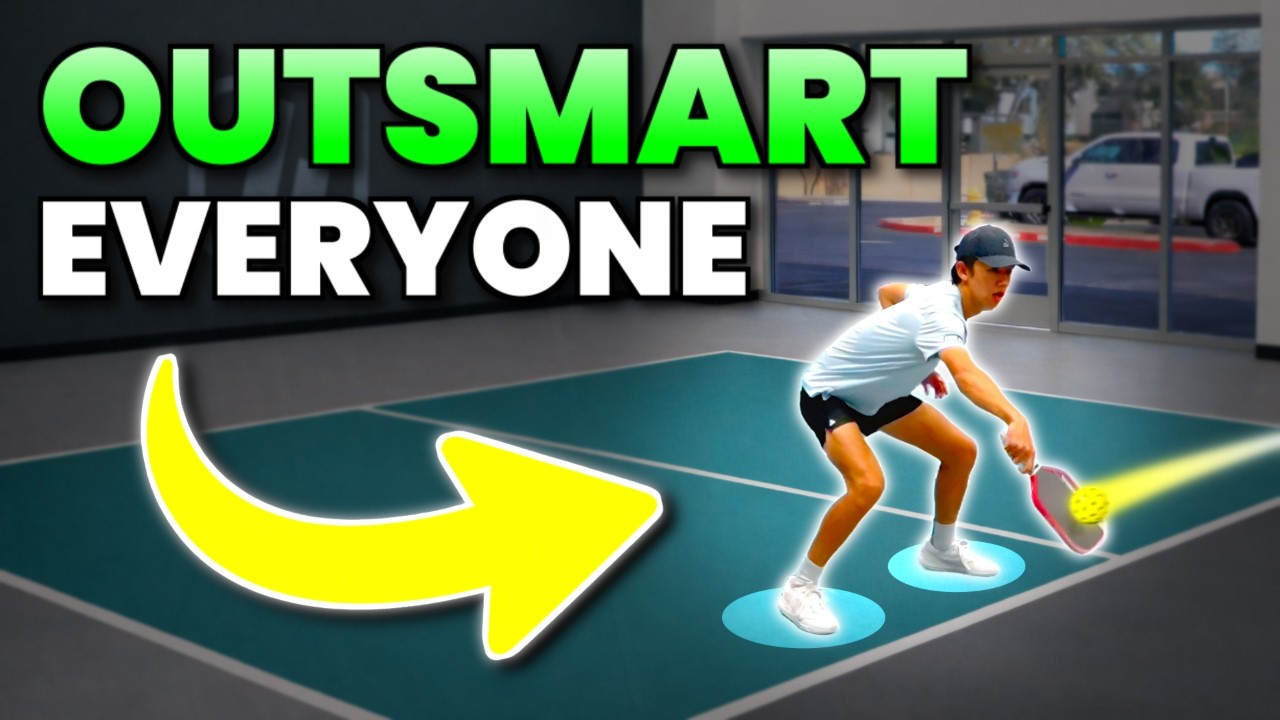
7 Tactics to Outsmart Every Opponent At The Kitchen
Players win more points at the net by staying low, targeting smartly, and always expecting the ball to come back
 The Dink PickleballThe Dink Media Team
Watch the Ball, Keep It Flat
One of Cori's most practical tips is to watch the ball all the way to your paddle.
In pickleball, we often rush and take our eyes off the ball because the game moves so fast. But with the two-handed backhand counter, keeping your eyes locked on contact helps you find the sweet spot more consistently.
When James focuses on this detail, his shots immediately improve in both power and accuracy.
The paddle face angle also matters. By keeping the face flat and finishing over the shoulder with a slight arc, you get better trajectory and more control. This isn't about hitting hard; it's about hitting smart.
💡
Need some new pickleball gear? Get 20% off select paddles, shoes, and more with code THEDINK at Midwest Racquet Sports
The Difference Between High and Low Balls
Cori also clarifies when to adjust your technique based on ball height.
- For higher balls, you can come over the ball a bit more, almost like a roll shot, to add arc.
- For lower balls, you'll need to roll them up slightly.
But the core mechanics stay the same: compact swing, hip rotation, flat paddle face, and a follow-through that keeps everything controlled.
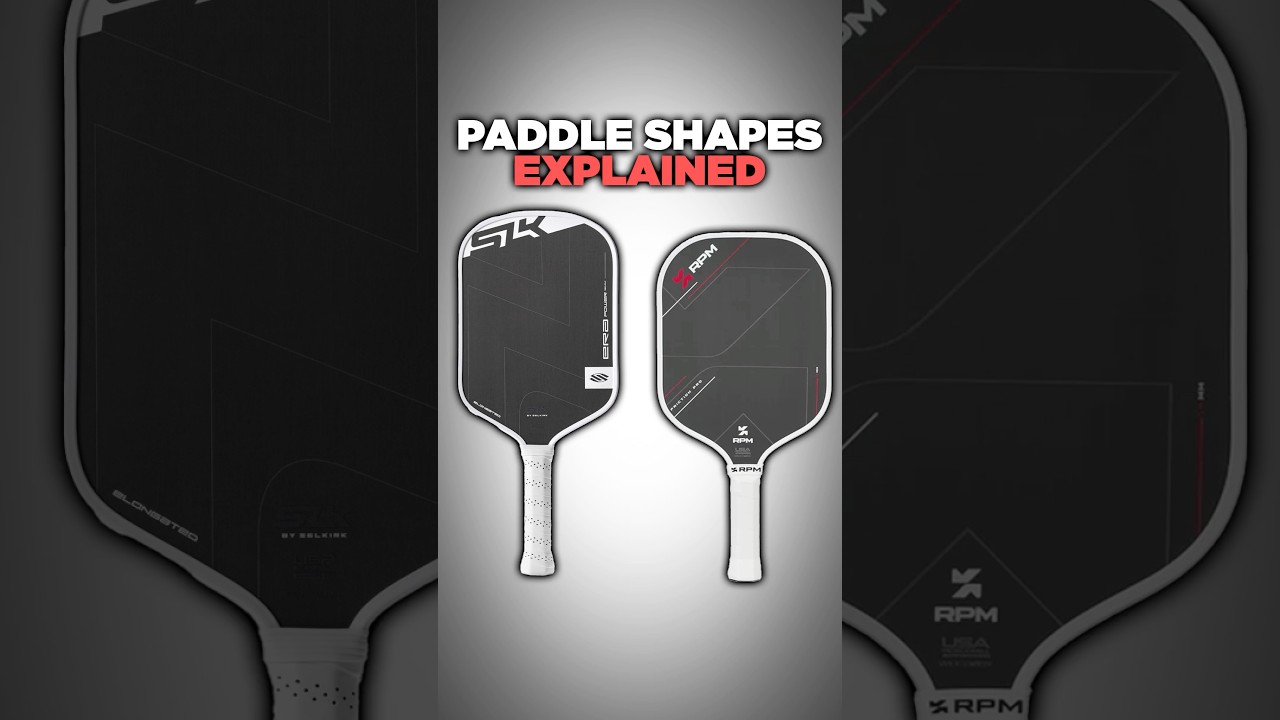
Pickleball Paddle Shapes Explained: Widebody vs. Hybrid vs. Elongated
Pickleball paddles come in three main shapes, and picking the right one can make a real difference in how you play.
 The Dink PickleballThe Dink Media Team
The Payoff: Confidence at the Kitchen
By the end of the session, James's counters are noticeably sharper. He's generating more power through hip rotation, finding the sweet spot more consistently, and feeling much more confident at the kitchen.
The transformation shows how much technique matters in pickleball. Small adjustments in mechanics can make a huge difference in your ability to win hand battles and control the net.
Heads up: hundreds of thousands of pickleballers read our free newsletter. Subscribe here for cutting edge strategy, insider news, pro analysis, the latest product innovations and more.
If you're struggling with your two-handed backhand counter, focus on these fundamentals:
- Keep it compact
- Use your hips
- Watch the ball
- Finish with a flat paddle face
It won't happen overnight, but with consistent practice, you'll develop the kind of reliable counter that puts pressure on your opponents and wins you points.
Anuncie Aqui / Advertise Here
Sua marca para o mundo Pickleball! / Your brand for the Pickleball world!


 English (US) ·
  Portuguese (BR) ·