
 English
  Spanish
  Portuguese
  German
  Italian
  Japanese
  French
  Polish
  Russian
  Netherlands
  Hungarian
  Turkish
  Videos
  Thedink Pickleball

Once you stop thinking about power and start thinking about placement and control, your pickleball game will improve exponentially
You've got all the shots. Your forehand is crisp, your backhand is solid, and you can hit a third shot drop that lands softly in the kitchen. So why aren't you winning more matches?
If you're stuck at the 3.5 to 4.0 level, the answer might surprise you: pickleball stops being about power and starts being about strategy.
In a recent coaching lesson, Cliff from The Cliff Pickleball breaks down the exact concepts that separate advanced players from everyone else, and spoiler alert, they're not what you think.
Love pickleball? Then you'll love our free newsletter. We send the latest news, tips, and highlights for free each week.
The Shift From Power to Positioning
Once you reach the 4.0 level, everyone can hit the ball hard. Your opponents can volley, they can drive, and they can reset just as well as you can. The game changes fundamentally at this point.
Instead of asking "how hard can I hit it," you need to ask, "where should I be standing?"
Strategy, positioning, shot selection, and consistency become the real separators. It's a mental shift that catches a lot of players off guard.
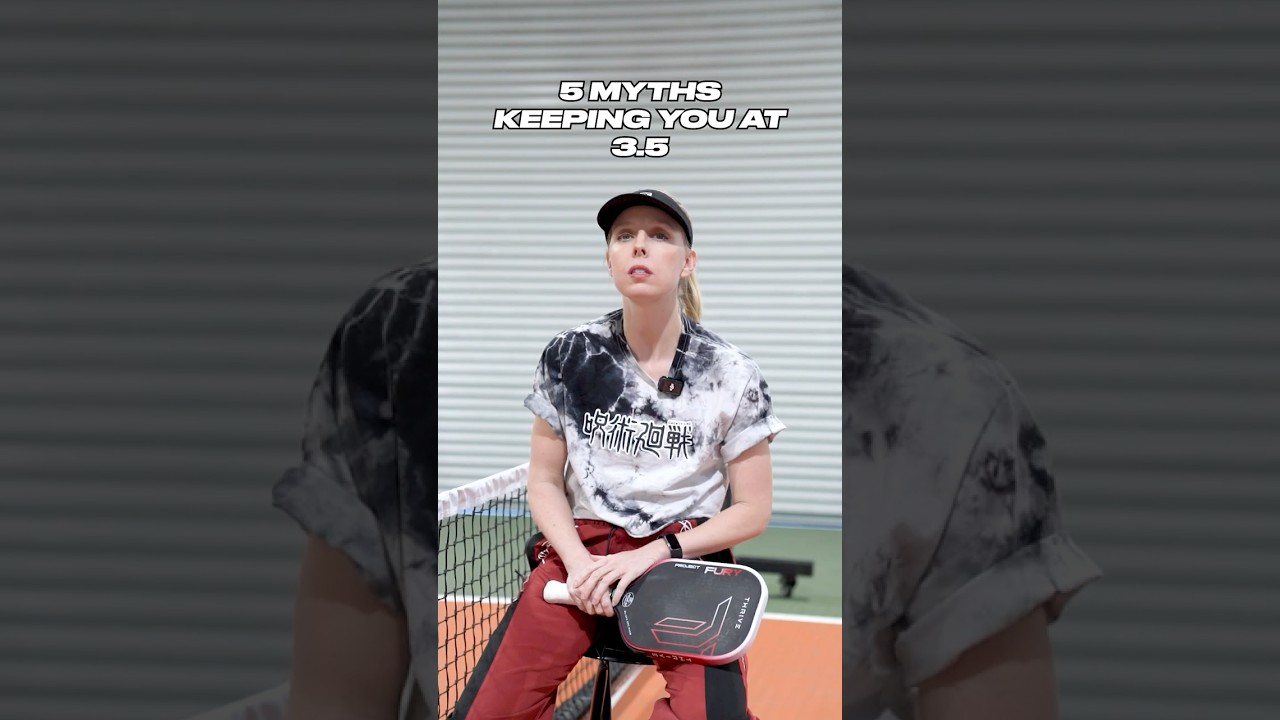
5 Pickleball Myths Keeping You Stuck at 3.5
Advanced pickleball means developing the awareness to make decisions based on what’s actually happening on the court, not on general rules that sound good in theory
 The Dink PickleballThe Dink Media Team
Protect the Middle or Lose It
Every time you play your side of the court, you're responsible for protecting the middle. That means standing in the middle of your side, not drifting toward the sideline.
The problem most players make is moving to hit a ball and then staying wherever they end up. You shuffle left to hit a crosscourt dink, and then you just hang out over there. Meanwhile, your partner has to cover the middle, which leaves their side exposed. Your opponent sees that gap and exploits it.
The fix is simple but requires discipline: after every single shot, return to the center. Move, hit, come back. Move, hit, come back. It sounds basic, but higher-level players notice immediately when you're not doing it.
The Third Shot Drop Isn't About Arc
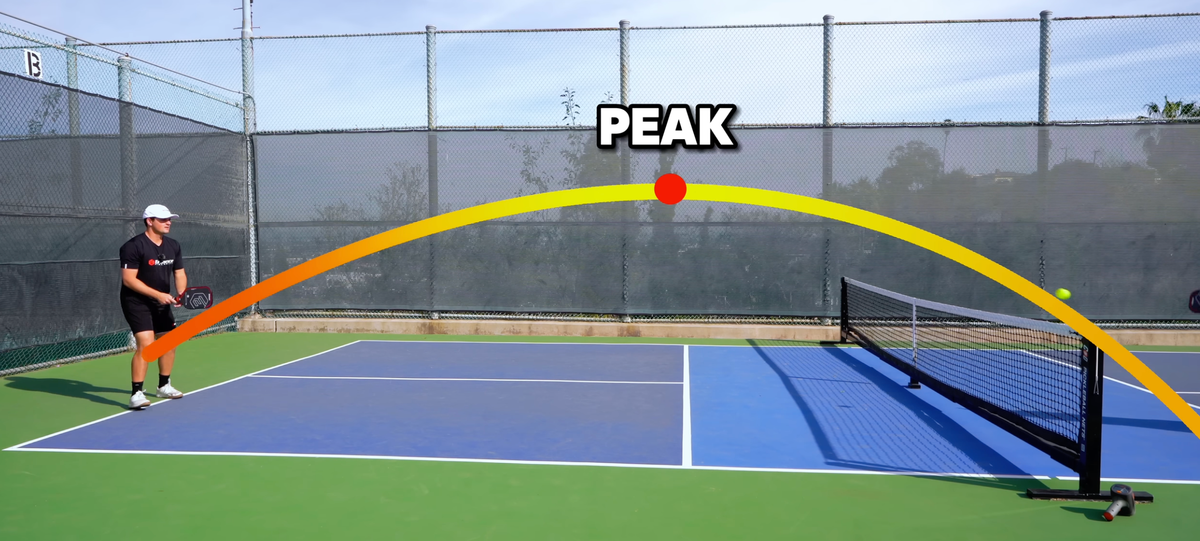
A lot of players think the third shot drop is about hitting the ball with an upward arc and letting it float over the net. That's the tennis approach, and it doesn't work in pickleball.
Instead, you need to slow the ball down and control it. Hit while the ball is descending, get low, keep your paddle open, and hit in front of you. The goal isn't to make it look pretty; it's to make it land softly in the kitchen so you have time to move forward.
If your drop is too fast, you'll always be stuck at the baseline getting attacked.A good drop gives you the time you need to advance to the net, which is where the point is actually won.
The Science-Backed Method to Hit Perfect Pickleball Drops Every Time
The third shot drop isn’t magic; it’s mechanics. Get the science right, and suddenly that impossible shot becomes far more manageable.
 The Dink PickleballThe Dink Media Team
The Drive Isn't About Hitting Harder
When you drive the ball, you're not trying to win the point outright. You're trying to set up the next shot.
Most players drive at 70 to 80 percent power, thinking they'll force an error or hit a winner. But at higher levels, your opponent can volley anything you throw at them. A slower drive at 50 to 60 percent power that lands at their feet is actually more effective because it's harder to attack.
The key insight is consistency. Pickleball rewards the player who can hit the same shot over and over, not the player who swings for the fences.
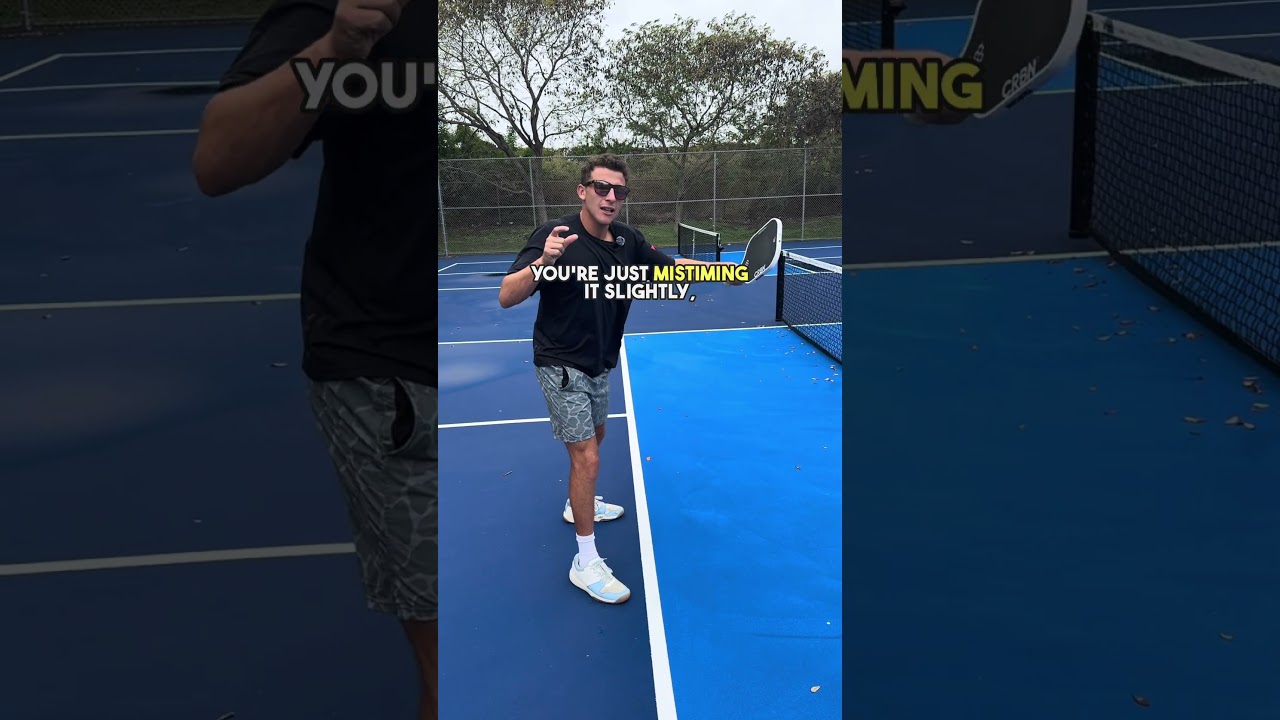
How to Handle Hard Pickleball Drives When You’re at the Net
When the ball comes at you quick, don’t panic. Capitalize. But that all starts with composure and technique.
 The Dink PickleballThe Dink Media Team
Speed Ups Require Relaxation, Not Tension
When someone speeds up the ball at you, your instinct is to tense up and swing harder. That's the enemy of a good reset.
Instead, you need to stay relaxed and soften your hands. Let the ball die in the kitchen. The moment you get tense, you lose control and the ball pops up, giving your opponent an easy attack.
Training yourself to reset under pressure is about mental discipline as much as technique. It's the difference between a player who can handle aggressive opponents and one who falls apart when things get intense.
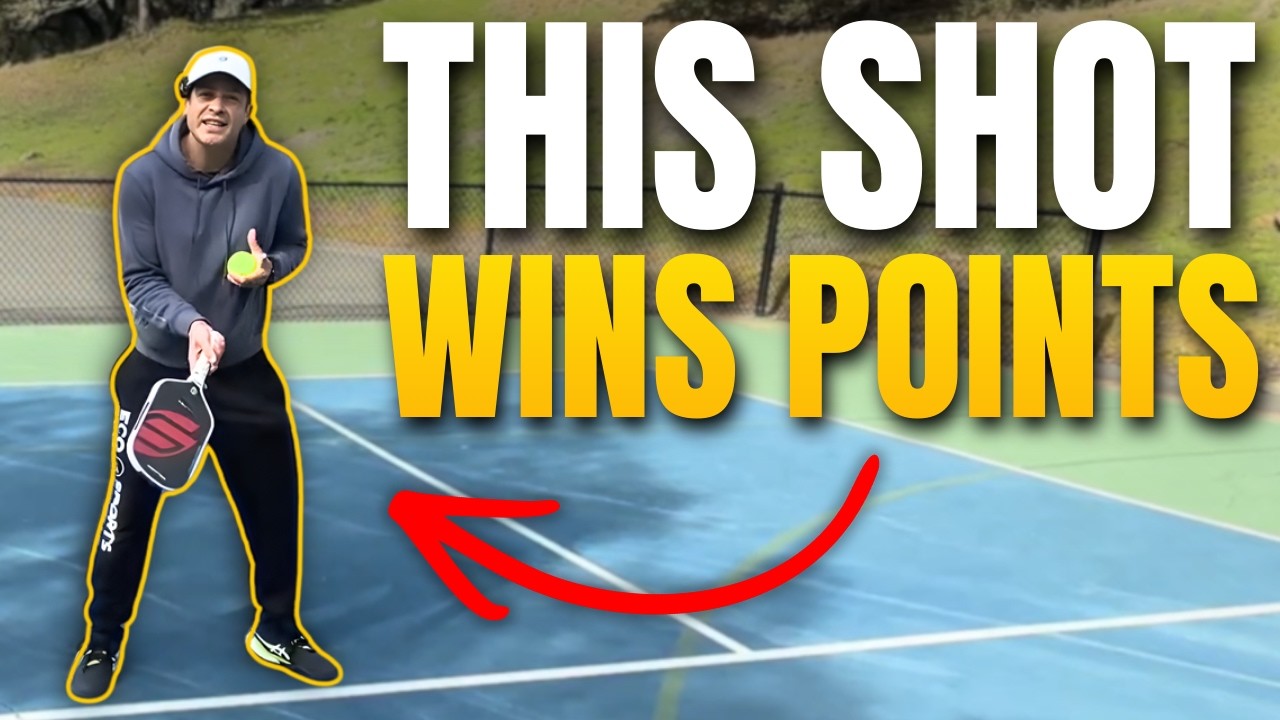
How to Disguise Your Speed-Up Shot in Pickleball
Your opponent relies on reading small changes in your movement, grip, and paddle position to anticipate your shots. Eliminate those tells and you’re in control.
 The Dink PickleballThe Dink Media Team
Combine Everything Into One Drill
The lesson ends with a comprehensive drill that ties everything together. Here's how it works:
- Drive forehand from the baseline.
- Drive backhand from the baseline.
- Hit a drop shot (forehand or backhand).
- Move forward and reset if attacked.
- Reach the net and stay in the middle.
- Shuffle and hit dinks, resetting when needed.
The point of this drill is to show that every shot has a purpose. Your drive sets up your drop. Your drop gives you time to advance. Your positioning at the net keeps you ready for the next ball. Nothing is random.
Anuncie Aqui / Advertise Here
Sua marca para o mundo Pickleball! / Your brand for the Pickleball world!



 English (US) ·
  Portuguese (BR) ·