
 English
  Spanish
  Portuguese
  German
  Italian
  Japanese
  French
  Polish
  Russian
  Netherlands
  Hungarian
  Turkish
  Videos
  Thedink Pickleball

This approach might not feel as satisfying as crushing a winner, but it's far more effective. Over time, this mentality will show up in your win-loss record.
When someone hits an aggressive dink at you in pickleball, your instinct might be to go for broke and smash it back for a winner.
That's the trap most amateur players fall into, and it's costing them points.
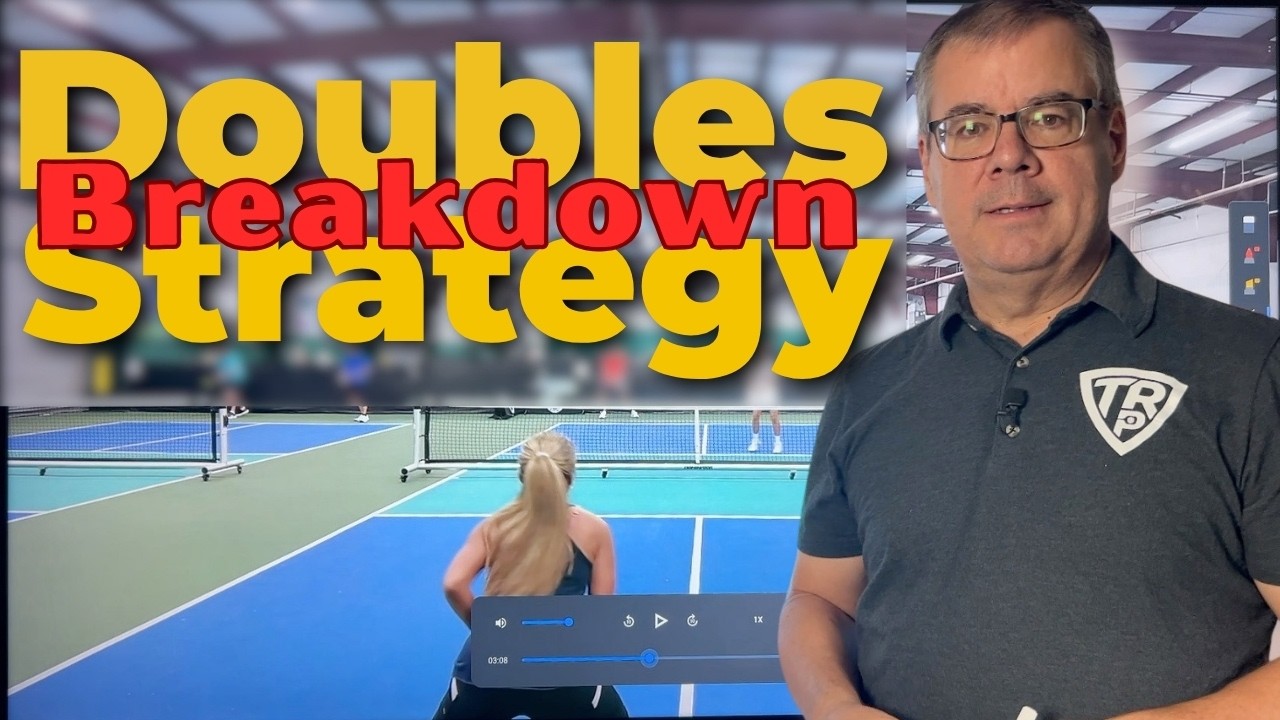
Instead, Tanner Tomassi breaks down a smarter approach that can genuinely level up your game: getting back to neutral instead of trying to win the point outright.
Love pickleball? Then you'll love our free newsletter. We send the latest news, tips, and highlights for free each week.
The Amateur Mistake in Pickleball Dink Strategy: Going for Too Much
Here's what happens on most recreational courts: your opponent hits a sharp, aggressive dink your way. You see it coming and think, "This is my chance." So you wind up and try to rip it crosscourt for a winner.
Sounds logical, right? It's not.
The problem is that your opponent already has the advantage. They've put you on your heels with that aggressive dink, and now you're trying to flip the script in one shot. That's not how pickleball works.
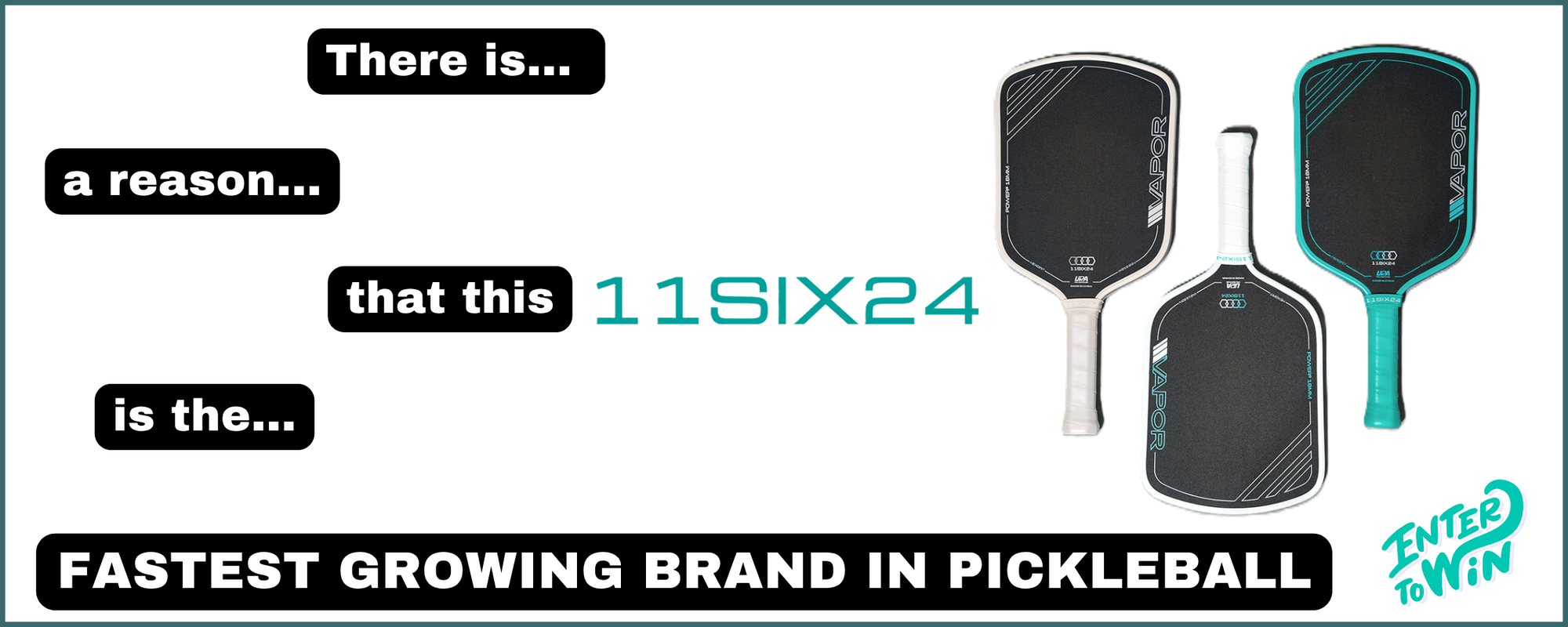
The latest drop from 11Six24 is here — and The Dink is giving you a shot to get one for free.
We’re giving away 10 Power 2 paddles, the hottest new paddle on the market built around a powerful premise: Surface grit that lasts the life of the paddle.
Enter here. And checkout their new Power 2 lineup and get $10 off with code THEDINK.
The Neutral Game: Your Secret Weapon in Pickleball Dink Strategy
Instead of going for the aggressive counter, think about it this way: when someone hits that sharp dink at you, they're already winning the point. Your job isn't to win it back immediately.
Your job is to get even. You do that by hitting to the middle of the court.
This is the mental shift that separates good players from great ones. You can't go from losing a point to winning it in a single shot. You have to get back to neutral first, then win. Hitting to the middle of the court accomplishes this because it takes away your opponent's angles and forces them to hit another shot. Now you're back in the point instead of down in it.
Why the Middle Works in Pickleball Dink Strategy
The middle of the court is the safest, smartest target when you're in a defensive position. It limits your opponent's options and gives you time to recover.
Instead of trying to thread a needle crosscourt or down the line, you're playing percentage pickleball.
You're keeping the ball in play and giving yourself a chance to win the point later, when you're in a better position.
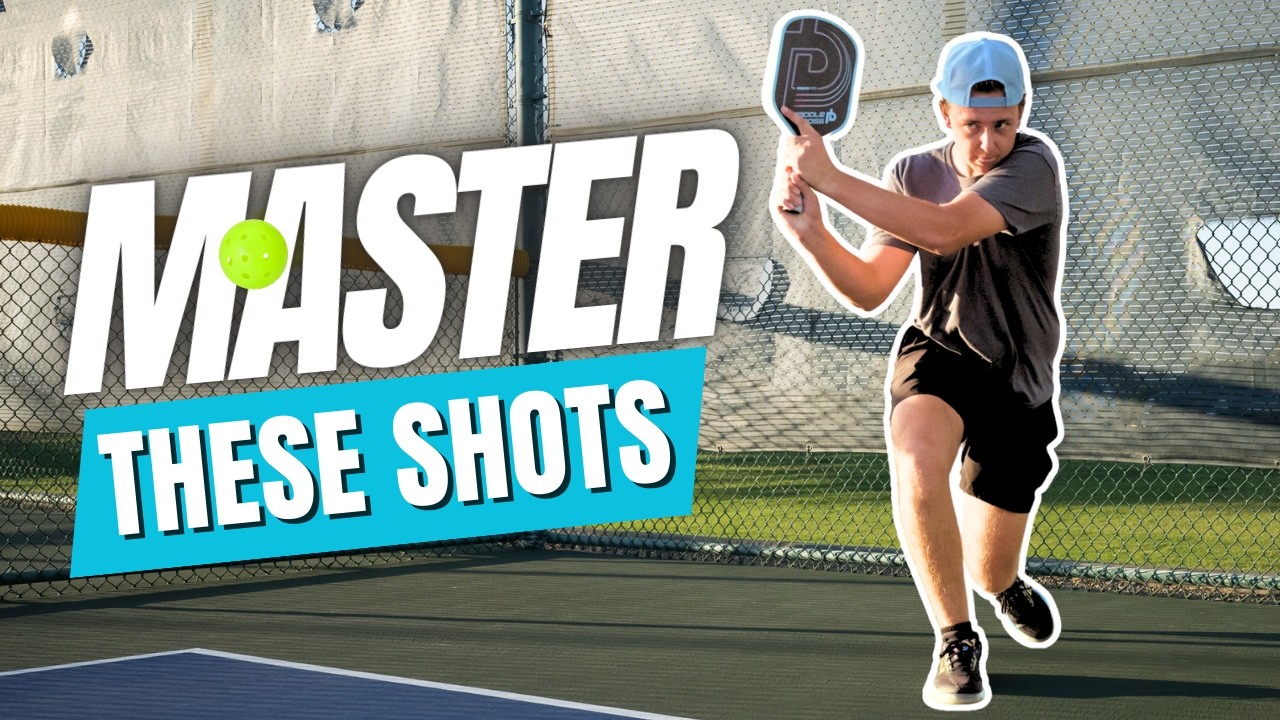
4 Pickleball Shots to Upgrade Your Game Fast
PaddleBoss Pickleball Training highlights four essential shots that can quickly take players from 3.0–3.5 to the next level
 The Dink PickleballThe Dink Media Team
Frequently Asked Questions
What is a pickleball dink strategy?
A pickleball dink strategy focuses on controlled, soft shots to outmaneuver opponents rather than overpower them. It helps players create opportunities by forcing errors and maintaining control of the rally.
Why should I hit to the middle in pickleball?
Hitting to the middle reduces your opponent’s angles and creates confusion between partners. It also gives you a safer margin for error when you're under pressure.
When should I attack instead of resetting in pickleball?
You should attack when you have a high, attackable ball and balanced positioning. If you're off-balance or stretched, resetting is the smarter play.
How do I improve my dink consistency?
Focus on soft hands, proper footwork, and keeping your paddle out in front. Practicing controlled drills at the kitchen line will improve touch and accuracy.
Is the neutral game important for beginners?
Yes, the neutral game is essential for all skill levels, especially beginners. Learning to reset and stay in points will help you win more rallies over time.
Anuncie Aqui / Advertise Here
Sua marca para o mundo Pickleball! / Your brand for the Pickleball world!




 English (US) ·
  Portuguese (BR) ·