
 English
  Spanish
  Portuguese
  German
  Italian
  Japanese
  French
  Polish
  Russian
  Netherlands
  Hungarian
  Turkish
  Videos
  Thedink Pickleball

The reset isn’t about power—it’s touch, positioning, and angles. Master those, and you control where matches are won.
Pickleball's transition zone is where matches are won and lost. It's the space between the baseline and the kitchen line, and it's notoriously tricky to navigate.
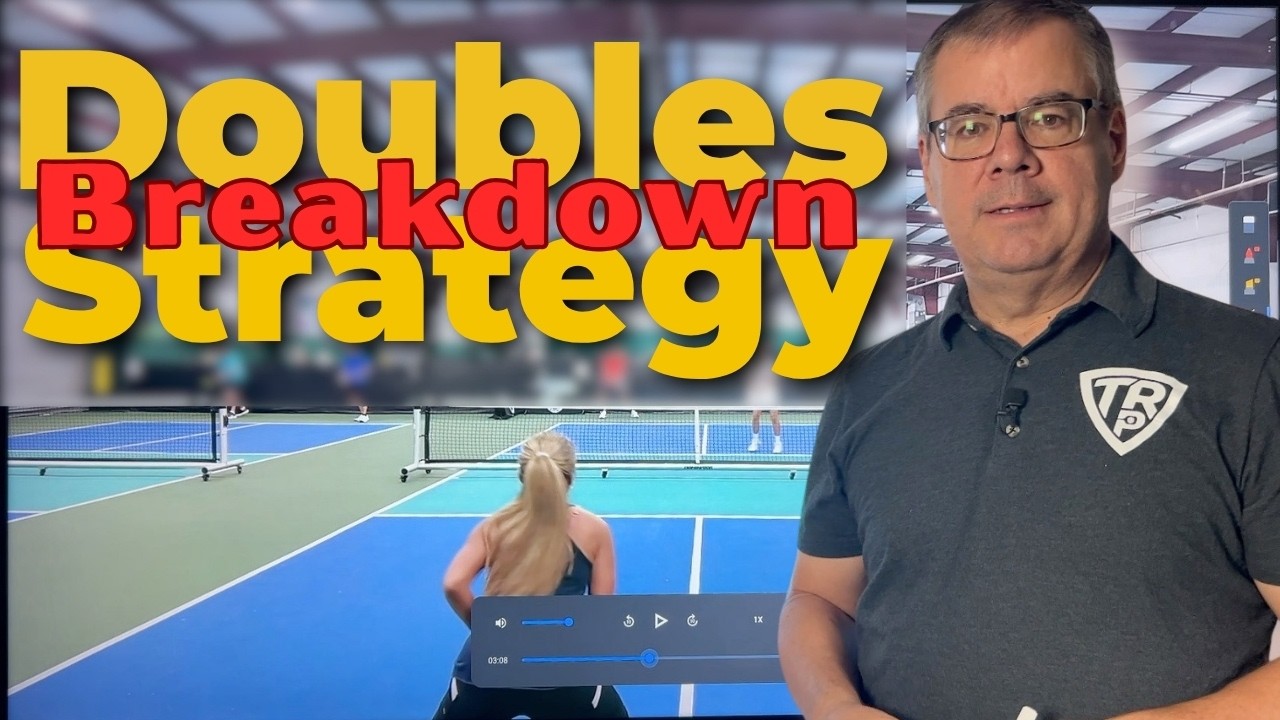
Mari Humberg, a respected pickleball instructor and PPA pro, recently broke down exactly how to master one of the most critical shots in that zone: the reset.
In a detailed lesson with Jimmy Crawford, a 4.1 DUPR player from Milwaukee, Humberg revealed the technical adjustments that separate clean resets from sloppy ones, and why most players are making the same mistakes.
Love pickleball? Then you'll love our free newsletter. We send the latest news, tips, and highlights for free each week.
What's a Pickleball Reset, and Why Does It Matter?
A reset is a soft, controlled shot hit from the transition zone that lands in the kitchen (the no-volley zone).
The goal is simple: neutralize an aggressive ball coming at you and set yourself up to move forward and take the offensive.It sounds straightforward, but the execution is where most players stumble. Humberg's lesson with Crawford highlighted a fundamental problem: players are swinging at resets when they should be pushing them.
Crawford, who came from a racquetball background, had developed a habit of taking a full swing at every ball. That works in racquetball, but in pickleball's transition zone, it's a liability.
A big swing creates timing issues, inconsistency, and leaves you vulnerable to faster balls. The reset demands finesse, not power.
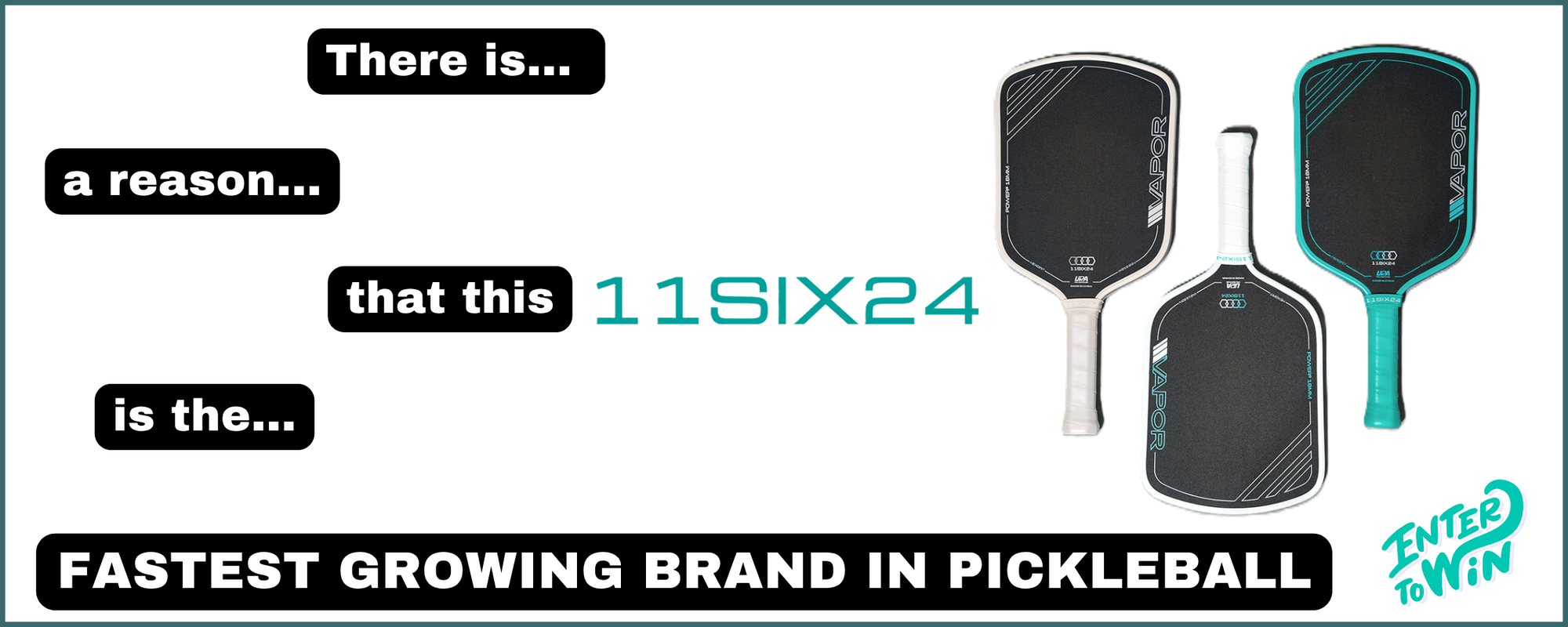
The latest drop from 11Six24 is here — and The Dink is giving you a shot to get one for free.
We’re giving away 10 Power 2 paddles, the hottest new paddle on the market built around a powerful premise: Surface grit that lasts the life of the paddle.
Enter here. And checkout their new Power 2 lineup and get $10 off with code THEDINK.
The Three Core Adjustments for a Better Pickleball Reset
Humberg identified three key changes Crawford needed to make:
- Stop the swing. Instead of a traditional backswing, think of the reset like a push pass in basketball. Your paddle should stay in front of your body, and your motion should come from your core rotation, not your arm.
- Keep your legs active. Crawford was locking his legs after his split step, which made him stiff and reactive. Humberg emphasized taking a small step back, hitting the ball, and staying ready to move forward again.
- Get low and stay low. The reset needs to land softly in the kitchen, which means you need to hit down on the ball. That requires bending your knees and maintaining a low center of gravity throughout the shot.
The Body Rotation Trick for a Cleaner Pickleball Reset
One of Humberg's most useful teaching moments came when she showed Crawford how his body rotation was actually working against him.
When Crawford turned his shoulders to set up for a swing, his paddle automatically went back too far. By the time he tried to hit the reset, his arm was already behind his body, making it nearly impossible to hit a soft, controlled shot.
Humberg's solution was elegant: turn your body, but keep your arm in front. Your paddle should already be in position before you even think about hitting the ball.
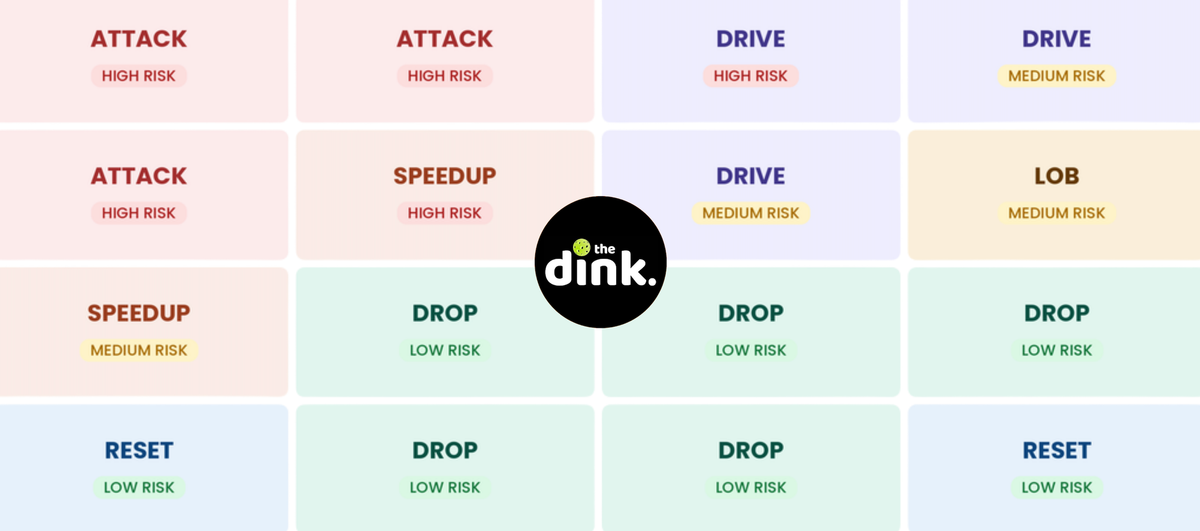
It's a subtle shift in sequencing, but it transforms the shot from a swing into a push.Decision Matrix: When to Attack or Reset in Pickleball
Pickleball is really all about two key factors: your court positioning and the height of the ball. This matrix decodes the game for you.
 The Dink PickleballThe Dink Media Team
Backhand Resets and Decision-Making
Crawford mentioned that most of his reset struggles came from the backhand side, which is common.
Humberg worked through both off-the-bounce and out-of-the-air resets, emphasizing that the same principles apply regardless of which side you're on.
The key difference with backhand resets is positioning: you need to give yourself enough space to execute the push without reaching or overextending.
Humberg also stressed the importance of making quick decisions. If a ball is coming hard at your body, you might need to take it out of the air rather than waiting for the bounce. That split-second choice can be the difference between a clean reset and a defensive pop-up.
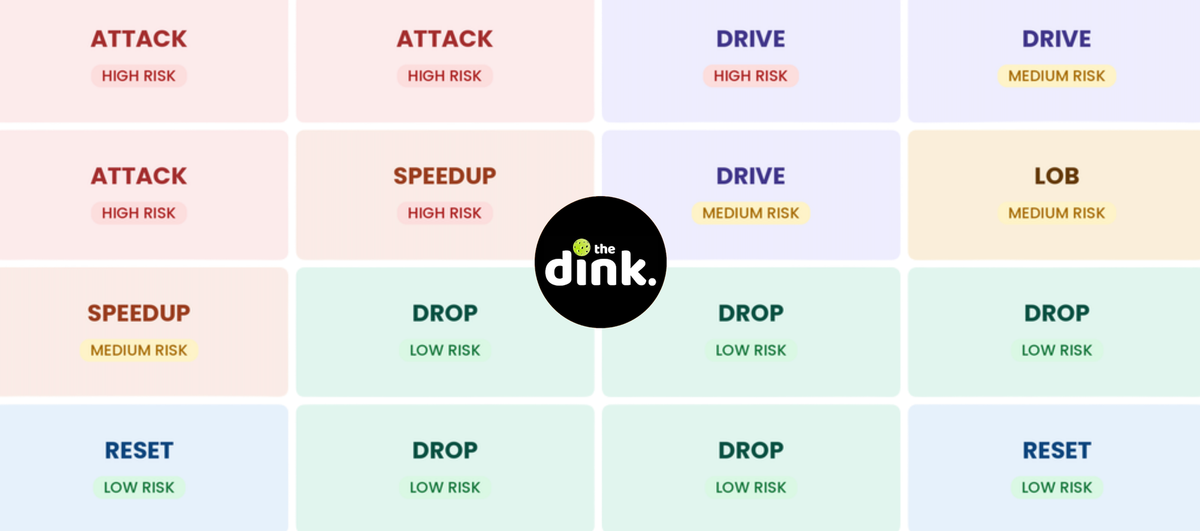
Decision Matrix: When to Attack or Reset in Pickleball
Pickleball is really all about two key factors: your court positioning and the height of the ball. This matrix decodes the game for you.
 The Dink PickleballThe Dink Media Team
Putting It Together: Full Transitions
After drilling individual resets, Humberg had Crawford move back to the baseline and work on full transition sequences.
In a match, you're not just hitting one reset; you're hitting a reset, moving forward, hitting another shot, and continuing to advance toward the net.
Crawford's improvement was noticeable. His resets became more consistent, his movement smoother, and his confidence higher.
By the end of the session, he was executing clean transitions that would hold up in competitive play. Humberg's parting advice was simple: it's all about reps now. The technique is there; Crawford just needs to practice it until it becomes automatic.
💡
Need some new pickleball gear? Get 20% off select paddles, shoes, and more with code THEDINK at Midwest Racquet Sports
What the Pickleball Reset Means for Your Game
Crawford's racquetball background wasn't a flaw to ignore; it was a specific problem to address.
By identifying the exact habit that was holding him back and giving him a clear mental model for the reset (a push, not a swing), Humberg made the adjustment concrete and repeatable.
For any pickleball player working on their transition game, the lesson is clear: the reset isn't about power or athleticism.
It's about control, positioning, and understanding the geometry of the shot. Master those elements, and you'll find yourself winning more points in the zone where matches are decided.
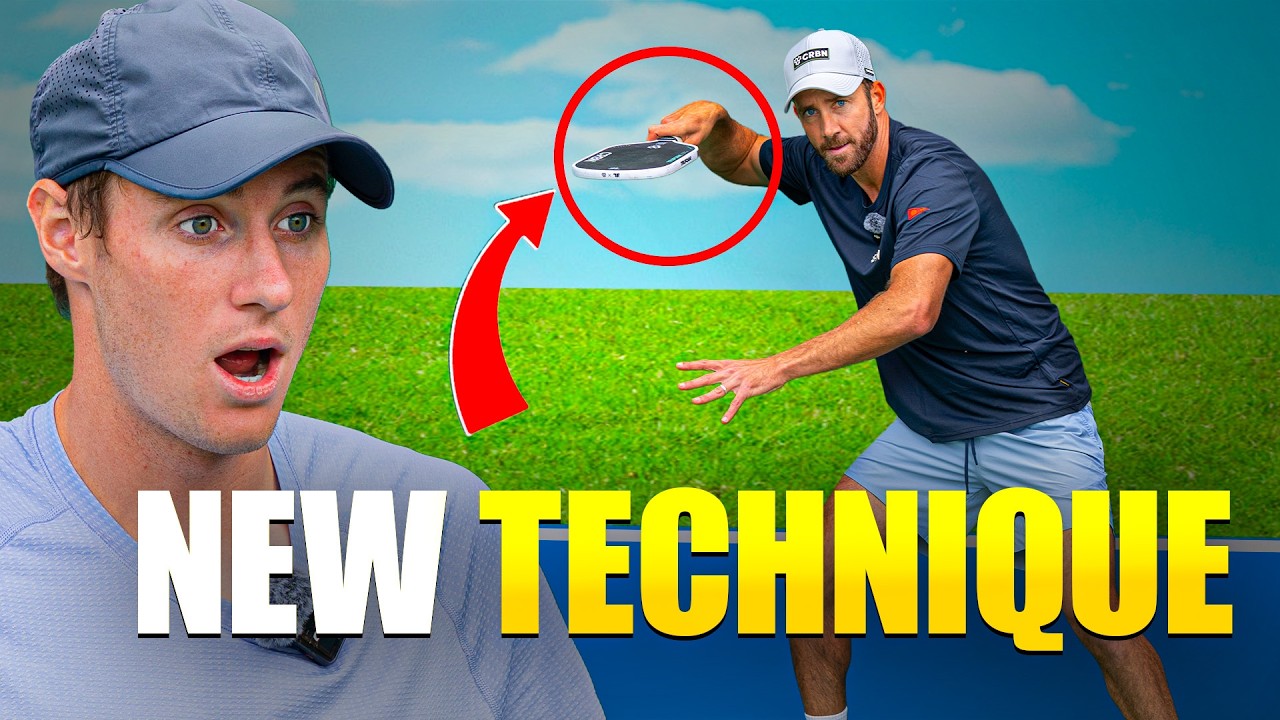
Forehand Speedup: Master the Winning Attack
Mastering is about understanding when to attack, positioning yourself for success, controlling your pace, and thinking two shots ahead.
 The Dink PickleballThe Dink Media Team
Frequently Asked Questions
What is a pickleball reset?
A pickleball reset is a soft shot used to neutralize an aggressive ball and regain control of the rally. It is typically hit from the transition zone into the kitchen.
When should I use a pickleball reset?
You should use a pickleball reset when you are under pressure and need to slow the game down. It helps you move forward safely and regain positioning.
Why do I keep popping up my resets?
Most players pop up resets because they swing too much or hit too high. Focus on keeping your paddle in front and staying low through contact.
Is the pickleball reset harder on the backhand?
Yes, the backhand pickleball reset is harder for most players due to positioning and spacing. Giving yourself more room and staying balanced helps improve consistency.
How do I practice the pickleball reset?
Practice controlled feeds in the transition zone and focus on pushing the ball instead of swinging. Repetition builds feel and improves your touch over time.
Anuncie Aqui / Advertise Here
Sua marca para o mundo Pickleball! / Your brand for the Pickleball world!







 English (US) ·
  Portuguese (BR) ·