
 English
  Spanish
  Portuguese
  German
  Italian
  Japanese
  French
  Polish
  Russian
  Netherlands
  Hungarian
  Turkish
  Videos
  Thedink Pickleball

The bump dink is rapidly becoming one of the most important shots in modern pickleball. This aggressive technique allows players to create pressure without speeding up the point.
For the last decade, the bump dink barely existed in pickleball. Players relied almost exclusively on the slice dink to take balls out of the air, and it worked fine.
But the game has evolved. Paddles have gotten better. Players have gotten smarter.
And now, the bump dink is becoming the shot that separates good players from great ones.
According to APP pro and coach Richard Livornese, the bump dink has become "super prevalent at the higher levels in the last 6 to 12 months and it's only become more important."
The shift isn't subtle. It's reshaping the game.
- How players approach the kitchen.
- How they defend against aggressive opponents.
- And how they create pressure without taking unnecessary risks.
Love pickleball? Then you'll love our free newsletter. We send the latest news, tips, and highlights for free each week.
What Exactly Is a Bump Dink?
The bump dink is fundamentally different from the slice.
Instead of reaching out and slicing the ball with a cocked wrist, you point your paddle forward, relax your wrist slightly, and lock it in place.
As the ball comes toward you, you hinge from the elbow based on ball height, then push through the contact point using your shoulder and arm together.
Here's what makes it different: there's no wrist snap. No flick. Just a controlled push that transfers energy from your shoulder through the paddle into the ball.
The result is a shot with more pace than a slice, better control than a roll, and the ability to jam up opponents who love aggressive two-handed backhand rolls.
Richard explains the mechanics clearly:
"My wrist is not going to move at all. I lock it up. Now, what I'm going to do is as the ball comes, if it's a little bit higher, I can go like this. If it's a little bit lower, I can open the face. Now, all I did there is I hinged."The beauty of the bump dink is its simplicity. You're not trying to be fancy. You're not trying to hit a winner.
You're just taking the ball out of the air with intent and control, which is exactly what modern pickleball demands.
Why the Slice Dink Isn't Enough Anymore
For years, the slice dink was the default move at the kitchen. You'd reach out, slice the ball, and neutralize your opponent.
It worked because it was predictable and safe. But predictability is a liability in modern pickleball.
The problem emerged as players got better at reading slices.
If you're slicing the ball out of the air, your opponent can back up early, wait for that dead slice, and then attack it with their own roll.
You've essentially handed them an easy offensive opportunity.
Richard describes this dynamic: "If Zach likes to roll, you'll notice if I'm slicing the ball out of the air, he's able to just keep rolling, right? I'm not like doing anything wrong, but I'm not stopping him."
The bump dink solves this problem. Because it has more pace than a slice, your opponent doesn't have time to back up and set up their attack.
They're forced to react faster, which often results in a short hop or a weak return. You've flipped the script on them.
💡
Need some new pickleball gear? Get 20% off select paddles, shoes, and more with code THEDINK at
Midwest Racquet SportsWhere to Use the Bump Dink
Not every situation calls for a bump dink. Placement matters.
The most effective location is at your opponent's feet, especially when they're the type of player who loves rolling.
When you bump the ball right at their feet with pace, they can't get underneath it to roll. They're forced into a defensive position.
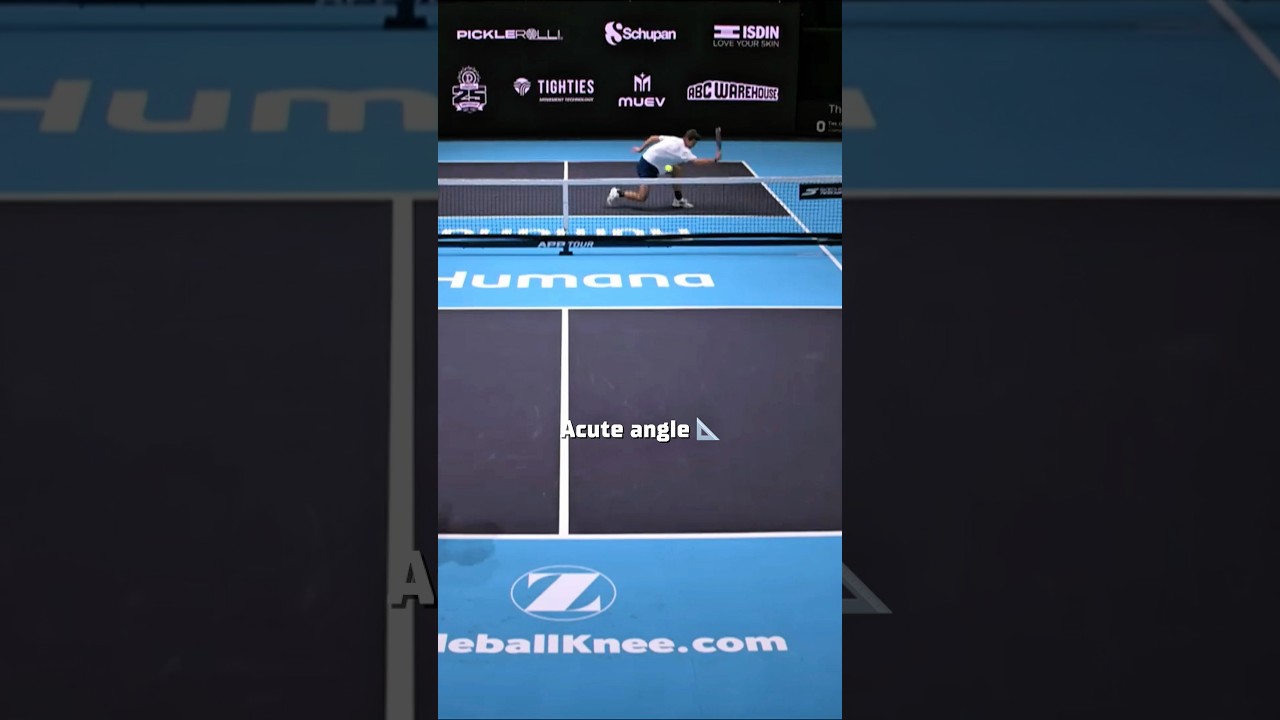
The second location is down the line when you're looking to change direction.
The bump dink gives you extra reach compared to a slice because your wrist stays locked.
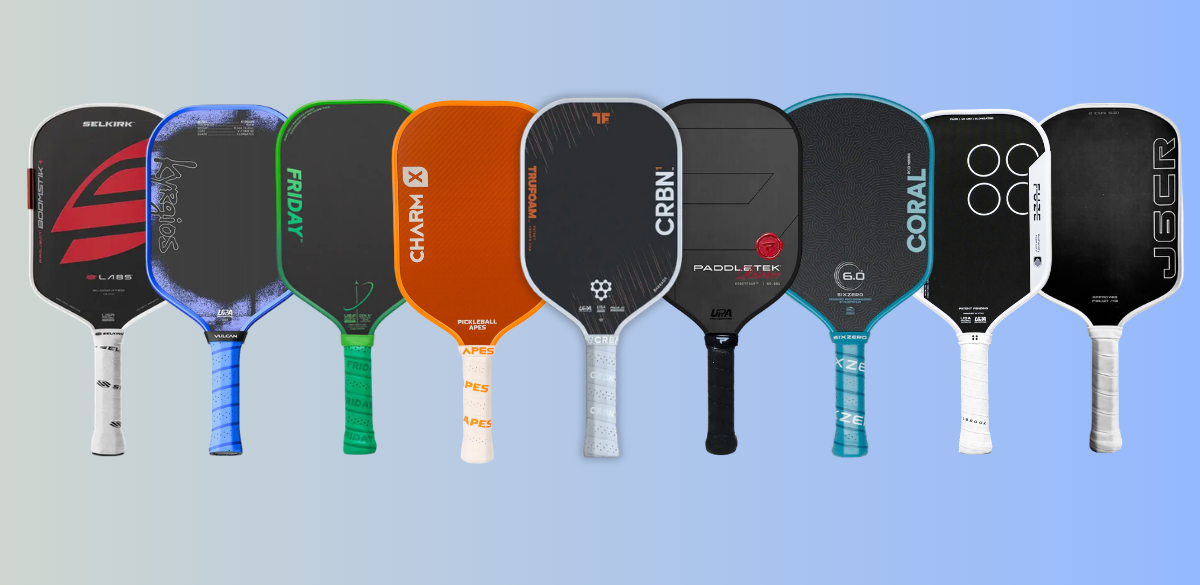
9 Power Paddles that Are Excellent at Dinking
Based on a unique blend of lab-tested power and consistency metrics, these paddles are proven to give you an edge in all three zones of the court.
 The Dink PickleballAlex E. Weaver
Richard demonstrates this advantage: "If I go to slice, my wrist has to stay cocked. So, I can only reach to here. So watch this. Right here to there.
Here to there. So I get a lot of extra reach using the bump."
Going wide with a bump dink is harder and riskier. To hit it wide, you have to close the paddle face, which makes it feel more like a roll.
Most players keep their bumps between the middle of the box and the middle of their opponent's feet, where the paddle face stays naturally open.
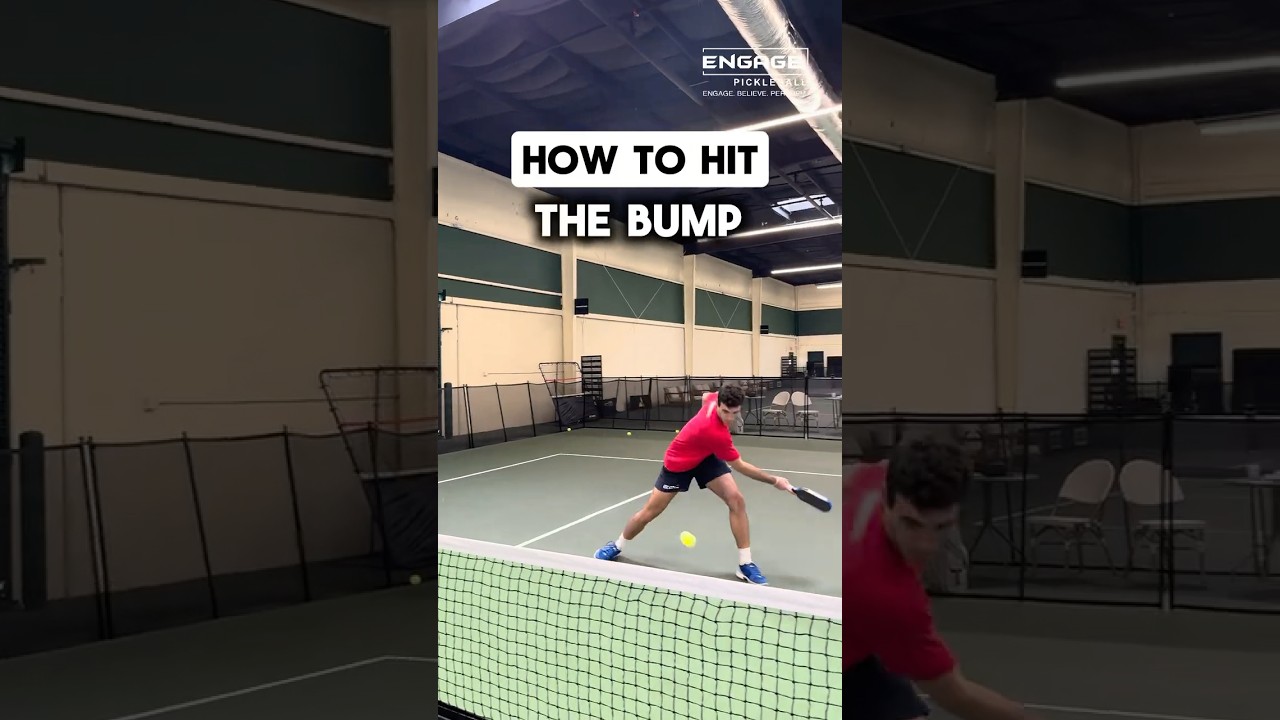
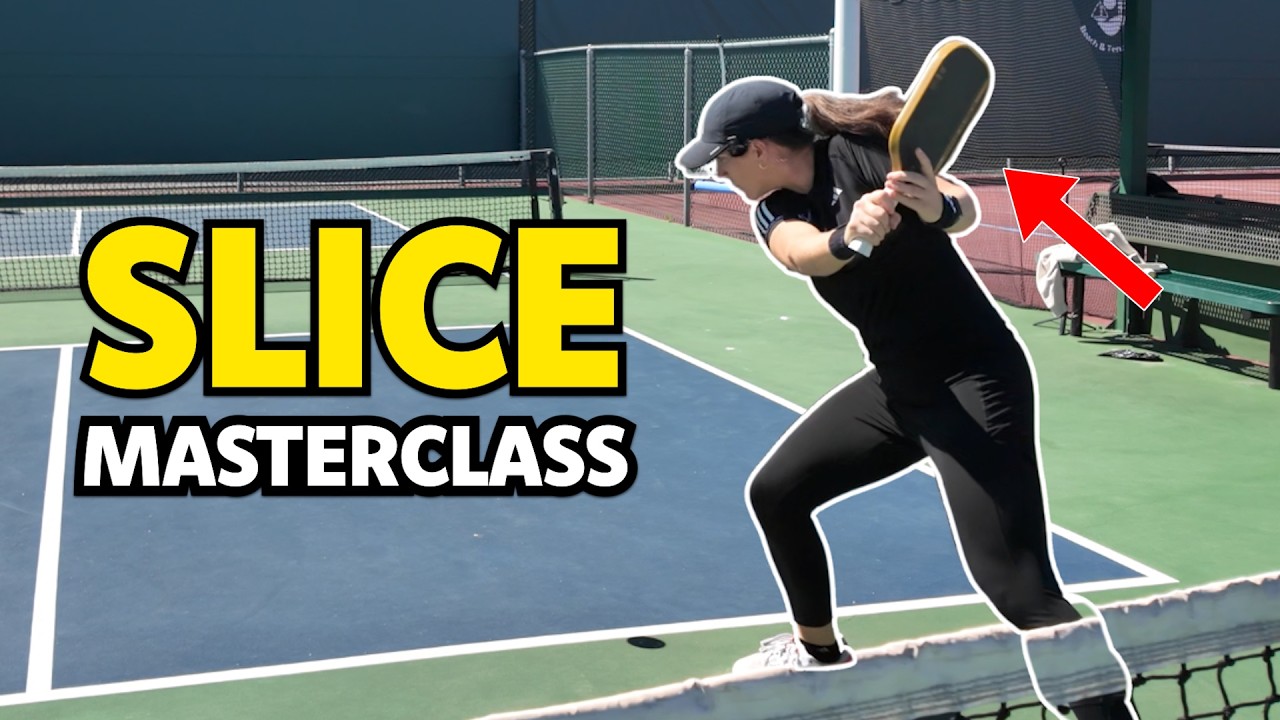
How to Hit the Bump Shot in Pickleball: Advanced Pickleball
The bump is a shot you see a lot in advanced pickleball. It doesn’t look like much, but it’s highly effective for staying ahead of points and dictating pace of play on your own terms.
The Dink PickleballThe Dink Media Team
How Does the Bump Dink Create Pressure?
Pressure in pickleball isn't always about hitting winners. Sometimes it's about taking away time. The bump dink does exactly that.
Because it has more pace than a slice, your opponent has less time to identify the ball, back up, and set up their next shot.
Richard tested this in a live demo with Zach, a skilled roller. When slicing, Zach had plenty of time to identify the ball and roll it back.
But when Richard switched to the bump dink, Zach was forced into short hops and defensive positions.
The pace of the shot compressed the timeline, which is exactly what you want.
This is especially valuable against players who thrive on rhythm and timing.
If you can disrupt their timing with a faster ball, they're more likely to make errors or hit weak returns.
The bump dink is a timing disruptor.Pickleball Dinking Technique: The Complete Beginner’s Guide
This guide breaks down everything you need to know about proper dinking form, grip, stance, and drills to dominate at the kitchen line.
The Dink PickleballThe Dink Media Team

The Technical Breakdown: How to Execute a Bump Dink
Getting low is the first step. You need to be in an athletic position with your knees bent and your weight ready to move.
- From there, loosen your wrist forward and point your paddle at the net. Your wrist should feel relaxed but not floppy.
- As the ball approaches, adjust your wrist position based on the height. Higher balls require a more closed paddle face. Lower balls require a more open face.
This adjustment happens before you start the shot, not during it.
Once you begin the motion, everything comes from your shoulder. Your arm and paddle move together as one unit.
There's no wrist snap, no flick, no independent hand movement. It's all shoulder drive pushing through the contact point.
The follow-through is short and controlled.
You're not trying to generate power like you would on a drive. You're just pushing the ball with intent and control.
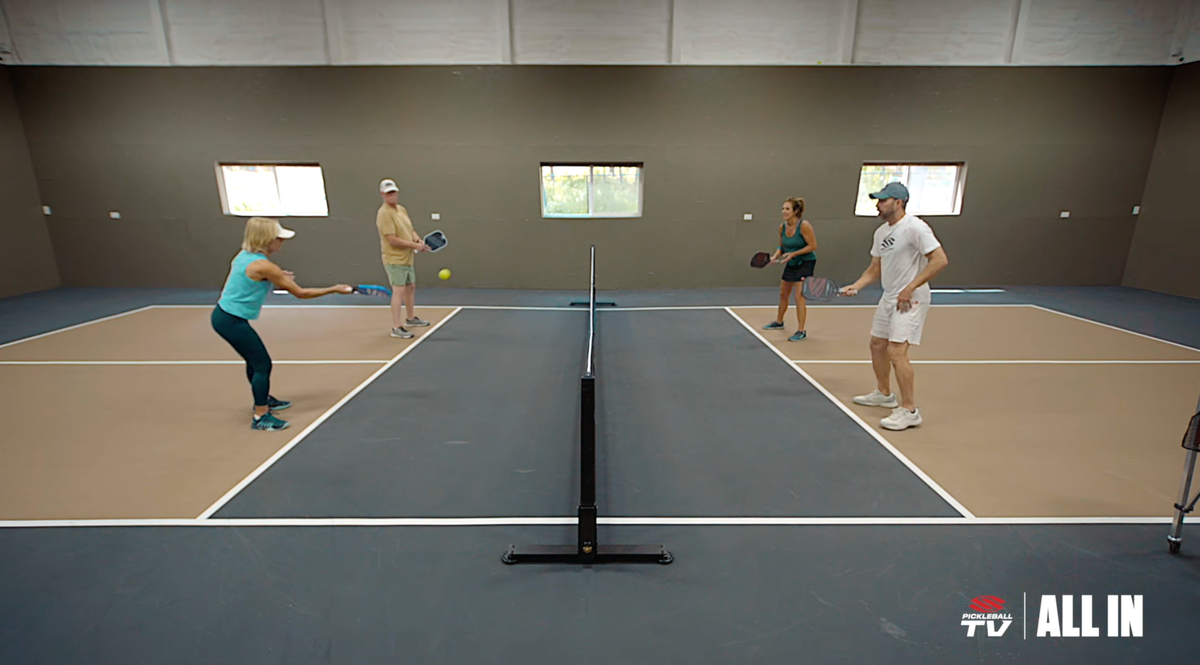
Pickleball Dinking 101: Small Swings, Big Results
You’re not trying to hit winners from the kitchen. You’re trying to create situations where your opponent makes a mistake or gives you a ball you can attack
The Dink PickleballThe Dink Media Team
When Should You Still Use the Slice Dink?
The bump dink isn't a replacement for the slice. It's an addition to your toolkit. Richard still uses the slice when he's on the move, out of position, or uncomfortable.
The slice is more forgiving when you're stretched out or when you need to make a quick adjustment.
The bump dink is for when you're set, stable, and ready to execute.
- It's the shot you use when you know your opponent is going to roll the ball to you.
- It's the shot you use when you want to change direction with extra reach.
- It's the shot you use when you want to jam up an aggressive opponent.
Think of it this way: the slice is your safety net. The bump dink is your weapon.
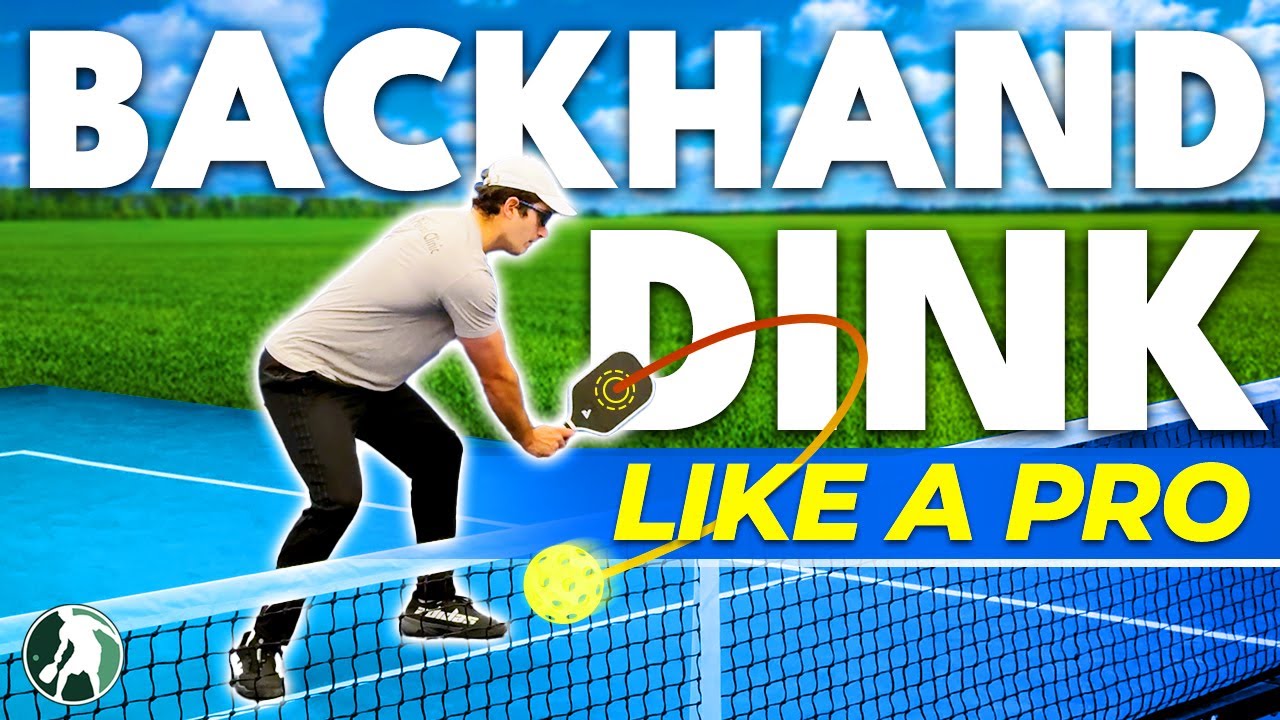
Perfect the Backhand Slice Dink with These 3 Essential Tips
When you’re locked in a tight dinking battle, this shot is your insurance policy
The Dink PickleballThe Dink Media Team
How Much Has This Changed the Game?
Richard offers a telling statistic about his own evolution: "I was using it 0% of the time before. Right. So, with that shot, right, we're going to get low.
We're going to loosen our wrist forward, and we're going to use our shoulder to push through the ball. Now, that's been a big change in the last 3 months.
Even for me, I'm probably using the bump 50 plus% of the time now."
That's a massive shift in just three months. And Richard isn't alone.
Players across the competitive pickleball landscape are adopting the bump dink because it works.
It creates pressure. It disrupts timing. It gives you extra reach. It's becoming as fundamental as the third shot drop.
The evolution of pickleball is constant. New paddles lead to new techniques. New techniques lead to new strategies.
The bump dink is the latest evolution, and it's here to stay.💡
Heads up: hundreds of thousands of pickleballers read our free newsletter.
Subscribe herefor cutting edge strategy, insider news, pro analysis, the latest product innovations and more.
Frequently Asked Questions
What's the difference between a bump dink and a roll?
A bump dink uses a locked wrist and shoulder drive, while a roll uses wrist snap and hand action. The bump dink is more controlled and less risky, while a roll is more aggressive and higher risk. The bump dink is designed to take balls out of the air at the kitchen line, while a roll is typically used to attack balls that are higher or further from the net.
Can beginners use the bump dink?
Yes, beginners can learn the bump dink, but it requires good positioning and a stable base. The shot is easier to execute when you're set and balanced. Beginners should focus on mastering the slice dink first, then add the bump dink to their toolkit as they improve their court positioning and footwork.
How do I know when to use a bump dink versus a slice dink?
Use a bump dink when you're set, stable, and expecting an aggressive roll from your opponent. Use a slice dink when you're on the move, out of position, or need a safer option. The bump dink is your offensive choice; the slice is your defensive choice.
Does the bump dink work against all playing styles?
The bump dink is most effective against players who love rolling and aggressive two-handed backhand attacks. Against players who prefer dinking and patience, the advantage is less pronounced. However, the extra reach and pace of the bump dink are valuable against any opponent.
How long does it take to master the bump dink?
Most players can learn the basic mechanics in a few practice sessions. Mastering the shot, including placement and timing, typically takes several weeks of consistent practice. The key is repetition and building muscle memory for the locked wrist and shoulder-driven motion.
Anuncie Aqui / Advertise Here
Sua marca para o mundo Pickleball! / Your brand for the Pickleball world!




 English (US) ·
  Portuguese (BR) ·