
 English
  Spanish
  Portuguese
  German
  Italian
  Japanese
  French
  Polish
  Russian
  Netherlands
  Hungarian
  Turkish
  Videos
  Thedink Pickleball

This guide breaks down everything you need to know about proper dinking form, grip, stance, and drills to dominate at the kitchen line.
If you're struggling at the kitchen line, your dinking technique is probably the culprit.
A dink in pickleball is a soft shot that travels over the net from the non-volley zone (also called "the kitchen") and lands in your opponent's kitchen.
Sounds simple, right? Not quite. There are dozens of subtle techniques and strategies that separate beginners from players who consistently win points at the net.
The good news: dinking technique can be learned and improved with focused practice. According to instructors Barrett and Danea Bass from PlayPickleball.com, most beginners make the same mistakes over and over. Once you understand what those mistakes are and how to fix them, your game transforms almost immediately.
Love pickleball? Then you'll love our free newsletter. We send the latest news, tips, and highlights for free each week.
Article Outline
- Introduction - Define dinking technique and why it matters
- The Ready Position - Foundation for all dinking
- Grip Strength and Control - Common mistakes with grip
- Contact Point Zone - Where to hit the ball
- Common Dinking Mistakes - What to avoid
- Best Dinking Tips - Actionable advice
- The Protect the Castle Drill - Practical training method
- FAQ Section
Why the Ready Position Is Your Foundation
Before you even think about hitting a dink, you need to nail the ready position. This is where most players go wrong right out of the gate.
The ready position isn't complicated, but it's critical.
- You want a slight bend in your knees, your paddle held out in front of your body, and your weight balanced on the balls of your feet.
- Too many beginners stand flat-footed with their paddle down at their side, which means they're always playing catch-up.
Think of the ready position as your home base. Every time you hit a dink, you should recover back to this position. Your knees should be slightly bent, your paddle should be at chest height or slightly higher, and you should be ready to move in any direction. This stance gives you the best chance to react quickly to whatever your opponent throws at you.
8 Easy Tips to Play More Consistent Pickleball
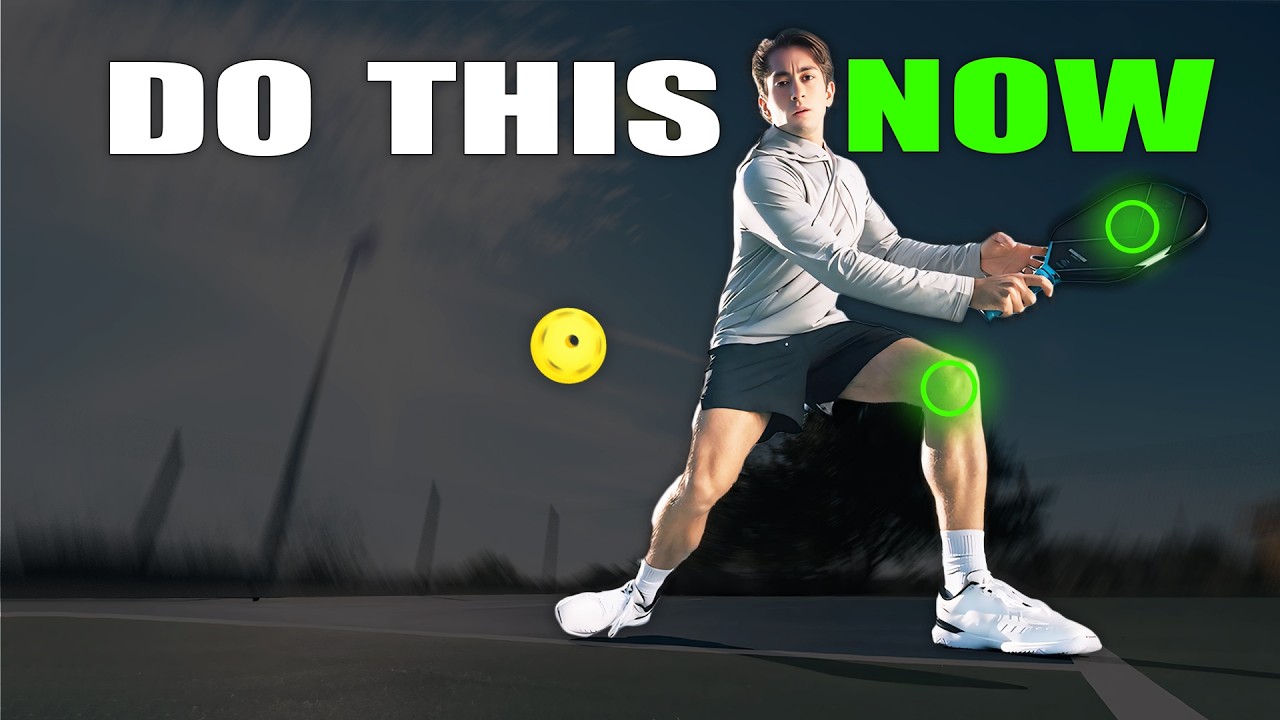
Maintain complete visual focus on the ball through contact, hit unattackable shots, and always recover back to neutral.
 The Dink PickleballThe Dink Media Team
The Grip Strength Problem Nobody Talks About
Here's something that might surprise you: gripping your paddle too tightly is killing your dinking technique.
When you hyper-grip the paddle, all that tension transfers through your forearm, into the handle, up to the paddle face, and finally into the ball.
The result? Popups. Lots of them. Your opponent gets an easy put-away, and you're left wondering what went wrong.
Instead, think of grip strength on a scale of one to ten.
- One means the paddle is practically falling out of your hand.
- Ten means you're squeezing so hard you can see the veins in your forearm.
- For dinking technique, you want to hold the paddle at about a 3 or 4 on that scale.
This lighter grip does something counterintuitive: it actually gives you more control. Your arm stays relaxed, your swing stays smooth, and the ball comes off your paddle with the soft touch you need. It takes practice to trust this, but once you do, your consistency at the kitchen line improves dramatically.
💡
Need some new pickleball gear? Get 20% off select paddles, shoes, and more with code THEDINK at Midwest Racquet Sports
One of the biggest mistakes in dinking technique is contacting the ball outside your contact point zone. This usually means hitting the ball to the side of your body or, worse, behind your body.
When you hit the ball to the side, you often create a popup. When you hit it behind your body, all your momentum goes up instead of forward, which creates an even bigger popup. Your opponent smashes it away, and the point is over.The solution is simple: contact the ball in front of your body. This is your contact point zone, and it's sacred. Every dink should be hit in this zone. If you're getting a ball that's going deep, step back to create space, but make sure you're still hitting it in front of your body. Then recover back to the kitchen line.
This one adjustment alone will cut your unforced errors in half.
Master Your Pickleball Soft Game Like a Pro
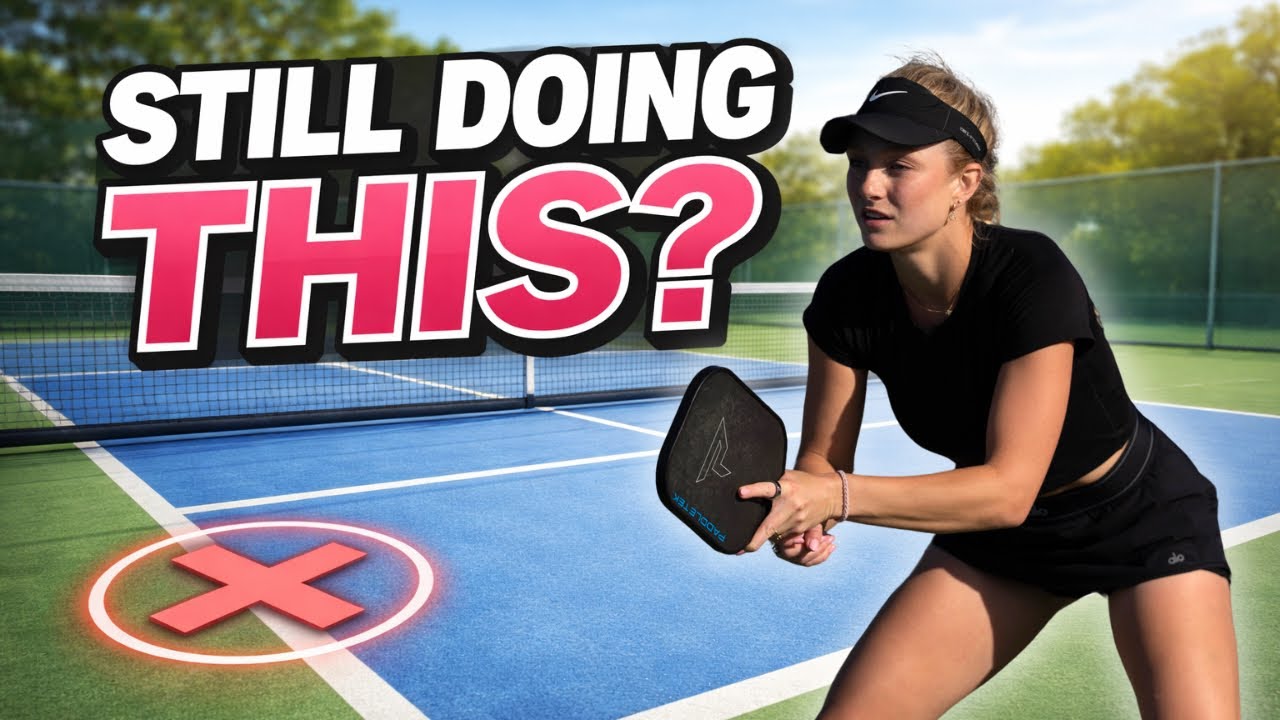
Your pickleball soft game might be sabotaging you without you even knowing it. Here’s how to fix it and start winning more points immediately.
 The Dink PickleballThe Dink Media Team
The Most Common Dinking Mistakes (And How to Fix Them)
Let's talk about the mistakes that show up in almost every beginner's game.
- Excessive wrist movement is the first culprit. When you move your wrist a lot during a dink, you introduce variables that make consistency nearly impossible. Instead of using your wrist, swing from your shoulder. Use your legs and core. Rely on the big muscles in your body to create a smooth, repeatable motion.
- Taking too big a backswing is the second mistake. You don't need a huge backswing to hit a soft dink. In fact, a big backswing works against you. Keep your swing short and compact. Your paddle should only go back a few inches before you swing forward. This compact motion gives you better control and makes it harder for your opponent to read what you're doing.
- Standing too far from the kitchen line is the third issue. The kitchen line is the best real estate on the pickleball court. You want to stay right at that white line whenever possible. Yes, sometimes you'll need to step back to hit a deep ball, but your goal is always to recover back to the line. The closer you are to the net, the more angles you can hit and the harder it is for your opponent to put the ball away.
Heads up: hundreds of thousands of pickleballers read our free newsletter. Subscribe here for cutting edge strategy, insider news, pro analysis, the latest product innovations and more.
The Best Dinking Tips That Actually Work
Now that you know what not to do, let's talk about what you should do.
Stay at the kitchen line. This is the golden rule of dinking technique. The kitchen line is where the best real estate is. Stay there. Protect it. Only step back when you absolutely have to, and then recover immediately.
Use a short, compact swing. Your backswing should be minimal. Your follow-through should be minimal. You're not trying to generate power; you're trying to generate control and consistency. A short swing also makes it harder for your opponent to anticipate where your dink is going.
Keep your paddle out in front. Your paddle should always be in front of your body, ready to react. This is part of the ready position, but it's so important it deserves its own mention. If your paddle is down at your side, you're already behind.
Swing from your shoulder, not your wrist. This creates a smooth, repeatable motion that's much easier to control than wrist-heavy dinking. Your shoulder is a bigger joint with more stability. Use it.
Contact the ball in front of your body. We've said this before, but it's worth repeating. Every single dink should be hit in front of your body. This is non-negotiable.
💡
Need some new pickleball gear? Get 20% off select paddles, shoes, and more with code THEDINK at Midwest Racquet Sports
The Protect the Castle Drill: Your Secret Weapon
Want to put all of this together? Try the Protect the Castle drill, which is one of the best beginner dinking technique drills out there.
Here's how it works:
- You and a partner each place a blue dot (or any marker) on the court in front of you.
- This dot is your "castle."
- Now you dink back and forth, and your goal is to hit your opponent's castle while protecting your own.
- You're trying to hit their dot while making sure they don't hit yours.
This drill forces you to practice everything we've talked about.
- You have to contact the ball in front of your body.
- You have to use a short, compact swing.
- You have to stay at the kitchen line and recover to the middle.
- You have to take balls out of the air that you should and let balls bounce that you should.
The beauty of this drill is that it's fun. You're not just mindlessly hitting dinks; you're playing a game with a clear objective. And because you're focused on hitting a specific target, your consistency improves naturally.
You can also play this drill crosscourt. Instead of hitting straight ahead, you hit diagonally across the court. This adds another layer of difficulty and helps you practice your crosscourt dinking, which is essential at higher levels of play.
Why Dinking Technique Separates Good Players from Great Ones
Here's the thing about pickleball: the player who controls the kitchen line usually wins the point. And the player who controls the kitchen line is almost always the one with the best dinking technique.
This isn't a coincidence. Dinking is the most fundamental shot in pickleball. It's the shot you'll hit more than any other. If you're hitting 50 dinks in a match, and you're making 45 of them instead of 40, that's five extra points. Five extra points can be the difference between winning and losing.
The pros understand this. They spend hours perfecting their dinking technique because they know it's the foundation of their game. Everything else (third shot drops, attacks, resets) builds on top of solid dinking fundamentals.
Kitchen Attack Strategy: Master the Net
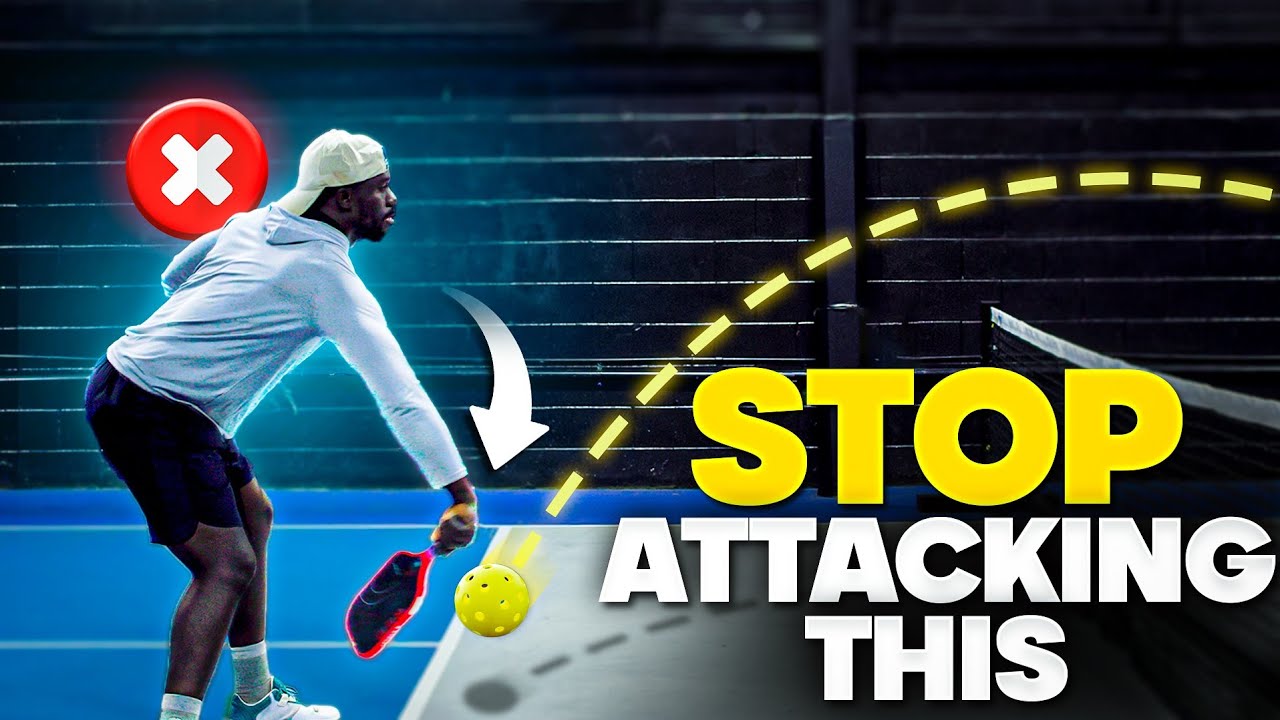
An effective kitchen attack strategy requires knowing when to speed up, where to aim, and how to disguise your intentions.
 The Dink PickleballThe Dink Media Team
Putting It All Together
Mastering dinking technique doesn't happen overnight. But if you focus on the fundamentals we've covered, you'll see improvement quickly.
Start with the ready position. Make sure your knees are bent, your paddle is out in front, and you're balanced. Then work on your grip. Loosen up. You don't need to squeeze the paddle like you're trying to strangle it.
Next, focus on your contact point zone. Every dink should be hit in front of your body. If you're hitting balls to the side or behind you, you're creating popups. Stop doing that.
Finally, practice the Protect the Castle drill. It's simple, it's fun, and it works. Spend 15 minutes a day on this drill, and your dinking technique will improve dramatically.
The kitchen line is where pickleball is won and lost. Master your dinking technique, and you'll master the game.
Love pickleball? Then you'll love our free newsletter. We send the latest news, tips, and highlights for free each week.
Frequently Asked Questions
What exactly is a dink in pickleball?
A dink is a soft shot hit from the non-volley zone (the kitchen) that lands in your opponent's kitchen. It's designed to be a controlled, low-velocity shot that keeps the ball low over the net and makes it difficult for your opponent to attack.
Why is grip strength so important for dinking?
Grip strength affects how much energy transfers from your arm to the ball. A tight grip creates tension that leads to popups and inconsistency. A lighter grip (around 3 or 4 on a scale of 10) allows for better control and more consistent dinking.
How do I know if I'm contacting the ball in the right spot?
You should contact the ball in front of your body, roughly at waist to chest height. If you're hitting the ball to the side of your body or behind you, you're outside your contact point zone and likely creating popups.
What's the best drill to improve my dinking?
The Protect the Castle drill is one of the best beginner drills. You and a partner place markers in front of you and try to hit each other's marker while protecting your own. This forces you to practice proper contact point, compact swing, and kitchen line positioning all at once.
How often should I practice dinking?
Ideally, you should spend at least 15 to 20 minutes per practice session working on dinking drills. Since dinking is the most fundamental shot in pickleball, dedicating time to it will pay dividends in your overall game improvement.
Anuncie Aqui / Advertise Here
Sua marca para o mundo Pickleball! / Your brand for the Pickleball world!





 English (US) ·
  Portuguese (BR) ·