
 English
  Spanish
  Portuguese
  German
  Italian
  Japanese
  French
  Polish
  Russian
  Netherlands
  Hungarian
  Turkish
  Videos
  Thedink Pickleball

Your pickleball soft game might be sabotaging you without you even knowing it. Here's how to fix it and start winning more points immediately.
The pickleball soft game is where matches are won and lost, yet most amateur players are doing it completely wrong.
According to Ashley Griffith, a professional pickleball player, the biggest mistake she sees in nearly every amateur is that their soft game isn't actually soft.
Players think they're being aggressive, but what they're really doing is handing their opponents an easy opportunity to attack.
Here's the thing: your dinks might be the problem, and you don't even realize it.
Love pickleball? Then you'll love our free newsletter. We send the latest news, tips, and highlights for free each week.
Why Your Dinks Are Setting You Up to Lose
Most amateurs hit their dinks too high, too firm, or too attackable. That's why you keep getting sped up on at the net. The goal of the pickleball soft game isn't just to get the ball over the net; it's to make your opponent uncomfortable and force them into a defensive position.
A good dink should stay low, remain unattackable, and force your opponent to hit up on the ball.
If they can attack it, your dink isn't soft enough. The difference between amateur and professional play comes down to this single concept: pros aren't trying to win the point with the dink. They're trying to win the setup.
Think about it this way. When you hit a dink that's too high or too firm, you're essentially giving your opponent a gift. They get to take an aggressive swing, speed up the ball, and put you on your heels. You've already lost the point before the rally even develops.
What Does a Real Soft Game Look Like?
The key to mastering your pickleball soft game is understanding what "soft" actually means. It's not about hitting the ball gently; it's about hitting it with control and precision so that it lands in a spot where your opponent can't attack it.
Ashley Griffith breaks this down in her approach: before you hit every dink, ask yourself one question: "Can they attack this?" If the answer is yes, your dink is not soft enough. Your goal is to make them lift the ball, not give them something easy and attackable.
Here are the three things that make a dink truly soft:
- Height — The ball should land low in the kitchen, ideally just above the net tape
- Pace — The ball should travel slowly enough that your opponent can't generate power
- Placement — The ball should land deep enough in the kitchen that they're forced to hit up
When all three elements come together, you've created what pros call an "unattackable" dink. Your opponent has no choice but to hit the ball upward, which gives you the opportunity to move forward and take control of the net.
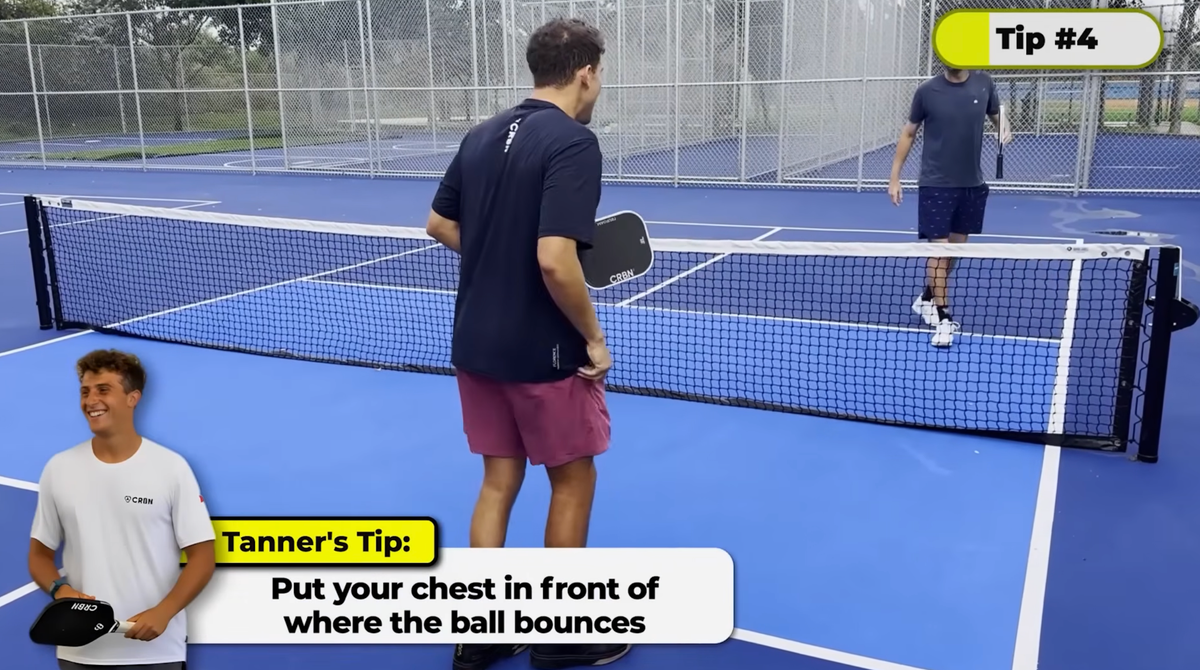
Pickleball Kitchen Line: 6 Skills to Become Unattackable
Tanner Pickleball breaks down how six simple adjustments in positioning and awareness can make you nearly impossible to attack at the kitchen line
 The Dink PickleballThe Dink Media Team
How the Pros Think About Dinking Differently
Here's where the mental shift happens. Amateur players think the dink is a way to win the point. Professionals think of it as a way to set up the winning shot. This distinction changes everything about how you approach the pickleball soft game.
When you're at the pro level, you're not trying to end the rally with a dink. You're trying to create a situation where your opponent is forced to pop the ball up or hit it weak. Once that happens, you can move in and finish the point with an aggressive shot.
This requires patience. It requires discipline. And it requires understanding that sometimes the best offense is a really good defense. Your pickleball soft game is your defense. It's your way of controlling the point and dictating the terms of the rally.
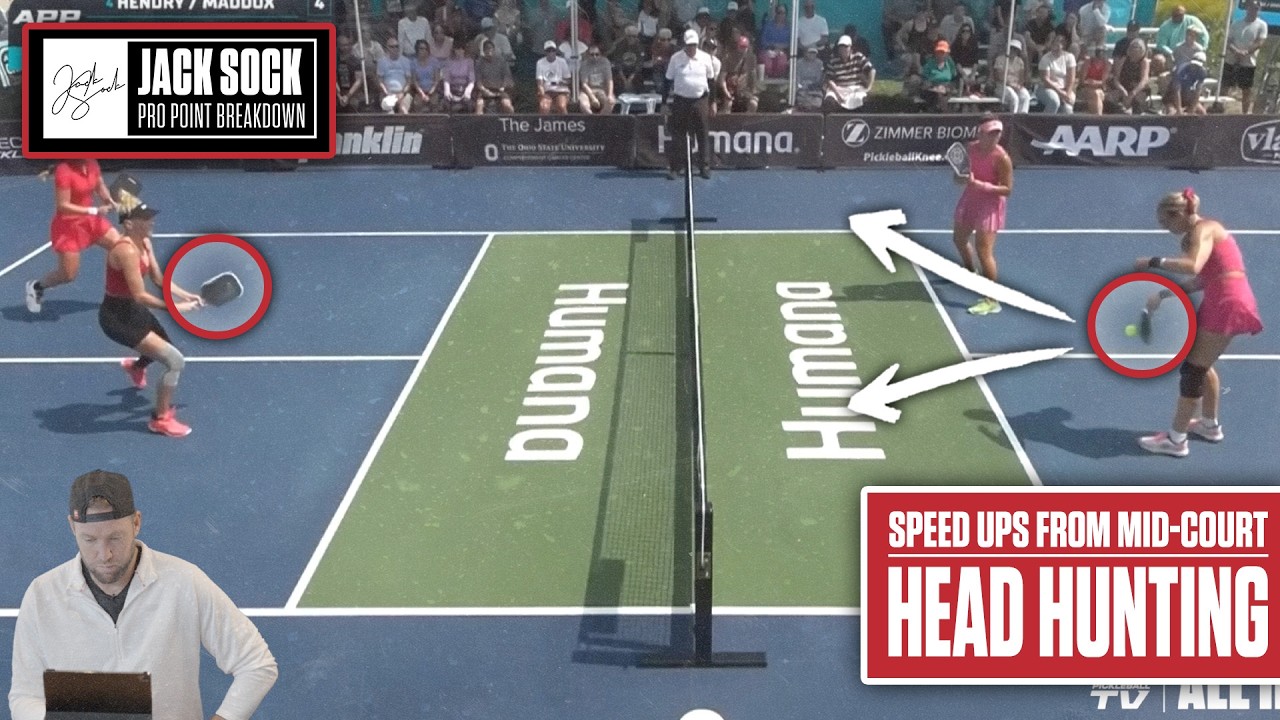
How to Defend Against a Body Bag in Pickleball
The key is to let the ball do some of the work for you. Rather than generating your own power, you’re redirecting the incoming pace back toward your opponent.
 The Dink PickleballThe Dink Media Team
The One Thing That Changes Everything
If you fix just one thing about your pickleball soft game, you're going to win more points immediately.
Stop trying to win with your dinks. Start trying to set up your opponent to make a mistake.This mental shift is more powerful than any technique adjustment. When you stop thinking about winning the point and start thinking about neutralizing the point, your entire approach changes.
- You'll hit softer dinks.
- You'll place them better.
- You'll be more patient.
And most importantly, you'll force your opponents into uncomfortable positions where they have to make difficult choices.
The next time you play, make this your focus. Every single dink, ask yourself: "Is this unattackable?" If it's not, adjust. Hit it lower. Slow it down. Place it deeper. Keep adjusting until your opponent has no choice but to hit up.
Heads up: hundreds of thousands of pickleballers read our free newsletter. Subscribe here for cutting edge strategy, insider news, pro analysis, the latest product innovations and more.
Why Pop-Ups Aren't Actually Your Problem
You've probably heard that pop-ups are the enemy in pickleball. But here's what most players get wrong: pop-ups aren't the problem. A weak pickleball soft game is the problem. Pop-ups are just the symptom.
When your opponent pops the ball up, it's because your dink gave them an opportunity to attack. You hit it too high, too fast, or too close to the net. You made it attackable. So instead of blaming pop-ups, look at what you're doing to create them.
This is the real insight that separates amateurs from pros. Pros understand that they control the quality of their opponent's shots through the quality of their own shots. If your opponent is popping the ball up constantly, it's because your pickleball soft game is forcing them to. And that's actually a good thing. That means you're doing something right.
💡
Need some new pickleball gear? Get 20% off select paddles, shoes, and more with code THEDINK at Midwest Racquet Sports
Putting It Into Practice
The beauty of this approach is that it's immediately applicable. You don't need new equipment. You don't need to completely overhaul your technique. You just need to change how you think about the pickleball soft game and what you're trying to accomplish with every single dink.
Start in practice. Work on hitting dinks that are genuinely unattackable. Feel what it's like when your opponent has no choice but to hit up. Notice how that changes the dynamic of the rally. Once you understand what an unattackable dink feels like, you can start reproducing it consistently in matches.
The improvement will be noticeable. You'll win more points. You'll feel more in control at the net. And you'll start to understand why the pros make it look so easy. They're not hitting harder or faster. They're just hitting smarter.
Split Step Pickleball: Footwork Tips for Seniors
By mastering this simple footwork move, you’ll stop your forward momentum and give your brain the split second it needs to read your opponent’s paddle.
 The Dink PickleballThe Dink Media Team

Frequently Asked Questions
What's the difference between a dink and a drop shot in pickleball?
A dink is a soft shot hit from the kitchen (the no-volley zone) that lands in your opponent's kitchen. A drop shot is typically hit from the baseline and lands in the kitchen. Both are soft shots, but dinks are used during net play while drop shots are used to transition from the baseline to the net.
How low should my dink be to be considered unattackable?
Your dink should land just above the net tape, ideally within 6 inches of the net on your opponent's side. The lower the dink, the harder it is for your opponent to attack it. If your dink is higher than the net tape, your opponent can likely take an aggressive swing.
Can I use the same soft game strategy against all opponents?
The core principles of the pickleball soft game apply to all opponents, but you may need to adjust based on their skill level and tendencies. Against more aggressive players, you might need to hit even softer dinks. Against players who struggle with patience, you might use dinking to frustrate them into mistakes.
How long does it take to develop a solid soft game?
Most players can see improvement in their pickleball soft game within a few weeks of focused practice. However, mastering it to a pro level takes months or years of consistent work. The key is to practice intentionally and focus on the quality of each dink rather than just hitting a high volume of shots.
Should I always dink when I'm at the net?
Not necessarily. Once you've established control with your pickleball soft game and your opponent is forced to hit up, that's your opportunity to attack. The dink is a tool for setting up the point, not for winning it. Know when to transition from dinking to attacking.
Anuncie Aqui / Advertise Here
Sua marca para o mundo Pickleball! / Your brand for the Pickleball world!








 English (US) ·
  Portuguese (BR) ·