
 English
  Spanish
  Portuguese
  German
  Italian
  Japanese
  French
  Polish
  Russian
  Netherlands
  Hungarian
  Turkish
  Videos
  Thedink Pickleball

The pickleball transition zone is where most players struggle, but mastering it separates beginners from competitive players. Learn the reset shot technique that gives you control of the middle court.
The pickleball transition zone is the most misunderstood part of the court, and it's costing you points.
Most newer players either camp at the baseline hoping for the best or sprint to the net as fast as possible, completely skipping the middle section where the real game is won.
Here's what you need to know: learning to navigate this critical space separates casual players from competitive ones.
Love pickleball? Then you'll love our free newsletter. We send the latest news, tips, and highlights for free each week.
Why Most Players Fail in the Middle Court
The pickleball transition zone sits between the baseline and the net, and it's where the game's momentum shifts.
According to DJ Howard, a leading pickleball instructor featured on Selkirk TV, too many players make one of two critical mistakes:
- They either stay back at the baseline and hit passively
- Or they race forward without control
"It's really, really important that you learn to pause and prepare for those shots when you're in that section of the court," Howard explains.
When your opponent is about to hit the ball, you can't afford to just sprint to the net. You have to stay under control, maintain your posture, and be ready to execute the right shot.
The problem is that the transition zone feels uncomfortable. It's not the safety of the baseline, and it's not the dominance of the net. But that discomfort is exactly why most players avoid mastering it.
The players who do master this space become significantly harder to beat.
What Is the Reset Shot?
The reset shot is your secret weapon in the pickleball transition zone. It's a soft, controlled shot designed to hit the ball toward your opponent's feet, ideally landing in the non-volley zone (also called the kitchen).
Here's why this matters: if you hit the ball up into your opponent's strike zone, they can hit a strong volley and put you on the defensive.
But if you keep the ball low and direct it toward their feet, they lose their attacking advantage. You've essentially "reset" the point, moving from a disadvantaged position to a neutral one.
💡
Need some new pickleball gear? Get 20% off select paddles, shoes, and more with code THEDINK at Midwest Racquet Sports
"A reset shot is one in which I'm trying to hit the ball over the net towards your feet," Howard says. "If I hit that ball up to you in your strike zone where you can hit a strong volley, it's now very difficult for me to hit a return off of that ball."
The reset can be hit as a volley (before the ball bounces) or after the ball bounces. Either way, the goal is the same: control and placement over power.
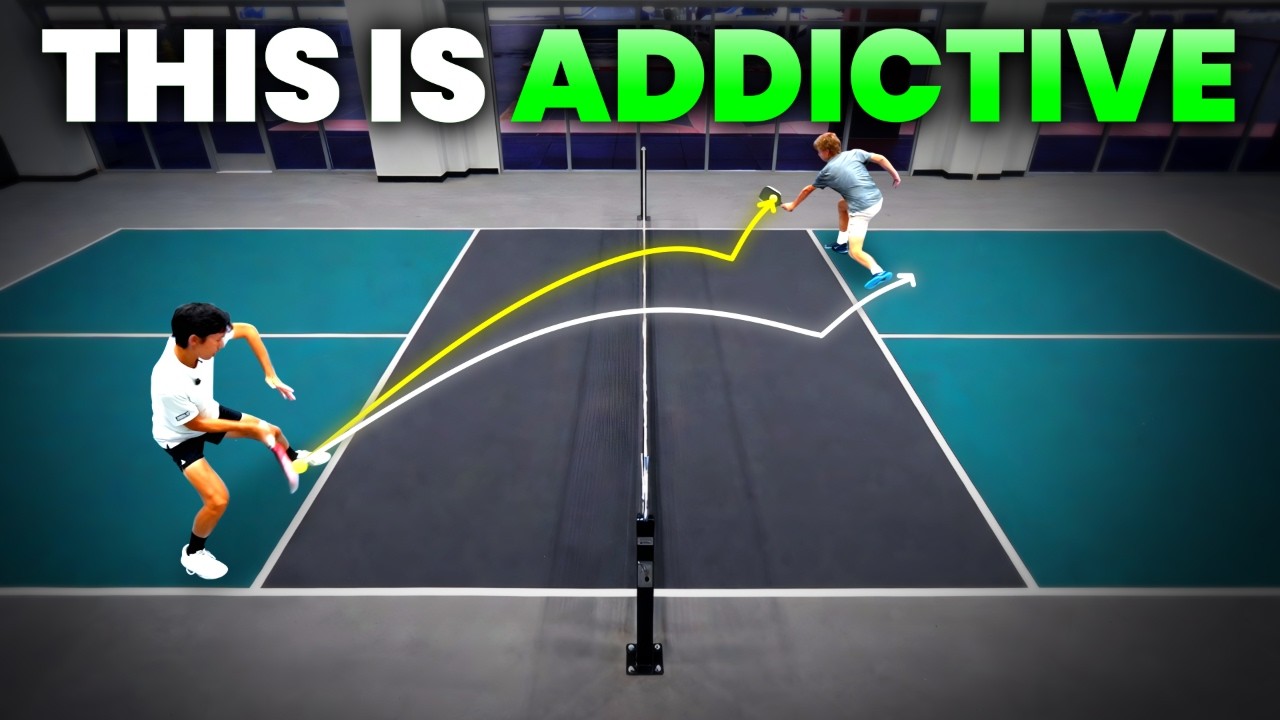
Advanced Pickleball Attacking Strategy at the Kitchen Line
There are only three ways to attack at the kitchen line in pickleball. From speed ups off the bounce to reaching in for air attacks, here’s what separates the winners from the rest.
 The Dink PickleballThe Dink Media Team
The Three Pillars of Transition Zone Mastery
Mastering the pickleball transition zone comes down to three fundamentals:
- Posture
- Footwork
- Shot selection
Get these right, and you'll control the middle court.
Athletic Posture: Your Foundation
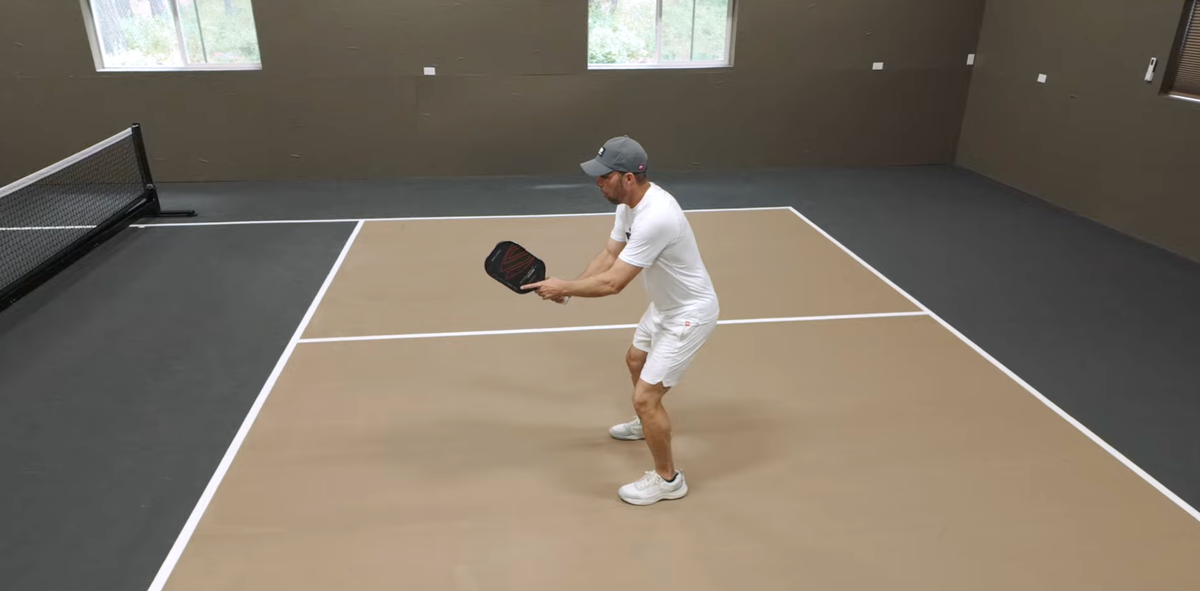
Your ready posture is everything in the transition zone. You need to maintain an athletic stance with flexed knees, a straight back, and your paddle up.
This isn't the time to relax or stand upright. "We want a good ready posture with an athletic stance," Howard emphasizes.
When you're in the middle of the court, your body position determines your ability to react and control the ball. If you're standing tall and stiff, you'll struggle to adjust to different ball heights and speeds.
Keep your weight on the balls of your feet, ready to move in any direction. Your paddle should be held at chest height, not down at your waist. This gives you the fastest reaction time and the most control over your shots.
Perfecting Pickleball Posture: The Foundation for Better Control and Balance
These aren’t flashy techniques. They won’t win you a point on their own. But they’re the infrastructure that makes everything else work.
 The Dink PickleballThe Dink Media Team
Most players focus on their arm swing, but footwork is what separates good players from great ones in the pickleball transition zone. You need to move your feet to get into position, not reach with your arm.
"If I let the ball just come into me and crowd my space and I don't move very well, it's extremely difficult to control the ball," Howard notes.
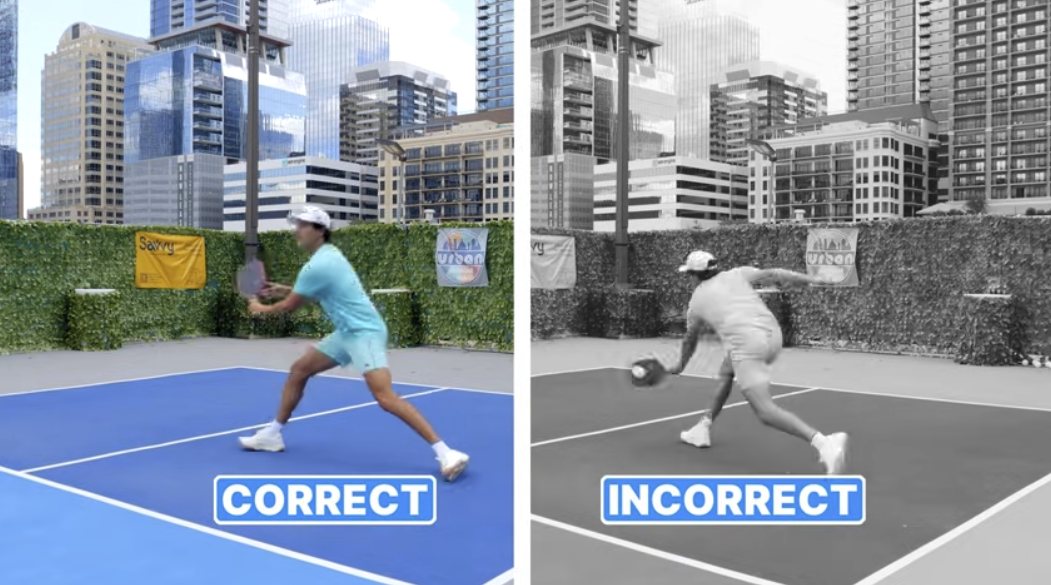
If the ball lands toward your feet or off to the side, you have to adjust your feet accordingly. If you let the ball get behind the arch of your foot, you've lost control.
The key principle: keep the ball in front of your arch.
- If the ball is coming to your left side, step left.
- If it's shallow, step forward.
- If it's deep, you might drop step backward or hit a volley before it lands.
The point is to always be moving toward the ball, not waiting for it to come to you.
4 Essential Footwork Tips Every Senior Pickleball Player Must Master
Smarter positioning and simple footwork adjustments can help senior pickleball players improve performance without relying on speed
 The Dink PickleballThe Dink Media Team
Shot Selection: Know When to Reset
Not every shot in the transition zone should be a reset. You need to read the incoming ball and make smart decisions.
If your opponent hits a hard drive at you, a reset is your best option. If they hit a softer ball that lands shallow, you might step up and take it early as a volley.
If the ball is deep, you might drop step and create space. The reset is your safety valve, but it's not your only option.
"You don't want to just permanently stay here," Howard warns. "That's one mistake I see newer players make as well."
The transition zone is a place to pass through, not a place to camp. Once you hit a good reset, you should be moving forward to take away your opponent's space and get closer to the net.
The 6-Second Mental Reset for Getting Past a Bad Pickleball Mistake
You miss a shot. You’re frustrated or angry. You’ve got about 6 to 8 seconds to assess what went wrong and get over it before the next point starts.
 The Dink PickleballThe Dink Media Team
How to Execute the Perfect Reset Shot
Here's a step-by-step breakdown of how to hit a reset shot in the pickleball transition zone:
- Get into athletic posture with flexed knees and your paddle up
- Move your feet to get the ball in front of your body
- Keep the ball in front of your arch (don't let it get behind you)
- Make contact out in front of your body, not at your side or behind you
- Use a short, controlled swing (not a full arm swing)
- Direct the ball toward your opponent's feet in the kitchen
- Keep the ball low over the net (this is critical)
- Recover to ready position after you hit the shot
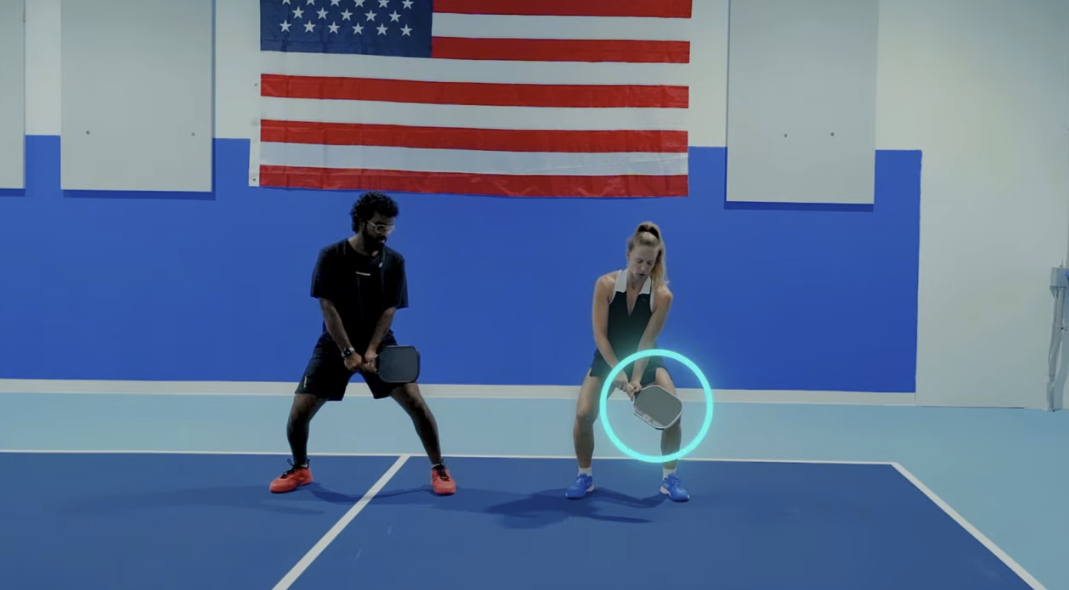
The biggest mistake players make is using too much arm. "Keep things simple," Howard advises.
"That old acronym KISS, keep it simple, silly. Just keep it very steady. So much of this has to do with your posture and your footwork getting into position rather than lunging and trying to slap that ball with your arm."Think of the reset as a push, not a swing. Your body should drive the shot, not your arm. This gives you better control and consistency.
Master the Reset Shot: Pickleball’s Most Overlooked Defensive Weapon
The reset lets you survive the transition phase without giving your opponents an easy put-away. It’s the shot that turns defense into offense.
 The Dink PickleballThe Dink Media Team
The Mental Game: Patience in the Transition Zone
The pickleball transition zone requires a different mindset than other parts of the court. You're not trying to win the point outright. You're trying to neutralize your opponent's advantage and create an opportunity.
This means accepting that some reset shots will land in the net. That's not failure; that's practice. According to Howard,
"If on occasion you hit it in the net, that's to be expected. That's not the end of the world. You just try again."The goal is consistency and repetition. The more resets you hit, the more comfortable you become in the transition zone. And the more comfortable you become, the more you'll move forward and take control of the net.
💡
Heads up: hundreds of thousands of pickleballers read our free newsletter. Subscribe here for cutting edge strategy, insider news, pro analysis, the latest product innovations and more.
Why the Transition Zone Matters for Your Game
Learning to master the pickleball transition zone isn't just about hitting one shot. It's about understanding court positioning, reading your opponent, and building confidence in the middle of the court.
Players who struggle in the transition zone often stay back at the baseline too long or rush the net too early. They never develop the skills to move through the middle court with control. This limits their ability to advance and finish points.
But players who master this space become significantly harder to beat. They can move from defense to offense smoothly. They can neutralize aggressive opponents. They can control the pace of the point.
Win the Transition Zone: The Modern Pickleball Guide to Midcourt Aggression
While traditional coaching has long emphasized getting to the kitchen line as quickly as possible, modern pros are turning midcourt aggression into unexpected offensive opportunities
 The Dink PickleballThe Dink Media Team
Frequently Asked Questions
What's the difference between a reset shot and a dink?
A reset shot is typically hit from the transition zone (the middle of the court) and is designed to move your opponent back or neutralize their advantage.
A dink is hit from the net and is a soft, controlled shot that lands in the kitchen. Both are soft shots, but they're hit from different positions and serve different purposes.
How often should I practice reset shots?
You should practice reset shots regularly, ideally multiple times per week. Start with repetition drills where you hit reset after reset from the transition zone. Once you're comfortable, incorporate them into point play and match situations.
Can I hit a reset shot as a volley?
Yes, absolutely. A reset shot can be hit as a volley (before the ball bounces) or after the ball bounces. The key is keeping the ball low and directing it toward your opponent's feet, regardless of whether you volley or let it bounce first.
What's the most common mistake players make in the transition zone?
The most common mistake is using too much arm and not enough footwork. Players try to slap the ball with their arm instead of moving their feet to get into position. This leads to poor control and inconsistency.
How do I know when to move forward from the transition zone?
Once you hit a good reset shot that lands near your opponent's feet, that's your cue to move forward. You've neutralized their advantage, so now you can advance toward the net and take away their space. Don't stay in the transition zone permanently; use it as a stepping stone to the net.
Anuncie Aqui / Advertise Here
Sua marca para o mundo Pickleball! / Your brand for the Pickleball world!







 English (US) ·
  Portuguese (BR) ·