
 English
  Spanish
  Portuguese
  German
  Italian
  Japanese
  French
  Polish
  Russian
  Netherlands
  Hungarian
  Turkish
  Videos
  Thedink Pickleball

Reach aggressively, back up when there's a dead ball, hunt for opportunities to speed up, and use the hybrid third shot to get to the net with control. Easy enough, right?
The modern pickleball game has evolved faster than most players can keep up with.
Paddles are hotter, positioning is sharper, and the margin between winning and losing has narrowed to razor-thin margins. If you've been grinding away at the same strategies for the past few years, you might be leaving points on the table without even realizing it.
Top APP pro Richard Livornese Jr. breaks down the four pillars of modern pickleball, tying together a full series and showing exactly what separates the players who are winning in 2026 from those still stuck in yesterday's game.
Love pickleball? Then you'll love our free newsletter. We send the latest news, tips, and highlights for free each week.
1. Reach First, Back Up Later: The Aggressive Foundation
The biggest shift in modern pickleball starts at the net. Instead of playing it safe and backing up first, today's best players reach aggressively on every ball they can touch, then back up only if they can't make the play.
This sounds simple, but it's a complete mindset flip. For years, players were taught to stay back and wait. Now, the game rewards aggression from the moment you get to the kitchen line.
The key is timing.
- When you're up at net and a ball comes your way, your first instinct should be to reach and attack
- Only if the ball is truly out of reach do you step back
This keeps you in an offensive position and ready to finish the point when the opportunity comes.
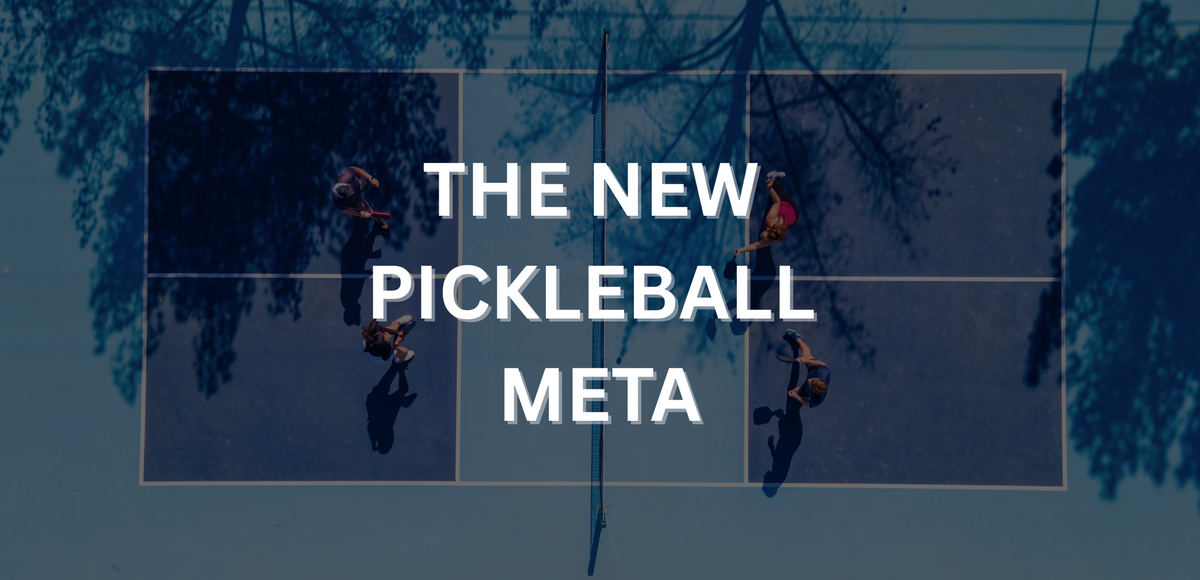
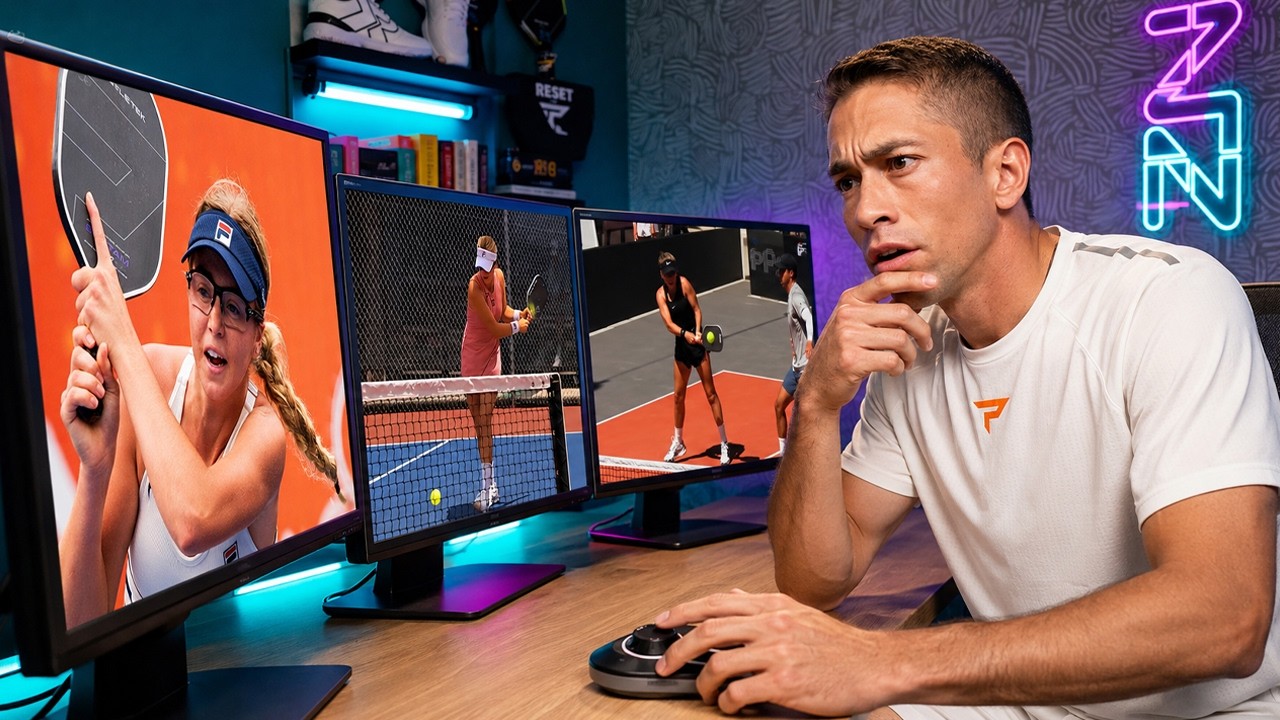
The Modern Pickleball Meta: Aggressive Teams Win More
The era of the passive dinker is over; it’s time to embrace tactical aggression
 The Dink PickleballThe Dink Media Team
2. Dead Balls Demand Respect: The Backing Up Strategy
Here's where things get tricky. Backing up isn't gone from the modern game; it's just used differently.
When there's a dead ball in front of you, that's when you take a step back and give yourself time and space.Why? Because paddles have gotten significantly hotter. A good opponent can blow a dead ball past you if you're standing right on the line. By taking one step back, you gain three critical advantages:
- Time to read the ball and react
- Space to load your paddle and generate power
- Room to slide and create your own space if your opponent attacks your body
The confusion comes from mixing these two concepts. When you're initiating a crosscourt pattern and working the ball, you stay up and reach. When there's a dead ball or your opponent is reaching in, that's when you back up. It's not one or the other; it's knowing when to apply each.
3. Aggression Wins Matches: The Mindset Shift
Part three of the series isn't about a specific shot or technique. It's about mentality. In today's game, the team that speeds up first usually wins the match.
This doesn't mean hitting every ball as hard as you can. It means hunting for opportunities to take pace and put your opponents on their heels. Even on balls that might seem neutral, modern players are looking to accelerate and take control.
The data backs this up. In recent years, players are winning over 50% of the points when they speed up balls that used to be considered too risky.
If you can find a pattern where you win 55 to 60% of the points, you'll win the match. That's the math of modern pickleball.
If you get stuffed on a counter or two, don't back off. Instead, adapt. Change your location, try an off-pace shot, or find a different angle. Good players don't give up on aggression; they adjust their approach.
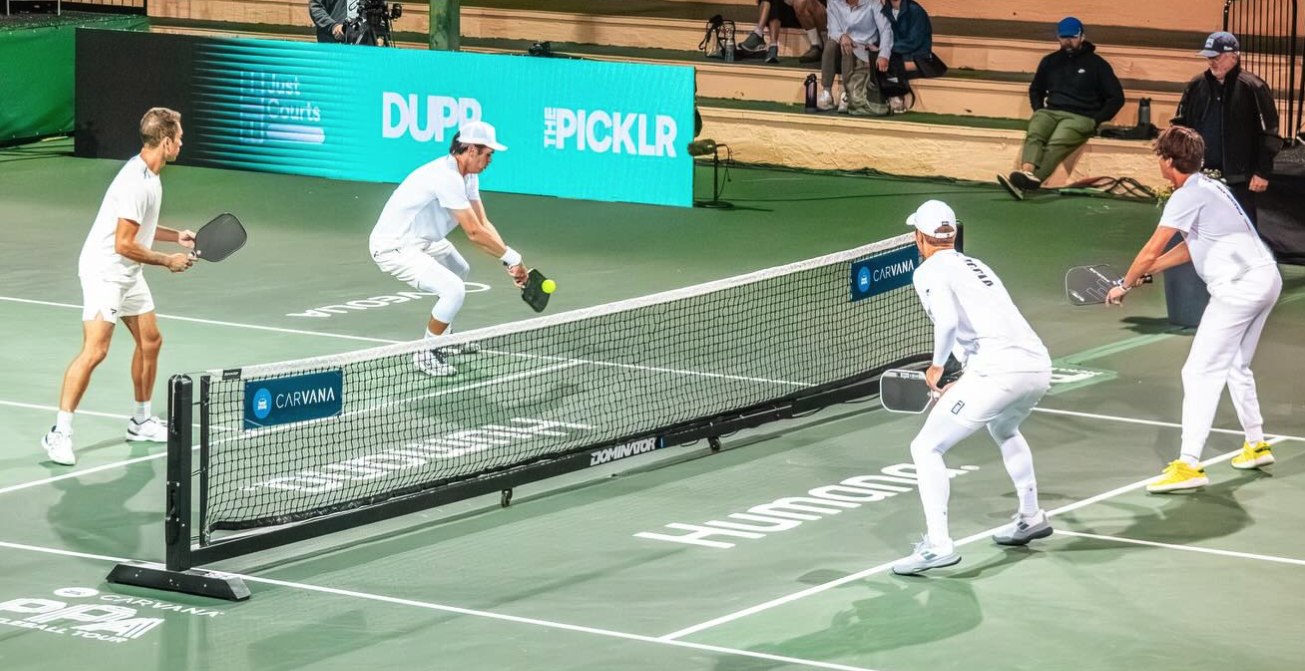
What to Do When You’re Playing a Much Better Team
“When you’re playing against a team that’s better than you, you want as much randomness as possible”
 The Dink PickleballAlex E. Weaver
4. The Hybrid Third Shot: Your Ticket to the Net
The hybrid third shot is the weapon that lets you be modern in the transition zone. It's not a traditional drive, and it's not a soft drop. It's a ball landing on or just behind the kitchen line with heavy topspin and pace.
The form is critical.
- You need to get low, stay linear, and come through the ball with forward momentum
- This keeps the ball down while adding pace and spin
- On the backhand, you might go even lower
- On the forehand, the same principle applies: come through the ball, don't scoop it
This shot is most effective when your opponents are switching. You get extra time and space to work with, making it one of the easiest ways to win points. If you can land a couple of these per game, you're dramatically improving your chances of winning the match.
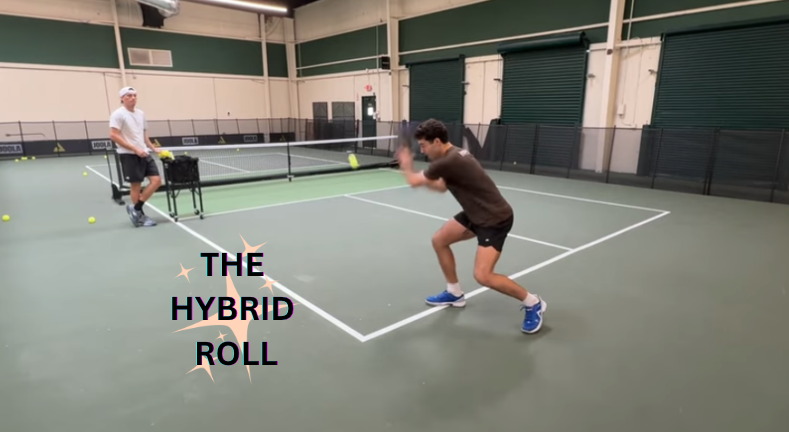
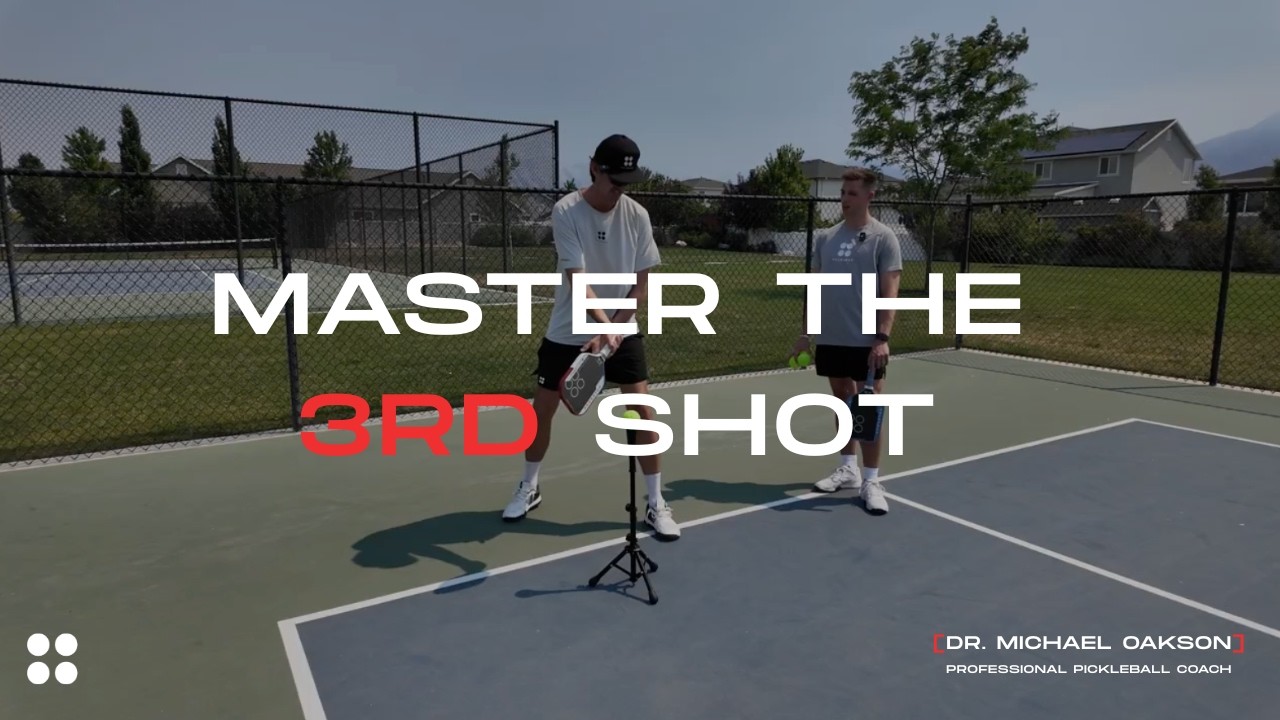
Master the Hybrid Roll: The New Essential Third-Shot Drop in Advanced Pickleball
Having this shot in your arsenal is typically worth three points per game, a massive advantage when you’re playing to 11
 The Dink PickleballThe Dink Media Team
Putting It All Together
Modern pickleball isn't about one magic move or one perfect technique. It's about understanding how these four concepts work together. Reach aggressively, back up when there's a dead ball, hunt for opportunities to speed up, and use the hybrid third shot to get to the net with control.
The game has changed, and the players winning in 2026 are the ones who've adapted. If you're still playing the pickleball of three years ago, it's time to level up.
Heads up: hundreds of thousands of pickleballers read our free newsletter. Subscribe here for cutting edge strategy, insider news, pro analysis, the latest product innovations and more.
Anuncie Aqui / Advertise Here
Sua marca para o mundo Pickleball! / Your brand for the Pickleball world!



 English (US) ·
  Portuguese (BR) ·