
 English
  Spanish
  Portuguese
  German
  Italian
  Japanese
  French
  Polish
  Russian
  Netherlands
  Hungarian
  Turkish
  Videos
  Thedink Pickleball

Before you start drilling, decide which skills matter most to you right now. Intentionality is what separates productive practice from just hitting balls around.
Most intermediate pickleball players say they want to improve, but they rarely spend time actually drilling.
When you search for drill videos online, you'll find plenty of content featuring high-level pros executing moves that feel completely out of reach. The good news? Drilling doesn't have to be complicated or intimidating.
According to Coach Jess from Athena Pickleball, all you really need is a focused plan, a couple of friends, and 30 to 45 minutes of quality repetitions.
In a recent video, she walks through a simple 45-minute practice session designed specifically for intermediate players (around the 3.0–3.5 level) that you can copy and adapt for your own game.
Love pickleball? Then you'll love our free newsletter. We send the latest news, tips, and highlights for free each week.
Start Simple: The Dink Warm-Up
Coach Jess begins the session with a straightforward dink warm-up. Players line up on one side of the court and simply alternate dinks, moving the ball around to get a feel for control and lateral movement. It sounds basic, but there's a purpose here: you're building consistency and keeping the ball in the kitchen without overthinking it.
Once everyone's loose, she adds a competitive element.
- Instead of just hitting dinks back and forth, the group tries to reach a target number (like 30 consecutive dinks) as a team.
- This small shift creates just enough pressure to simulate match conditions while still keeping things cooperative.
You're not playing points yet, but you're training your brain to handle a little stress, which is exactly what happens in real games.
Pressure Dinking: When the Ball Gets High
Next comes the pressure dinking drill. The rule is simple: you can only attack if the dink is high.
If it bounces, you have to keep dinking. This forces players to stay patient, look for opportunities, and practice the transition from dinking to attacking without rushing.
Coach Jess plays this out as a competitive point-based drill where players rotate positions based on wins and losses. It's a game-like scenario that teaches decision-making under pressure. You're learning when to be aggressive and when to stay calm, which is one of the biggest gaps between intermediate and advanced players.
5 Advanced Pickleball Tips to Go From 4.0 to 5.5
The difference between average and advanced pickleball players comes down to control, positioning, and smart anticipation
 The Dink PickleballThe Dink Media Team
Third Shot Drops: Reps with Purpose
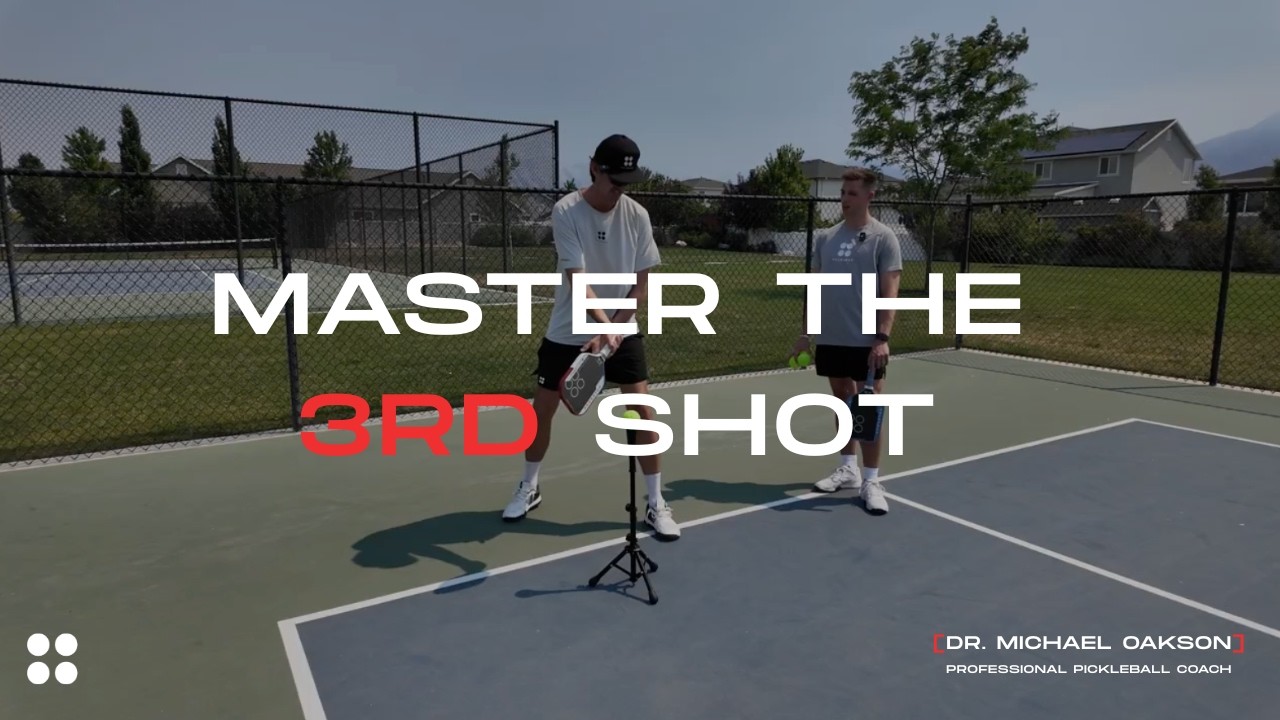
The third shot drop is one of the most important shots in pickleball, and it deserves dedicated practice time. Coach Jess sets up a structured drill where one player feeds balls and another practices drops from the baseline. The feeder stays at the kitchen line to make the drill realistic.
There are a few ways to add pressure to this drill:
- Make 10 consecutive drops before rotating to the other side.
- If you hit the net, the count resets to zero.
- Only count the good ones, so you're forced to commit to quality over quantity.
The key insight here is that drilling doesn't mean hitting perfect shots in a vacuum. It means getting reps under conditions that matter. Coach Jess emphasizes that this is the time to work on what you actually want to improve, even if it means hitting some bad shots and learning from them.
How to Hit an Aggressive Third Shot Drop in Pickleball
Pro tip: get low, and focus on your shoulder motion far more than your wrist
 The Dink PickleballThe Dink Media Team
Finish with a Game: Cutthroat
After all the focused drilling, the session wraps up with a game of cutthroat. This is where you apply everything you've practiced in a competitive, game-like setting. In cutthroat, each player keeps their own score, and you can only win points on the serving side. It's a fun way to end practice while reinforcing the skills you just worked on.
💡
Need some new pickleball gear? Get 20% off select paddles, shoes, and more with code THEDINK at Midwest Racquet Sports
Why This Approach Works
What makes this practice plan so effective is that it balances cooperation and competition. You start with cooperative drills to build consistency, move into competitive drills to add pressure, and finish with a game to tie it all together. You're not just hitting balls; you're training your mind to handle different situations.
The Pickleball Facility Boom Is Here, But a Shakeout Looms
First movers have rushed in to secure prime locations, sign leases, and build out clubs. But speed can come at a cost.
 The Dink PickleballAlex E. Weaver
Coach Jess also stresses the importance of knowing what you're working on. Before you start drilling, decide which skills matter most to you right now. Are you struggling with your backhand? Focus on that. Want to improve your third shot drop? Dedicate time to it.
This intentionality is what separates productive practice from just hitting balls around.
Anuncie Aqui / Advertise Here
Sua marca para o mundo Pickleball! / Your brand for the Pickleball world!





 English (US) ·
  Portuguese (BR) ·