
 English
  Spanish
  Portuguese
  German
  Italian
  Japanese
  French
  Polish
  Russian
  Netherlands
  Hungarian
  Turkish
  Videos
  Thedink Pickleball

A great pickleball serve is about more than just getting the ball over the net—it's about applying pressure from the very first shot. Master the official rules, stance, and strategy to win more points.
Here's something that separates casual players from competitive ones: understanding that a pickleball serve isn't just about getting the ball in play.
It's your first chance to dictate the point, apply pressure, and force your opponent into a difficult position before they even hit their return.
Love pickleball? Then you'll love our free newsletter. We send the latest news, tips, and highlights for free each week.
Why Your Serve Matters More Than You Think
Most newer players treat the pickleball serve like a formality. Get it in, move on, no big deal. But that's leaving points on the table.
According to Selkirk TV, a channel dedicated to pickleball education,
The real goal of your serve isn't just placement, it's pressure.When you hit a strong, deep serve, your opponent has less time to react and is forced to hit a shallower return. That shallower return becomes your opportunity to attack and control the net.
Think about it this way: if your serve is weak, your opponent gets an easy ball to work with. They'll hit a better return, and suddenly you're on your heels.
But if your serve is reliable and has some depth to it, they're scrambling. Your next shot becomes easier.
The Two Legal Ways to Serve in Pickleball
Here's where things get interesting. Unlike tennis, pickleball gives you two distinct options for how to execute your pickleball serve, and each comes with its own set of rules.
Option 1: The Volley Serve (Hitting Out of the Air)
If you choose to hit the ball out of the air without letting it bounce, you're executing what's called a volley serve. This option comes with three strict requirements:
- Contact must happen below your waist. Specifically, you need to make contact with the ball below your belly button.
- You cannot hit an overhead serve like you would in tennis. This is a common mistake for players transitioning from other racquet sports.
- Your paddle must be moving upward. You cannot hit downward on the ball. The motion has to be ascending at the moment of contact. This prevents players from slamming serves and keeps the game more accessible and safer.
- The paddle face must stay below your wrist. At the moment you make contact, your paddle face cannot be above your wrist. This reinforces the upward motion requirement and prevents high-contact serves.
If you meet all three of these criteria, your volley serve is legal. If you violate any one of them, it's a fault.
The Pickleball Serve Basics: Rules, Technique & Pro Tips from Michael Loyd
Fix your serve, and your entire game gets easier. You start points on offense instead of defense. Your opponent’s return is weaker. Your third shot is simpler. It all flows from that one shot you control completely.
 The Dink PickleballThe Dink Media Team

Option 2: The Drop Serve (Bounce and Hit)
The drop serve is the more forgiving option, and it's why many newer players prefer it. When you drop the ball and let it bounce before hitting it, none of the restrictions from the volley serve apply.
- You can hit the ball at any height.
- You can hit it on the way down.
- You can use any paddle angle.
The freedom is there because the bounce itself provides a natural constraint on power and aggression.
But here's the catch: you cannot propel the ball downward when you drop it, and you cannot toss it up and let it bounce.
You must simply drop it from your hand. If you're moving your hand up or pushing the ball down, that's illegal.
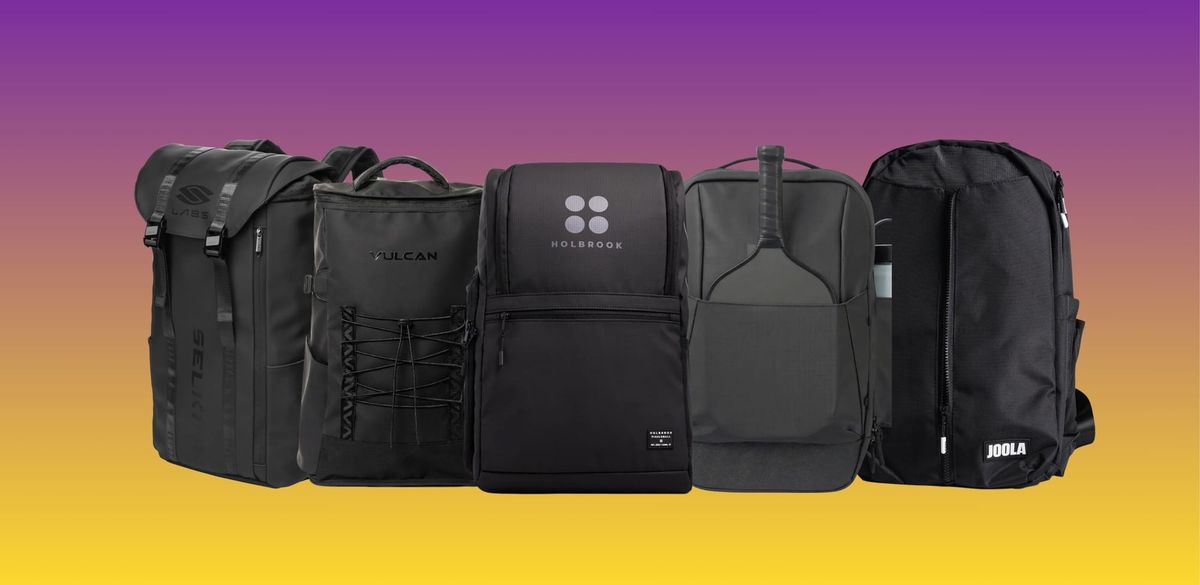
Best Pickleball Backpacks 2026: Options for Every Budget
From small and budget-friendly to large and more premium, here are five pickleball bags we’ve tested and would trust with our paddles any day.
The Dink PickleballAlex E. Weaver
The Ideal Stance for Maximum Consistency
Now that you understand the rules, let's talk about positioning. Your stance matters because it sets up the entire motion and determines where your paddle is traveling.
Selkirk TV recommends a 45-degree angle stance when setting up for your serve. This isn't a hard rule—you can face the net directly if you prefer, or turn more sideways. Personal preference plays a role here.
The reason the 45-degree angle works so well is that it aligns your paddle pathway with your target.
When your body is angled at 45 degrees, your natural swing path moves toward the service box you're aiming for. It's efficient and repeatable.
From this stance, you take your paddle back into a backswing position and extend it forward, making contact in front of your body.
Remember: you cannot step over the baseline before making contact, but the ball and your paddle at contact can be beyond the baseline inside the court.
You also have the option to bounce the ball inside the court before hitting your serve, which is totally legal.
💡
Need some new pickleball gear? Get 20% off select paddles, shoes, and more with code THEDINK at
Midwest Racquet SportsHow to Generate Depth and Apply Real Pressure
Here's the thing about pressure: it comes from depth. A serve that lands deep in the court gives your opponent less time to react and forces them to hit from a more defensive position.
To generate depth, focus on a smooth, controlled motion rather than raw power. Many players think they need to swing hard to hit a deep serve, but that's not how it works.
A consistent, well-timed swing with proper follow-through will get the ball deeper than an aggressive, uncontrolled swing.
The goal is to hit a serve that's influential on your opponent.
It should make their return more difficult, which in turn makes your next shot easier. That's the chain reaction you're looking for.
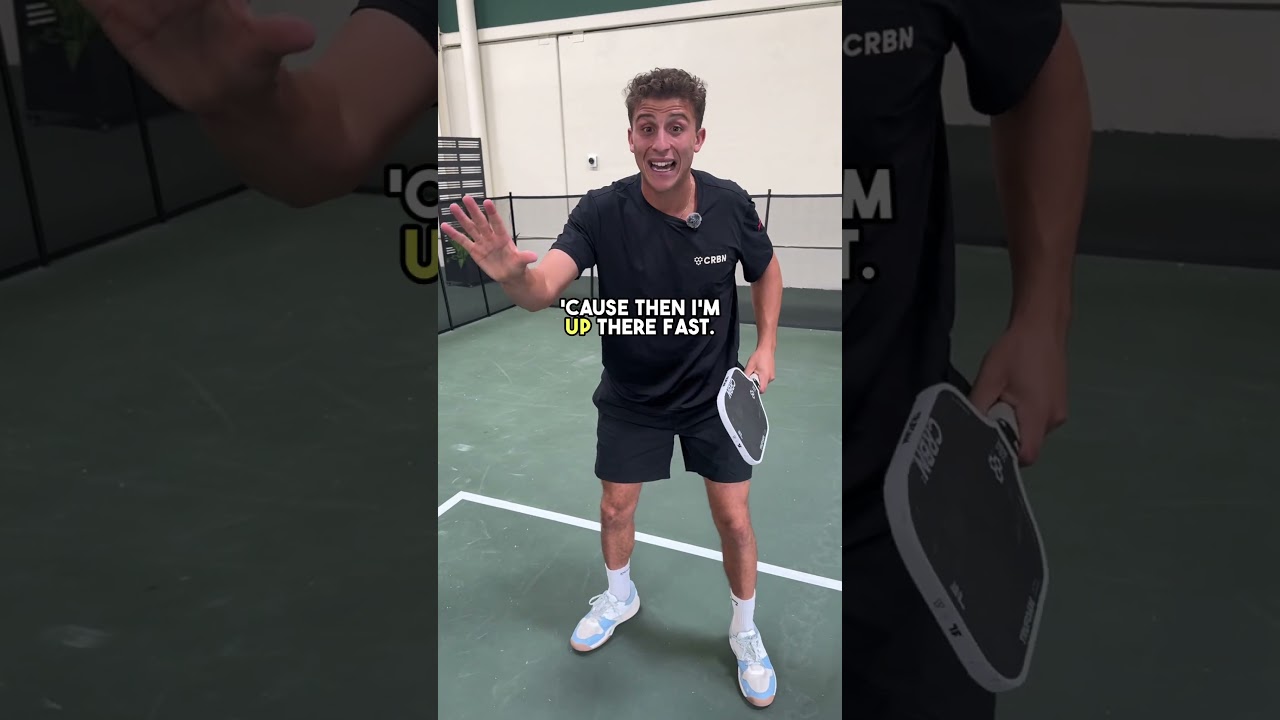
The Simple Secret to Hitting the Perfect Pickleball Serve Every Time
By serving to areas that force lateral movement, you’re essentially adding time to your opponent’s journey to the net. That time is everything.
 The Dink PickleballThe Dink Media Team
Why You Only Get One Try (And Why That Matters)
Unlike tennis, where you get two serves, pickleball gives you only one. This is a fundamental difference that changes how you approach your serve.
Because you only get one try, consistency becomes critical. You can't afford to be reckless or overly aggressive. You need to develop a reliable serve that you can repeat under pressure.
How do you build that consistency? Through practice. Lots of it.
Whether you prefer the volley serve or the drop serve, the path to improvement is the same: repetition. Get out there and practice serves regularly.
Hit them in different conditions, from different positions, against different opponents.
The more you practice, the more automatic your serve becomes. And when your serve is automatic, you can focus on the strategic side of things, where to place it, how much depth to give it, and how to set up your next shot.
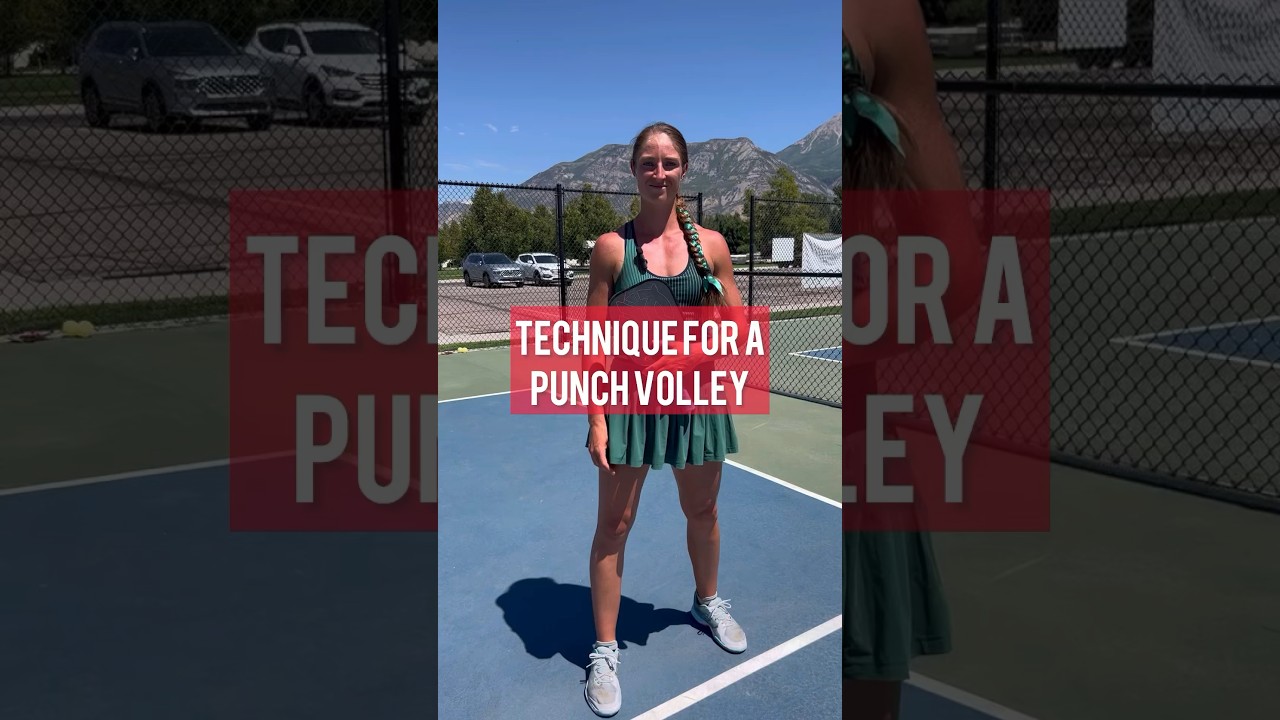
Knock Out Your Opponent With This Punch Volley Pickleball Technique
The punch volley is your secret weapon for dominating at the net and finishing points decisively. Nail the technique, and you’ll see the difference in your game. Fast.
 The Dink PickleballThe Dink Media Team
Choosing Your Serve Style: Volley vs. Drop
So which serve should you use? The honest answer is: whichever one you're more comfortable with.
The volley serve offers more control and can generate more spin and depth if executed properly. But it requires precision and comes with more restrictions.
The drop serve is more forgiving and easier to learn, but it gives you less control over the ball's trajectory.
Most newer players start with the drop serve because it's simpler to execute. As you improve, you might experiment with the volley serve to see if it gives you an edge.
Some players stick with the drop serve their entire career. Others become volley serve specialists.
The key is to pick one and commit to it long enough to develop real consistency. Switching back and forth constantly will only slow your progress.
💡
Heads up: hundreds of thousands of pickleballers read our free newsletter.
Subscribe herefor cutting edge strategy, insider news, pro analysis, the latest product innovations and more.
Your pickleball serve is more than just a way to start the point. It's a strategic tool that sets the tone for everything that follows.
A weak serve puts you on the defensive immediately. Your opponent gets an easy ball, hits a good return, and suddenly you're scrambling to get to the net.
A strong serve flips that dynamic. Your opponent is forced to react, their return is weaker, and you get to attack.
This is why even newer players should focus on serve development early. You don't need to be a pro to hit a serve that applies pressure.
You just need to understand the rules, develop a repeatable motion, and practice consistently.
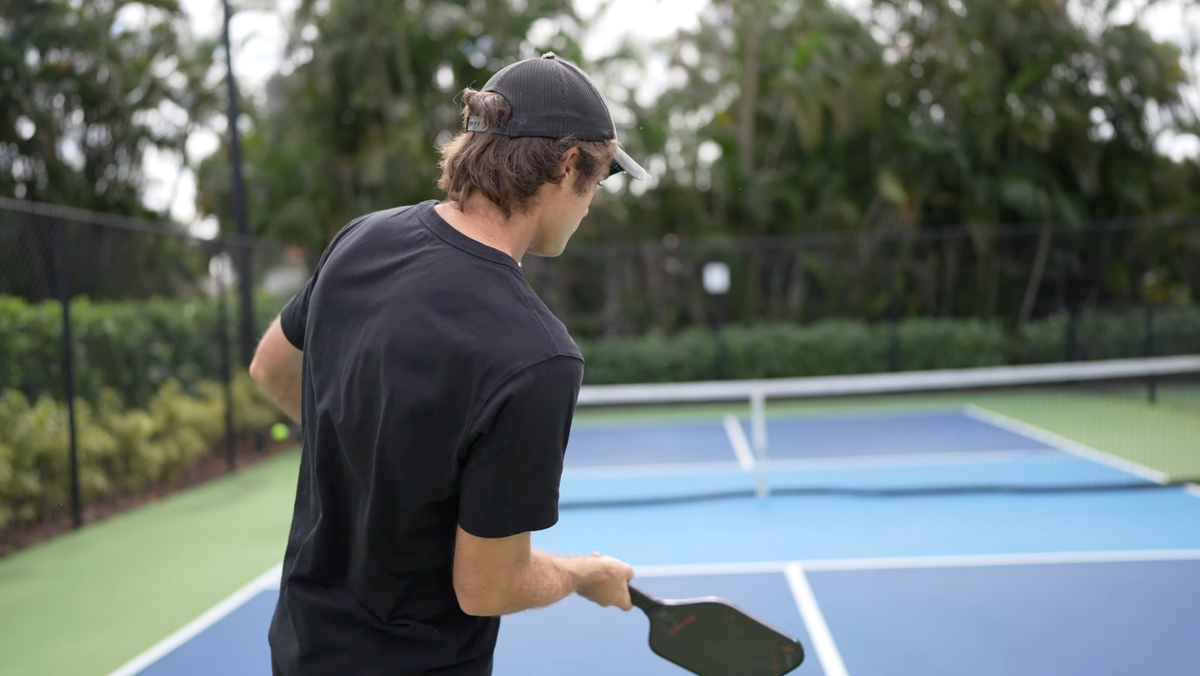
2 Pro Serve Tips to Eliminate Common Mistakes
The beauty of these two fixes is that they work together – a palm-down toss gives you the space to swing, weight transfer gives you the power to swing hard
 The Dink PickleballThe Dink Media Team
Frequently Asked Questions
What's the difference between a volley serve and a drop serve in pickleball?
A volley serve is hit out of the air before the ball bounces, and it requires contact below your waist, an upward paddle motion, and the paddle face below your wrist. A drop serve involves bouncing the ball first and then hitting it, with no restrictions on height or paddle angle. Both are legal; the choice depends on your preference and skill level.
Can I hit a hard serve in pickleball?
You can hit a serve with power, but the rules limit how aggressively you can execute it. With a volley serve, the upward motion requirement prevents you from slamming the ball. With a drop serve, you have more freedom, but consistency matters more than raw power for applying real pressure.
How deep should my serve land in the court?
Ideally, your serve should land as deep as possible in the service box, near the baseline. A deep serve gives your opponent less time to react and forces them to hit from a more defensive position. Depth is more important than speed.
Do I need to use the same serve every time?
No. Many advanced players mix up their serves—sometimes hitting deep, sometimes hitting shorter, sometimes varying the spin or pace. But as a newer player, focus on developing one reliable serve first. Consistency beats variety.
Why do I only get one serve attempt in pickleball?
This rule keeps the game moving and maintains the sport's accessibility. It also makes serving less of a dominant factor compared to tennis, where two serves can lead to more aggressive play. One serve encourages strategic placement over raw power.
Anuncie Aqui / Advertise Here
Sua marca para o mundo Pickleball! / Your brand for the Pickleball world!




 English (US) ·
  Portuguese (BR) ·