
 English
  Spanish
  Portuguese
  German
  Italian
  Japanese
  French
  Polish
  Russian
  Netherlands
  Hungarian
  Turkish
  Videos
  Thedink Pickleball

The slice keeps you in rallies when you're under pressure. The two-handed topspin roll lets you take control and push your opponent back.
Pro pickleball player Ava Ignatowich breaks down one of the most critical shots in the game: the backhand dink.
Whether you're playing at the kitchen line or scrambling to defend a tough position, mastering both the slice and two-handed topspin versions of this shot will transform your consistency and confidence at the net.
Love pickleball? Then you'll love our free newsletter. We send the latest news, tips, and highlights for free each week.
The Grip That Matters
Before you even think about hitting a backhand dink, get your grip right. Ava uses a continental grip for every shot she's about to demonstrate, and you should too.
To find the continental grip, pretend you're shaking hands with your paddle. It's straightforward and gives you the versatility you need to execute both slice and topspin dinks without switching grips mid-rally.
The Slice Dink: Your Defensive Weapon
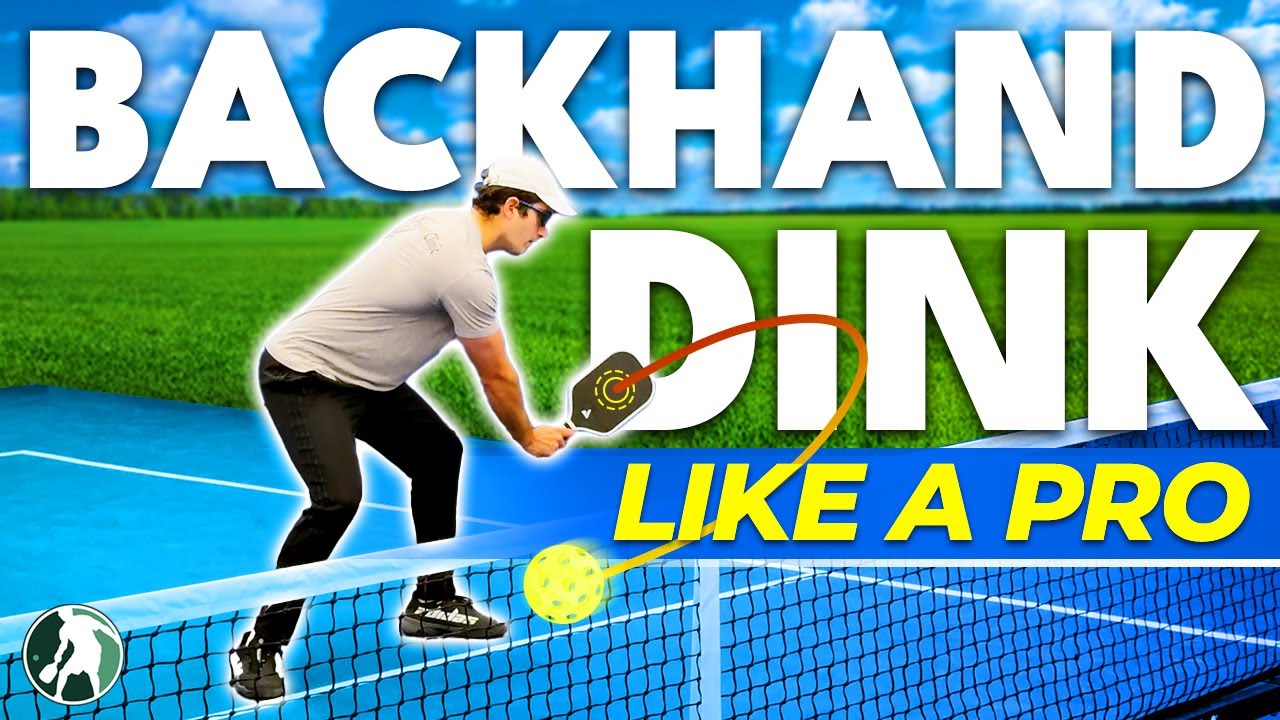
The backhand slice dink is the foundation of a solid kitchen game. This is the shot you rely on when the ball gets behind you, when you're stretched too wide, or when you simply need to keep the ball low without doing too much.
Here's how to execute it:
- Hold an open paddle face, tilted just slightly back toward your body.
- Use your left hand to bring the paddle face behind the ball, then let go right before contact.
- Hit the back bottom quadrant of the ball, sliding it under and pushing it forward.
- Keep your grip relaxed and your wrist locked; most movement comes from the shoulder.
- Use a short swing path without following through too far in front of you.
The key insight here: you're not chopping or cutting. You're gliding under the ball with control and precision.
Perfect the Backhand Slice Dink with These 3 Essential Tips
When you’re locked in a tight dinking battle, this shot is your insurance policy
 The Dink PickleballThe Dink Media Team
Taking the Slice Dink Out of the Air
Sometimes you don't have the luxury of letting the ball bounce. When a dink floats high, you can volley it with a slice motion.
Use a slightly open paddle face and keep the motion short and compact. Think about catching the ball and gliding under it, not chopping. Take the ball out in front while it's still floating, but if it drops below your knees, let it bounce instead.
Why volley when you can? Taking dinks out of the air takes time away from your opponent, prevents them from resetting their feet, and creates the threat of a speed-up even if you don't use it. Over the course of a rally, that pressure adds up fast.
💡
Need some new pickleball gear? Get 20% off select paddles, shoes, and more with code THEDINK at Midwest Racquet Sports
The Two-Handed Topspin Dink: Your Aggressive Option
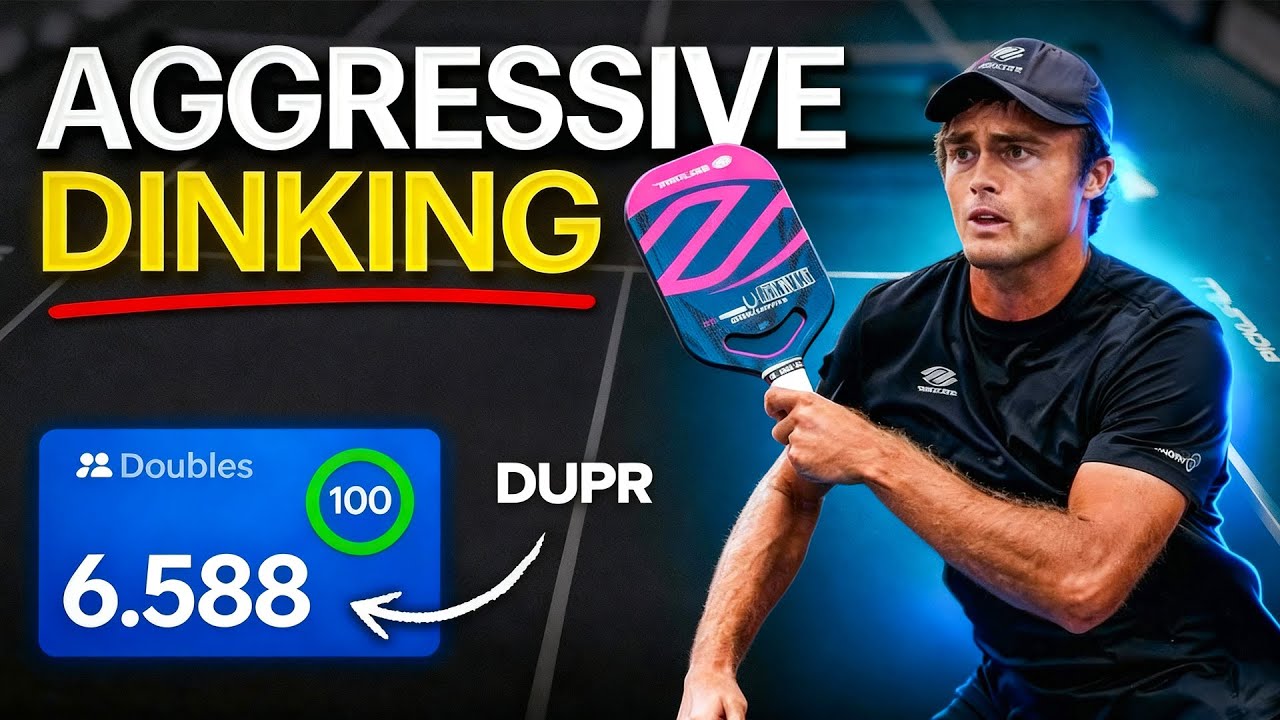
Now for something different. The two-handed backhand topspin dink gives you an aggressive weapon that the slice alone can't provide.
Start with a neutral paddle face, then tilt it just slightly toward the net (slightly closed). The motion is all about brushing up on the ball and lifting it over the net. Don't use your wrist here; you're already generating all the spin you need just by closing the paddle face slightly.
Ava says 90% of the feeling should be in your left hand, like you're hitting a lefty forehand with your right hand just guiding it.
Avoid These 3 Deadly Mistakes to Master Aggressive Dinking
The aggressive dink isn’t about overpowering your opponent. It’s about creating pressure through placement, using deception to keep them guessing, and understanding when to attack versus when to reset
 The Dink PickleballAlex E. Weaver
Why You Need Both Dinks
Having a two-handed topspin dink in your arsenal gives you real advantages:
- It's easier to disguise speedups. If you only have a slice dink, putting two hands on the ball signals to your opponent that you're speeding it up.
- It's much more aggressive and better for pushing people back.
- Variety in your shots means you have multiple weapons instead of just one.
The more options you have at the kitchen line, the harder you are to read.
The Two-Handed Topspin Dink Out of the Air: Use Sparingly
Can you hit a two-handed topspin dink out of the air? Yes. Should you, most of the time? Probably not.
If you're in a position to hit a backhand topspin dink out of the air, you're usually better off speeding the ball up. It's the higher percentage play and puts immediate pressure on your opponent.
That said, there are situational moments where it works. When your opponent on the left is cheating middle, a well-angled topspin dink out of the air can be more aggressive than a speed-up, especially if you can pull it sharp crosscourt. The trade-off is control, and the margin for error is small.
Bottom line: this is a situational tool, not a default move. Use it sparingly, only when the angle is clearly present.
Heads up: hundreds of thousands of pickleballers read our free newsletter. Subscribe here for cutting edge strategy, insider news, pro analysis, the latest product innovations and more.
Putting It All Together
Mastering the backhand dink means having both the slice and the two-handed topspin in your toolkit. The slice keeps you in rallies when you're under pressure. The two-handed topspin lets you take control and push your opponent back.
Practice both shots until they feel natural. Drill the slinky drill to build touch. Work on taking dinks out of the air to rush your opponents. Over time, you'll develop the calm, balanced consistency that separates good players from great ones at the kitchen line.
Anuncie Aqui / Advertise Here
Sua marca para o mundo Pickleball! / Your brand for the Pickleball world!






 English (US) ·
  Portuguese (BR) ·