
 English
  Spanish
  Portuguese
  German
  Italian
  Japanese
  French
  Polish
  Russian
  Netherlands
  Hungarian
  Turkish
  Videos
  Thedink Pickleball

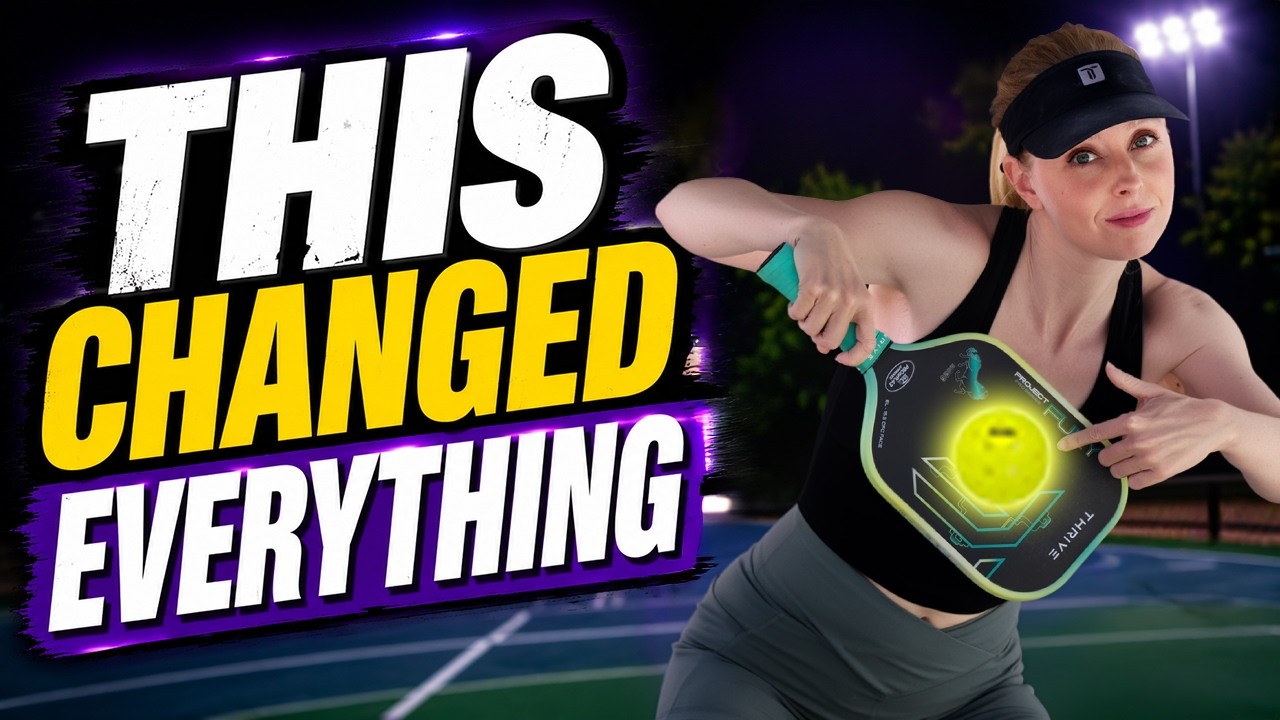
Most players kill their pickleball flick before they even swing. The fix comes down to one simple setup adjustment with your paddle tip.
Your pickleball flick feels flat. You know the shot is there. You see the opportunity.
But when you pull the trigger, the ball floats instead of snaps, and your opponent resets it like it was nothing.
The problem almost always starts before you even swing. It is a setup issue, not a swing issue.One small adjustment to where your paddle tip sits before contact changes everything about how much power and snap you can generate.
This breakdown pulls directly from a tip shared by Richard Livornese on YouTube, where he walks through exactly what your paddle needs to do at setup to make the flick genuinely threatening.
Love pickleball? Then you'll love our free newsletter. We send the latest news, tips, and highlights for free each week.
What Is the Pickleball Flick and Why Does It Matter?
The pickleball flick is a quick, wrist-driven attack shot used at the kitchen line.
It is designed to accelerate the ball past your opponent before they have time to react and reset.
It is not a full arm swing. The power comes from your wrist snapping through the ball at the last possible moment.
When it works, it is one of the most effective weapons you can carry into the non-volley zone.The problem is that most players set up in a position that physically prevents their wrist from snapping properly.
They lose the rubber-band effect before the swing even starts.
What Does "Tip Down" Actually Mean at Setup?
The single most important setup cue is getting your paddle tip pointed downward before you initiate the swing.
This is not a subtle adjustment.
It is a deliberate, visible drop of the paddle head.When your paddle tip drops, your wrist sits in a cocked, loaded position.
It now has the full range of motion available to accelerate through the ball, and that range is where the snap lives.
Think about it like a rubber band.A rubber band that is already stretched has no energy left to release, while one that is pulled back and held has maximum stored energy.
Your wrist works the same way. Understanding wrist lag makes the same point from a different angle.💡
Need some new pickleball gear? Get 20% off select paddles, shoes, and more with code THEDINK at
Midwest Racquet SportsWhy Does the "Tip Up" Setup Kill Your Flick?
When you hold your paddle with the tip pointing up or level, your wrist is already fully extended.
You have no range left to generate speed through the contact zone.What happens next is predictable. You end up relying on your arm to create power instead of your wrist, and arm power is slower and telegraphs the shot.
It also produces a push-style contact rather than a sharp snap. The result is a flick that looks like a flick but does not perform like one.
It sits up. It travels slower. Your opponent has time to see it coming and reset comfortably.This is why a lot of players drill the shot for weeks and still feel stuck.
The technique at contact is fine, but the setup before contact is broken. The set-and-snap technique fixes exactly this sequencing problem.
Pickleball Paddle Customization: Lead, Twist & More
James Ignatowich breaks down the science behind paddle customization and performance in a way that’ll change how you think about your equipment.
 The Dink PickleballThe Dink Media Team
How Do You Build the Habit of Dropping the Tip?
Start by practicing the setup motion without hitting any balls.
Stand at the kitchen line and let your paddle tip fall toward the ground as you get ready to receive a dink.
Feel what a genuinely cocked wrist position feels like before you add the swing.
Here is a simple progression you can follow:
- Shadow reps with no ball: Practice letting the tip drop and then snapping your wrist forward. Do this 20 times before you ever touch a ball. The motion should feel like cracking a whip, not pushing a door open.
- Feed yourself slow dinks: Have a partner feed you slow, knee-high dinks and focus only on tip position at setup. Do not worry about placement yet. Just feel the snap.
- Add targets: Once the snap feels consistent, aim for the opponent's hip or shoulder. The flick is most effective when it is directed at the body rather than the open court.
- Mix it with real dinking rallies: The hardest part is finding the right moment to flick during a live rally. Practice transitioning from soft dinks to the flick so the setup does not tip your opponent off.
If you want to connect this drill work to other areas of your game, this guide on mastering the pickleball flick covers additional steps most players skip entirely.
15 Pickleball Tips for 4.0 Players That Actually Work
Most 4.0 players don’t lose points on flashy mistakes. These 15 pickleball tips for 4.0 players fix the quiet habits that cost you rallies every game.
 The Dink PickleballThe Dink Media Team
What Role Does Grip Pressure Play in the Flick?
Your grip pressure is the other half of the equation. A tight grip kills the snap almost as fast as a bad tip position.
The wrist snap requires a loose grip. Think of holding a tube of toothpaste without squeezing any out.
Firm enough to control the paddle, relaxed enough to let the wrist move freely through contact.If you are gripping hard, your forearm muscles are engaged and locked. That locks the wrist too.
No matter how well you set up with the tip down, a tight grip will rob you of the speed you built into the motion.For a deeper look at how grip pressure affects every shot in your game, this breakdown on pickleball grip pressure is worth your time.
The rubber-band analogy from Richard Pickleball is exactly right. The paddle snaps around the ball when the wrist is loose and the tip starts low.
That snap is what produces acceleration and keeps the ball low over the net on the way out.
This Pickleball Grip Is Changing the Game (and the Pros Agree)
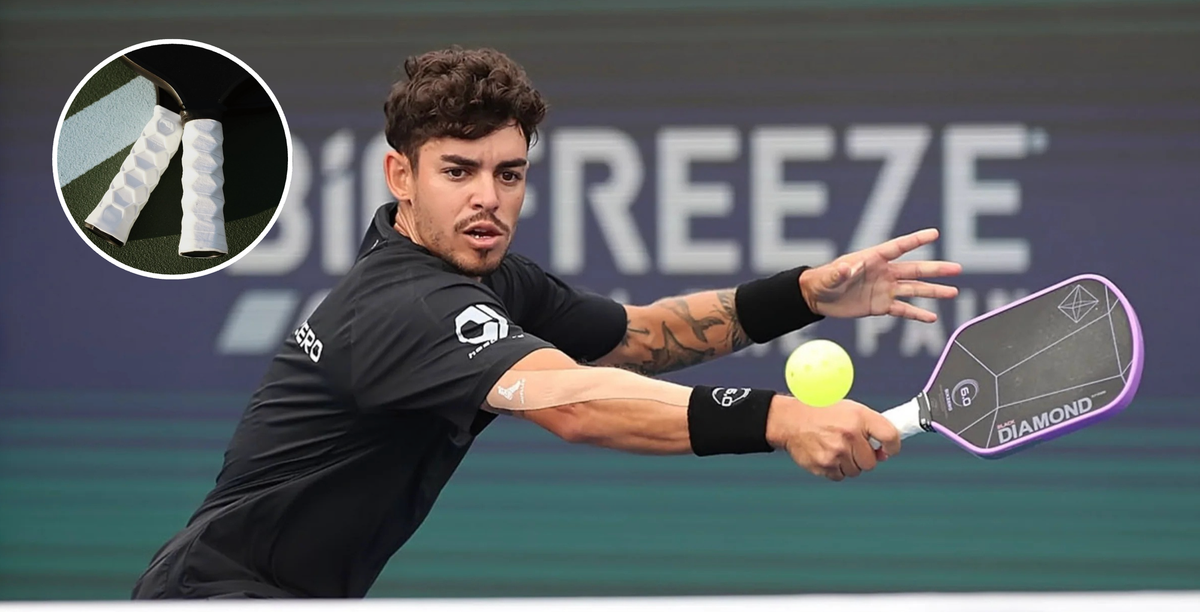
A growing group of players are realizing it’s not just about what you wrap over your handle. It’s about what you place under it.
 The Dink PickleballLuke Burton
When Should You Use the Flick in a Real Rally?
The flick works best when your opponent gives you a dink that sits up slightly above the net tape.
That extra height gives you the angle and margin to snap the ball aggressively without netting it.It also works when you have been dinking patiently and your opponent starts to relax their ready position.
A well-timed flick after five or six soft exchanges can catch them completely off guard.
What does not work is using it on every ball. Overusing it teaches your opponent the pattern and gives them time to read your setup.The best players, including kitchen line specialists like Tyra Black, mix the flick with resets and drops to keep opponents guessing.
If you want to understand when a full speed-up makes more sense, this breakdown on attacking the kitchen line like a 5.0 lays out the decision clearly.
Remember that all of this happens inside the non-volley zone, so keep the 2026 USA Pickleball rule updates in mind before you lean into your feet on the snap.
Master the Pickleball Flick: Complete Technique Guide
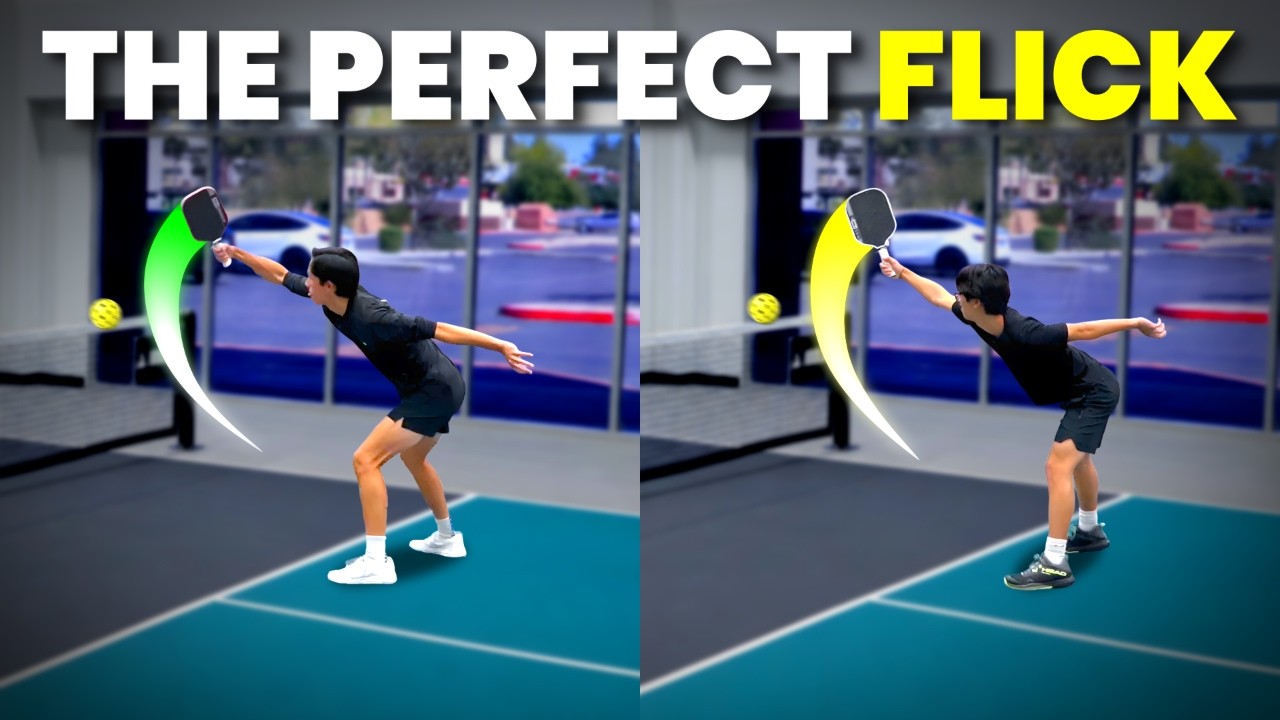
The pickleball flick is one of the most effective attacking shots in the game, allowing you to generate topspin and catch opponents off guard. Master both backhand and forehand variations with this comprehensive technique breakdown.
 The Dink PickleballThe Dink Media Team
How Does the Flick Fit Into Your Kitchen Line Offense?
The flick is one piece of a larger kitchen line attack system. On its own, it wins points. Inside a real offensive strategy, it wins whole rallies.
Understanding how the flick connects to the roll and other attack options will help you use it more intelligently.This guide on roll vs. flick strategy at the kitchen puts both shots in context so you know which one to reach for.
The flick pairs especially well with a patient cross-court dinking game.
You set up your opponent by keeping the ball low and controlled, then flick when they give you a hittable ball.This tip on cross-court dinking covers exactly how to build that patience into your game.
You can also combine the flick with a well-disguised fake.
This breakdown on disguising speed-ups shows how to make your opponent read "soft shot" until it is too late.
5 Backhand Flick Fixes to Stop Hitting Into the Net
A backhand flick that keeps hitting the net almost always comes down to one paddle prep mistake. Fix these five things and your flick turns into a topspin weapon.
 The Dink PickleballThe Dink Media Team
What Are the Most Common Flick Mistakes?
Beyond the tip position and grip pressure issues, here are the other mistakes that come up most often:
- Starting the motion too early: If you begin your swing before the ball reaches your ideal contact point, you lose the tight timing that makes the flick sharp.
- Contacting the ball too high: The flick is most effective around waist height or slightly below. Trying to flick from shoulder height turns it into a weak push.
- Following through too long: The snap is a short, compact motion. A long follow-through usually means you are using your arm instead of your wrist.
- Telegraphing with your elbow: Lifting your elbow as a tell before the flick gives opponents an early read. Keep your setup position neutral until the last moment.
- Aiming at open court instead of the body: A flick aimed at your opponent's hip or shoulder is much harder to reset than one aimed at an open gap.
If your dinking game needs work alongside your attack game, this article on common dink mistakes identifies the errors that set up weak flick opportunities for your opponents.
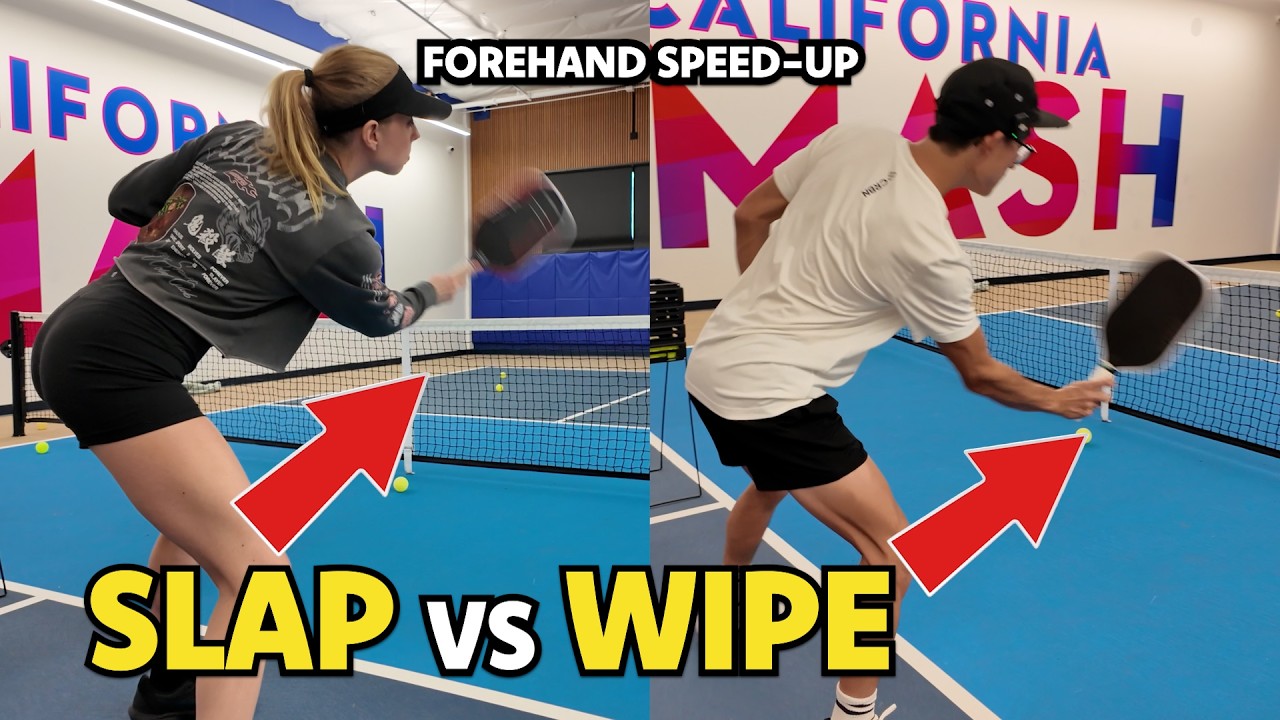
For a Better Forehand Flick, Ditch the Windshield-Wiper Technique
A simple wrist adjustment will transform your forehand speed-up into a point-scoring weapon
 The Dink PickleballThe Dink Media Team
How Do You Know the Flick Is Working?
The feedback from a good flick is immediate. The ball travels fast, low, and flat off the paddle.
Your opponent either misses the block entirely or pops it up for an easy put-away.
A bad flick floats. The ball rises above the net tape on the way out and gives your opponent time to reset softly.If that keeps happening, the tip position or grip pressure is the culprit, not your timing.
Film yourself from the side at the kitchen line during drilling. Watch where your paddle tip sits at setup.
If it is not visibly pointed toward the ground before you initiate, the rubber-band effect is gone before you even start.
For players working on resetting against opponents who flick at them, this guide on resetting speed-ups covers exactly how to absorb that kind of attack.And if you want to build a complete practice framework around these shots, these progressive drills that take you from 3.0 to 5.0 give you a structured path forward.
💡
Heads up: hundreds of thousands of pickleballers read our free newsletter.
Subscribe herefor cutting edge strategy, insider news, pro analysis, the latest product innovations and more.
Frequently Asked Questions
What is a pickleball flick and when should I use it?
The pickleball flick is a short, wrist-driven attack shot hit at the kitchen line to accelerate the ball past your opponent. Use it when your opponent floats a dink slightly above the net tape or when they start to relax during a soft exchange. It is most effective when mixed with resets and drops so opponents cannot read the setup.
Why does my pickleball flick feel weak even when I try to snap my wrist?
If your flick feels weak, the paddle tip is almost certainly pointing up or flat during setup, which removes all the wrist range you need for a real snap. Drop the tip toward the ground before you initiate and you will immediately feel more stored energy in the wrist. A tight grip is the other common cause, so check your grip pressure too.
How loose should my grip be when hitting a flick in pickleball?
Your grip should be firm enough to control the paddle but relaxed enough for your wrist to move freely through contact. Grip pressure experts often describe the ideal as holding the paddle like you would hold a small bird, tight enough to keep it, loose enough not to hurt it. A tight grip locks your forearm and kills the snap completely.
Where should I aim my pickleball flick?
Aim the flick at your opponent's hip, shoulder, or backhand side rather than an open corner of the court. Shots directed at the body are harder to reset because your opponent cannot move their paddle freely. Open-court flicks give opponents a chance to redirect with a clean block if they read the shot in time.
How do I practice the pickleball flick without a partner?
Start with shadow reps where you practice the tip-down setup and wrist snap motion without any ball involved. You can also use a wall to feed yourself bouncing balls and work on the snap at contact from close range. Practicing pickleball at home without a court covers additional solo drill options that translate directly to kitchen line shots like the flick.
Anuncie Aqui / Advertise Here
Sua marca para o mundo Pickleball! / Your brand for the Pickleball world!




 English (US) ·
  Portuguese (BR) ·