
 English
  Spanish
  Portuguese
  German
  Italian
  Japanese
  French
  Polish
  Russian
  Netherlands
  Hungarian
  Turkish
  Videos
  Thedink Pickleball

Pickleball psychology plays a massive role in match outcomes, especially during extended rallies. Jack Sock explains how relentless defense can break down even the best players mentally.
Pickleball psychology is one of the most underrated aspects of competitive play.
You can have perfect technique, lightning-fast reflexes, and a paddle worth more than your car, but if your mind isn't right during a long rally, you're going to lose points you should win.
That's exactly what Jack Sock explores in his latest breakdown for Selkirk TV, where he dissects a brutal point that perfectly illustrates how mental fatigue can sabotage even elite players.
Love pickleball? Then you'll love our free newsletter. We send the latest news, tips, and highlights for free each week.
The Point That Changed Everything
In the video, Sock breaks down a pro mixed doubles rally that lasted what felt like forever.
It's an impressive display of offensive prowess and defensive resilience.
But here's where it gets interesting: after all that back-and-forth, after all those chances to put the ball away, Will Howells misses an easy one.
Not a difficult shot. An easy one. The kind of shot he normally doesn't miss, especially on his backhand, which is his favorite stroke.
This is pickleball psychology in action.
Why Does the Mental Game Matter So Much in Pickleball?
The answer is simpler than you'd think: pickleball psychology determines how you respond to adversity within a single point.
When your opponent keeps returning everything you throw at them, something shifts in your brain.
- You start doubting yourself.
- You start pressing.
- You try to do too much on the next ball.
This is the psychological trap that separates good players from great ones.
The best competitors don't just have better strokes; they have better mental resilience.
They understand that pickleball psychology is a two-player game, and sometimes your opponent's defense is so good that it forces you into mistakes without them even touching the ball.
5 Advanced Pickleball Tips to Go From 4.0 to 5.5
The difference between average and advanced pickleball players comes down to control, positioning, and smart anticipation
 The Dink PickleballThe Dink Media Team

The Defense That Wins Without Attacking
What makes this point so instructive is that Jack Monroe and Megan Fudge never went on offense. They just kept the ball in play.
They made Howells work for every single shot. They made him think. They made him uncomfortable.
This is an underrated strategy in pickleball. Most players obsess over their attacking shots, their put-aways, their winners.
But the real power move is forcing your opponent into a mental corner where they beat themselves. Monroe's defense was so relentless that it created the conditions for Howells to fail.
"That's pickleball defense at its finest," Sock concludes.
The lesson here extends beyond this one point. In competitive pickleball,
You're not just playing against your opponent's paddle; you're playing against their mind.The longer a rally goes, the more pressure builds. The more pressure builds, the more likely someone is going to crack.
8 Pickleball Doubles Strategy Tips Nobody Talks About
Pickleball doubles is a game of angles, positioning, and reading your opponent. But there’s a gap between what coaches teach and what actually wins matches.
The Dink PickleballThe Dink Media Team

How Elite Players Manage Pickleball Psychology
So what separates the players who stay calm during long rallies from those who don't? Pickleball psychology training isn't something you can buy.
It's built through experience, through losing points you should have won, and through learning to recognize when you're pressing.
The best players develop what sports psychologists call "emotional regulation." They understand that missing an easy shot after a long rally is normal.
It happens to everyone. The key is not letting that one miss affect the next point.
Howells is an elite player, which makes this miss even more instructive. If it can happen to him, it can happen to anyone. The difference is that he'll learn from it.
He'll recognize the pattern. Next time he's in a similar situation, he might take a breath, trust his stroke, and not try to do too much.
💡
Need some new pickleball gear? Get 20% off select paddles, shoes, and more with code THEDINK at
Midwest Racquet SportsSock introduces a concept that deserves its own section: one extra ball. This is the idea that when your opponent returns one more ball than you expected, it messes with your timing and your confidence.
Think about it.
- You hit a shot that you think is a winner.
- Your opponent somehow gets it back.
- Now you're not expecting to have another chance.
- Your brain isn't prepared for it.
- You rush. You overcommit. You miss.
This is pure pickleball psychology. It's not about skill; it's about expectation management.
The players who excel at managing this mental trap are the ones who stay ready for every ball, who don't assume anything is over until it's actually over.
How to Hit a Paralyzing Passing Shot in Pickleball
In both singles and doubles pickleball, net control is everything, and the player who can consistently pass an advancing opponent gains a massive advantage
The Dink PickleballThe Dink Media Team

What This Means for Your Game
If you're serious about improving your pickleball, you need to understand that pickleball psychology is just as important as your third shot drop or your kitchen line positioning.
Here's what you can take from this breakdown:
- First, recognize that long rallies are mental battles, not just physical ones. The player who stays calm and composed is usually the one who wins.
- Second, understand that relentless defense is a legitimate winning strategy. You don't always need to attack. Sometimes the best move is to keep the ball in play and let your opponent beat themselves.
- Third, accept that you're going to miss easy shots sometimes. It happens to pros. It happens to everyone. The key is not letting it spiral into a pattern of mistakes.
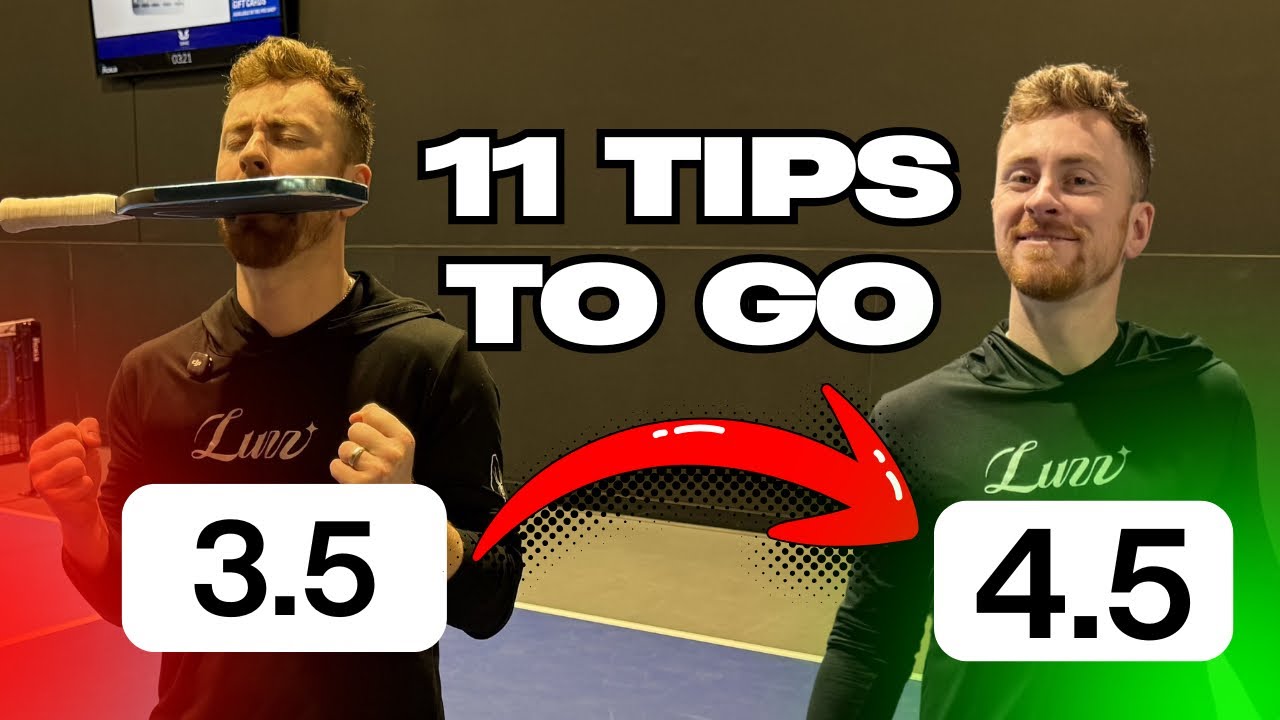
11 Concrete Tips to Go From 3.5 to 4.5 in Pickleball
The difference between 3.5 and 4.5 players comes down to consistency, court awareness, and smarter shot selection
The Dink PickleballThe Dink Media Team
The Bigger Picture
What Sock's analysis reveals is that pickleball at the elite level is as much about mental toughness as it is about technical skill.
The players who dominate tournaments aren't always the ones with the prettiest strokes.
They're the ones who can stay composed when things get tight, who can handle the pressure of a long rally, and who can execute when it matters most.
Pickleball psychology is the invisible skill that separates champions from everyone else.
It's why the same player can look unbeatable one day and vulnerable the next. It's why a pro can miss an easy sitter after playing a perfect point.
It's why this sport is so compelling to watch and so challenging to master.
The next time you're in a long rally, remember this point.
- Remember that your opponent is feeling the same pressure you are.
- Remember that the mental game is just as important as the physical one.
- And remember that sometimes, the best defense is the one that forces your opponent to beat themselves.
💡
Heads up: hundreds of thousands of pickleballers read our free newsletter.
Subscribe herefor cutting edge strategy, insider news, pro analysis, the latest product innovations and more.
Frequently Asked Questions
What is pickleball psychology and why does it matter?
Pickleball psychology refers to the mental and emotional aspects of the game that influence performance. It matters because even elite players can miss easy shots when their confidence is shaken by long rallies or relentless defense. Mental toughness often determines match outcomes more than technical skill alone.
Why do pros miss easy shots during long rallies?
Pros miss easy shots during long rallies because of mental fatigue and expectation management. After multiple exchanges, a player's confidence can waver, and they may try to do too much on a shot they normally execute easily. The pressure of the extended rally creates doubt.
How can I improve my mental game in pickleball?
You can improve your mental game by practicing emotional regulation, staying composed during long rallies, and accepting that mistakes happen to everyone. Focus on staying ready for every ball rather than assuming a point is over. Build confidence through repetition and match experience.
Is defense a better strategy than constantly attacking?
Defense can be just as effective as attacking, especially when executed with relentless consistency. Forcing your opponent to beat themselves through solid defense is a legitimate winning strategy that puts psychological pressure on them without requiring aggressive shots.
How do I avoid pressing during important points?
To avoid pressing, take a breath before important shots, trust your technique, and remember that you've hit this shot thousands of times before. Recognize when you're trying to do too much and simplify your approach. Focus on execution rather than outcome.
Anuncie Aqui / Advertise Here
Sua marca para o mundo Pickleball! / Your brand for the Pickleball world!






 English (US) ·
  Portuguese (BR) ·