
 English
  Spanish
  Portuguese
  German
  Italian
  Japanese
  French
  Polish
  Russian
  Netherlands
  Hungarian
  Turkish
  Videos
  Thedink Pickleball

Pickleball shot selection comes down to reading what your opponent is doing before you swing. Get these 3 decisions right and you will win more points without hitting a single better shot.
Pickleball shot selection is not about hitting harder or dropping more balls.
It is about reading the situation in front of you and matching the right shot to it before the rally forces your hand.
Most players pick their shot before they even see what their opponent is doing.They decide on a drop or a drive based on habit, not on what the other team is actually giving them. That is where points get thrown away.
These three rules come from Richard Livornese on YouTube, and they are the kind of simple, situational triggers that immediately sharpen your decision-making without changing your mechanics at all.
Love pickleball? Then you'll love our free newsletter. We send the latest news, tips, and highlights for free each week.
Why Shot Selection Matters More Than Shot Execution
You can have a technically clean third shot drop in pickleball and still lose the point by hitting it at the wrong time.
A drop into a player who is already camped at the kitchen does nothing for you.
You handed them an easy reset and went nowhere.The players who consistently win at the 4.0 level and above are not hitting more difficult shots.
They are making better decisions about which shot fits the moment, and that is a skill you can build without spending a single extra hour on drills.
Think of these three rules as a checklist you run through in the half second before you swing.Once they become habit, your pickleball shot selection stops feeling random.
Rule 1: Hit a Hybrid When They Are Slow to Get In
When your opponent hits their return and then shuffles slowly toward the kitchen instead of sprinting, you have an opportunity most players miss completely.
A hybrid shot sits between a full drive and a standard drop.
You are hitting the ball with more pace than a soft drop, but you are directing it at their feet as they transition rather than blasting it at their chest.
The goal is to catch them in no man's land, the zone between the baseline and the kitchen line where they cannot comfortably handle a ball at their feet.
If you drop a soft third when they are slow getting in, you gave them time to arrive at the kitchen on their terms.
They get set, they reset your drop, and nothing changed.
The hybrid punishes their slow movement without requiring a full aggressive drive.What does a hybrid actually look like?
It is a controlled, medium-pace ball that stays low and lands in the transition zone, roughly between the service line and the kitchen.
You are not going for a winner. You are going for discomfort.Here is the basic trigger for when to use it:
- Your opponent hits a return and pauses before moving
- They take slow, casual steps toward the kitchen instead of committed sprinting
- They are still in transition when your ball arrives
- They are not split stepping, which means they are not ready to change direction
If all four of those are true, throw the hybrid. If they are already at the kitchen, go back to your standard third shot drop placement.
💡
Need some new pickleball gear? Get 20% off select paddles, shoes, and more with code THEDINK at
Midwest Racquet SportsRule 2: Drive When They Sprint Without a Split Step
This is one of the most common free points available at every level below 5.0, and almost nobody takes it on purpose.
When a player sprints hard toward the kitchen without split stepping, they are committed to their forward momentum.They cannot stop, they cannot adjust, and they cannot handle a ball hit hard at their body or feet.
They are physically vulnerable for a window of roughly one second.A split step is the small hop a player does when they arrive at the kitchen to get balanced and ready to react in any direction.
Players who skip it are still moving when the ball reaches them.
A hard drive directly at their feet or torso during that window is extremely difficult to manage cleanly.
How do you read the split step in real time?
Watch your opponent's feet as they approach the kitchen, not their paddle.
If their feet stop and they plant before your contact point, they split stepped and they are ready, so go with a drop or a controlled ball.
If their feet are still moving when you make contact, they did not split step. Drive the ball. Hit it with pace, keep it low, and aim at the body.
Understanding split step timing in pickleball works both ways. It tells you when to be patient and when to attack.
Most players only think about their own split step. Start reading your opponent's too.The drive in this situation is not a desperation move. It is a calculated shot based on a real read.
That distinction matters because it changes how you approach it mentally.
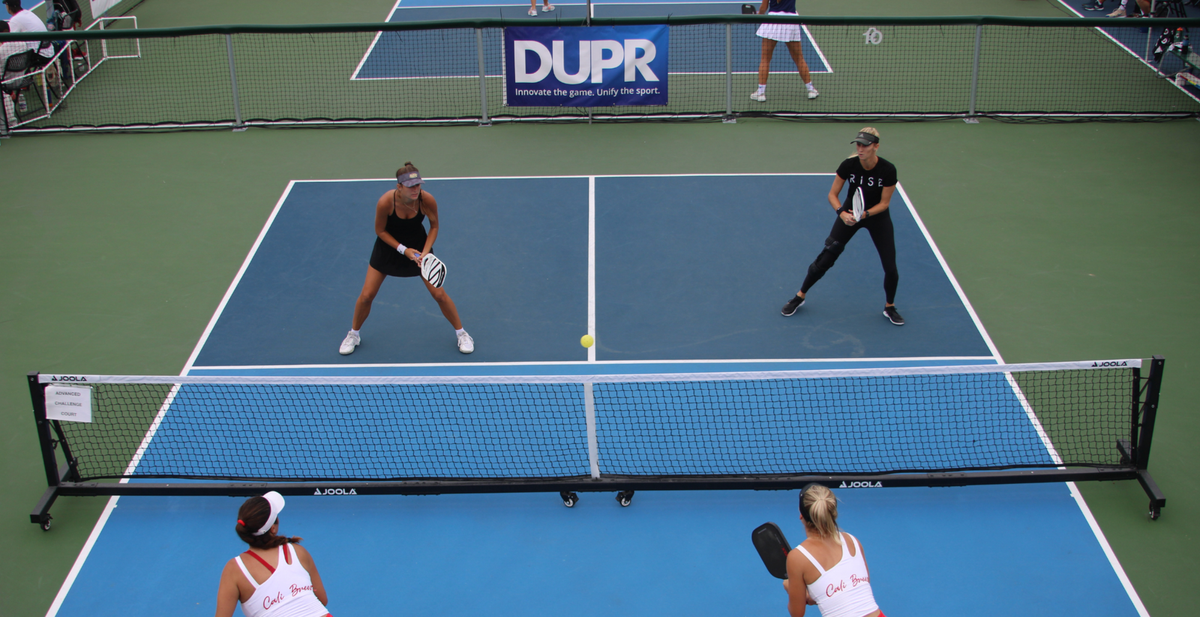
Split Step Pickleball: The Ready Position Most Players Skip
The split step in pickleball is a small hop that puts your body in the perfect ready position just before your opponent strikes the ball. Most recreational players skip it entirely, and that single habit is costing them more points than any other technique gap.
 The Dink PickleballThe Dink Media Team
Rule 3: Stop Lobbing Your Thirds
This one is blunt because it needs to be.
Lobbing your third shot is one of the fastest ways to lose a pickleball match, and it happens constantly at the recreational and 3.5 level.
Here is why it does not work. Your opponents are already at the kitchen line after the return. That is their home.
A lob on the third shot gives them time to track back, set up, and hit a reset or a put-away with full preparation.
You reset nothing. You just gave them a ball they can see the whole way.The lob works as an offensive weapon when your opponents are pinned at the kitchen and not expecting it, which is usually during a dink rally.
Using it as a third shot strategy, right after the return of serve, is the opposite of that situation.
They are ready, they are watching, and they have all the time they need.
What should you hit instead of a third shot lob?
The short answer is almost anything else. Here are better options depending on what you see:
- Third shot drop: The standard choice when opponents are set at the kitchen and waiting. Aims to land in the kitchen and neutralize their advantage. Learn six third shot drop techniques to expand your toolkit here.
- Third shot drive: Useful when your opponents have not yet reached the kitchen or when you get a high, attackable ball. Keep it low and aggressive.
- Hybrid shot: As described above, aimed at the feet of a slow mover in transition.
The lob is not a forbidden shot in pickleball. It has real value in the right situation. But the third shot is almost never that situation.
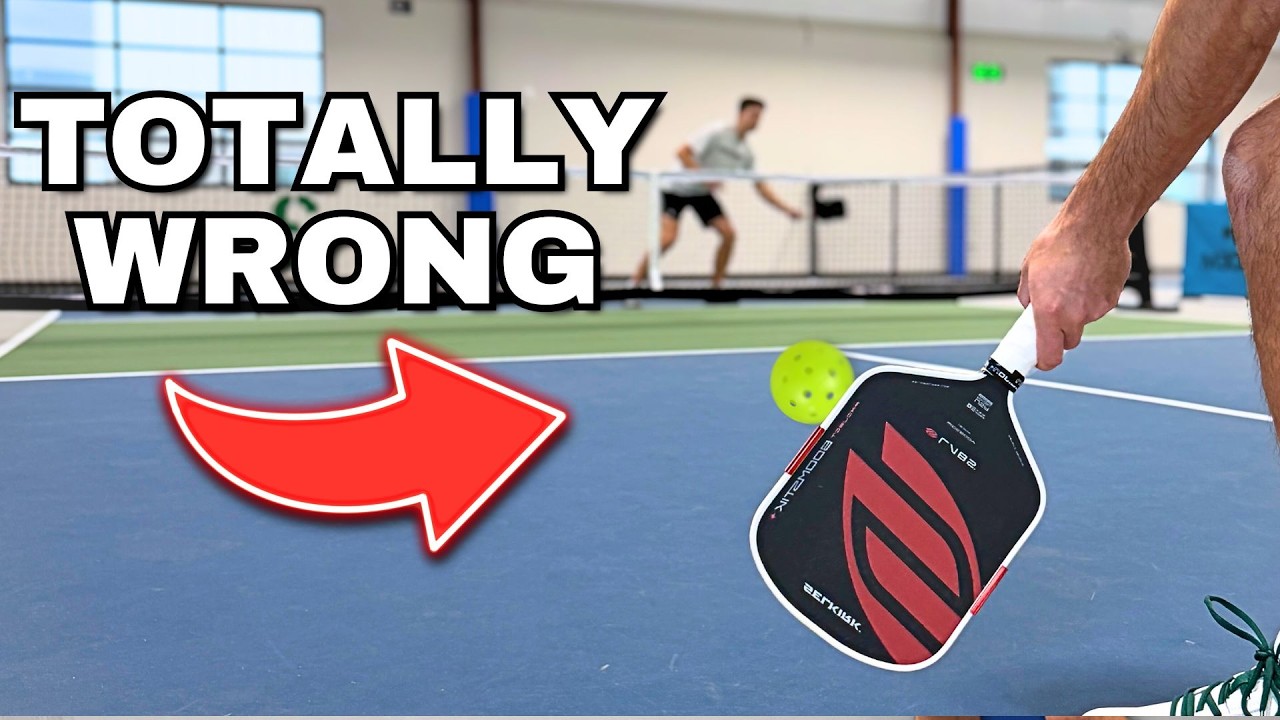
Simplifying the Third Shot Drop: Fix These 5 Common Mistakes
The third shot drop becomes consistent when players stop overthinking mechanics and focus on smart positioning and progression
 The Dink PickleballThe Dink Media Team
How These Three Rules Work Together
Each rule asks you to read one specific thing about your opponent before you pick your shot. That is the common thread.
Rule 1 reads their movement speed. Rule 2 reads their footwork readiness. Rule 3 removes a bad default habit from your game entirely.Together they build a mental framework that turns pickleball shot selection from guesswork into a system.
Players who apply a clear framework make fewer unforced errors and create more opportunities without needing to be more athletic.
Pickleball Rules Explained for Beginners (2026)
Pickleball rules can feel overwhelming at first, but they break down into a handful of core concepts that click fast. This guide covers every rule you need to know to step on the court with confidence in 2026.
 The Dink PickleballThe Dink Media Team
Why Do So Many Players Ignore These Signals?
The honest answer is that most players are watching the ball, not their opponents.
When you are tracking your own shot and thinking about your technique, you have no attention left to notice where the other team's feet are or whether they split stepped.
This is a focus problem, not a skill problem. You already have the physical ability to hit a drive or a drop.What you need is the habit of glancing at your opponent's feet and movement before you commit to your shot.
Start with just one rule per session. Pick rule 2, and spend an entire game watching your opponent's feet as they come to the kitchen. Just watch.Do not try to execute the drive perfectly yet. Build the read first, then attach the shot to it.
If you want to go deeper on the third shot specifically, studying how pros like Jack Sock approach third shot decisions gives you a reference point for how much situational reading actually goes into that single moment.
5 Obscure Pickleball Rules You’re Breaking
Even seasoned intermediate players get tripped up by obscure pickleball rules that aren’t talked about enough. From serve momentum tricks to hidden kitchen faults, mastering these five rules will give you a competitive edge on the court.
 The Dink PickleballThe Dink Media Team

Applying This in Match Play
During a real game, you will not have time to run through a mental checklist consciously.
These rules need to become reflexive, and the only way that happens is deliberate practice with intention behind it.One useful approach is to use structured drills where you practice reading a specific cue before every third shot.
Have a partner alternate between sprinting hard and walking slowly to the kitchen.
Practice hitting the hybrid when they walk and the drive when they sprint without stopping. The repetition locks in the read.You can also work on decision-making habits without a court by visualizing these scenarios and mentally running through the rule triggers.
The third shot lob fix is the easiest of the three to implement.
You just stop doing it. Start today and you will immediately remove one of the most common self-inflicted errors in recreational pickleball.
If you want a complete system for reducing unforced errors across every part of your game, these six fixes for unforced errors pair well with the shot selection rules above.
Good shot selection is not complicated. It is consistent. Pick the right read, attach the right shot, and repeat until it is automatic.
💡
Heads up: hundreds of thousands of pickleballers read our free newsletter.
Subscribe herefor cutting edge strategy, insider news, pro analysis, the latest product innovations and more.
Frequently Asked Questions
What is a hybrid shot in pickleball?
A hybrid shot in pickleball is a controlled, medium-pace ball aimed at an opponent's feet while they are transitioning toward the kitchen. It is faster than a standard drop but less aggressive than a full drive. The goal is to force a difficult low ball from a player who is not yet set at the kitchen line.
When should I drive the ball on my third shot?
Drive the ball when your opponent sprints to the kitchen without split stepping, because they are physically off balance and unable to react cleanly. A hard, low drive aimed at the body during that window is very difficult to handle. If they are already set and balanced at the kitchen, a drop or dink is the better call.
Why is lobbing on the third shot a bad idea?
Your opponents are already at the kitchen after the return of serve, giving them plenty of time to track, set up, and attack a lob. The lob works as a surprise during a dink rally, not as a third shot strategy. Better third shot options exist in almost every situation.
What is a split step and why does it matter for shot selection?
A split step is a small hop a player makes as they arrive at the kitchen line, designed to get them balanced and ready to move in any direction. Players who skip this step are still moving when the ball reaches them and cannot react cleanly to a hard shot. Watching for it tells you exactly when a drive will be most effective.
How do I get better at pickleball shot selection during real matches?
Start by focusing on one read per game, like watching whether your opponent split steps before you decide to drive or drop. Build the habit of watching your opponent's feet and movement speed instead of only tracking the ball. Once each individual read becomes automatic, combining all three rules happens naturally over time.
Anuncie Aqui / Advertise Here
Sua marca para o mundo Pickleball! / Your brand for the Pickleball world!




 English (US) ·
  Portuguese (BR) ·