
 English
  Spanish
  Portuguese
  German
  Italian
  Japanese
  French
  Polish
  Russian
  Netherlands
  Hungarian
  Turkish
  Videos
  Thedink Pickleball

Tennis brands like Wilson, Babolat, and Head had every advantage when they entered pickleball. Here is why they still failed, and why golf brands may be headed down the same road.
The biggest names in tennis had every resource in the world to dominate pickleball paddles.
They had the manufacturing muscle, the retail relationships, and the brand recognition. They still failed, badly.
Wilson, Head, Babolat, and Yonex all took their swings at the pickleball paddle market, and all four came up short in ways that left serious players completely unimpressed.Now golf brands like Callaway, Ping, and Mizuno are stepping up to the same plate.
This breakdown comes straight from Zane Navratil Pickleball on YouTube, where multiple-time PPA, APP, and MLP champion Zane Navratil (also a former Deloitte auditor) pulls back the curtain on exactly what went wrong and what the golf world needs to understand before it makes the same mistakes.
Love pickleball? Then you'll love our free newsletter. We send the latest news, tips, and highlights for free each week.
The Problem Started Before a Single Paddle Was Sold
Here is the core issue: making a pickleball paddle is not hard, and that is exactly what tripped up the tennis giants.
The barrier to entry was so low that every legacy pickleball paddle brand assumed it could coast on name recognition alone.
Wilson and Head entered in 2014 and 2017 respectively, and OG players saw it as a massive moment of validation.
But the paddles they produced were not competitive at any serious level, even before the era of raw carbon fiber faces, thermoforming, and foam cores.There was nothing wrong with where those paddles were sold.
The problem was what was inside them. Players who bought their first paddle from a big box retailer felt burned, and that first impression stuck hard.
Why Couldn't They Just Sign a Pro and Move On?
In tennis, Roger Federer swung a Wilson racket, but that racket was a custom, one-of-one build.
You could never actually buy Federer's racket off a shelf at Dick's Sporting Goods.
Pickleball works completely differently.By rule, the paddle a pro uses in competition must be the same product that is commercially available to any consumer.
You can buy Ben Johns or Anna Leigh Waters' exact paddle right now.That rule killed the tennis brands' biggest strategy. They could not slap a logo on a custom pro-spec build and call it a sponsorship.
The paddles had to actually perform, and they did not, so no serious pro would touch them.
This is also why understanding the philosophy behind USA Pickleball's equipment standards matters so much for anyone following the paddle industry closely.
💡
Need some new pickleball gear? Get 20% off select paddles, shoes, and more with code THEDINK at
Midwest Racquet SportsTheir Most Loyal Customers Were the Problem
Tennis brands assumed their core tennis audience would migrate naturally into pickleball gear. That assumption was completely backwards.
In the late 2010s and early 2020s, the turf war between tennis and pickleball was at its peak. Hardcore tennis players were not buying pickleball equipment.
They were actively pushing back against the sport taking over their courts.So the brands launched at the worst possible moment.
Their loyal customers refused to cross over, and the new audience they needed to win was already skeptical of the product quality.
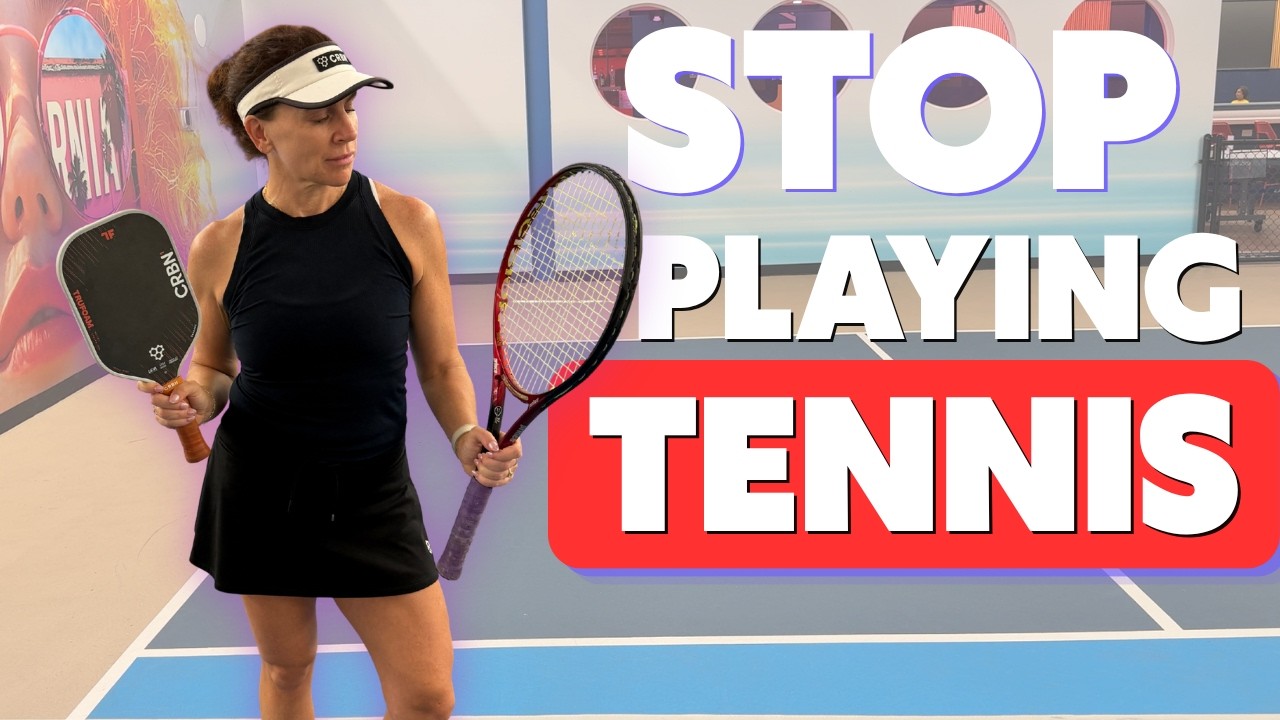
7 Tennis Habits Hurting Your Pickleball Game
Your tennis background can take you far in pickleball, but it can also be the exact reason you plateau at 4.0. Here are 7 tennis habits to unlearn and what to replace them with.
 The Dink PickleballThe Dink Media Team
The 5 Core Reasons They Failed
- Equipment that was not competitive. The paddles simply were not good enough for players who cared about performance, even by the lower standards of early pickleball paddle technology.
- No pro endorsement credibility. Without truly competitive paddles, no serious pro would sign on. Without pro endorsement, there was no proof the gear worked.
- Wrong target customer. Tennis loyalists despised pickleball during this era. The crossover audience never showed up.
- Playing it too safe. Brands refused to take risks that might tarnish their legacy names, and that risk aversion killed any chance they had at innovation.
- Paddle technology in pickleball cycles every six months to a year, while tennis racket tech barely changes across decades. The brands were built for 18 to 24 month product cycles and could not move fast enough.
That last point is critical. Pickleball is a copycat industry with minimal real IP protection.
When one company innovates, Chinese manufacturers absorb those trade secrets within months.If you are not innovating constantly, you are falling behind. The tennis brands were not built for that pace.
You can see the same pattern playing out in how brands like Gearbox have tried to use patents to hold a competitive edge over that exact copying problem.
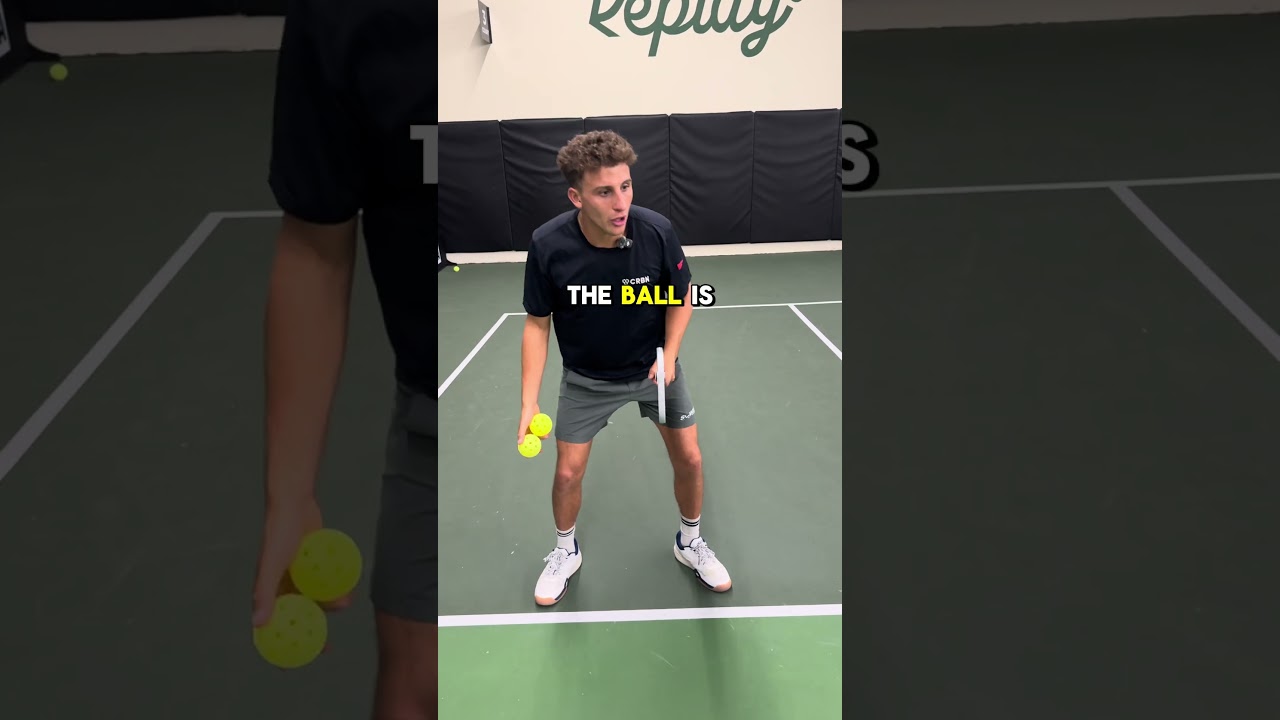
Paddle Tracking: The Pro Pickleball Skill You’re Missing
Paddle tracking is the foundational pickleball skill that all pros use to stay ahead of the action. By keeping your paddle tip pointed at the ball, you shift from reactive to proactive play.
 The Dink PickleballThe Dink Media Team
Playing It Safe Was the Original Sin
The biggest paddle scandals in pickleball history came from brands willing to push limits.
Franklin turned the sport upside down with spray-on grip in 2021.
Carbon got flagged by USAPA for allegedly selling paddles with more surface texture than what they submitted for approval, and Yola is currently fighting a $200 million lawsuit over their Gen 3 paddles.
None of those brands were tennis giants protecting a legacy reputation. They were hungry pickleball-first companies willing to take real risks.The tennis brands were not willing to risk embarrassing their established names, so they produced safe, forgettable paddles that players quickly learned to ignore.
By protecting their brands, they destroyed their relevance in the space.
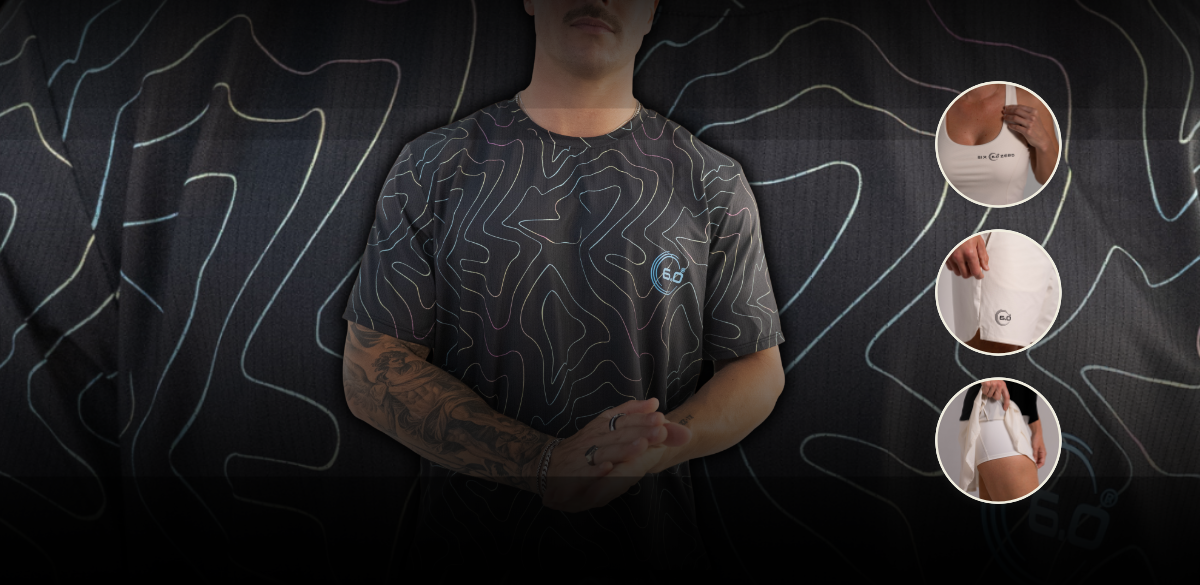
Six Zero Pioneered Paddle Innovation, Now It’s Rethinking Pickleball Apparel
Rather than lazily repurposing clothing already designed for a different sport or activity, this gear was designed, tested, and proven specifically for pickleball
 The Dink PickleballAlex E. Weaver
What Happened When They Tried to Course-Correct?
Wilson, Head, and Babolat all eventually realized they needed actual pros on their rosters. They signed players like Callie Smith, Sarah Ansbury, and Roscoe Bellamy to build credibility. It looked like progress.
Then paddle technology changed. Again. And again.
And again. The pros they had signed were suddenly using completely outdated equipment, and no legacy pickleball paddle brand could keep pace with the innovation cycle.Right now, none of them have a paddle approved by USA Pickleball for pro tour play.
A player could not use their equipment on the tour even if they wanted to, and no pro actually wants to.
The accessories and footwear side is a completely different story. Wilson overgrips are still the most popular in the sport.Head, Babolat, and Wilson shoes and bags are common on courts everywhere. Those products do not need rapid innovation.
They need economies of scale, which is exactly what these brands are built for.
That distinction matters a lot if you are thinking about choosing the right pickleball bag or finding the best pickleball shoes, because tennis brand products in those categories actually hold up.
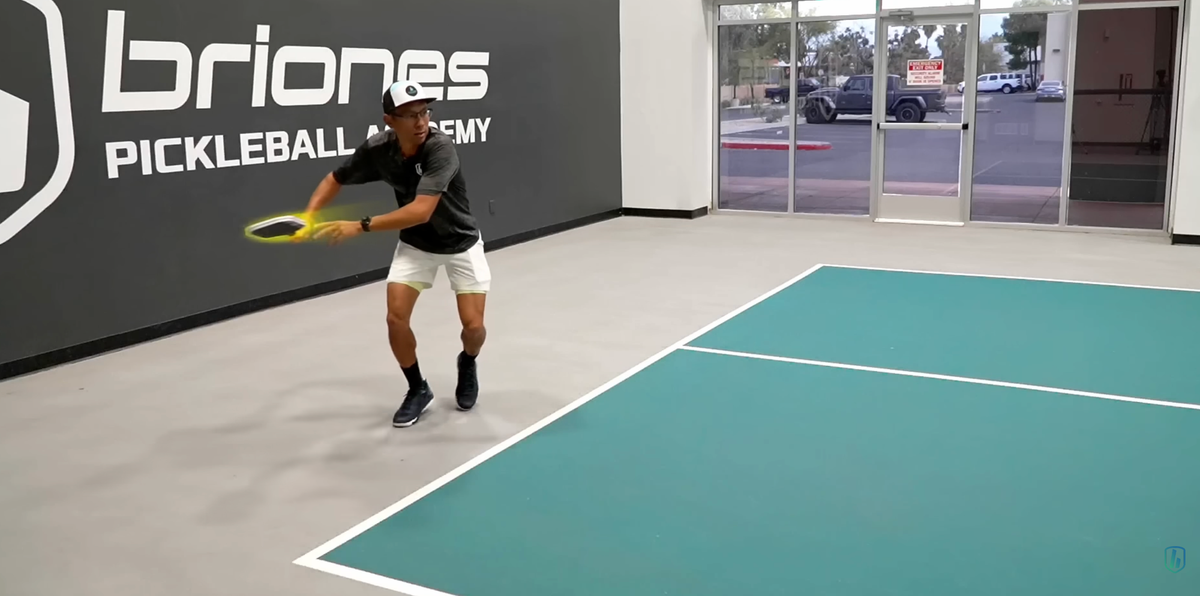
The Pickleball Drive Crash Course: Pro Tips for Powerful Shots
The drive is one of pickleball’s most important shots: it’s your way to take the initiative, put pressure on your opponents, and finish points.
 The Dink PickleballThe Dink Media Team
Can Adidas Show Us a Path Forward?
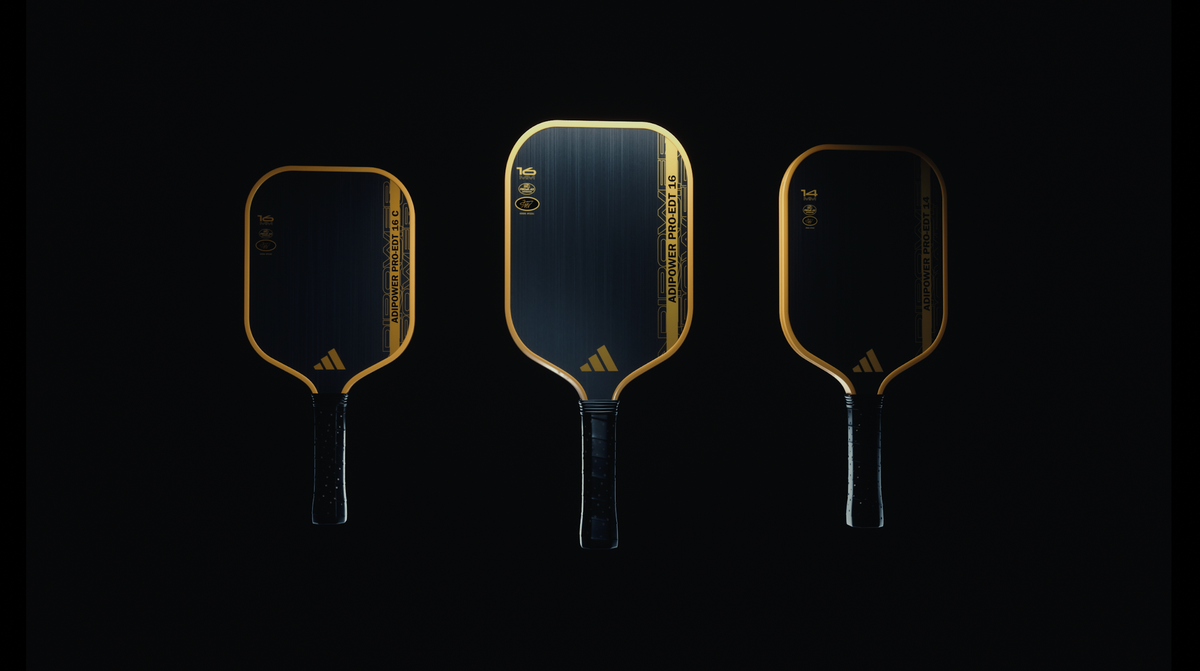
Adidas was the laughingstock of pickleball for years. Then they made a genuinely decent paddle and recovered. That example matters because it reveals something important about how pickleball players actually think.
In pickleball, brand equity means very little. You are only as good or as bad as your last paddle. That is a harsh standard, but it also means recovery is possible for any brand willing to actually build a competitive product.
The realistic path forward for tennis brands involves a few options:
- Poaching top engineers, marketers, and industry experts from pickleball-native companies to build real internal capability
- Making non-controlling investments in paddle brands that already have engineering talent and community credibility, then bringing distribution and logistics expertise to the table
- Waiting for the market to mature, when innovation cycles slow and economies of scale become the deciding competitive factor
Market research projects the US pickleball paddle market will roughly double from around $184 million in 2025 to approximately $368 million by 2034, growing at better than 8% annually.
That growth profile will absolutely attract these legacy brands back into the space eventually, and the 2025 SFIA Topline Participation Report shows the player base underneath it is still expanding fast.For players focused on improving their own game while the paddle market sorts itself out, building real skills is always the better investment.
Understanding how to raise your pickleball IQ will outlast any paddle trend.
adidas Pickleball ‘Returns Stronger’ with AdiPower Paddle Line
The AdiPower PRO-EDT is a new line of power-forward paddles designed for pickleball purists who favor shotmaking ability and access to some added firepower.
 The Dink PickleballAlex E. Weaver
Will Golf Brands Learn the Lesson or Repeat the Mistake?
The connection between golf and pickleball is not random. Callaway acquired Top Golf in 2021, and Top Golf's major investor was Tom Dundon, the most powerful individual in pickleball by a wide margin.
Dundon controls the United Pickleball Association, which is the parent company of the PPA and MLP.
He also has ownership stakes in Pickleball Central, DUPR, and The Pickler.
Callaway theoretically has access to that pickleball knowledge network, which is a real advantage none of the tennis brands ever had.But then you look at the actual product.
The Callaway Inertia paddle attempts some innovation with a patent-pending perimeter weighting system. It is priced at $250.
And underneath the branding, it is still outdated tech banking on name recognition over performance.
That is exactly the playbook that failed for Wilson, Head, and Babolat.Experienced pickleball players can look at a paddle and know within seconds whether it will compete. That $250 Callaway paddle does not pass that test yet.
Pickleball is also expanding globally at a pace that makes this market even more significant.Ten countries where pickleball is growing fast based on DUPR data shows just how large the opportunity has become for any brand that gets the product right.
The brands that will win this space are the ones willing to build dedicated pickleball divisions, hire people who actually play and understand the game, and accept that they will have to take some risks and occasionally embarrass themselves publicly.
Without that kind of commitment, even the best-connected golf brand is going to end up in the same graveyard as Wilson and Babolat.
If you want to make sure you are picking the right paddle regardless of who makes it, these five all-court paddles ranked by lab data cut through the marketing noise completely.
And if you want to understand how paddle choices connect to your actual development as a player, start with the tennis habits that are hurting your pickleball game, because gear choices are only one piece of the puzzle.
💡
Heads up: hundreds of thousands of pickleballers read our free newsletter.
Subscribe herefor cutting edge strategy, insider news, pro analysis, the latest product innovations and more.
Frequently Asked Questions
Why did tennis brands like Wilson and Head fail at making pickleball paddles?
Tennis brands failed primarily because they built paddles that were not competitive, could not attract serious pro endorsements, and moved too slowly to keep up with pickleball's fast-changing paddle technology cycles. They also targeted their existing tennis customer base, which largely rejected pickleball during that era. Playing it safe instead of innovating was the defining mistake.
Why can't pickleball pros use custom paddles the way tennis pros do?
USA Pickleball rules require that any paddle used in sanctioned competition must be identical to the version commercially available to consumers. This means brands cannot hand a pro a custom-built, higher-performance version while selling something different to the public. Any brand caught doing this faces serious sanctions from paddle certification bodies.
Are tennis brand shoes and bags still worth buying for pickleball?
Yes, pickleball shoes and bags from Head, Babolat, and Wilson remain genuinely competitive products because those categories reward manufacturing scale and durability over rapid innovation. Wilson overgrips in particular are still the most popular on pickleball courts. The problem was always the paddles, not the accessories.
Will golf brands like Callaway succeed where tennis brands failed?
Not unless they are willing to take real risks and build paddles that actually compete at a high level. Callaway has a significant connection to Tom Dundon and the pickleball industry through the Top Golf acquisition, which is a real structural advantage. But the current Callaway Inertia paddle still looks like a case of brand over performance, which is exactly what sank the tennis brands.
How fast does pickleball paddle technology actually change?
Paddle technology in pickleball turns over every six months to one year at the fast end. Tennis racket technology has made very little meaningful progress across multiple decades. This speed mismatch is one of the core reasons tennis brands, built for 18 to 24 month product cycles, kept falling behind pickleball-native companies that could move and adapt much faster.
Anuncie Aqui / Advertise Here
Sua marca para o mundo Pickleball! / Your brand for the Pickleball world!



 English (US) ·
  Portuguese (BR) ·