
 English
  Spanish
  Portuguese
  German
  Italian
  Japanese
  French
  Polish
  Russian
  Netherlands
  Hungarian
  Turkish
  Videos
  Thedink Pickleball

PPA pro Ashley Griffith breaks down the five essential dink tips that transform your kitchen game. These proven techniques focus on grip strength, shoulder mechanics, and contact point to eliminate pop-ups and build consistency.
Everyone talks about the third shot drop or the ATP (around-the-post) winner, but the dink is where matches are actually won and lost.
If your dinks feel inconsistent, pop up too much, or you just don't feel confident at the kitchen, you're not alone.
The good news? PPA pro Ashley Griffith has spent her career mastering this shot, and she's breaking down exactly what separates the pros from everyone else.
Love pickleball? Then you'll love our free newsletter. We send the latest news, tips, and highlights for free each week.
1. Why Your Dink Grip Matters More Than You Think
Here's the thing: most players either grip their paddle like they're strangling it or hold it so loose it might slip out of their hand. Neither works.
The dink tip that changes everything starts with grip strength, and Griffith recommends aiming for about a 4 out of 10.
Think of it like a handshake. You want something firm and confident, not aggressive and not wimpy.
When your grip is too soft, you lose control and power. The ball becomes unpredictable, and you can't generate the spin or touch you need at the kitchen.
When your grip is too tight, you get stiff and tense, which leads to those dreaded pop-ups that your opponent will attack without mercy.
The sweet spot is that middle ground where you're holding the paddle securely but not choking it.
Griffith demonstrates this by showing what happens when you dink with each extreme.
- With a loose grip, the ball floats and lacks direction.
- With a tight grip, the paddle becomes rigid, and you're essentially pushing the ball instead of controlling it.
- The proper dink tip involves finding that balance where your hands stay relaxed but engaged.
2. Should You Be Using Your Shoulder Instead of Your Wrist?
Absolutely. This is one of the most common mistakes Griffith sees, and it's a game-changer once you fix it.
Your shoulder should drive the dink, not your wrist.When you rely on your wrist, you lose consistency and control.
The motion should feel like a pendulum swinging from your shoulder through to the ball.
Think of it this way: your shoulder has more stability and range of motion than your wrist.
💡
Need some new pickleball gear? Get 20% off select paddles, shoes, and more with code THEDINK at
Midwest Racquet SportsWhen you use your shoulder, you're creating a smooth, repeatable motion that generates consistent contact.
Your wrist should be relatively quiet, just following along with the momentum.
This dink tip eliminates the jerky, unpredictable shots that come from wristy players.
Griffith shows the difference clearly. A wristy dink looks awkward and feels worse. A shoulder-driven dink looks smooth and feels controlled.
The momentum flows naturally from your shoulder down through your arm to the contact point.
If you're feeling like you're really wristing it or pulling your elbow, that's a sign you need to reset and focus on shoulder engagement.
Pickleball Dinking Technique: The Complete Beginner’s Guide
This guide breaks down everything you need to know about proper dinking form, grip, stance, and drills to dominate at the kitchen line.
 The Dink PickleballThe Dink Media Team

Where you make contact with the ball is everything. You want that contact point out in front of you, not behind you.
- When your contact is behind your body, you're late, you're short-hopping the ball, and you're setting yourself up for failure.
- When your contact is out in front, you're early, you're set, and you're in control.
This dink tip gives you time and space to do what you want with the ball. You're not scrambling or reacting. You're being proactive and deliberate.
Reaching out in front means you can take the ball at the right height, which is crucial for keeping it low and soft.
It also means you're not fighting the ball or trying to recover from a bad position.
Griffith emphasizes that being early is always better than being late in pickleball. When you're out in front, you have options.
You can adjust your shot, add spin, or change direction. When you're behind, you're just trying to get it back in play.
10 High-Performance Pickleball Paddles Under $150
Yes, pickleball paddles are more expensive than ever. But you can still get maximum performance without breaking the bank – if you know where to look.
The Dink PickleballAlex E. Weaver
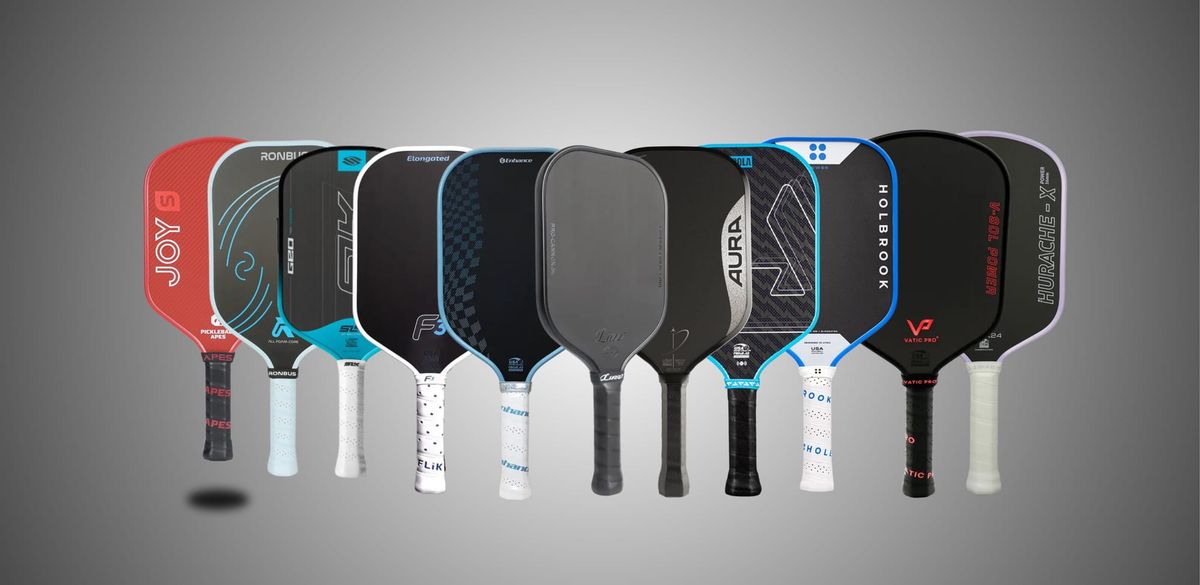
4. Lift the Ball, Don't Hit It
This is where feel comes in.
The dink is a soft shot, a touch shot.You're not trying to rip it or muscle it.
You're lifting the ball with a brushing motion, giving it that soft bounce that lands in the kitchen and sits up nicely for your opponent to deal with.
When players hit instead of lift, they're muscling the ball. It goes too hard, it bounces too high, and your opponent gets an easy put-away.
When you lift, you're brushing up on the ball, creating a soft arc that lands softly and bounces low. This dink tip is about feel and touch, not power.
Griffith shows the contrast.
- A hit dink is aggressive and lacks control.
- A lifted dink is soft and precise.
The difference is in the motion. You're not swinging through the ball. You're brushing up on it, giving it that good soft bounce.
Think of it like you're caressing the ball, not attacking it.Pickleball Dinking 101: Small Swings, Big Results
You’re not trying to hit winners from the kitchen. You’re trying to create situations where your opponent makes a mistake or gives you a ball you can attack
The Dink PickleballThe Dink Media Team
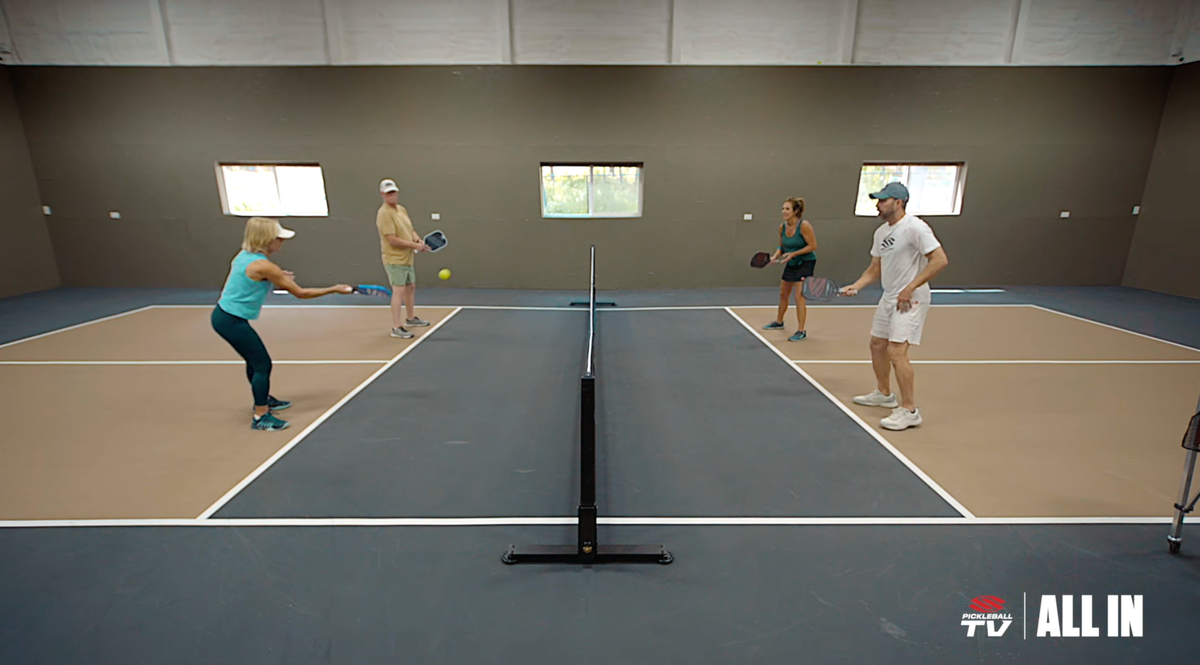
5. Why Holding Your Finish Matters
Here's something most amateurs miss: they rush through their dinks.
They swing and immediately get back to their ready position, which sounds good in theory but actually leads to poor shot quality.
When you rush, you can't fully commit to the shot. You're already thinking about the next one.
Griffith's dink tip here is to hold your finish. Give yourself a second to feel that dink. Finish the shot properly, then get back to your ready position.
This doesn't mean you're slow or out of position. It means you're committing fully to the shot you're hitting.
When you finish through the shot, you're aiming with the tip of your paddle. You're following through completely.
Then, after you've finished, you get back to your ready position.
This creates a rhythm and a flow that makes your dinking more consistent and more controlled.
Holding Your Dinks: The Deadliest Kitchen Strategy You’re Not Using Enough
Holding a dink forces your opponent to prepare for a slew of possibilities, and that split-second delay is where you gain the upper hand
The Dink PickleballThe Dink Media Team
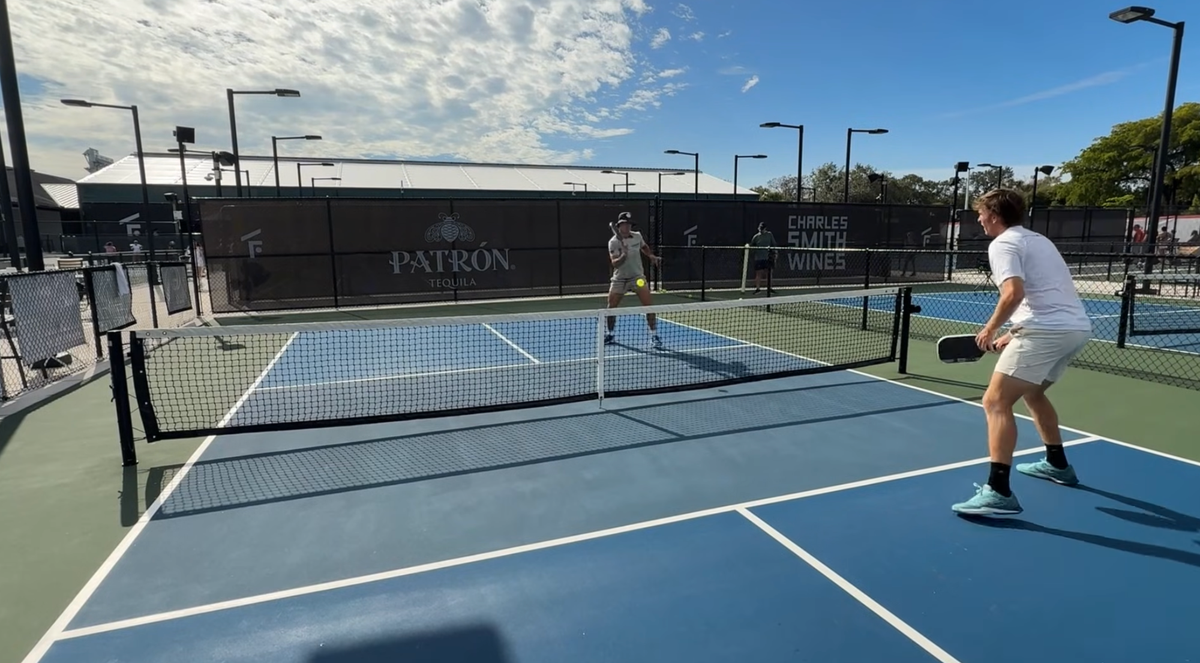
Putting It All Together
The five dink tips Griffith shares aren't complicated, but they require focus and repetition.
These are the fundamentals that separate consistent players from inconsistent ones.
The beauty of these tips is that you can apply them immediately. You don't need special equipment or a fancy court.
You just need to be intentional about your technique. Even applying a couple of these will make a noticeable difference in your game.
Griffith's approach is refreshing because she's not overcomplicating things. She's breaking down what works at the highest level and making it accessible.
The dink is the foundation of modern pickleball, and mastering these fundamentals will elevate your entire game.
💡
Heads up: hundreds of thousands of pickleballers read our free newsletter.
Subscribe herefor cutting edge strategy, insider news, pro analysis, the latest product innovations and more.
Frequently Asked Questions
What grip strength should I use when dinking?
Aim for about a 4 out of 10 grip strength. Think of it like a firm handshake. You want to hold the paddle securely without tensing up or choking it. This balance gives you control without creating the stiffness that leads to pop-ups.
Why is shoulder motion more important than wrist motion in dinking?
Your shoulder provides stability and a larger range of motion than your wrist. Using your shoulder creates a smooth, pendulum-like motion that's repeatable and consistent. Wrist-driven dinks are jerky and unpredictable, making it harder to control the ball at the kitchen.
How far in front of my body should my contact point be?
Your contact point should be out in front of you, not behind your body. Being early gives you time to adjust, add spin, or change direction. Being late means you're scrambling and short-hopping the ball, which limits your options.
What's the difference between lifting and hitting a dink?
Lifting involves a brushing motion that creates a soft arc and a low bounce. Hitting is more aggressive and muscular, which sends the ball too hard and too high. Lifting gives you control and feel; hitting gives your opponent an easy put-away.
Should I rush back to my ready position after dinking?
No. Hold your finish for a moment, committing fully to the shot before returning to your ready position. This creates better rhythm and more consistent shot quality. You'll still have plenty of time to get back in position for the next shot.
Anuncie Aqui / Advertise Here
Sua marca para o mundo Pickleball! / Your brand for the Pickleball world!







 English (US) ·
  Portuguese (BR) ·