
 English
  Spanish
  Portuguese
  German
  Italian
  Japanese
  French
  Polish
  Russian
  Netherlands
  Hungarian
  Turkish
  Videos
  Thedink Pickleball

Pickleball volley control isn't about luck or natural talent—it's about understanding two fundamental principles: paddle angle and energy.
You cannot break the laws of physics. If you want to be great at pickleball, you need to understand them and know how to use them to your advantage.
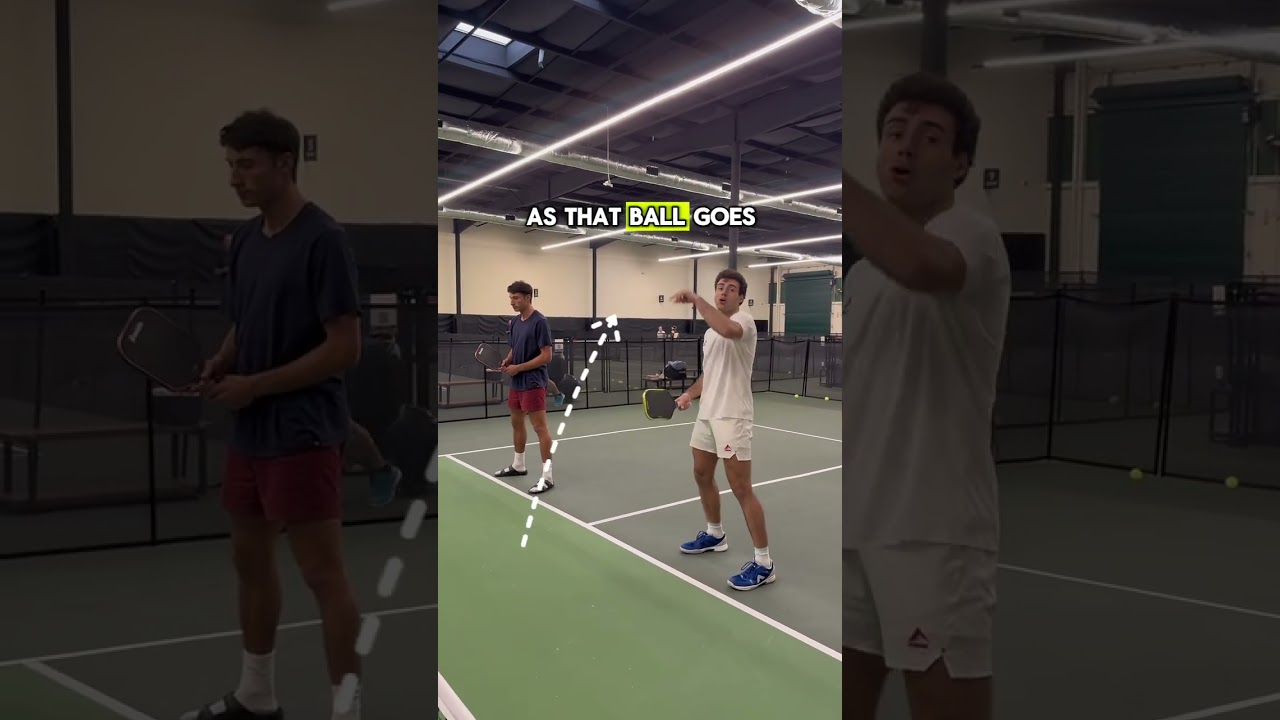
That's the core message from John Cincola, a pickleball instructor and content creator, who recently broke down the science behind pickleball volley control in a comprehensive video lesson.
The truth is, most players struggle with volleys because they're trying to muscle the ball instead of working with the physics of the game.
Cincola's approach is refreshingly simple: master two things, and you'll control almost any shot you want to hit.
Love pickleball? Then you'll love our free newsletter. We send the latest news, tips, and highlights for free each week.
The Two Pillars of Volley Control
When you really break it down, only a couple of things affect what the ball does when it leaves your paddle.
Paddle angle and energy (how much power you're putting back into the ball) are the two most important factors in pickleball volley control.
Think of your paddle face as having an imaginary target line that extends off it. This line should always be pointed about a foot over the net.
As the ball comes at different heights, you're not changing your target—you're adjusting your wrist angle to keep that line pointed at the same spot.
Here's the key insight: as your contact point gets higher, you're simply changing your wrist angle to maintain that target.
It's a gradual, continuous adjustment based on where you're hitting the ball. This is where most players go wrong.
They think they need to swing harder or change their entire technique. They don't. They just need to adjust their wrist.
Why Paddle Angle Matters More Than Power
The paddle angle determines the trajectory of the ball before you even think about adding power.
- When you're hitting a low ball, your paddle face is open (pointed up).
- When you're hitting a high ball, your paddle face is closed (pointed down).
The middle ground is square.
This isn't complicated, but it requires awareness. John Cincola emphasizes that understanding this relationship is foundational.
You can't control the ball if you don't know where your paddle is pointing.
The beauty of this system is that it works for volleys, dinks, and even off-the-bounce shots. It's universal.
Once you internalize this concept, you'll start seeing your volleys improve immediately because you're working with physics instead of against it.
💡
Need some new pickleball gear? Get 20% off select paddles, shoes, and more with code THEDINK at
Midwest Racquet SportsMatching Energy to Paddle Angle
Here's where the second pillar comes in: energy. Once you've got your paddle angle dialed in, you need to match your power level to that angle.
When your paddle is open (low ball), you're basically blocking. You're not adding power; you're just letting the ball touch the paddle. Think of it as a soft touch.
When your paddle is square (waist-height ball), you can add a little push. Not a full swing, but a controlled pop.
When your paddle is closed (high ball), that's when you go aggressive. You're extending through the ball with full power.
Soft when it's open, medium push when it's square, hard push when it's closed.That's the mantra.
This approach prevents one of the most common mistakes in pickleball: hitting a low ball hard.
When you do that, the ball goes into the net because your paddle angle is wrong. You're fighting physics.
But if you understand the relationship between angle and energy, you'll never make that mistake again.
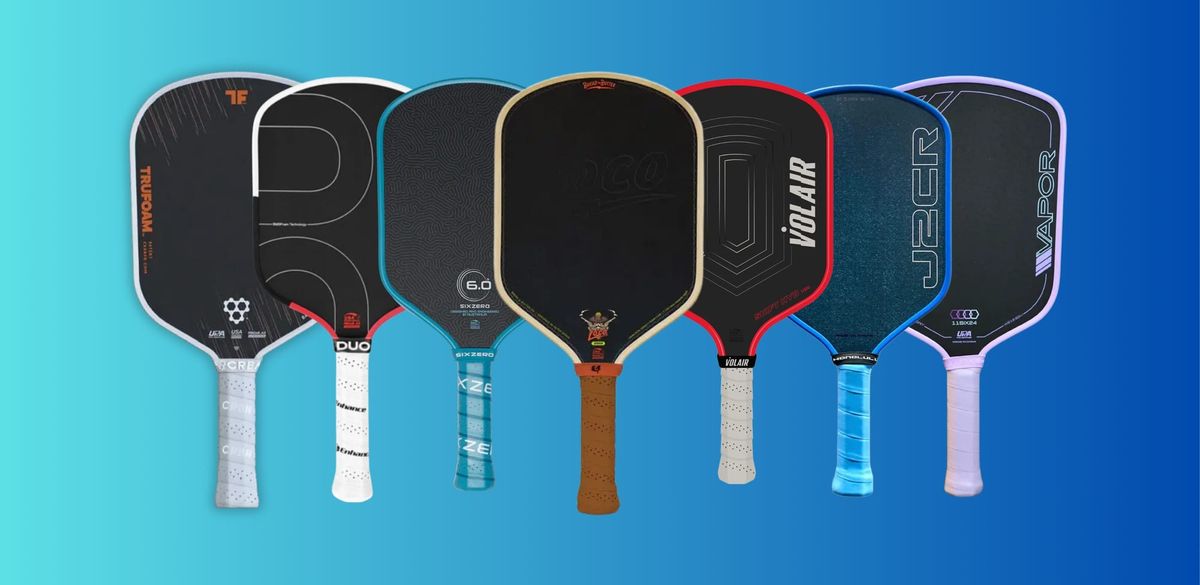
7 Hybrid Pickleball Paddles that Blend Power and Control
None of these are lacking in the oomph department. But their foam cores and hybrid shapes combine to offer more stability, control, and feel when it matters most.
 The Dink PickleballAlex E. Weaver
The Wrist Setup: Preparation, Not Execution
One of the most misunderstood concepts in pickleball is the role of the wrist. You'll hear coaches say "don't use your wrist," but that's only half true.
You absolutely need to use your wrist—just at the right time.
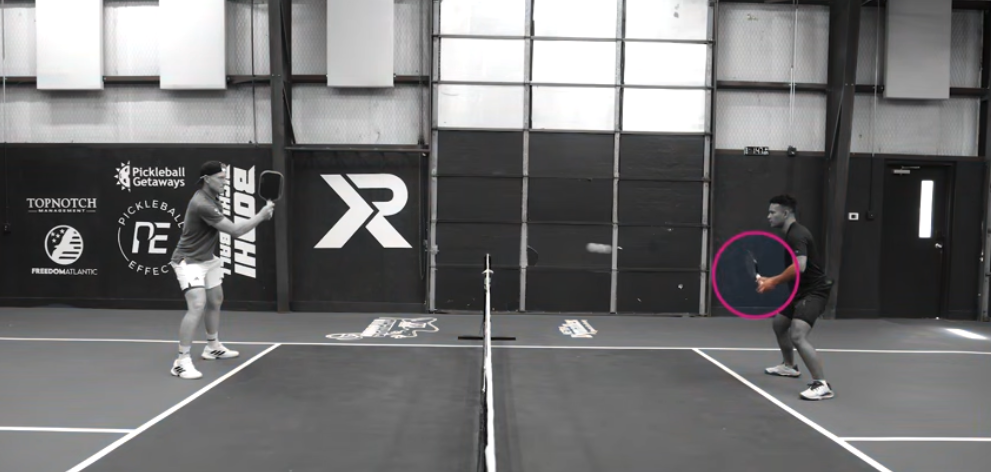
Your wrist is a preparation tool, not an execution tool.When the ball is coming at you, you're reading the height and speed, then setting your wrist angle accordingly. Once you've set it, it locks in place.
Your execution should be quiet and controlled, not involving any wrist movement.
Think of it this way:
- If the ball is coming low, you change your wrist angle early to open the paddle face. Then, as you execute the volley, your wrist stays locked.
- If the ball is coming high, you change your wrist angle to close the paddle face. Again, locked during execution.
This distinction is crucial because it prevents the common mistake of "wristy" volleys where the paddle face is moving all over the place.
Your wrist does the thinking; your arm does the hitting.Fix Your Forehand Speedup: Stop the Wrist Mistake
Almost every amateur player makes the same critical error on their forehand speedup. A pro coach reveals the exact wrist technique that separates winners from the rest.
The Dink PickleballThe Dink Media Team

Drills to Build Volley Control
Understanding the theory is one thing. Building the muscle memory is another. Cincola recommends a progression of drills that move from controlled to live situations.
- Start with a partner or ball machine feeding you low balls (at or below knee level). Focus on getting an early wrist movement to open your paddle, then set it and keep your execution quiet. You're not adding power here; you're just getting the feel for the angle.
- Next, move to waist-height balls. Your paddle is now fairly square, so you can add a little push. This is where you start to feel the difference between blocking and driving.
- Finally, work with high balls. Close your paddle face and go aggressive. Extend through the ball and really commit to the shot. This is where you build confidence in your power.
The final progression is a live ball volley drill where you're volleying back and forth with a partner.
In real time, you're adjusting your wrist angle based on where the ball is coming, then executing with the appropriate energy level.
This is where it all comes together.
The Perfect 60-Minute Pickleball Practice Plan
Professional pickleball player John Cincola shares the exact pickleball practice plan he uses to train touring pros and beginners alike.
The Dink PickleballThe Dink Media Team
Why This Matters for Your Game
The reason this approach works is because it's based on physics, not feel. You're not relying on intuition or muscle memory alone.
You're understanding the fundamental principles that govern how the ball moves.
Once you internalize these concepts,
- You'll stop missing volleys
- You'll stop hitting balls into the net on low volleys
- You'll stop popping balls up on high volleys
- You'll have control
This is especially important at the kitchen line, where volleys are the most frequent shot.
If you can master pickleball volley control, you'll win more points and put less pressure on yourself to hit winners. You'll be patient, consistent, and in control.
The best part? This isn't something that takes months to develop.
With focused practice on these two principles, you can see improvement in your next session on the court.
💡
Heads up: hundreds of thousands of pickleballers read our free newsletter.
Subscribe herefor cutting edge strategy, insider news, pro analysis, the latest product innovations and more.
Frequently Asked Questions
What's the most common volley mistake in pickleball?
The most common mistake is hitting a low ball hard. Players see the ball coming and instinctively try to add power, but a low ball requires an open paddle face and soft touch. When you hit it hard, the ball goes into the net because your paddle angle is wrong. Understanding the relationship between paddle angle and energy prevents this mistake.
How do I know if my paddle angle is correct?
Your paddle angle is correct when your imaginary target line is pointed about a foot over the net. For low balls, your paddle should be open (face up). For waist-height balls, your paddle should be square. For high balls, your paddle should be closed (face down). If you're consistently hitting balls into the net or popping them up, your paddle angle is likely off.
Can I use these principles for other shots besides volleys?
Yes. The paddle angle and energy system works for dinks, off-the-bounce shots, and any other pickleball stroke. The fundamental principle is the same: adjust your paddle angle based on the height of the ball, then match your energy level to that angle. This is why understanding these concepts is so valuable.
How long does it take to master volley control?
With focused practice, you can see significant improvement in a single session. However, building consistent muscle memory takes time. Most players see noticeable improvement within a few weeks of deliberate practice using the drills outlined above. The key is repetition and awareness.
Why is wrist positioning so important in volleys?
Your wrist determines your paddle angle, which determines the trajectory of the ball. If your wrist is in the wrong position, your paddle angle is wrong, and the ball won't go where you want it to. By using your wrist during preparation and locking it during execution, you ensure consistent paddle angles and better control.
Anuncie Aqui / Advertise Here
Sua marca para o mundo Pickleball! / Your brand for the Pickleball world!






 English (US) ·
  Portuguese (BR) ·