
 English
  Spanish
  Portuguese
  German
  Italian
  Japanese
  French
  Polish
  Russian
  Netherlands
  Hungarian
  Turkish
  Videos
  Thedink Pickleball

The middle is the most valuable real estate on the court, and controlling it isn't all about power — it's about awareness, positioning, and the willingness to hunt.
You hear some version of this all the time in pickleball circles: "Hit it high, you die."
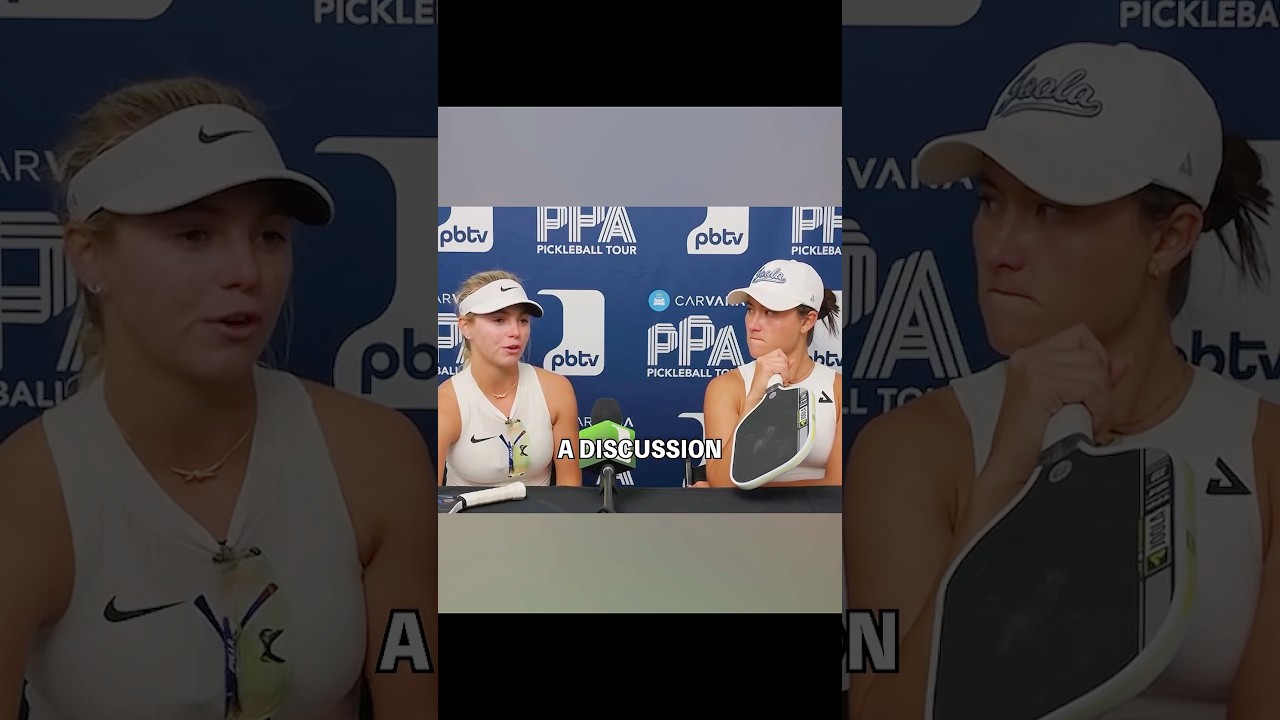
But here's the thing: knowing the rule and actually executing when the pressure's on are two completely different animals. That's exactly what top APP pro Jill Braverman tackles in her latest video, breaking down the mental and positional adjustments that separate good teams from great ones.
Love pickleball? Then you'll love our free newsletter. We send the latest news, tips, and highlights for free each Monday, Wednesday, and Friday.
The video centers on a deceptively simple concept: if you create the mess, you clean it up.
But as Jilly B demonstrates through drills, live demonstrations, and candid court observations from her recent camps, this principle goes way deeper than just paddle positioning. It's about attitude, awareness, and understanding that winning rallies often has nothing to do with hitting winners.
Want the Ball, Hunt the Ball
Here's what struck Jilly B during her camps: too many players are asking themselves, "Is it yours? Is it mine?" when the ball's in play.
That hesitation, that split-second of uncertainty, puts you on your heels. It kills your ability to close down the middle and take control of the point.
Instead, she's pushing a different mentality altogether: want the ball. Hunt the ball.
It sounds simple, almost too simple, but the implications are massive.
- When you're waiting at the kitchen line, you shouldn't be passively standing there hoping your partner takes the middle ball
- You should be actively moving your feet, reading the court, and positioning yourself to pounce on anything that comes your way
"If we're hitting paddles with our partner, that's a good thing," Jilly B says in the video. And she means it. Those moments when you and your partner are both going for the same ball? That's not a mistake. That's a sign you're both locked in, both hunting, both committed to controlling the middle.
The alternative, standing back and letting balls go because you're unsure, is what actually loses matches.
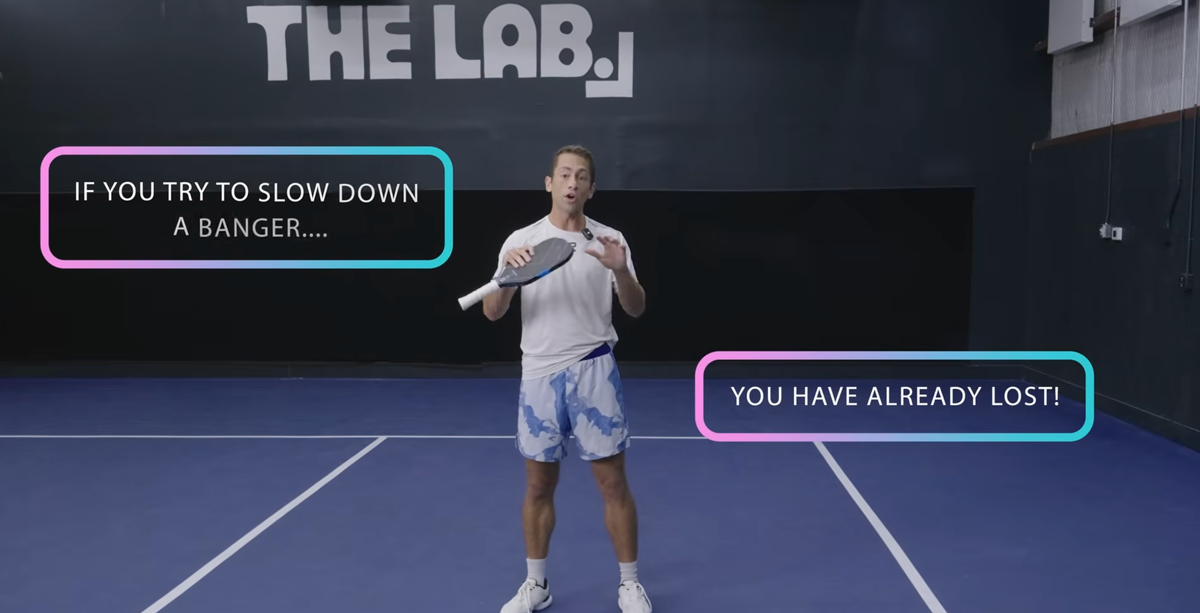
5 New Rules for Beating Bangers in Pickleball, According to Zane Navratil
“If you start out with the mentality of slowing down the banger, you’ve already lost to the banger.”
 The Dink PickleballThe Dink Media Team
The "Oh Snap" Drill: Making Partnership Distance Tangible
To drive this point home, Jilly B introduces the "Oh Snap" drill, a deceptively clever warm-up that forces partners to maintain the perfect distance from each other.
The setup is straightforward:
- Two players are tethered together with a rope or elastic workout band
- The opposing team wins a point if they can get the tethered pair to separate
The genius here is that it makes an abstract concept concrete.
How far should you be from your partner? One paddle in your right hand, one in your left hand; that's your distance. Not too slack, not too tight.It's the exact spacing you should maintain during actual rallies, and by forcing players to stay connected, the drill hammers home what happens when you drift too far apart.
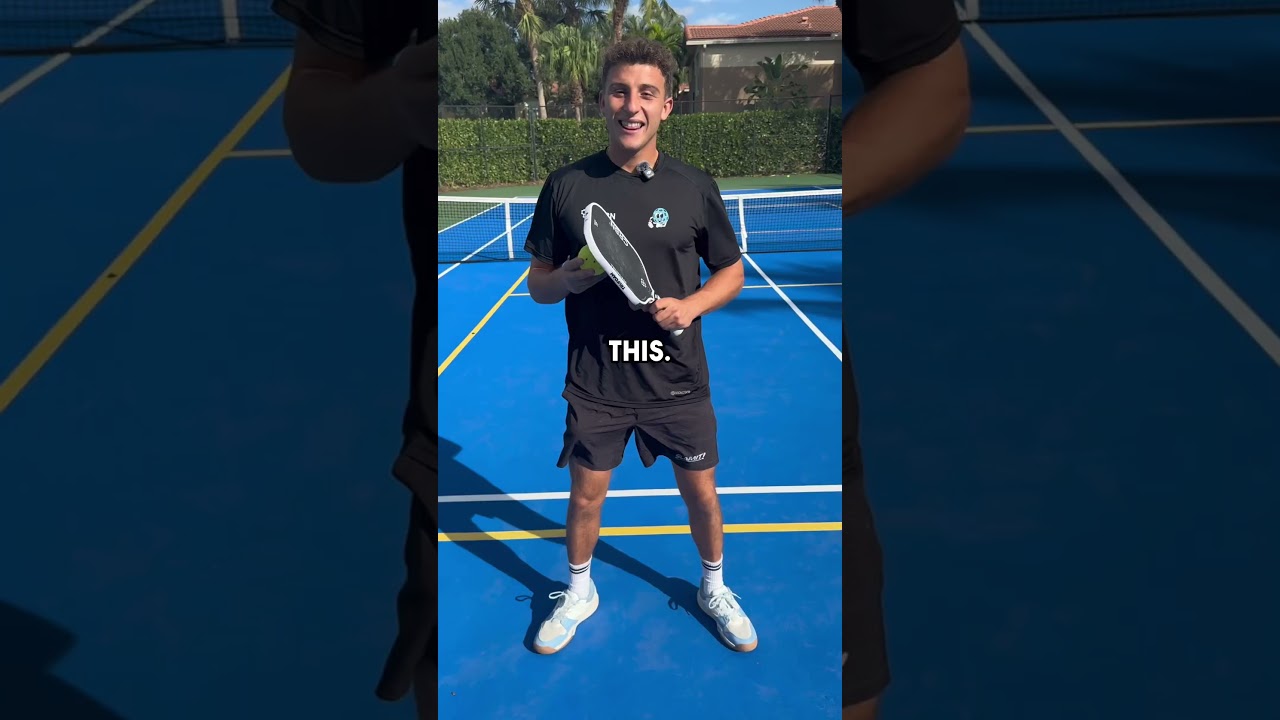
The Rope Rule: The Simple Positioning Secret to Stop Ball-Watching and Start Attacking
By moving in the direction of your shot, you’re already covering the most likely attack angles. You’re not playing defense; you’re playing smart offense through positioning.
 The Dink PickleballThe Dink Media Team
The Mess You Make, You Clean Up
Now we get to the core principle that anchors everything else.
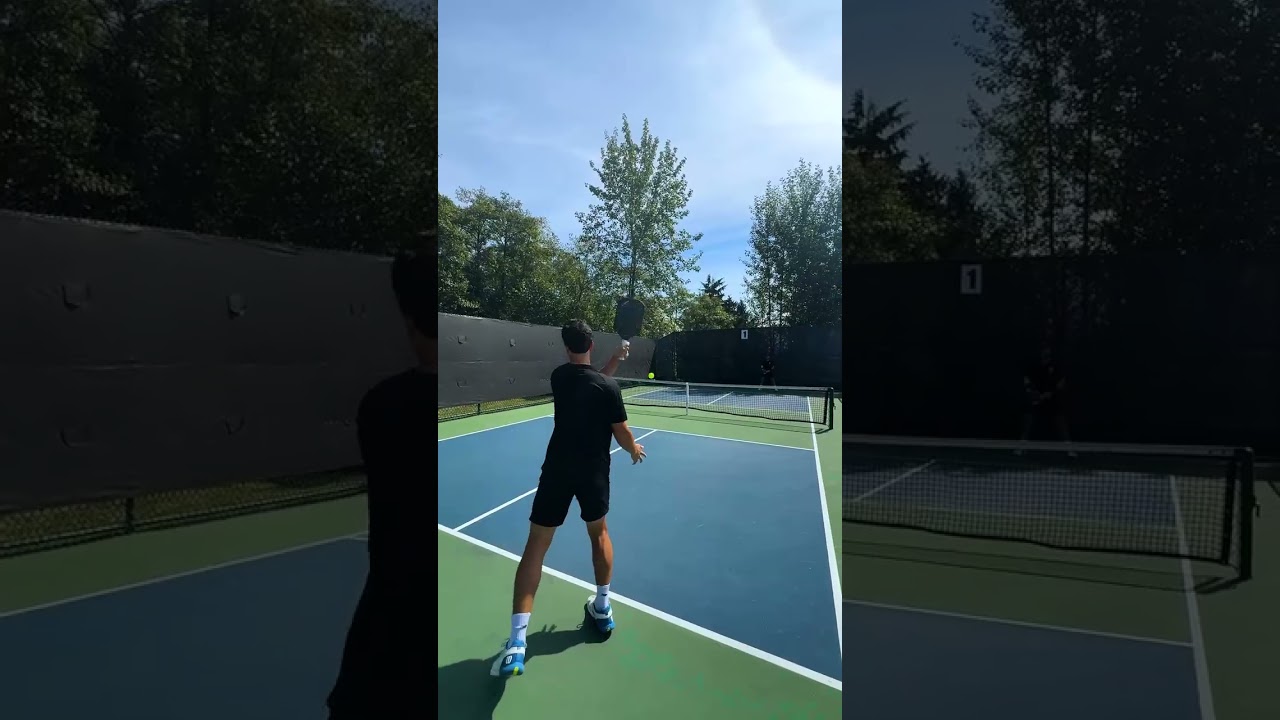
When you hit a high dink, and let's be honest, everyone does it sometimes, your first instinct should be to get big in the middle. Not to back up. Not to hope your partner covers it.
You hit it high, you own it; and you're responsible for cleaning it up.Jilly B demonstrates this with live examples from her camps, and the pattern is consistent:
- Players who hit a pop-up and immediately retreat are the ones getting punished
- Players who jump into the middle, paddle up, ready to react, are the ones who turn a mistake into a neutral rally or even a winning opportunity
This is not just about individual accountability. When both players on a team embrace this mentality, something magical happens. They start moving in sync. They start anticipating each other's movements. They start controlling the middle not through aggressive attacking, but through positioning and awareness.
One of her favorite examples involves playing from the left side. When she hits a high dink and knows instantly it's going up, her first move is to jump into the middle. And where does the ball come back? Straight to her paddle.
It can't go anywhere else. Unless you're playing against some one-handed flicker with superhuman reach, a high dink in the middle is going to come right back to the person who hit it if they're positioned correctly.
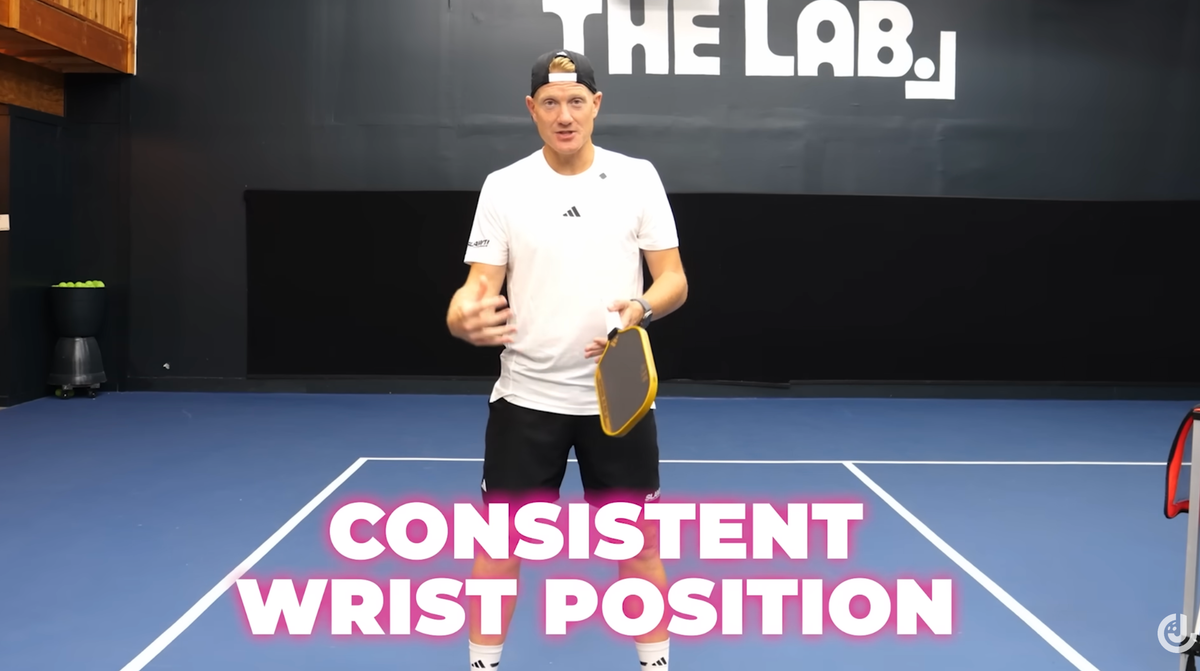
5 Simple Pickleball Tips That Actually Work (No Drilling Required)
You don’t need to spend eight hours a week on the court to see improvement. Sometimes a mindset shift or a focus on one specific element is enough to move the needle.
 The Dink PickleballThe Dink Media Team
Creating Space Before You Attack
Next, Jilly B spends time discussing the difference between forcing a speed-up and earning one.
Too many players see a slightly higher ball and immediately try to put it away. But that's not how the pros think about it.
Instead, she advocates for setting up your attacks.
- Use dinking patterns to move your opponents side to side
- Create space deliberately
- Then, when you see that opening, that's when you go for the speed-up.
It's the difference between hoping something works and knowing it will.
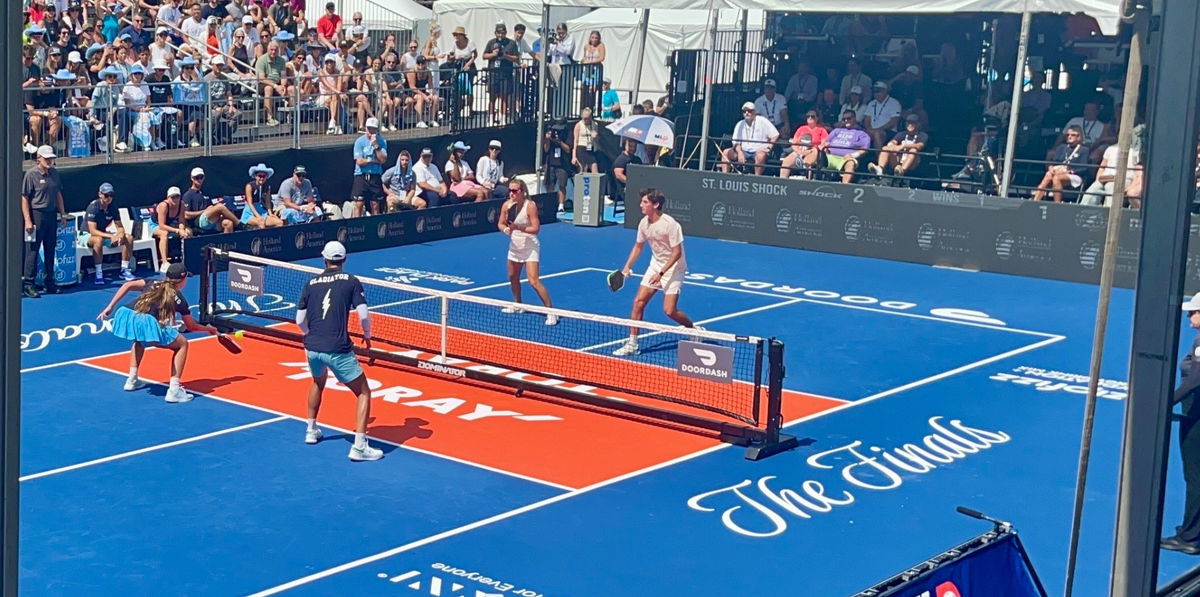
And when you do execute that speed-up to the middle? It's not always a hard attack. Sometimes it's just a low, aggressive dink to the middle that forces both opponents to react simultaneously.
They both go for it, they collide, and suddenly you've won the point without ever hitting a winner. You've won it through court geometry and positioning.
💡
Need some new pickleball gear? Get 20% off select paddles, shoes, and more with code THEDINK at Midwest Racquet Sports
The middle is the most valuable real estate on the court, and controlling it isn't about power. It's about awareness, positioning, and the willingness to hunt.
Putting it All Together
What makes this video resonate beyond just the technical instruction is that Jilly B is addressing a fundamental gap in how recreational players think about pickleball.
We're obsessed with shot-making, with hitting winners, with the highlight-reel moments. But the reality is that most points are won through positioning, communication, and mental toughness.
It's a reminder that pickleball, like any sport, rewards the players who think deeply about the game, not just the ones who hit the hardest.
Heads up: hundreds of thousands of pickleballers read our free newsletter. Subscribe here for cutting edge strategy, insider news, pro analysis, the latest product innovations and more.
Anuncie Aqui / Advertise Here
Sua marca para o mundo Pickleball! / Your brand for the Pickleball world!


 English (US) ·
  Portuguese (BR) ·