
 English
  Spanish
  Portuguese
  German
  Italian
  Japanese
  French
  Polish
  Russian
  Netherlands
  Hungarian
  Turkish
  Videos
  Thedink Pickleball

Most players pull the trigger on a speed up off the bounce at the worst possible moment. Here is the full breakdown of when to go, how to prep, and how to disguise it like the pros.
The speed up off the bounce is one of the most misused shots in recreational pickleball.
Most players go for it when they are already in a bad position, then wonder why it ends up in the net or floating right back at them.
The problem is not the shot itself. It is the timing, the prep, and the shot selection that are breaking down before the paddle even moves.This breakdown comes from PlayPickleball.com on YouTube, covering everything from the push-pull dynamic at the kitchen line to a disguise technique the pros are starting to build into their games.
Here is exactly what you need to know.
Love pickleball? Then you'll love our free newsletter. We send the latest news, tips, and highlights for free each week.
The Push-Pull Rule That Governs Every Speed Up Decision
Before you talk mechanics, you have to talk shot selection. There is a simple push-pull dynamic happening at the kitchen line that most players completely ignore.
If you are receiving an offensive ball, meaning a ball that is pulling you backward, pushing you off balance, or forcing you to reach, that is not the moment to speed up.
You are already compromised.
The rule is straightforward: if you get offense, give defense.If you get a defensive ball, one where you are balanced, grounded, and in control, that is the green light to attack.
You never match aggression with aggression.
This is one of the most common mistakes at the 3.5 and 4.0 level, and fixing it alone will immediately cut your unforced errors.
This concept connects directly to understanding shot selection rules that define when to go offensive and when to hold back.Get the decision right first, and the mechanics become much easier to execute.
What Does Early Preparation Actually Mean?
Early preparation is the single biggest factor in whether your speed up off the bounce works or falls apart.
Ninety percent of failures happen before the swing even starts.There are three things you need before you pull the trigger:
- Spacing: You cannot speed up a ball that jams you. You need room between your body and the contact point. If the ball gets into your chest, you have no leverage and no control.
- A pivot step back: Drop step with your outside foot to create that space. Contact the ball in front of that back leg, on either the forehand or backhand side. This gives you a clean contact zone.
- Grounded feet: Do not try to speed up while you are moving. If your feet are not set, the shot will be wild. Stop, settle, then swing.
One more detail that players miss: your paddle tip should be slightly down before you go.
If you are not prepped with the tip low and your feet grounded, it is not the right ball to speed up. Just dink it back and wait for a better look.
Getting low and staying grounded also ties into proper knee bend mechanics that protect your back while keeping you in a powerful hitting position.It is the same 4-step foundation that holds up every offensive shot you hit.
💡
Need some new pickleball gear? Get 20% off select paddles, shoes, and more with code THEDINK at
Midwest Racquet SportsForehand Speed Up Mechanics: The Zero-Forward Concept
The forehand version of this shot has two non-negotiable mechanical keys.
First, you need a short and compact motion. At the kitchen line, a big backswing will send the ball sailing out every single time.
The concept to internalize is called zero forward: start from zero backswing and go directly forward.
No windup. No loop. Just a controlled, compact punch forward.Second, use a windshield wiper motion through contact. Think about waving hello with your paddle using your wrist.
That rotational motion through the hitting zone applies topspin, which is what keeps the ball from flying long.Do not chase power. The closer you are to the net, the less power you actually need.
Placement and spin will do more damage than a hard, flat ball that lands three feet out.
A slower ball with heavy topspin will dip sharply and force a weak reply far more reliably than raw pace.
If you want to understand how topspin affects your opponent's ability to counter, check out how to return topspin in pickleball and you will immediately see why applying it yourself is such an advantage.
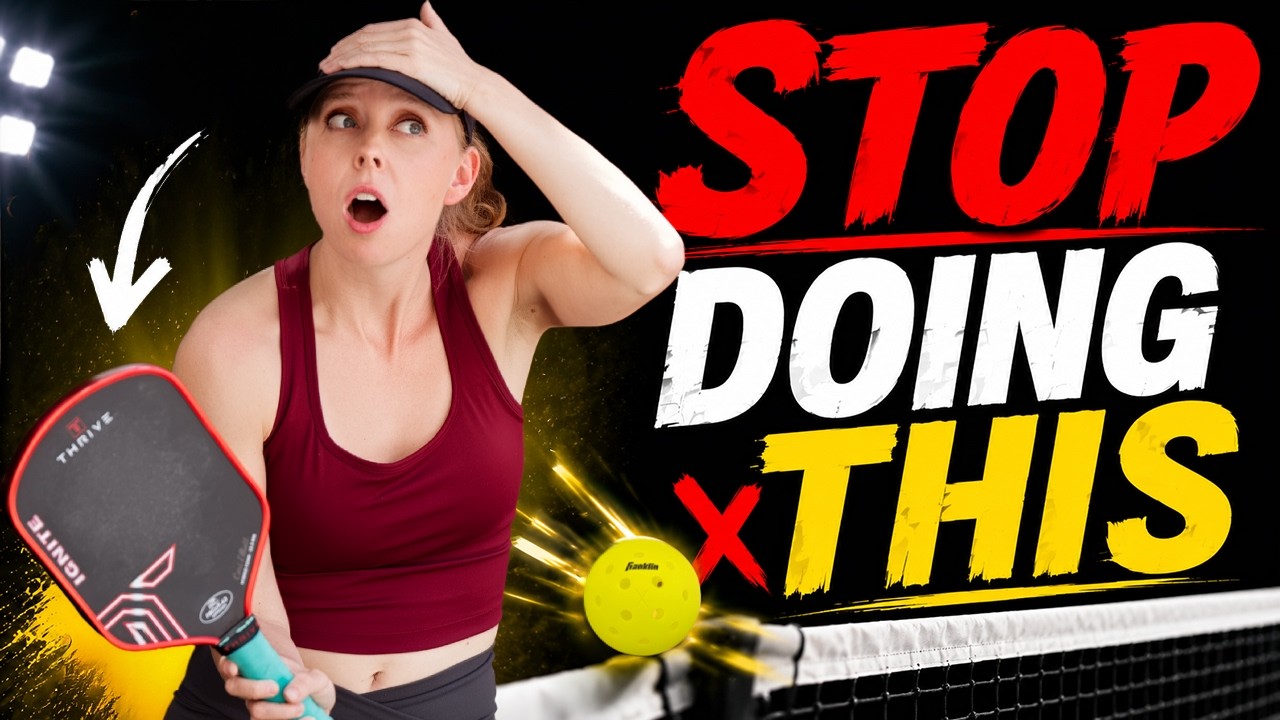
Master the Forehand Speed-Up: Fix Common Mistakes (Infographic)
Your forehand speed-up doesn’t have to sail long or crash into the net. A forehand speed-up requires precise mechanics, body positioning, and timing to become a reliable weapon in your game.
 The Dink PickleballThe Dink Media Team
The Two-Handed Backhand Speed Up: Why You Need Both Hands
About 98% of players who can execute a backhand speed up off the bounce are doing it with two hands.
The one-handed version is rare even at high levels, so if you are not working on your two-handed backhand, start there first.
Once you have a solid two-handed backhand dink, the speed up version opens up. The mechanics shift slightly from the forehand, so here is what to focus on:
- Sink low: You need to get your body down to the ball. If you stay upright and try to swing down at it, the ball goes into the net. Sit into it like you are lowering into a chair.
- Outside leg back: Same drop step principle as the forehand. The outside leg creates your contact zone and keeps the ball in front of you.
- Choke up on the paddle: Your non-dominant hand does the work. Your dominant hand is there for support, not power. Choking up gives your non-dominant hand more control over the wrist snap.
- Windshield wiper with the non-dominant hand: Same motion, different hand. Push forward while applying that wrist roll to generate topspin.
A great way to practice this in isolation: take your dominant hand completely off the paddle and work on a non-dominant forehand by itself.
It looks awkward, but it trains the exact motion you need. Once you put both hands back on the paddle, everything clicks.You can also deepen your mechanics by reading up on two-handed backhand tips from Connor Garnett, which covers the foundational grip and swing path you need before adding speed to it.
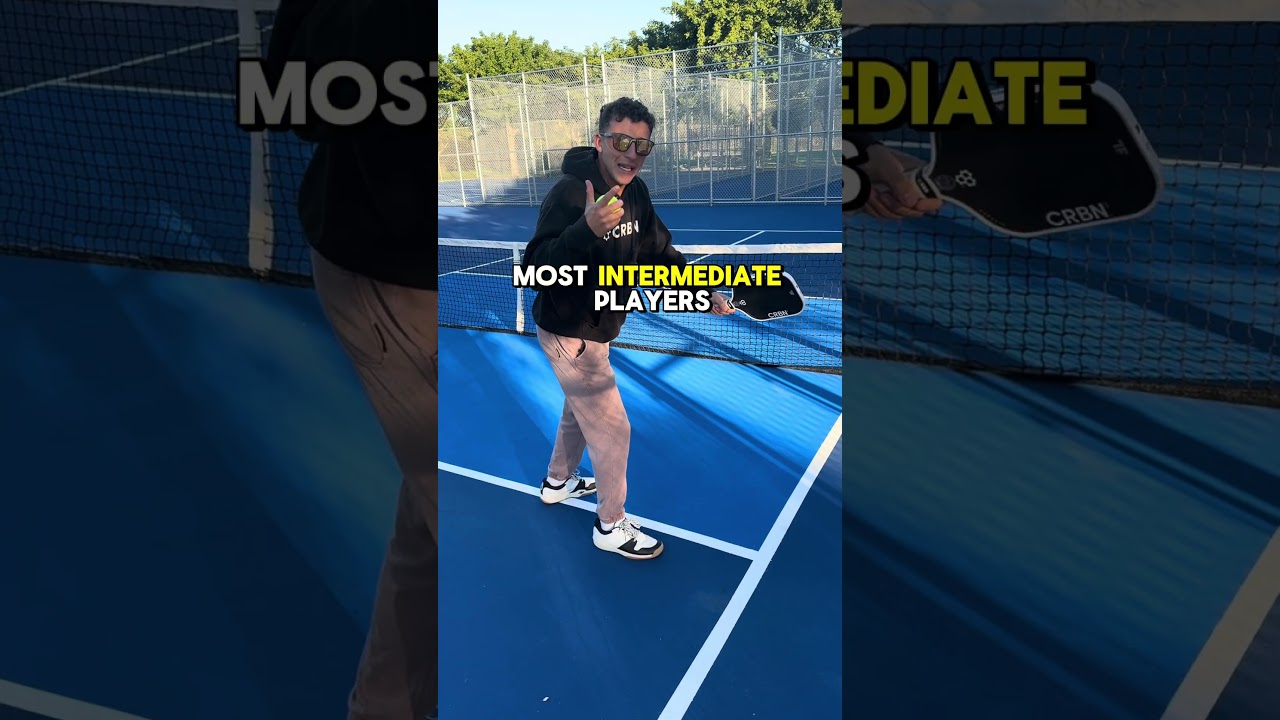
Two-Handed Backhand: The Shot That Changes Everything
If you’re stuck at the intermediate level, your two-handed backhand might be holding you back. This fundamental skill separates players who plateau from those who keep climbing.
 The Dink PickleballThe Dink Media Team
Why Is Placement More Important Than Power at the Net?
This is where a lot of players get the shot wrong even after they have the mechanics right.
They equate a speed up with swinging as hard as possible, and that thinking will cost you points.
The physics are simple: the closer you are to the net, the less power you need.At the kitchen line, an off-speed speed up with heavy topspin is often more effective than a hard, flat ball. The topspin creates dip.
The ball lands in. Your opponent gets jammed or has to dig it up from their feet.
Here is the key mindset shift: the speed up is not supposed to be a winner.Especially at higher levels, the goal is to create a weak response. You are not ending the point outright.
You are putting your opponent in a bad position so that your partner or your next shot finishes it.
Think about what players like Tyra Black and Anna Leigh Waters do at the kitchen line. They use placement and spin to create chaos, not raw pace.
The speed up sets up the put-away, it is rarely the put-away itself.Understanding this also means knowing when to reset instead of attack. If your speed up gets blocked back, you need to be ready to neutralize.
These three fixes for resetting after a speed up will keep you from giving the point right back after a good attack.
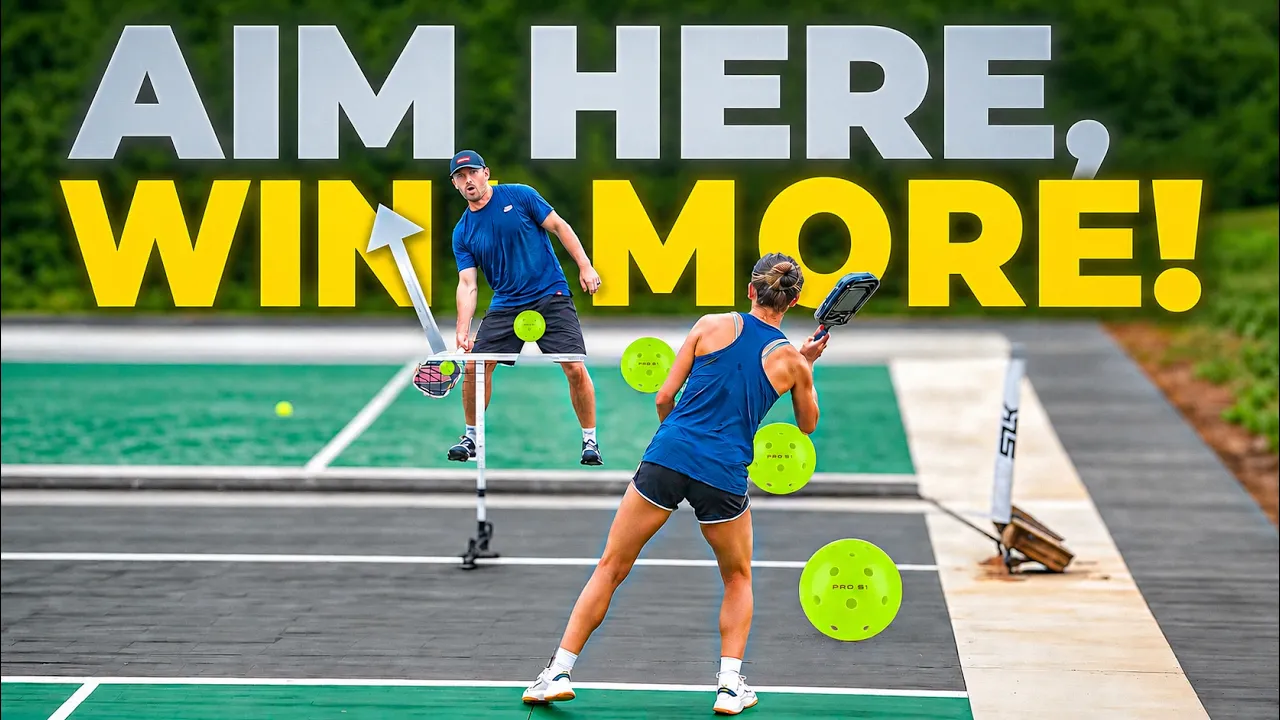
Pickleball Placement Strategy: Where to Aim Every Shot
Knowing where to aim in pickleball is the difference between winning and losing. Learn the exact placement strategy for every shot from serve to attack.
 The Dink PickleballThe Dink Media Team
The Cobra: How Pros Disguise the Speed Up
This is the most advanced piece of the puzzle, and it is showing up more and more at the professional level.
It is called the Cobra, and the concept flips the usual approach to disguise on its head.Most coaching tells you to avoid big movements before a dink. The Cobra uses that same big movement as a deception tool. Here is how it works:
- Do your hop and pivot like you are about to speed up, then dink it softly instead.
- Repeat that same movement two or three more times. Your opponent starts reading it as a dink trigger.
- Then do the exact same hop and pivot and pull the speed up. Your opponent has already committed to expecting a dink.
The shoulder shimmy that goes with the Cobra adds another layer of disguise.
You are giving your opponent false information with your body before contact, which is the same principle elite players use across all racquet sports.You can apply the same deception concept on the backhand side. A shimmy into a dink, repeated a few times, sets up the backhand speed up perfectly.
The read your opponent has built against you becomes a weapon for you.
If you want to go deeper on faking out opponents with your dink preparation, this breakdown of the fake dink speed up disguise is worth studying alongside the Cobra concept.
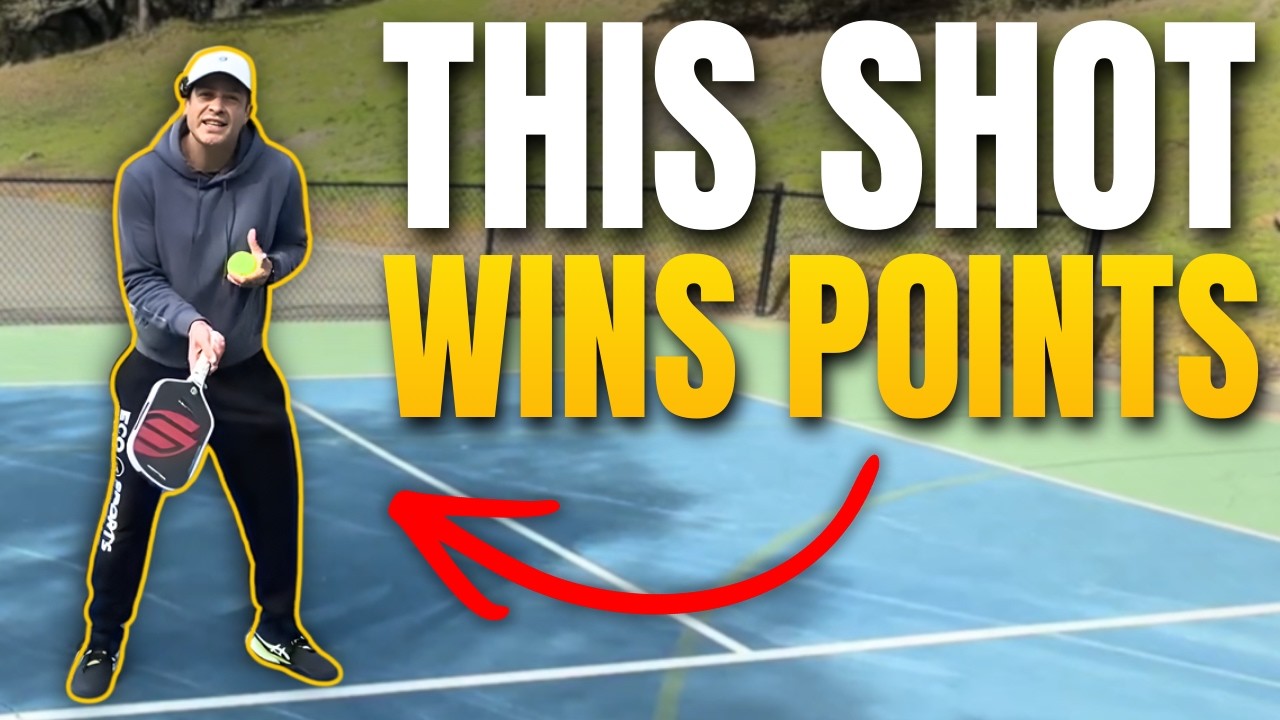
The Cobra also highlights an important truth about why your speed up keeps getting attacked: if your body telegraphs the shot, your opponent reads it before contact and is already in position to counter.How to Disguise Your Speed-Up Shot in Pickleball
Your opponent relies on reading small changes in your movement, grip, and paddle position to anticipate your shots. Eliminate those tells and you’re in control.
 The Dink PickleballThe Dink Media Team
Putting It All Together
The speed up off the bounce is not a reckless power play.
It is a calculated, well-prepared, spin-driven shot that requires the right ball, the right setup, and the right disguise to actually work.Get your shot selection right by only going when you are in a defensive ball situation.
Build your prep with spacing, a pivot step, and grounded feet before you swing.
Use the zero-forward compact motion on the forehand, and sink low with your non-dominant hand leading on the backhand.
Keep the power low and the spin high. Then, once you are consistent, start working in the Cobra to make the shot nearly unreadable.
That combination is what separates players who use the speed up as a consistent weapon from those who rely on it as a desperate gamble.Want to sharpen the full range of your kitchen game?
These kitchen line secrets from pro Tyra Black give you a clear picture of what elite play at the net actually looks like from a player who executes it at the highest level.
And if you want to stress-test your mechanics under pressure, these drills a PPA pro still uses every practice will help you build the repetition needed to make this shot automatic.
💡
Heads up: hundreds of thousands of pickleballers read our free newsletter.
Subscribe herefor cutting edge strategy, insider news, pro analysis, the latest product innovations and more.
Frequently Asked Questions
When should you attempt a speed up off the bounce in pickleball?
You should only attempt a speed up off the bounce when you are receiving a defensive ball, meaning you are balanced, grounded, and the ball is not pulling you off position. If the incoming ball is forcing you backward or off balance, reset instead of attacking. Matching aggression with aggression from a compromised position is one of the most common mistakes at the recreational level.
What is the zero-forward concept in a pickleball speed up?
The zero-forward concept means you start your swing from zero backswing and move directly forward through the ball. It eliminates the big windup that causes the ball to fly out at the kitchen line. Combined with a windshield wiper wrist motion, it generates topspin and keeps the shot controlled without sacrificing pace.
Should you use one hand or two hands for a backhand speed up off the bounce?
Two hands are the right call for nearly every player attempting a backhand speed up off the bounce. About 98% of players who execute it successfully use both hands, with the non-dominant hand doing the primary work through contact. The dominant hand provides stability, while the non-dominant wrist applies the windshield wiper motion that generates topspin.
How do you disguise a speed up at the kitchen line?
The most effective disguise technique is called the Cobra, where you use an exaggerated hop and pivot before your dink several times to train your opponent to read that movement as a dink signal. Once they commit to that read, you use the exact same movement and pull the speed up instead. The mismatch between what your body signals and what your paddle does is what creates the free point.
Why does my speed up off the bounce keep going into the net?
The most common reasons are failing to sink low enough through the shot and trying to swing without being grounded and set. If you are standing tall or still moving when you attempt the shot, you lose control of the contact point and the ball drops into the net. Focus on sinking into a low athletic stance, getting your outside leg behind the ball, and making contact well in front of your body.
Anuncie Aqui / Advertise Here
Sua marca para o mundo Pickleball! / Your brand for the Pickleball world!





 English (US) ·
  Portuguese (BR) ·