 English
 Spanish
 Portuguese
 German
 Italian
 Japanese
 French
 Polish
 Russian
 Netherlands
 Hungarian
 Turkish
 Videos
 Thedink Pickleball


The pickleball drip is not a hard, low ball that dies outside the kitchen. It is a deeper third shot drop aimed at slow opponents' feet, and this guide shows you exactly how to hit it.
The pickleball drip might be the most misunderstood shot in the game, and the bad advice floating around is making your third shot harder than it needs to be.
Most players hear that a drip is a cross between a drop and a drive, then try to hit a hard, low ball that lands right outside the kitchen.
That shot is brutally difficult, and it is not what the drip is supposed to be.This breakdown comes from Mari Humberg Pickleball on YouTube, who was refreshingly blunt about how often the drip gets taught wrong.
We will cover what the shot really is, when to use it, and how to hit it three different ways.
Love pickleball? Then you'll love our free newsletter. We send the latest news, tips, and highlights for free each week.
What Is a Pickleball Drip?
A pickleball drip is a deeper version of the third shot drop, aimed a few feet behind the kitchen line at your opponents’ feet instead of inside the kitchen.
That is the whole concept. You are not trying to blend a drive and a drop into some impossible hybrid.The popular explanation says the drip is “half drop, half drive.”
That sounds clever, but it sends players chasing a hard, low shot that has to die right outside the kitchen, which almost nobody can execute consistently.
The better mental model is simple: take your drop, extend your paddle a little more, and let the ball land deeper.The target moves back by a couple of feet, and the pace barely changes.
The Three Third Shot Options You Need to Understand First
You cannot hit a good drip until you understand the shots on either side of it, because the drip borrows its mechanics from both.
Ask most players for their third shot choices and you will hear drop, drive, and drip. Someone usually throws in the lob too, but that is a separate conversation.
💪
Ready to level up? Get the best discounts from Pickleball Central, automatically applied to your cart.
The Drop
The drop is designed to bounce inside the kitchen or on the kitchen line, so your opponents have to hit up on the ball while you move forward.
Setup matters here. Turn your shoulders, even if you are in an open stance, because hitting a drop with fully open shoulders is very difficult.Keep the swing small. You do not need power, and you can hit the drop with slice, flat, or topspin.
The Drive
The drive uses nearly the same setup as the drop: semi-stance, shoulder turn, and a small swing.
Hitting harder does not mean swinging bigger. A big swing usually just adds errors.
Mari hits her drives at about 50 percent pace, and her top priority is keeping the ball low.
A hard, high drive either sails out or becomes an easy volley for your opponents.If your drives keep getting punished, check out why your pickleball drive gets crushed and 3 fixes.
The Drip
The drip sits between the two, but closer to the drop in how it feels in your hand.
Think of it as a drop with a slightly longer reach and a slightly deeper landing spot. Same shoulder turn, same compact swing, just a more extended paddle.
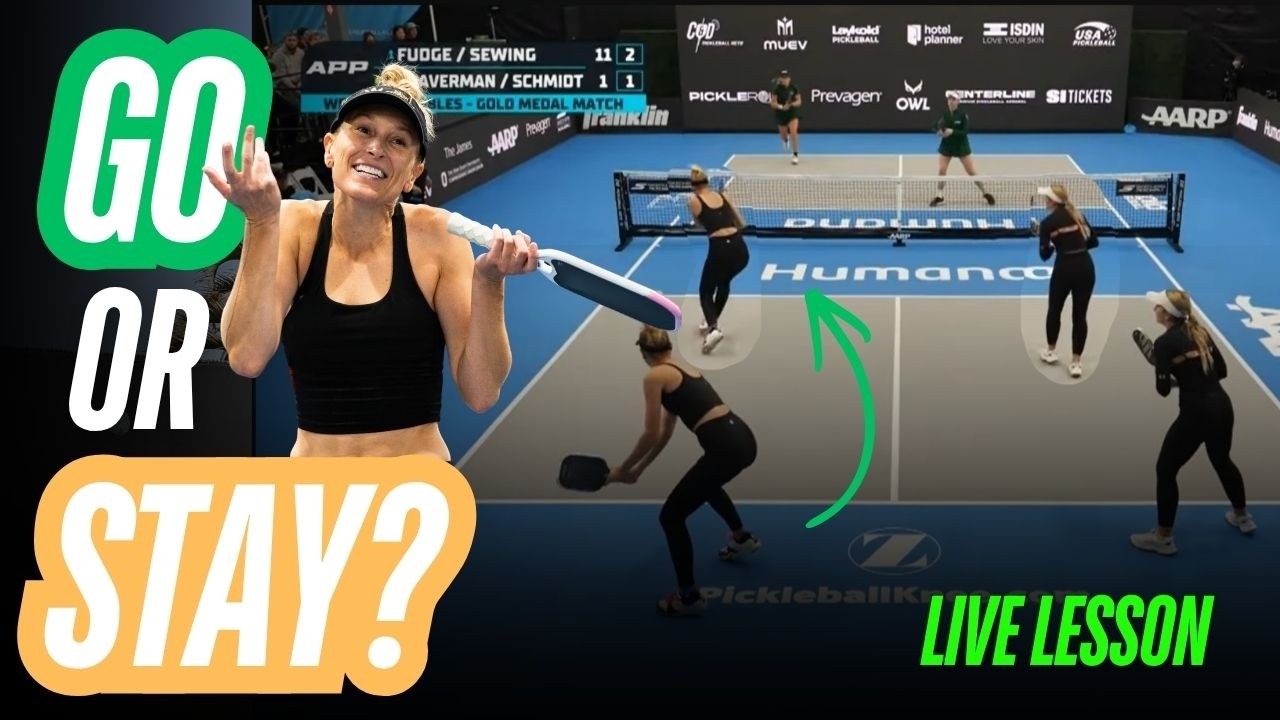
Master the Third Shot Decision in Pickleball
The third shot decision is one of the most misunderstood moments in pickleball, but mastering it can transform your game. Here's when to rush the kitchen, when to stay back, and how communication changes everything.
 The Dink PickleballThe Dink Media Team
When Should You Hit a Pickleball Drip?
Hit the drip when your opponents are slow getting to the kitchen line, when they struggle hitting on the move, or when they send back a short return you can attack.
Here are the three situations where the drip earns its keep:
- Slow movers: After a strong serve, your opponents hit a return and then watch it or drift forward without really committing to the kitchen line. A normal drop would invite them in, so you go deeper instead.
- Players who hate hitting on the move: Some opponents get uncomfortable when they have to hit while moving forward. Catch them below the knees and they will often pop the ball up.
- Short returns: When the return lands short, you have a chance to rush the kitchen line. A drip to the feet keeps them busy while you take the net.
The target is not fixed. Depending on where your opponents stand, the landing spot can range from a couple of feet behind the kitchen line to a bit deeper.
The real objective is their feet. You want them moving and forced to get the ball up so you can claim the kitchen line quickly.If your regular drop keeps popping up, fix that first with why your third shot drop pops up and how to fix it. The drip builds on the same foundation.
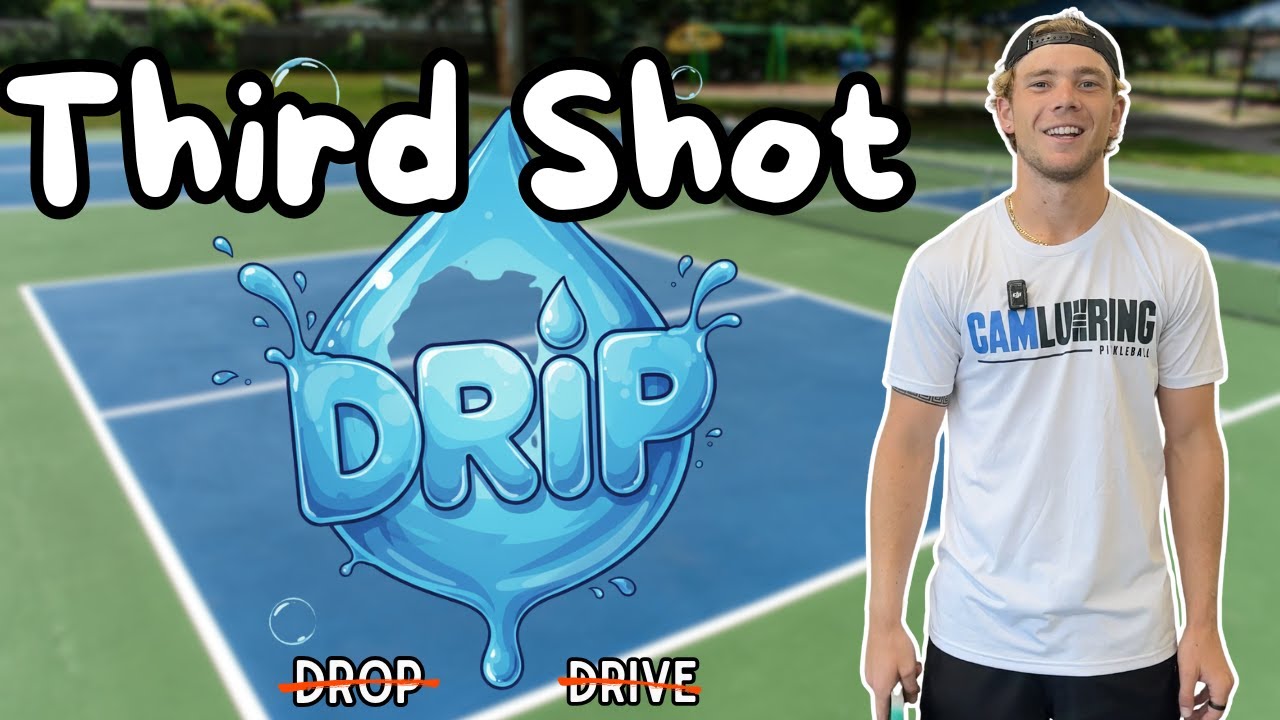
Master the Drip Shot in Pickleball: A Complete Guide
The drip shot is a hybrid between a drop and a drive that gives you the best of both worlds on the court. Master this versatile third shot with step-by-step mechanics and proven drills.
 The Dink PickleballThe Dink Media Team
How Do You Hit a Drip With Topspin, Flat, or Slice?
You can hit a pickleball drip three ways, and the best one is simply the version you can repeat under pressure.
Mari demonstrated all three on court, aiming at a deeper orange cone instead of the closer kitchen target.
- Topspin drip: The ball drops down faster after crossing the net, which helps when you are extending deeper and worried about sailing long. Her first attempts landed a little deep, so a touch more brush up the back of the ball keeps it from carrying.
- Flat drip: This one takes the cleanest contact and the most touch. It is easy to over-hit, so focus on a compact swing and a soft landing.
- Slice drip: Slice keeps the ball low and tends to skid, which is exactly what you want at an opponent’s feet. Short attempts were the common miss, so extend a bit more through the shot.
Pick one and own it. You do not need all three to benefit from the shot.
If you are trying to figure out which spin type fits your swing, read topspin pickleball and how to fix your paddle angle.
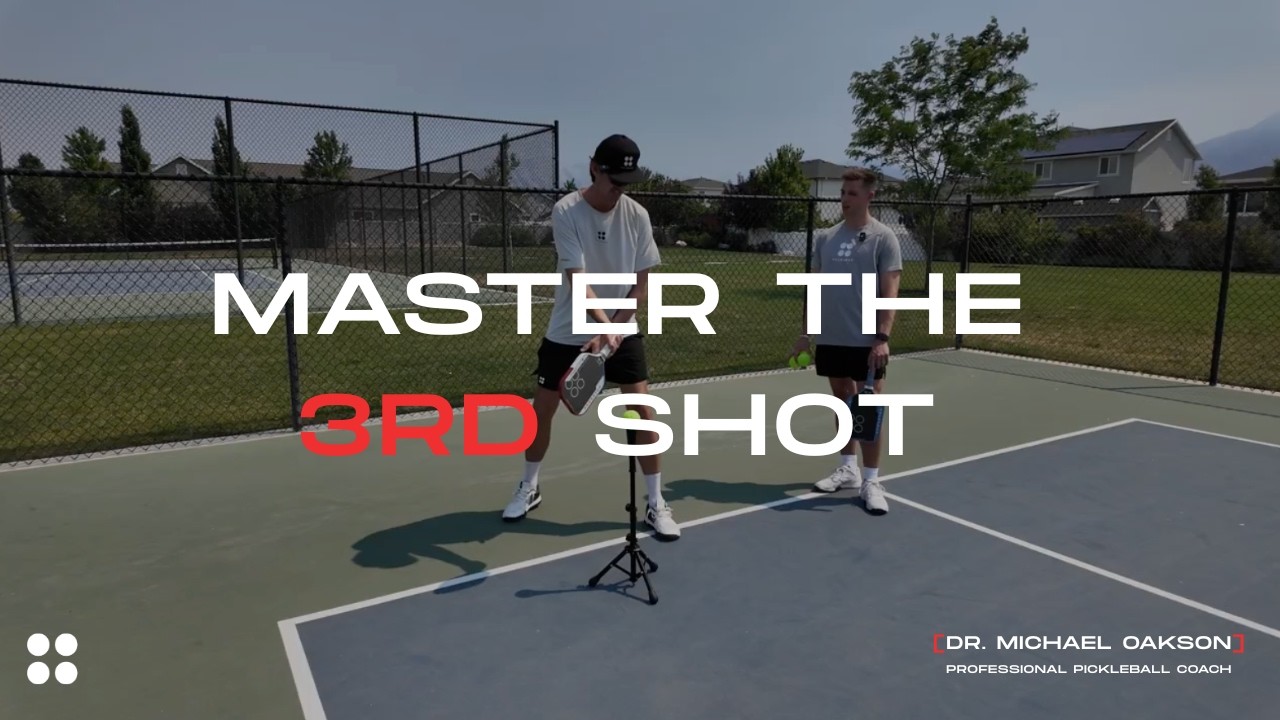
Third Shot Drip: 3 Steps to Master It in Pickleball
The third shot drip is a hybrid shot blending a drop and a drive, and top players are using it to take control of rallies early. Here are the 3 steps to hit it consistently.
 The Dink PickleballThe Dink Media Team
Why Is the Drip Taught Wrong So Often?
The drip gets taught wrong because coaches describe it as a hard, low ball that bounces just outside the kitchen, which sets players up for a shot far beyond their range.
That description sounds logical, but think about what it requires.
You would need a firm swing, a flat trajectory, and a landing spot that is only a foot or two past the kitchen line.That is a nearly impossible combination for most players, and it leads to a lot of nets and pop-ups.
This is the kind of oversimplified instruction covered in 5 pieces of bad pickleball advice to stop following and 15 pickleball myths that are hurting your game.The pickleball drip is a high-level shot, but it is not a complicated one. It is a smart choice, not a flashy one.
How to Hit the Pickleball Drip Shot the Right Way
The pickleball drip shot is one of the nastiest weapons in the game, but most players miss it for the same reason. Here is exactly how to fix your technique and start landing it consistently.
 The Dink PickleballThe Dink Media Team
The Setup Checklist for a Reliable Drip
A reliable drip starts with the same fundamentals as a good drop: shoulder turn, compact swing, and a clear target.
Run through this checklist before you hit one:
- Turn your shoulders: A semi-stance is ideal, but even in an open stance your shoulders should rotate.
- Pick your cone: Decide where your opponents' feet will be, then aim a few feet behind the kitchen line.
- Extend the paddle: Reach slightly farther out front than you would on a drop.
- Keep the swing small: Do not add power. The depth comes from reach and a touch more carry, not a bigger swing.
- Aim at the feet: Your goal is to make them hit up from low contact, not to hit a winner.
Practice it with real targets. Set a cone a few feet behind the kitchen line and see how many out of ten you can land near it with your chosen spin.
For structured reps you can run alone or with a partner, try 5 pickleball practice drills for any skill level.
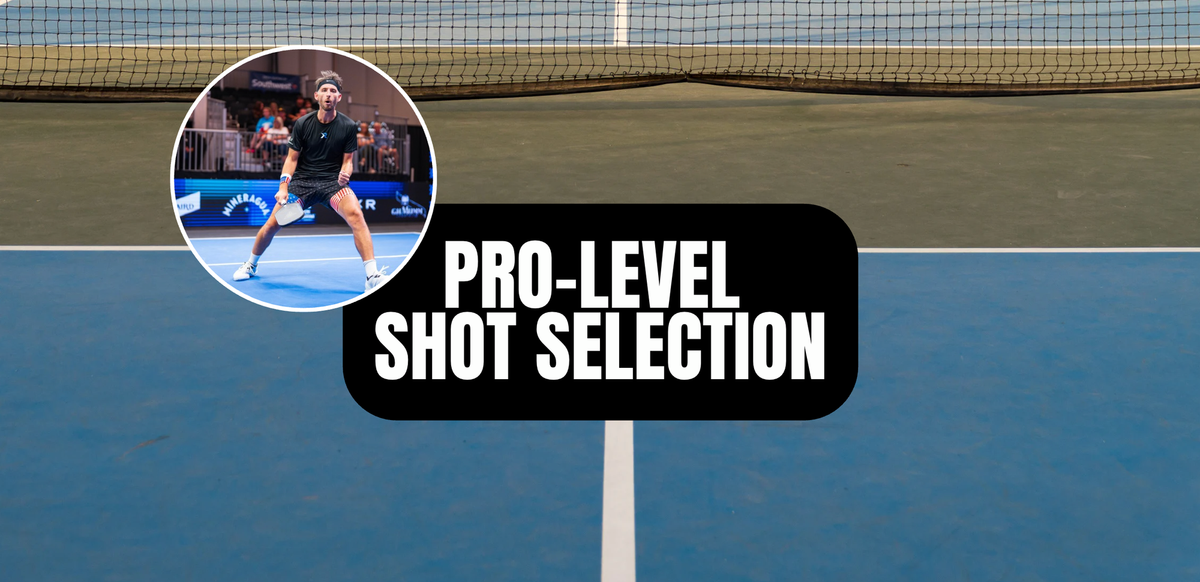
Pickleball Shot Selection: Ball Height & Court Positioning
Advanced pickleball means constantly analyzing the height of the ball and the court positioning off all four players in real time – and keeping this one rule sacred: just because you can hit a more aggressive shot doesn’t mean you should
 The Dink PickleballEric Roddy
Drip vs. Drop vs. Drive: Which One Should You Choose?
Choose the drop when your opponents are already at the kitchen line, the drive when they are out of position or backing up, and the pickleball drip when they are slow but not yet set.
Your read on their positioning decides everything. A drop into a team that is already up just gives them an easy dink.A drive into a team that is set at the line gets volleyed back at you.
The drip lives in the gap between those two scenarios, and learning to spot that gap is a real edge.
Reading your opponents like this ties directly into third shot pickleball and how to fix your thirds and fourths fast.If you tend to default to one shot every time, you are leaving points on the table.
Mixing in the drip keeps your opponents guessing and makes your drop more effective too.
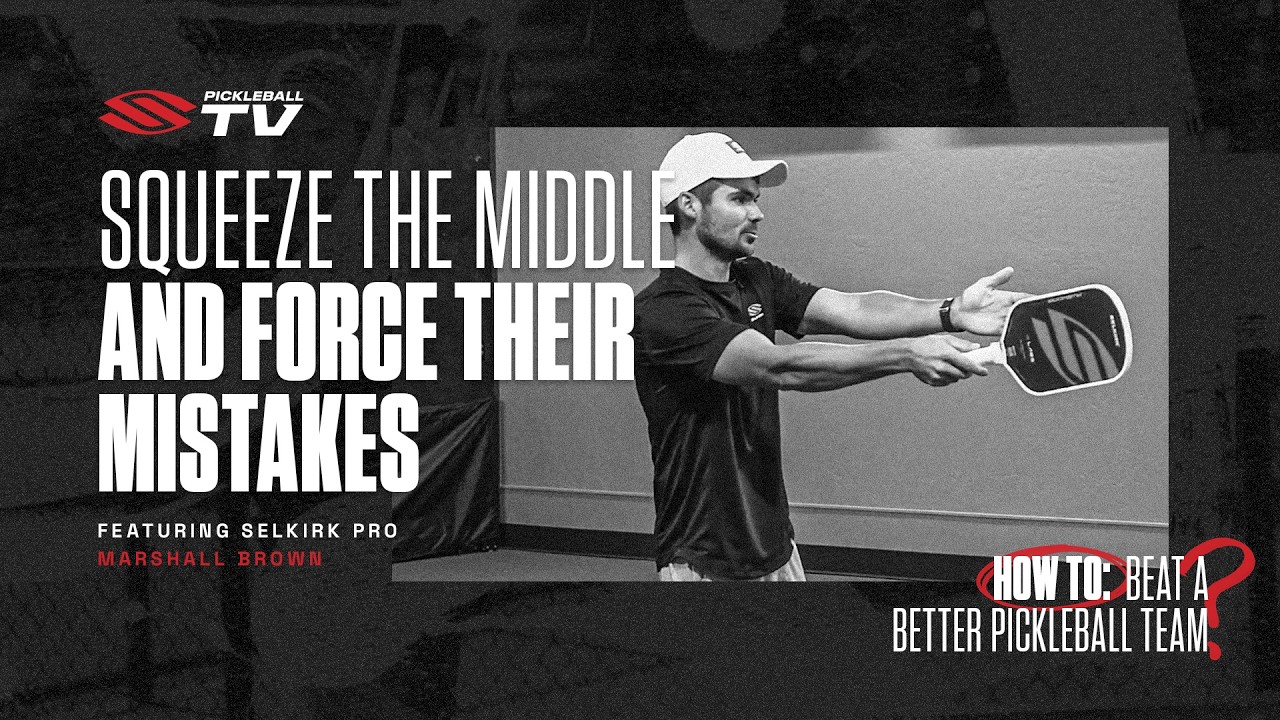
Third Shot Drop vs Drive in Pickleball: Make the Right Call
The third shot drop vs drive pickleball debate isn't about picking a favorite, it's about reading the rally and choosing the shot that actually works. This guide breaks down when to drop, when to drive, and how to stop guessing on ball three.
 The Dink PickleballThe Dink Media Team
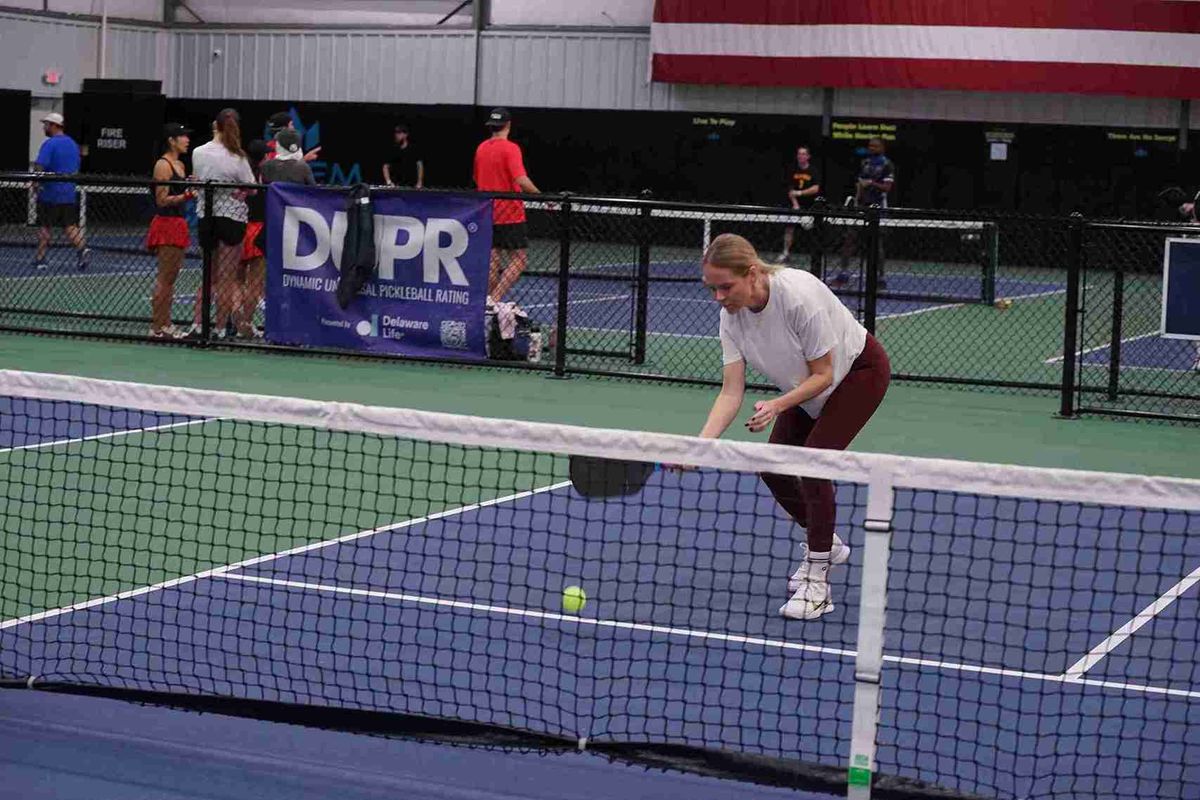
Common Drip Mistakes to Avoid
The biggest drip mistakes are hitting it too hard, aiming too close to the kitchen, and using it when your opponents are already set.
Here is what to watch for:
- Trying to hit it hard and low: This is the myth in action. If you are firing a flat rocket at the kitchen line, you are hitting the wrong shot.
- Landing it short: A drip that lands in the kitchen is just a drop, which is fine, but it defeats the purpose if your opponents were slow to arrive.
- Ignoring the opponent's position: If they are already up, the drip loses its edge. Go back to your drop or consider a different plan.
- Over-swinging: A bigger swing creates more errors, not more depth.
Fixing these small issues often matters more than learning a new shot.
If you want a wider view of what separates good third shots from bad ones, see 5 pickleball shots that separate 3.5 and 4.5 players.Pairing the drip with a strong first move after the shot also helps.
Once the ball is struck, your job is to get forward, and the pickleball transition zone and the 3 drop strategy that works covers that movement in detail.
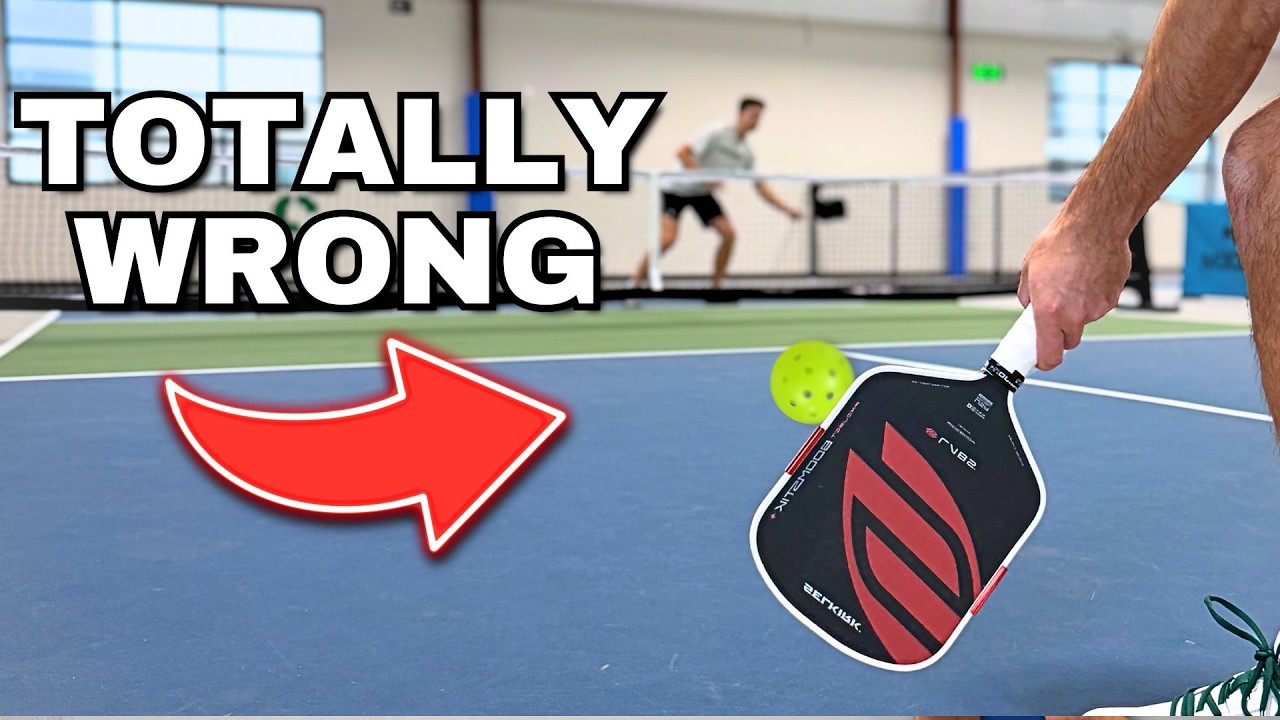
Simplifying the Third Shot Drop: Fix These 5 Common Mistakes
The third shot drop becomes consistent when players stop overthinking mechanics and focus on smart positioning and progression
 The Dink PickleballThe Dink Media Team
How to Practice the Drip Without a Partner
You can build a solid third shot drip alone with a few cones and a basket of balls.
Set one cone at the kitchen line for your drop, one a few feet behind it for your drip, and one deeper for your drive. Hit ten reps at each target, rotating spin types.Track your results honestly.
Many players find that they hit their drop at about 70 percent accuracy and their drip closer to 50 percent at first, which is normal.
If you have access to a wall, there are options for solo work too.
Check out 5 pickleball wall drills you can do without a partner for ideas on building touch and consistency.
💡
Heads up: hundreds of thousands of pickleballers read our free newsletter.
Subscribe herefor cutting edge strategy, insider news, pro analysis, the latest product innovations and more.
Frequently Asked Questions
What is a drip in pickleball?
A drip is a deeper third shot drop that lands a few feet behind the kitchen line, aimed at your opponents' feet. It is not a hard, low drive. It uses the same compact swing as a drop with a slightly longer reach.
What is the difference between a drop and a drip in pickleball?
A drop lands inside the kitchen or on the kitchen line, while a drip lands a couple of feet behind it. The drip is used when your opponents are slow getting to the net and you do not want to invite them in.
Can you hit a drip with topspin?
Yes, you can hit a drip with topspin, slice, or flat contact. Topspin helps the ball dip after crossing the net, which is useful when you are extending deeper and want to avoid sailing long.
When should I use a drip instead of a drive?
Use a drip when your opponents are moving toward the kitchen but not yet set, or when they struggle hitting on the move. A drive works better when they are out of position, and a drip works better when you want them low and reaching.
Is the drip a difficult shot for beginners?
The drip is manageable at any level once you think of it as a deeper drop instead of a hard, low hybrid. Start with a slow, compact swing and aim for a target a few feet behind the kitchen line.
Anuncie Aqui / Advertise Here
Sua marca para o mundo Pickleball! / Your brand for the Pickleball world!






 English (US) ·
 Portuguese (BR) ·