
 English
  Spanish
  Portuguese
  German
  Italian
  Japanese
  French
  Polish
  Russian
  Netherlands
  Hungarian
  Turkish
  Videos
  Thedink Pickleball

A flat pickleball drive is an invitation for your opponent to tee off. Fix your wrist mechanics and add shape to make your drive a real weapon.
The third shot drop is the one shot that separates players who get stuck at the baseline from players who control the point.
If you are driving everything back and hoping for the best, you are giving the team at the kitchen line a free opportunity to attack you.
The third shot drop is how you take that advantage away from them.Here, pro Richard Livornese walks through his personal approach to the shot, including the two technique variations he actually uses in match play.
Love pickleball? Then you'll love our free newsletter. We send the latest news, tips, and highlights for free each week.
The Real Problem With Flat Drives
The third shot drop exists for one reason: to let you and your partner get to the kitchen line without getting attacked on the way there.
When the serving team hits the ball back after the return, they are stuck at the baseline. The receiving team is already at the kitchen.
That is a massive positional disadvantage.A well-executed third shot drop forces your opponents to hit the ball upward from around their feet.
That gives you time to move forward and arrive at the kitchen line on even footing.
If you skip this shot and just drive every third ball, you are handing the other team an easy opportunity to put you on defense.There is a time to drive, but building a reliable drop gives your game a foundation that a pure drive strategy cannot replace.
What Does "Shape" Actually Mean?
A good third shot drop lands in or just past the non-volley zone, also called the kitchen.
It arrives low enough that your opponent cannot attack it aggressively.
Ideally, the ball is dropping as it crosses the net so your opponent has to bend down and lift it back up.
That upward contact limits their ability to speed up the ball or put pressure on you while you are still moving forward.
The shot does not need to be perfect every single time. It needs to be good enough that you can move forward in transition without getting picked apart.
That is the real standard to hold yourself to.💡
Need some new pickleball gear? Get 20% off select paddles, shoes, and more with code THEDINK at
Midwest Racquet SportsWhy Is Wrist Position the Key?
The wrist is where shape comes from. A stiff, locked wrist produces a flat, pushed pickleball drive.
A loose, relaxed wrist that snaps through contact is what generates the brush and the spin that pulls the ball down.
Think about what happens when you tighten your wrist before you swing. Your paddle face locks in one position through contact.
There is no rotation, no brush, no topspin.The ball leaves the paddle at whatever angle you set and travels that path all the way to your opponent.
Now think about keeping that wrist loose during the takeback. As your paddle goes forward, the wrist snaps through.
That snap is the whole play.
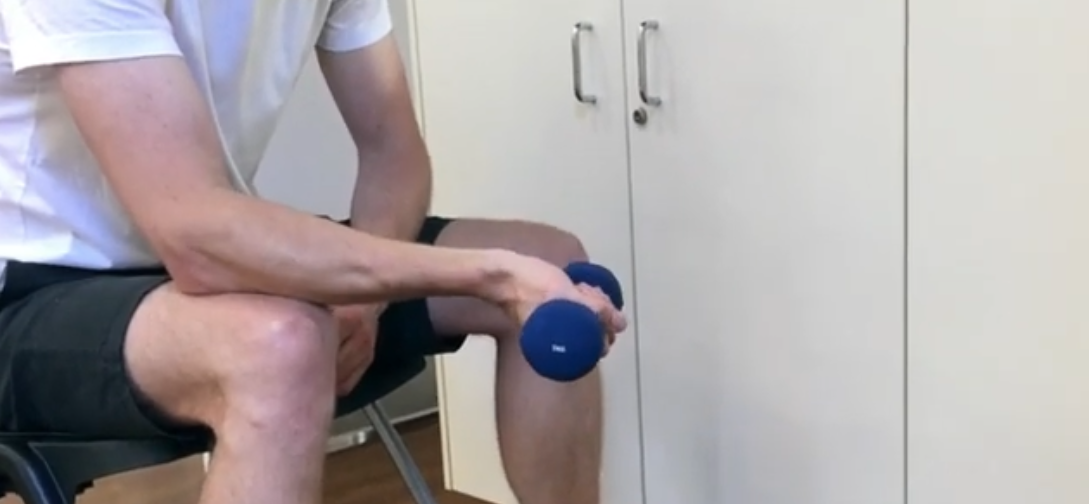
Strengthen Wrists for Pickleball: 6 Key Exercises
If you want to strengthen wrists for pickleball, you need more than just court time, you need targeted exercises that protect your tendons and forearm muscles from repetitive stress. These 6 moves build the wrist stability and resilience every serious player needs.
 The Dink PickleballThe Dink Media Team
How Do You Actually Execute the Wrist Snap?
Here is the mechanics broken down step by step:
- Take your paddle back with a loose wrist. Do not grip down hard during the backswing. The wrist should feel relaxed, almost like it is lagging slightly behind the arm.
- Start your forward swing with your arm, not your wrist. The arm drives the paddle forward and the wrist follows, not the other way around.
- Let the wrist snap through at contact. This is the moment that creates the brushing motion across the back of the ball. The paddle face closes slightly as it snaps, which is what generates topspin.
- Follow through toward your target. Do not stop the swing at the ball. Let the motion continue upward after contact to help the topspin fully develop.
This is not a wristy, flicky motion from start to finish. The swing is still arm-driven.
The wrist snap is the finishing movement that adds the shape at the end.If you are struggling with this, check out how the same concept applies to your contact point when adding spin to a drive.
Contact location matters just as much as wrist mechanics.
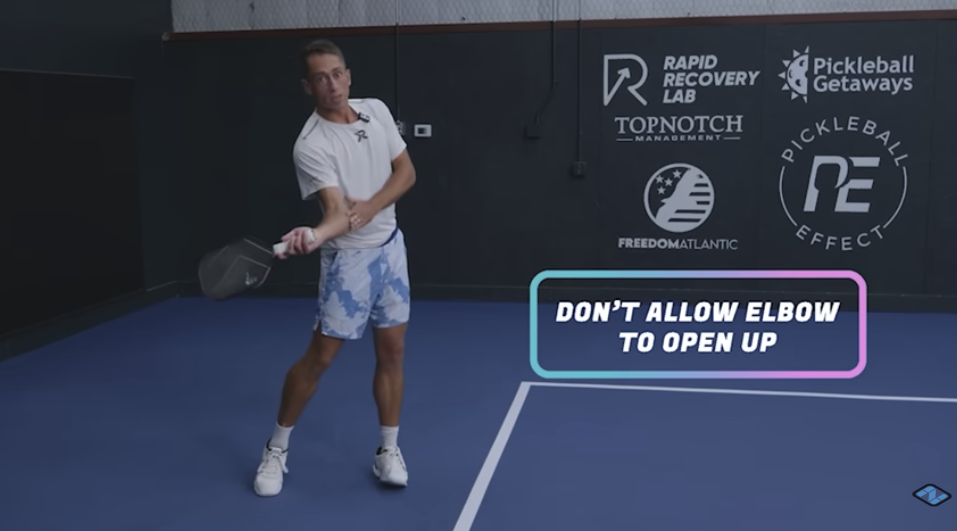
What Is Wrist Lag in Pickleball? The Pro Technique for Power, Spin & Control
Pros use this technique to generate more power, more spin, and better control on serves, returns, drives, and speedups. And you should, too.
 The Dink PickleballThe Dink Media Team
What Happens When You Get the Snap Right?
When the wrist snaps correctly through contact, three things change immediately:
- The ball drops after crossing the net instead of floating through the strike zone
- Your opponent has to play the ball from a lower position, taking away their ability to drive it back at pace
- The ball becomes visually harder to track because the spin changes its flight path in a way flat shots never do
This is the difference between a pickleball drive that creates pressure and a drive that creates opportunity for the other team.
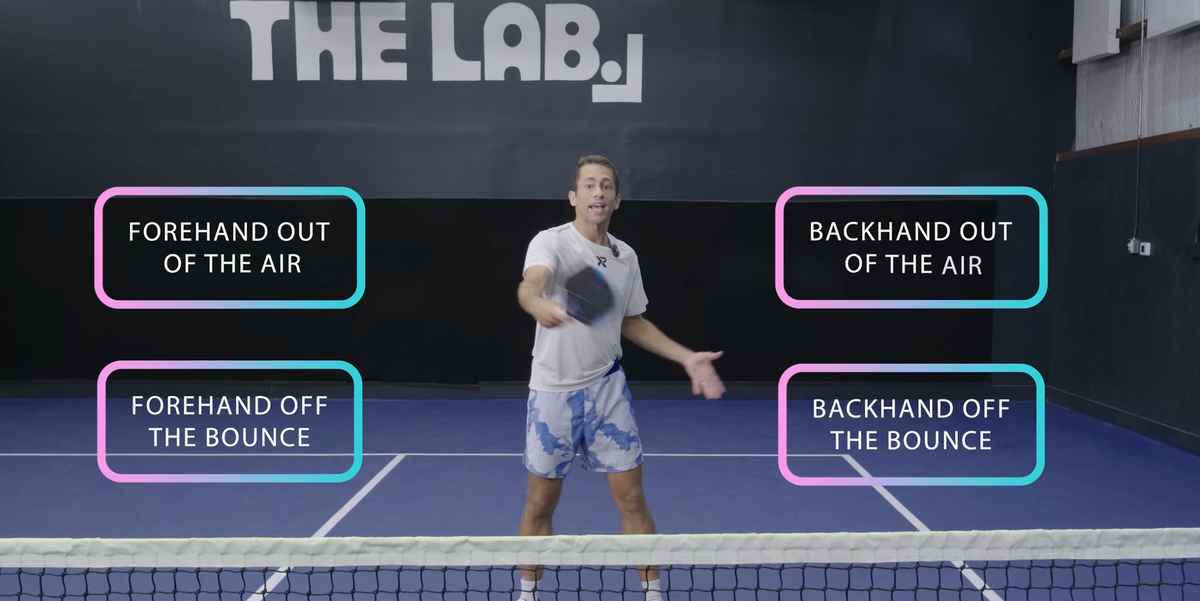
Shape turns your drive into a forcing shot. Flat keeps the rally even.Master the Pickleball Flick With the Set and Snap Method
Zane Navratil lays out the pro-favored technique for effortless attacking power. Master it and you’ll be the “Flick Wizard” of your local club in no time.
 The Dink PickleballThe Dink Media Team
How Tight Is Your Grip Right Now?
Grip pressure is the hidden variable that kills wrist snap before it starts.
Most recreational players grip too tight, especially when they are trying to hit hard.
Tension travels up through the hand into the wrist and locks everything down.
You want a grip pressure that feels around a four or five out of ten. Firm enough to control the paddle, loose enough for the wrist to move freely at contact.
If you can feel your forearm tensing during your swing, you are squeezing too hard.
This is directly related to why so many players keep missing forehand drives. The fix is not aim. It is softening the grip so the mechanics can actually work.Modern Pickleball Grip Techniques for Better Control
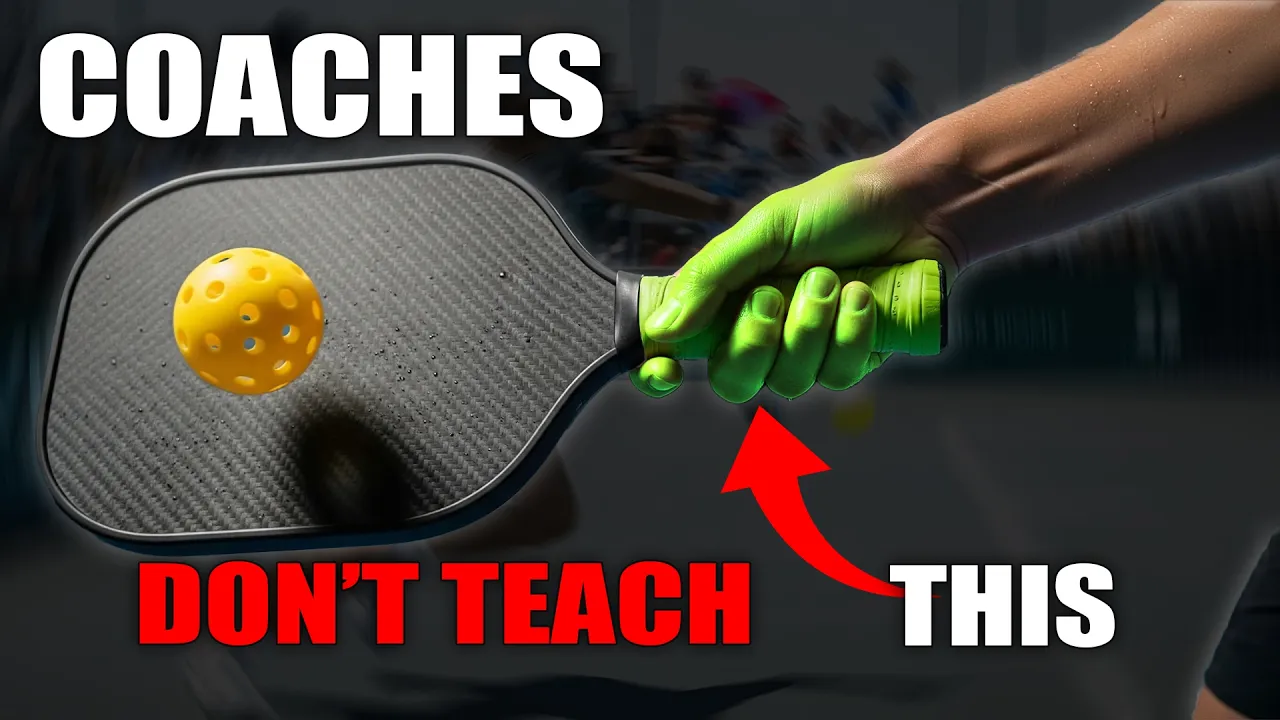
High-level pickleball players are making subtle but impactful adjustments to their pickleball grip that separate them from recreational players. These modern techniques focus on choking up on the paddle, adjusting grip styles at the kitchen, and improving positioning for faster reactions.
 The Dink PickleballThe Dink Media Team
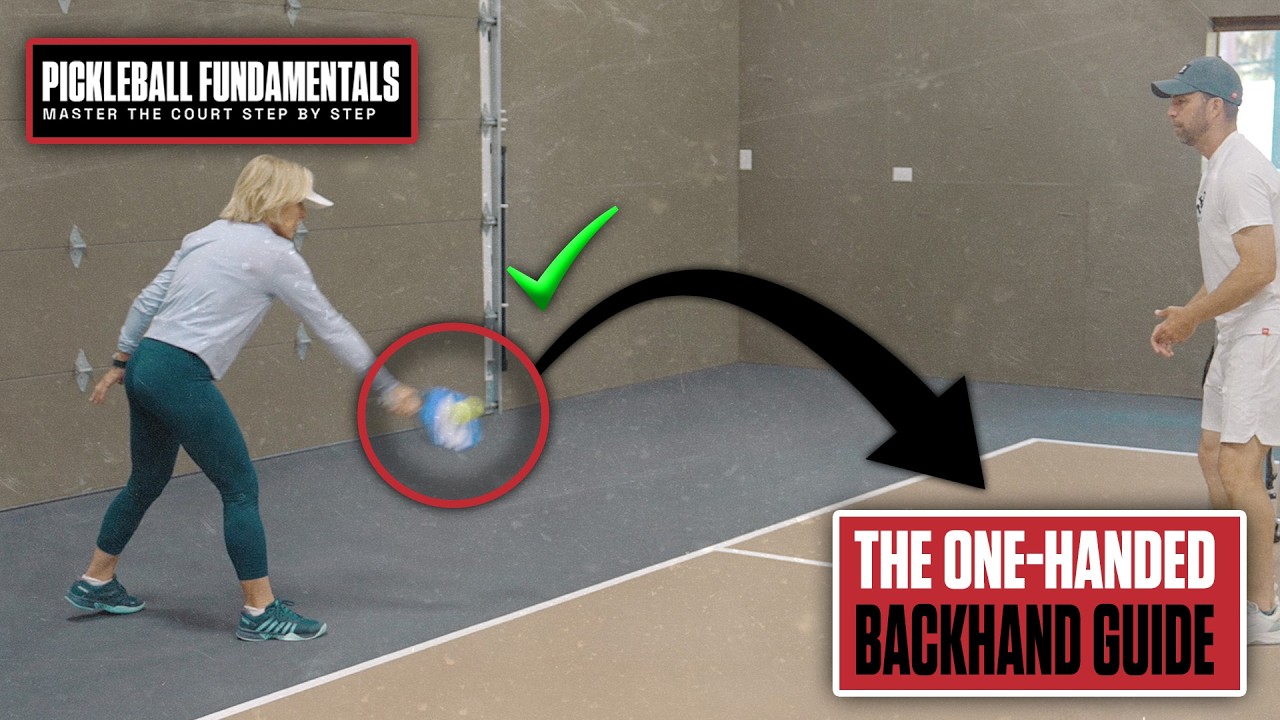
Does This Work on the Backhand Side Too?
Yes, and the principle is identical. The wrist needs to be loose during the takeback and snapping through at contact.
The only difference is the direction of the snap, which moves the opposite way to brush the back of the ball with a backhand swing.
Players who struggle with the two-handed backhand roll often find that wrist tension is the core issue there too.
Both shots live and die on the same mechanical concept.
If your backhand drive keeps coming out flat and hittable, start with grip pressure and then work on letting the wrist snap through at contact.
The fix is the same on both sides.Pickleball Backhand: Fix Your Weak Side Fast
Most players avoid their backhands because they’re uncomfortable. But that’s exactly why developing a strong backhand is so valuable.
 The Dink PickleballThe Dink Media Team
Common Mistakes to Stop Right Now
Here are the errors that show up most often when players first try to add shape to their pickleball drive:
- Flipping the wrist too early. The snap happens at contact, not before. If the wrist moves during the takeback, you lose control and the spin becomes inconsistent.
- Gripping tighter to hit harder. This is the opposite of what you need. More grip kills wrist snap, so loosen the grip and trust the snap.
- Stopping the swing at the ball. Short follow-throughs produce flat shots. The topspin develops through and after contact, so the follow-through has to continue upward.
- Aiming for the tape. Topspin gives you margin to clear the net with more height because the ball will drop. Aim higher and let the shape bring it down.
It also helps to understand what happens on the other end when your drive has shape.
Your opponent has to make a harder choice when handling pace with spin than they do against flat pace alone.
Mastering Pickleball Topspin: 5 Common Mistakes and How to Fix Them
By maintaining a stable face and letting the path of the paddle create the spin, you widen your margin for error and maximize consistency
 The Dink PickleballThe Dink Media Team
How Do You Train the Wrist Snap?
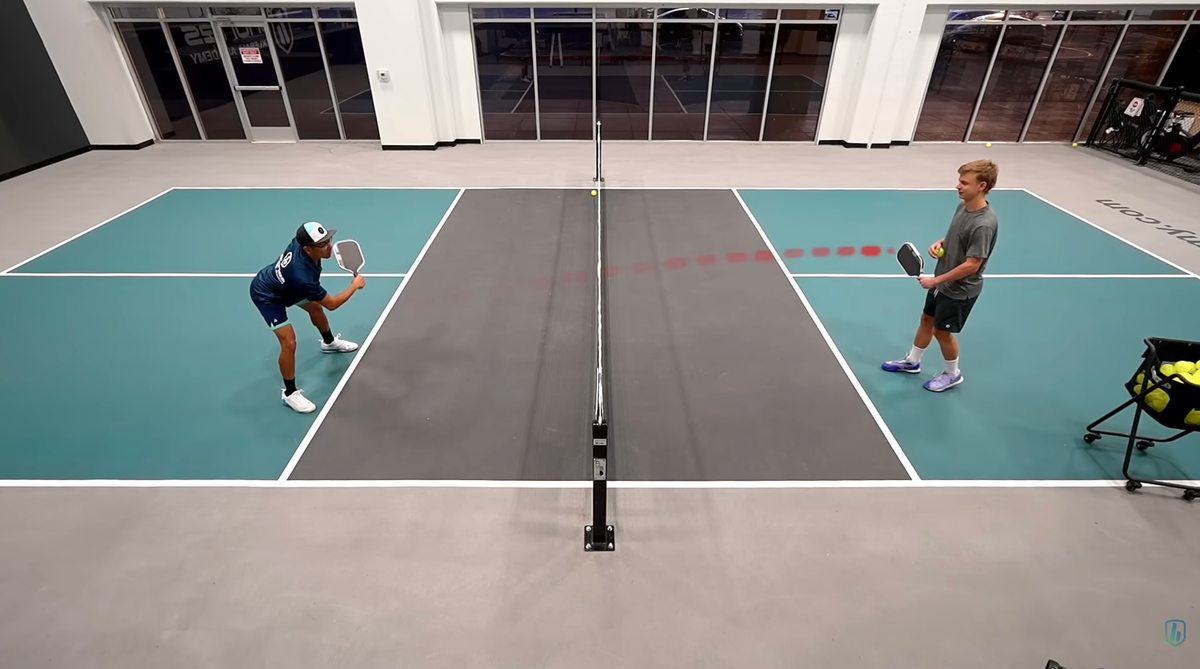
Slow is the fastest path here. Start by hitting drives at sixty percent pace while focusing entirely on wrist looseness and the snap through contact.
Feel for the brushing sensation at contact. You should be able to see the ball rotating forward if you watch it closely off your paddle.
Once you can consistently feel the snap at reduced pace, bring the swing back to full speed. The mechanics will carry over.
Trying to learn this at full speed from the start just locks in the old flat habits.Shadow swings away from the court are also useful.
Practice the takeback with a loose wrist and the snap at the contact point ten or fifteen times before each session.
It trains the muscle memory without the pressure of a live ball.
For a broader look at how your drive fits into the full point structure, understanding when to drive versus drop using a zone system will help you make smarter decisions about when to put this shot into play.
Master the Pickleball Flick With the Set and Snap Method
Zane Navratil lays out the pro-favored technique for effortless attacking power. Master it and you’ll be the “Flick Wizard” of your local club in no time.
 The Dink PickleballThe Dink Media Team
Why Does This Matter More at Higher Levels?
At the 3.0 and 3.5 level, flat drives often work because opponents are still developing their reset and blocking skills.
They cannot consistently take your pace and redirect it.
You get away with flat for a while.At 4.0 and above, that margin disappears fast. Players like Ben Johns and others at the top of the game add shape to almost every pickleball drive they hit.
They are not relying on pure pace to win. They are relying on spin making the ball behave in ways that are difficult to handle cleanly.
With participation still climbing across the sport, the average opponent you meet is more experienced than they were two seasons ago.
If you want to understand what separates players at that level, the habits of a 5.0 player almost always include this kind of intentional shot shaping.
It is not optional at the top. It is the baseline.Your pickleball drive can be one of the most effective weapons in your game. But only if you stop hitting it flat and start adding the shape that makes it work.
Loosen the wrist. Feel the snap. Watch the ball drop.
💡
Need some new pickleball gear? Get 20% off select paddles, shoes, and more with code THEDINK at
Midwest Racquet SportsFrequently Asked Questions
What is the difference between a flat drive and a topspin drive in pickleball?
A flat drive travels in a straight line with no spin, sitting up at a hittable height through the contact zone. A topspin drive has forward rotation that causes it to dip downward after clearing the net, making it much harder to attack. The topspin drive gives your opponent a lower contact point and less leverage to counterattack.
How do I know if my wrist is too stiff when I drive?
If your drives consistently come out flat and float into your opponent's strike zone, stiff wrist is almost always a factor. You can also check by feeling whether your forearm is tense during the swing. A relaxed grip and a loose wrist through contact are what allow the snap to happen.
Will adding wrist snap to my drive hurt my consistency?
It can feel inconsistent at first because you are changing a deeply grooved habit. Practice the snap at reduced pace until it feels natural, then bring the speed back up. Most players find that topspin actually improves consistency once grooved, because the spin creates a larger margin for clearing the net.
Should I try to add topspin to my third shot drive too?
Yes, and the third shot drive is a great place to apply this because a ball that drops fast gives your opponents less time to set up at the net. The wrist snap mechanics are identical regardless of when in the rally you use the drive. Shape matters on every drive you hit.
How tight should my grip be when hitting a drive with topspin?
Think of grip pressure on a scale of one to ten, and aim for around a four or five. You want enough firmness to control the paddle through contact but enough looseness to let the wrist snap freely. Gripping at a seven or above almost always kills the snap and produces flat shots.
Anuncie Aqui / Advertise Here
Sua marca para o mundo Pickleball! / Your brand for the Pickleball world!





 English (US) ·
  Portuguese (BR) ·