
 English
  Spanish
  Portuguese
  German
  Italian
  Japanese
  French
  Polish
  Russian
  Netherlands
  Hungarian
  Turkish
  Videos
  Thedink Pickleball

The third shot drop roll is one of pickleball's most advanced shots, and mastering it can transform your game. PPA pro Paula Rives walks through the exact mechanics, grip pressure, and footwork needed to execute this powerful shot consistently.
The third shot drop roll is one of the most advanced shots in pickleball, and it's also one of the most effective ways to take control of a rally.
If you've been watching professional pickleball, you've probably noticed that the best players use this shot to neutralize aggressive opponents and set up winning positions.
But here's the thing: most recreational players either don't know about it or struggle to execute it consistently.
We recently sat down with PPA pro Paula Rives, one of the best third shot drop roll practitioners in the game today, to break down exactly how to hit this shot.
Paula walked through the mechanics, grip pressure, footwork, and drills you need to start building this weapon into your game.
Love pickleball? Then you'll love our free newsletter. We send the latest news, tips, and highlights for free each week.
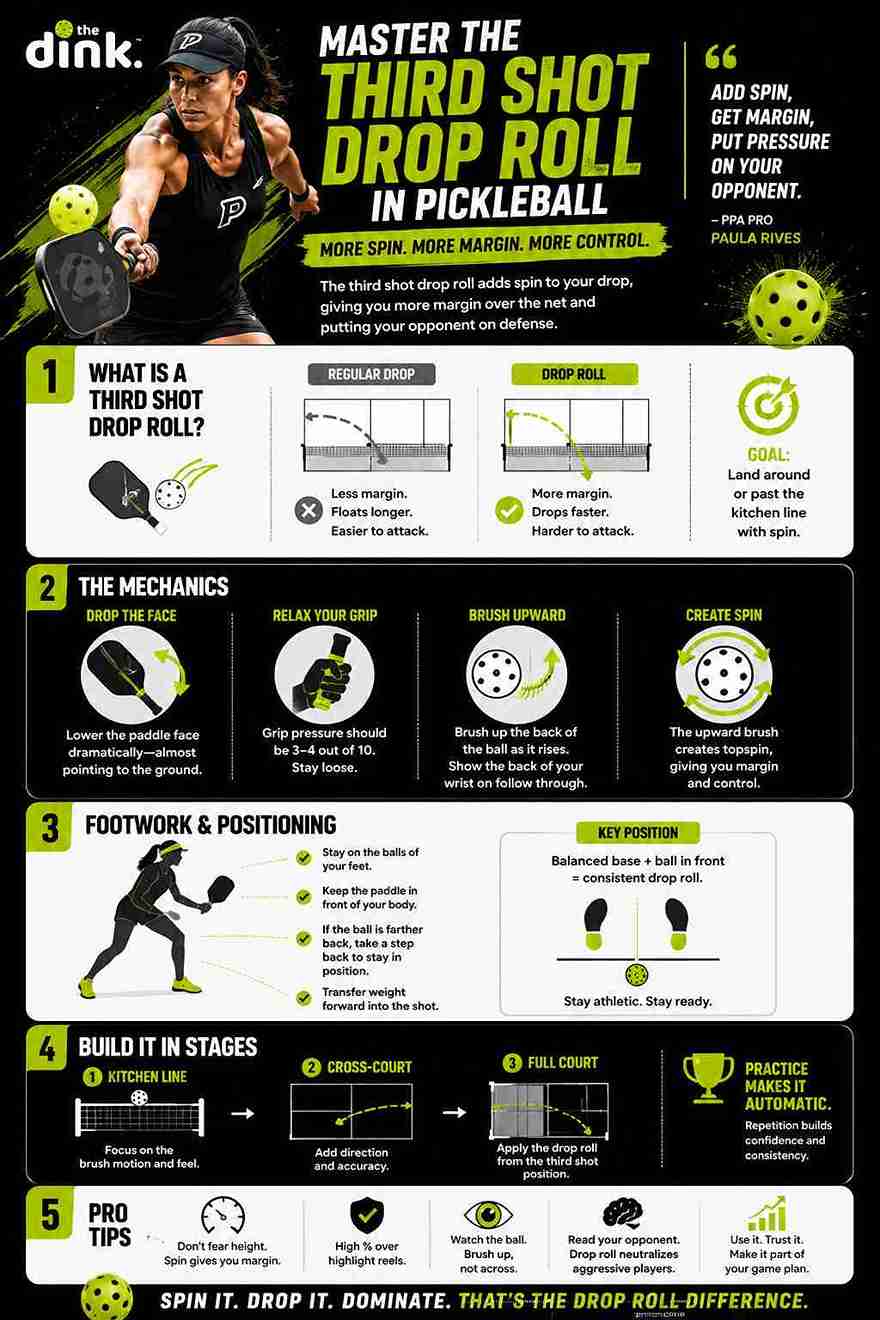
What Is a Third Shot Drop Roll, and Why Does It Matter?
The third shot drop roll is fundamentally different from a regular third shot drop.
While a standard drop is designed to land softly near the net, a drop roll adds topspin to the ball, which gives you more margin over the net and allows the ball to drop faster once it clears.
According to Paula, the goal is simple:
"I'm trying to get spin on the ball so I can get good margin over the net and make it drop to a point where it's hitting around the kitchen line or past it so it applies pressure to the opponent."This distinction matters because it changes how you approach the shot mechanically.
You're not just trying to land the ball softly; you're actively creating spin that controls the ball's trajectory and descent.
That spin is what separates a mediocre drop shot in pickleball from a third shot drop roll that puts your opponents in a defensive position.
The Mechanics: How to Actually Hit the Third Shot Drop Roll
Here's where most players go wrong.
They try to execute the third shot drop roll by swinging through the side of the ball, which makes it nearly impossible to generate the spin you need.
Paula emphasizes that the paddle face angle is critical.
"Really making sure I'm dropping the face and relaxing my grip as much as I can and then just brushing the ball when it's coming up so I can get that spin," Paula explains.
The key word here is "dropping." You're not tilting the paddle slightly; you're dropping the face dramatically, almost all the way down.
The mechanics break down into three core movements:
- Drop the paddle face significantly lower than you would for a normal shot
- Relax your grip pressure to a 3 or 4 out of 10 in terms of pressure
- Brush upward through the ball at contact, showing the back of your wrist as you finish
This upward brushing motion is what creates the spin. You're not closing the paddle face; you're literally brushing the ball as it comes up.
The topspin generated by this brush allows the ball to clear the net with plenty of margin while still dropping quickly once it passes over.
💡
Need some new pickleball gear? Get 20% off select paddles, shoes, and more with code THEDINK at
Midwest Racquet SportsOne of the most overlooked aspects of the third shot drop roll is footwork.
Paula stresses that your positioning determines whether you can execute the shot under pressure.
"All the weight on the balls of your feet," Paula instructs.
"Make sure the paddle is in front of you. You don't need to swing through the side."This positioning allows you to stay balanced and keep the ball in front of your body, which is essential for generating the proper brush stroke.
When the ball comes farther away from you, you need to take a step back to maintain that front-of-body positioning.
The worst thing you can do is let the ball drift to your side or behind you. That immediately makes the shot harder and less consistent.
Paula also emphasizes body weight. "Make sure when you're backing up, you're still on the balls of your feet," she says.
This keeps you ready to move and ensures your weight is forward through the shot, which helps with both power and control.
How to Improve Pickleball Footwork: 5 Pro Drills
Pickleball footwork drills are the fastest way to close the gap between your shot-making ability and your actual on-court results. Here are five drills that competitive players use to move faster, recover quicker, and stop giving away free points.
 The Dink PickleballThe Dink Media Team
Building the Third Shot Drop Roll in Stages: Kitchen to Full Court
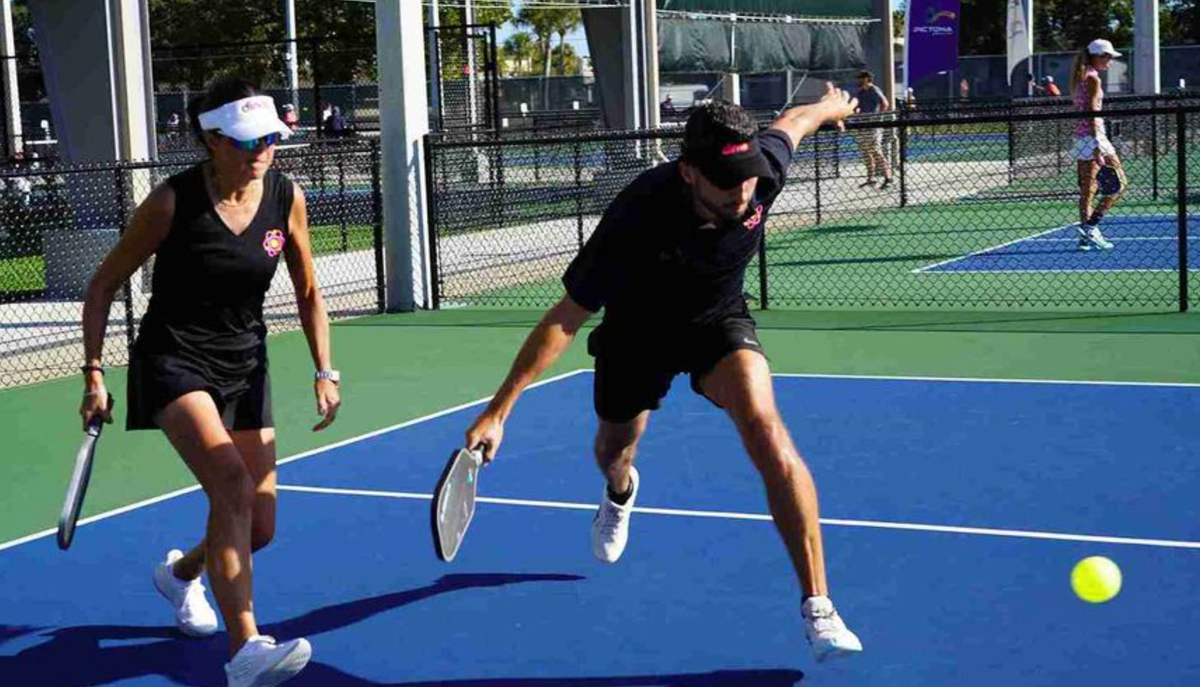
Paula's teaching progression is smart. She doesn't jump straight to full-court third shot drop rolls. Instead, she builds the shot in stages.
Stage 1: Kitchen Line Work
Start behind the kitchen line and focus purely on the brushing motion. The goal here is to feel what the brush stroke should feel like without worrying about distance or court positioning. You're just learning the mechanics of dropping the face and brushing upward.
Stage 2: Cross-Court Shots
Once you've got the brush down, move to cross-court shots from the kitchen line. This adds a directional element and forces you to extend your shot slightly more. You're still close to the net, but now you're working on accuracy and consistency across the court.
Stage 3: Full Court Third Shot Drop Roll
Finally, move to the baseline and execute the full third shot drop roll from the third shot position. This is where everything comes together: the brush, the footwork, the body weight, and the court awareness.
Paula demonstrates this progression beautifully in the video, and it's worth noting that she makes it look easy because she's put in the work at each stage.
You should too.
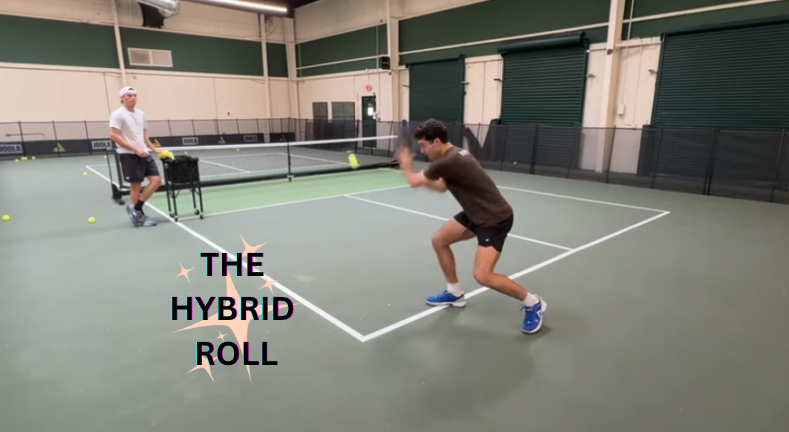
Master the Hybrid Roll: Advanced Third-Shot Drop
Having this shot in your arsenal is typically worth three points per game, a massive advantage when you’re playing to 11
The Dink PickleballThe Dink Media Team
The Margin Advantage: Why Spin Changes Everything
Here's something that separates good players from great ones: understanding margin.
Many recreational players are terrified of hitting the ball too high over the net.
They try to keep the ball as close to the net as possible, which actually makes the shot harder and less consistent.
Paula flips this thinking on its head. "The more you brush, the more the ball's going to drop," she says.
"So don't be scared to finish the shot."This means you can hit the ball higher over the net because the topspin drop will bring it down quickly once it clears.
This is a game-changer for consistency. Instead of trying to thread a needle with a flat shot, you're using spin to create a larger margin of error.
The ball can be 2 or 3 feet higher over the net and still land in the kitchen because the spin is pulling it down.
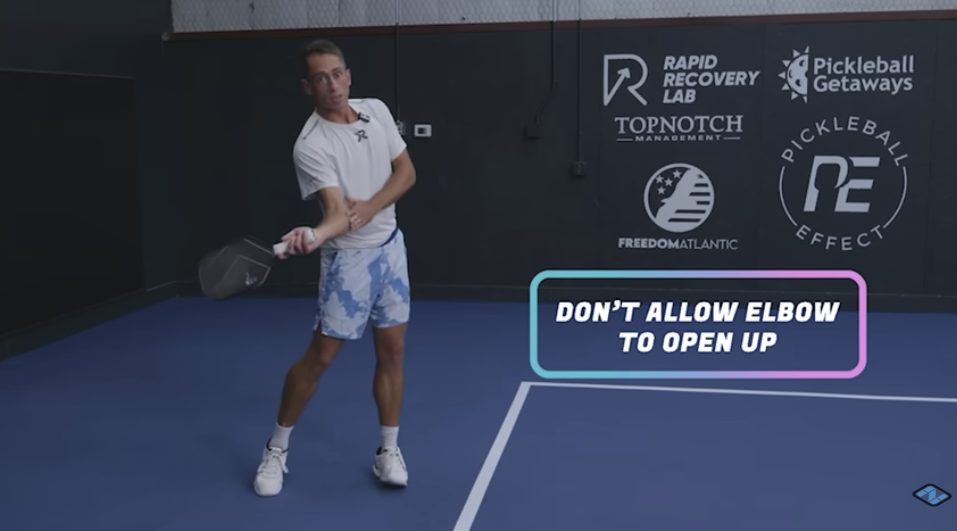
What Is Wrist Lag in Pickleball? The Pro Technique for Power, Spin & Control
Pros use this technique to generate more power, more spin, and better control on serves, returns, drives, and speedups. And you should, too.
The Dink PickleballThe Dink Media Team
Common Mistakes That Kill Your Third Shot Drop Roll
Paula identifies several mistakes that prevent players from mastering this advanced pickleball shot:
- Swinging through the side instead of dropping the face. This is the most common error. Players come from the side, which prevents them from getting under the ball and generating spin. The result is either a pop-up or a ball that doesn't drop.
- Closing the paddle face. Some players try to close the paddle face to control the ball, but this actually prevents the brush stroke from working. You need to keep the face open and brush upward.
- Brushing too early. Timing matters. You need to come up with the ball and then brush, not brush as soon as you make contact. This timing difference is subtle but critical.
- Inconsistent grip pressure. Holding the paddle too tightly prevents you from feeling the brush and generating spin. Paula recommends thinking about a 3 or 4 grip pressure, which is remarkably light.
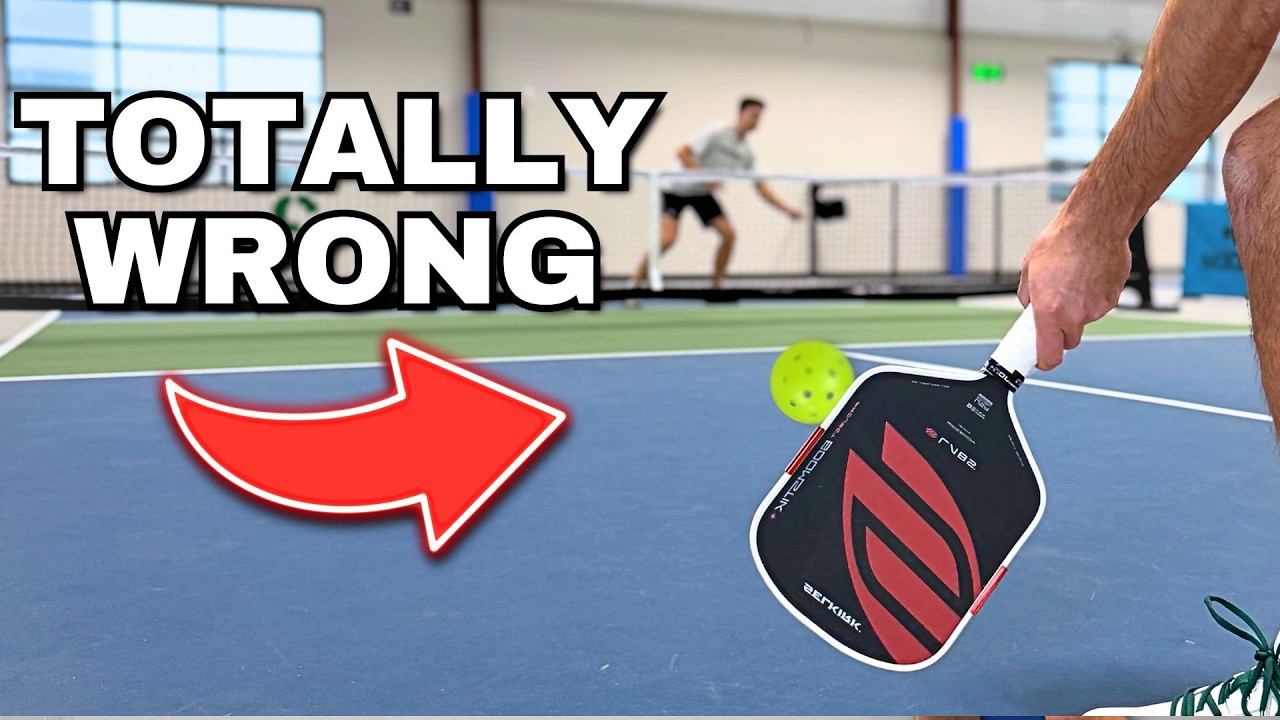
Simplifying the Third Shot Drop: Fix These 5 Common Mistakes
The third shot drop becomes consistent when players stop overthinking mechanics and focus on smart positioning and progression
The Dink PickleballThe Dink Media Team
The Drill: How to Start Building This Shot Today
Paula recommends a simple self-feeding drill that you can do at the baseline with a bucket of balls.
Drop a ball, let it bounce, and then execute your third shot drop roll.
Focus on the same fundamentals you've been working on: the brush, the footwork, the margin over the net.
The beauty of this drill is that you can do it alone, and you can do it repeatedly.
You're building muscle memory and feel for the shot without the pressure of a match.
Start with 10 or 20 repetitions and gradually increase as you get more comfortable.
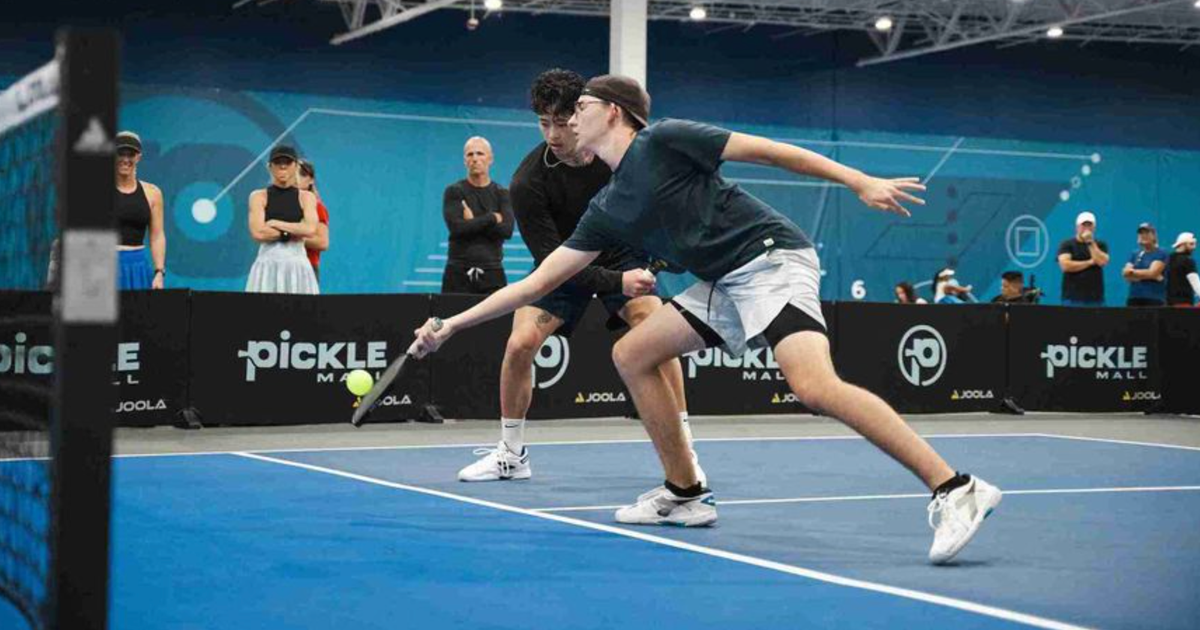
How to Practice the Third Shot Drop Alone: Solo Drill Guide
The third shot drop is the single most important shot in pickleball, and you don’t need a partner to get reps in. This guide walks you through the best solo drills to practice the third shot drop alone and build real, transferable court feel.
The Dink PickleballThe Dink Media Team
Why This Shot Matters for Your Game
The third shot drop roll isn't just a fancy shot to show off. It's a strategic weapon that changes how opponents approach you.
When they know you can hit a consistent topspin drop, they can't be as aggressive on the second shot. They have to respect your ability to neutralize their attack.
This creates space for you to take the net and navigate the transition zone, which is where advanced pickleball strategy is decided.
The shot essentially buys you time and positioning, which are the two most valuable commodities in the sport.
This is the drop shot in pickleball that wins matches. Learn it, drill it, and own it.
💡
Heads up: hundreds of thousands of pickleballers read our free newsletter.
Subscribe herefor cutting edge strategy, insider news, pro analysis, the latest product innovations and more.
Frequently Asked Questions
What's the difference between a third shot drop and a third shot drop roll?
A regular third shot drop is designed to land softly near the net without much spin. A third shot drop roll adds topspin to the ball, which allows you to hit it higher over the net with more margin while still having it drop quickly. The spin is the key difference.
How long does it take to master the third shot drop roll?
It depends on your current skill level and how much you practice. If you're already comfortable with basic pickleball mechanics, you could start hitting decent drop rolls within a few weeks of focused practice. True mastery, where you can hit the third shot drop roll consistently under pressure, typically takes several months of regular work.
Can beginners learn the third shot drop roll?
The third shot drop roll is an advanced shot, so it's not recommended for complete beginners. You should have a solid foundation in basic pickleball mechanics, footwork, and court positioning before attempting this shot. Once you're comfortable with those fundamentals, you can start learning the topspin drop.
What grip pressure should I use for the third shot drop roll?
Paula recommends thinking about a 3 or 4 out of 10 in terms of grip pressure. This light pickleball grip allows you to feel the brush stroke and generate spin without tensing up. Many players hold the paddle too tightly, which prevents them from executing the shot properly.
How do I know if I'm brushing the ball correctly?
You should see the back of your wrist as you finish the shot. If you're closing the paddle face or swinging through the side, you're not brushing correctly. The brush should feel like you're coming up through the ball with an open paddle face, not closing it down.
Anuncie Aqui / Advertise Here
Sua marca para o mundo Pickleball! / Your brand for the Pickleball world!





 English (US) ·
  Portuguese (BR) ·