
 English
  Spanish
  Portuguese
  German
  Italian
  Japanese
  French
  Polish
  Russian
  Netherlands
  Hungarian
  Turkish
  Videos
  Thedink Pickleball

Professional pickleball players seem to know where every shot is going before it happens. By mastering pickleball anticipation through reading body language, paddle positioning, and shot patterns, you can start seeing the game like the pros do.
If you've ever watched a professional pickleball match and wondered how players seem to know where every shot is going before it happens, you're witnessing the power of pickleball anticipation.
- It's not magic.
- It's not superhuman reflexes.
- It's a learnable skill that separates the pros from everyone else on the court.
Ava Ignatowich, a professional pickleball player on the PPA Tour, breaks down exactly how to develop this critical skill in her latest video.
The good news? You don't need years of experience to start improving your anticipation. You just need to understand what to look for.
Love pickleball? Then you'll love our free newsletter. We send the latest news, tips, and highlights for free each week.
What Is Pickleball Anticipation, Really?
Here's the thing about pickleball anticipation: it's not about reading minds. It's about reading probability.
Ignatowich explains that anticipation isn't magic. It's understanding the highest percentage shots and positioning yourself accordingly.
When your opponent is in a certain position with a specific paddle angle, they have limited options.
The wider their backhand dink, the more likely they're hitting crosscourt because going down the line is riskier and leaves more margin for error.
If they're taking a big step back, they're probably going straight because they can't comfortably reach around their body.This is the foundation of pickleball anticipation. You're not predicting the future.
You're calculating odds based on geometry, body mechanics, and shot selection patterns.
Reading the Paddle Face: Your First Clue
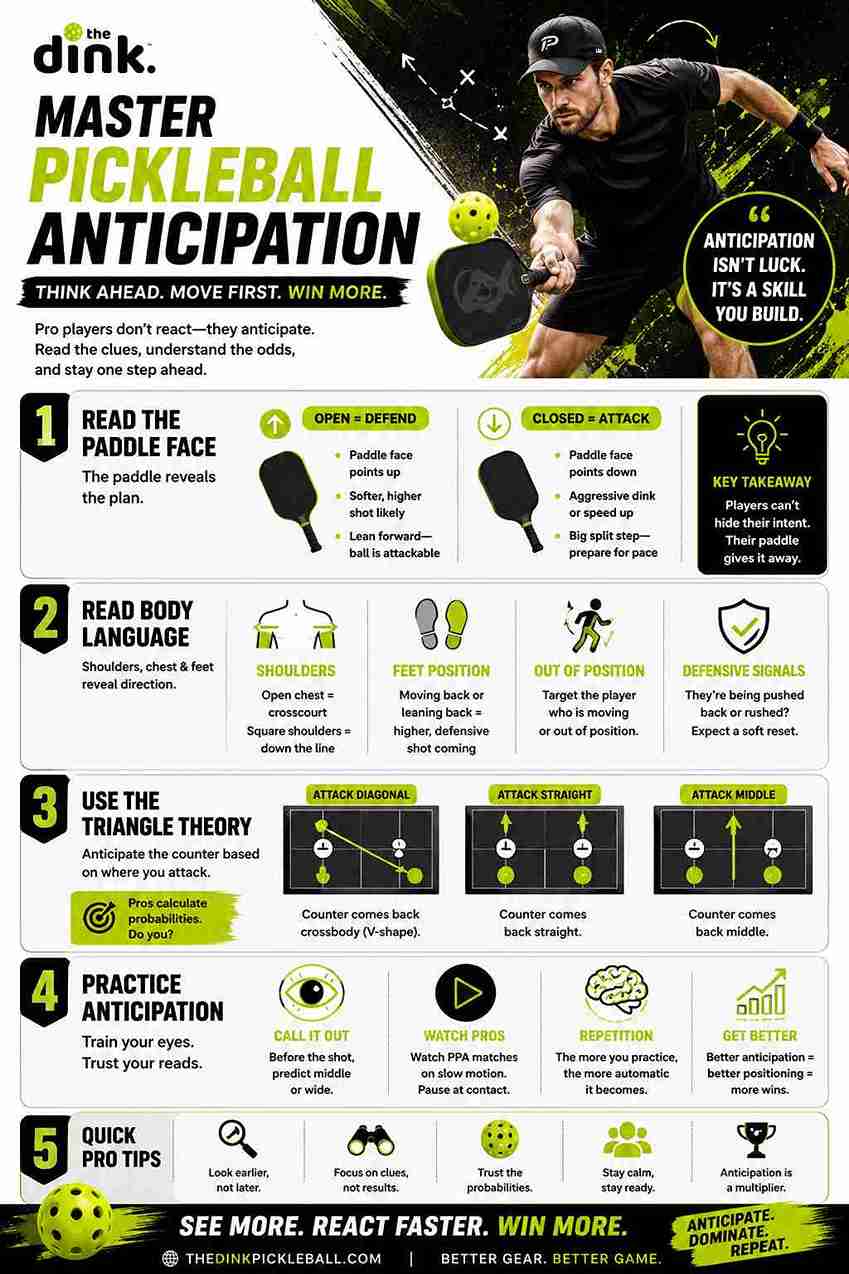
The paddle face tells you almost everything you need to know about what's coming next.
Ignatowich breaks this down into two clear categories: open and closed.
Open vs. Closed: How Pickleball Anticipation Starts With Paddle Positioning
- An open paddle face (facing upward) signals a softer, more defensive shot. When you see your opponent with an open paddle face at the kitchen line, that's your cue to lean forward slightly. The ball coming back is likely higher and slower, which means it's attackable. You might be able to speed it up or take a more aggressive approach on the next ball.
- A closed paddle face (angled downward toward the ground) tells a different story. This is the setup for an aggressive topspin dink or a speed up. When you see a closed paddle face, take a bigger split step and prepare for something fast. Your opponent is signaling intent to attack.
The key insight here is simple: it's tough to make the ball go somewhere without pointing the paddle positioning toward that place.
Players can't hide their intentions as easily as they think.
💡
Need some new pickleball gear? Get 20% off select paddles, shoes, and more with code THEDINK at
Midwest Racquet SportsBody Language Doesn't Lie
Your opponent's shoulders and chest position reveal shot direction with surprising accuracy.
Ignatowich demonstrates this with a partner, showing how shoulder rotation directly correlates to where the ball ends up.
- If the shoulder is facing forward, the ball typically goes down the line.
- If the shoulder is pointed crosscourt with an open chest, expect a crosscourt shot.
On the forehand side, an open chest is a dead giveaway for a middle shot.
Feet position matters too. When someone is moving backward or leaning back, their dink is coming back higher.
That's another signal to lean forward and look for an attacking opportunity.
If they're being pulled back or pushed back, they're in a defensive position, and the next ball will likely be higher and softer.The beauty of reading your opponent's body language is that it works in real time. You don't need slow-motion video.
You just need to train your eyes to notice these shot selection patterns during actual play.
How to Read Your Opponent’s Eyes and Poach More Balls in Doubles Pickleball
The key to winning many pickleball points isn’t just quick reflexes; it’s reading what your opponent is about to do before they do it
 The Dink PickleballThe Dink Media Team

The Triangle Theory: Anticipating Based on Your Own Shots
Here's where pickleball anticipation gets really interesting. Ignatowich explains that pros don't just read their opponent's body language.
They anticipate based on geometry and shot patterns.
Using Pickleball Anticipation to Win the Hands Battle
If you speed up at a diagonal angle across your opponent's body, the ball will come back crossbody in a triangle shape (or V-shape, as some players call it).
- If you attack straight, the ball comes back straight most of the time.
- If you attack middle, the counter typically comes back middle.
This is hands battle anticipation, and it's easier than reading dinks because you already know the geometry.
You're not guessing where your opponent will hit. You're understanding the physics of the game.Ignatowich emphasizes that this is how pros stay one step ahead.
They're so familiar with their own patterns and the shots you must master at the pro level that they can predict the counter before it happens.
You sit middle on the counter because that's where the ball is statistically most likely to go.
How to Anticipate Every Shot Like a Pickleball Pro
You don’t need lightning-fast reflexes if you’re already in the right spot
The Dink PickleballThe Dink Media Team
How to Practice Pickleball Anticipation in Real Time
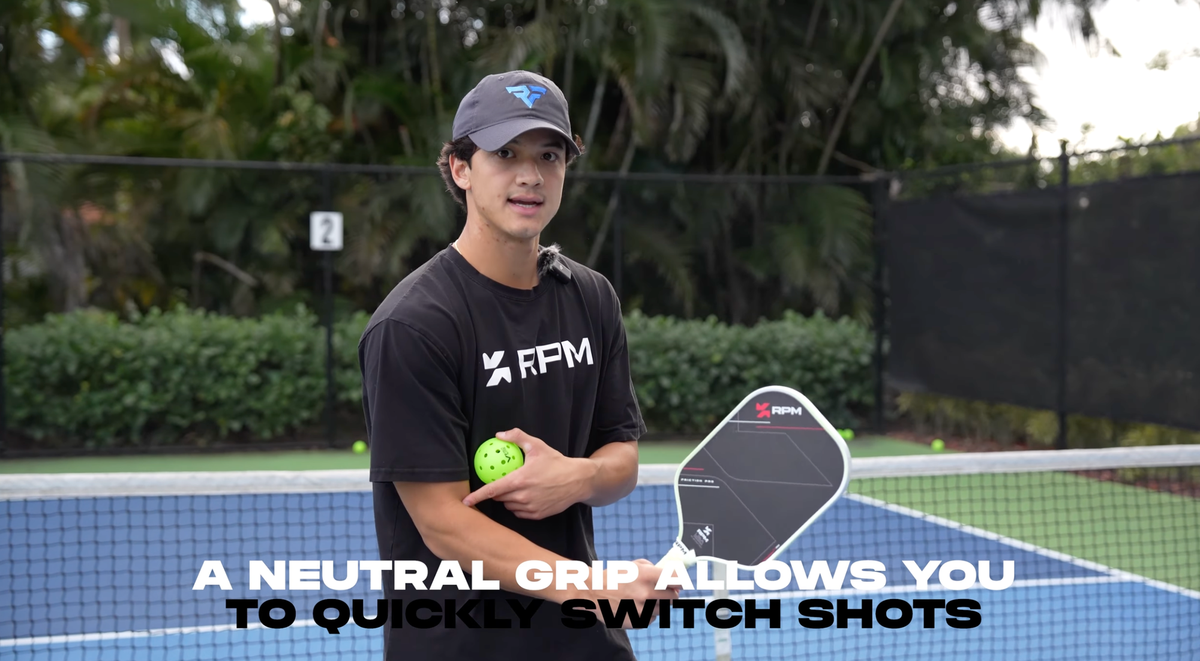
The best way to develop pickleball anticipation is to practice it while you're actually playing.
Ignatowich suggests a simple drill: call out whether you think your opponent's next shot is going middle or wide.
You can do this silently in your head if calling it out loud feels awkward (and trust us, your opponent will try to mess with you if they know what you're doing).
Just make the prediction before the ball is hit, then check yourself. Over time, your accuracy will improve.
Another proven method is watching professional pickleball at slow speed. Ignatowich learned this technique early in her career by watching PPA
Tour matches on 0.25 speed. She'd pause right at contact point and guess where the ball was going based on body position and paddle angle.
You can do the same thing. Find a PPA Tour match on YouTube, wait until players are at the kitchen line during a dink rally, pause at contact, and make your prediction.
This trains your brain to recognize the subtle cues that separate pros from recreational players.
5 Pickleball Drills That Will Transform Your Game in 2026
Five simple yet powerful pickleball drills can completely reshape how you play. These mechanics focus on consistency, footwork, and positioning to help you see immediate results on the court.
The Dink PickleballThe Dink Media Team

Reading Your Own Shots Matters Too
Here's something most players miss: you need to read your own dinks, not just your opponent's.
If you know your paddle face is open and you're hitting a defensive dink, you should expect an attack coming back.
That means a bigger split step and sharper court positioning.
This is how you anticipate attacks.
You're not waiting to see what your opponent does. You're preparing for what they're likely to do based on the quality of your own shot.
Ignatowich stresses that knowing when you've hit an imperfect shot is crucial.
If your dink is higher than you wanted or softer than intended, your opponent is looking to capitalize. Prepare accordingly.
Pickleball Decision Making: Master Your Shot Selection
Pickleball decision making separates casual players from competitive ones. Master when to drive, drop, reset, and attack to transform your game.
The Dink PickleballThe Dink Media Team
The Patterns That Matter Most
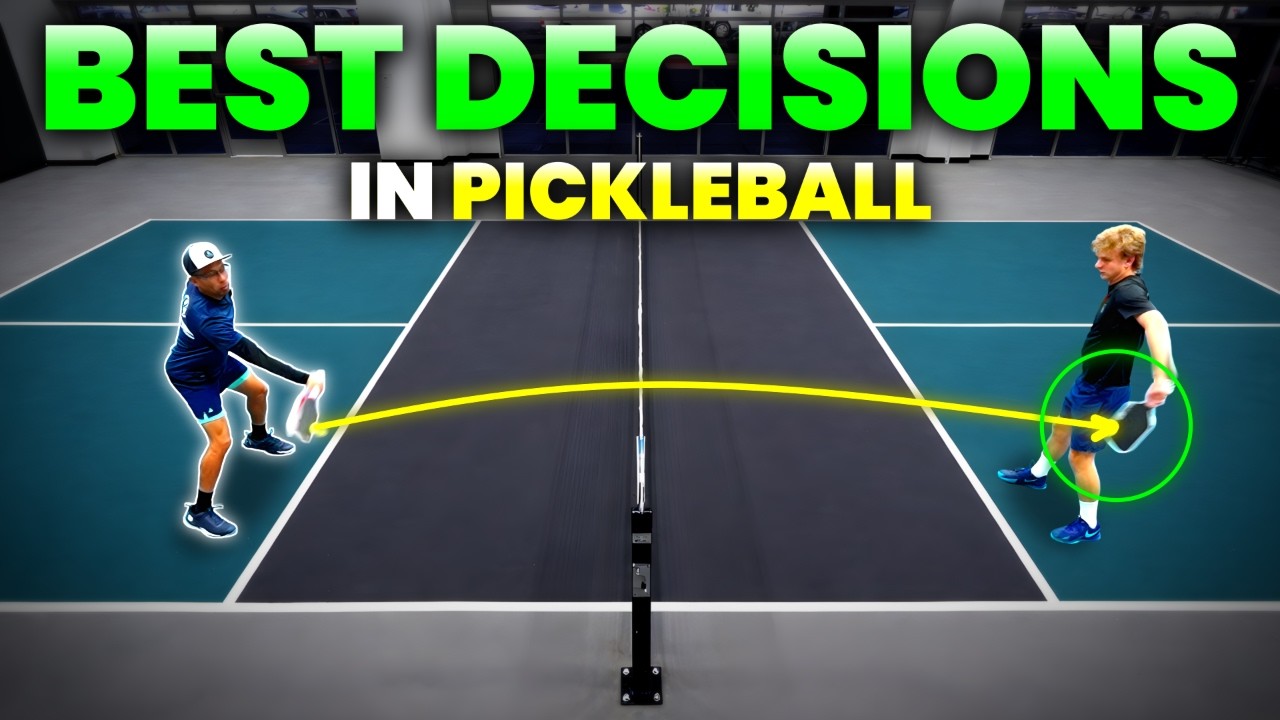
Understanding high-percentage shot selection is the backbone of pickleball anticipation. Ignatowich walks through several common scenarios:
If your opponent is hitting a wide backhand dink, they're usually going crosscourt.
Going down the line from a stretched position is risky and leaves too much margin for error. Crosscourt is higher percentage.
If someone sits heavy on their backhand in their ready position and you're speeding up, they'll likely attack your right side to try and "chicken wing" you.
It's a common pattern, and knowing it gives you a massive advantage.
The more you watch pickleball — whether it's pro matches or your friends playing — the better you'll recognize these read-your-opponent patterns.
Ignatowich recommends watching from the sidelines when you're not playing. It's easier to see patterns when you're not in the game yourself.
3 Patterns That Separate Good Pickleball Players From Great Ones
The gap between good and great pickleball players comes down to three repeatable patterns that create pressure instead of reacting to it
The Dink PickleballThe Dink Media Team
Why Pickleball Anticipation Changes Everything
The difference between a 3.5 and a 4.5 player often comes down to pickleball anticipation.
Higher-level players are already moving before the ball is hit. They're not reacting. They're predicting.
This gives them more time to set up their shot, better court positioning, and the ability to be aggressive when opportunities arise.
If you want to win more pickleball games, this is the skill to build first.
Pickleball anticipation isn't just about looking cool. It's about winning more points.
💡
Heads up: hundreds of thousands of pickleballers read our free newsletter.
Subscribe herefor cutting edge strategy, insider news, pro analysis, the latest product innovations and more.
Frequently Asked Questions
What's the difference between reading paddle face and reading body language in pickleball anticipation?
Paddle face tells you shot type and aggression level (open for soft, closed for aggressive). Body language tells you direction, with shoulders and chest position indicating crosscourt vs. down the line. Both are important, and pros use them together.
Can I practice pickleball anticipation without a partner?
Yes. Watch professional matches on slow speed and pause at contact point to make predictions. This trains your brain to recognize the cues without needing live opponents. You can also practice silently during casual play.
How long does it take to get good at pickleball anticipation?
Most players see improvement within a few weeks of focused practice. The more you play and watch, the faster you'll develop this skill. Some patterns become intuitive after a few months of consistent attention.
Is pickleball anticipation the same as reading your opponent's mind?
No. It's reading probability and geometry. You're not predicting what your opponent wants to do. You're understanding what they're most likely to do based on their position, paddle angle, and the physics of the game.
Why do pros make pickleball anticipation look so easy?
Because they've seen thousands of points and recognize patterns instantly. Their brains have been trained to process body language, paddle position, and shot geometry automatically. This skill is learnable for anyone willing to practice it.
For everything else we do, visit linktr.ee/dinkfam
Anuncie Aqui / Advertise Here
Sua marca para o mundo Pickleball! / Your brand for the Pickleball world!



 English (US) ·
  Portuguese (BR) ·