
 English
  Spanish
  Portuguese
  German
  Italian
  Japanese
  French
  Polish
  Russian
  Netherlands
  Hungarian
  Turkish
  Videos
  Thedink Pickleball

This guide breaks down seven proven tactics to neutralize hard-driving opponents and win more matches.
The best beat bangers pickleball strategy isn't hitting harder back. It's making them hate every shot they touch.
Bangers rely on one thing: your panic.
When someone is teeing off from the baseline and blasting drives at your feet, the natural instinct is to panic, swing harder, and try to out-muscle them.
That's the trap. The second you go toe-to-toe with a power player on their terms, you've already lost.
Here's the real play: patience beats power. Every time. You just need the right system.
Love pickleball? Then you'll love our free newsletter. We send the latest news, tips, and highlights for free each week.
What Is a Banger in Pickleball?
Before breaking down your beat bangers pickleball strategy, it helps to define what you're dealing with.
A banger is a player, usually coming from a tennis or racquetball background, who prefers to drive the ball hard from the baseline rather than engage in the soft dinking game at the kitchen.
USA Pickleball's official rulebook defines the non-volley zone (kitchen) rules that bangers routinely try to exploit with pace from deeper court positions.
Bangers are dangerous because they generate pace that recreational players often struggle to handle. But they're also predictable.
They rely almost entirely on speed and hope you make an error under pressure.
Research in the Journal of Sports Sciences consistently shows that unforced errors, not winners, determine the outcome of most recreational racket sport matches, meaning the player who keeps the ball in play longer wins more often.
Take that away and their game falls apart fast.
The key insight: bangers lose when rallies slow down. Your job is to make every rally exactly that.
Strategy 1: Stop Trying to Beat Bangers in Pickleball With Power
The number one mistake recreational players make against hard hitters is trying to match fire with fire. You will lose that game almost every time.
Use their pace against them. Block and redirect rather than swing big.
A soft, well-placed block off a hard drive is far more effective than attempting to drive back even harder.
The physics of pickleball work in your favor here: a paddle face angled correctly at impact will absorb pace and drop the ball into the kitchen without much effort on your part.
Research on racket sport biomechanics confirms that a soft, compliant response to a high-velocity ball reduces reaction force significantly more than a counter-drive, the principle behind every effective block volley.
Think of it as a wall, not a racket. Let the ball hit you. Your grip pressure should drop to near zero at contact. That's what kills pace.
💡
Need some new pickleball gear? Get 20% off select paddles, shoes, and more with code THEDINK at
Midwest Racquet SportsStrategy 2: The Reset Is Your Best Weapon Against Hard Hitters
If there is one non-negotiable skill in a beat bangers pickleball strategy, it is the reset. Every single time.
A reset is exactly what it sounds like: you take a hard-hit ball and return it softly into the non-volley zone, forcing your opponent to let the ball bounce before attacking again.
It breaks the banger's rhythm completely. They load up expecting to punish another mid-court ball.
Instead, they get a soft dink that lands near their feet. Now they're stuck.
The mechanics matter. Keep the paddle out front, use a continental or neutral grip, and absorb the ball rather than punching at it.
According to motor learning research published in the Journal of Motor Behavior, deliberate, repetitive practice of a single motor skill, like the reset volley, produces faster and more durable performance gains than varied drill work.
Practice this shot more than any other if you want to neutralize power hitters consistently.
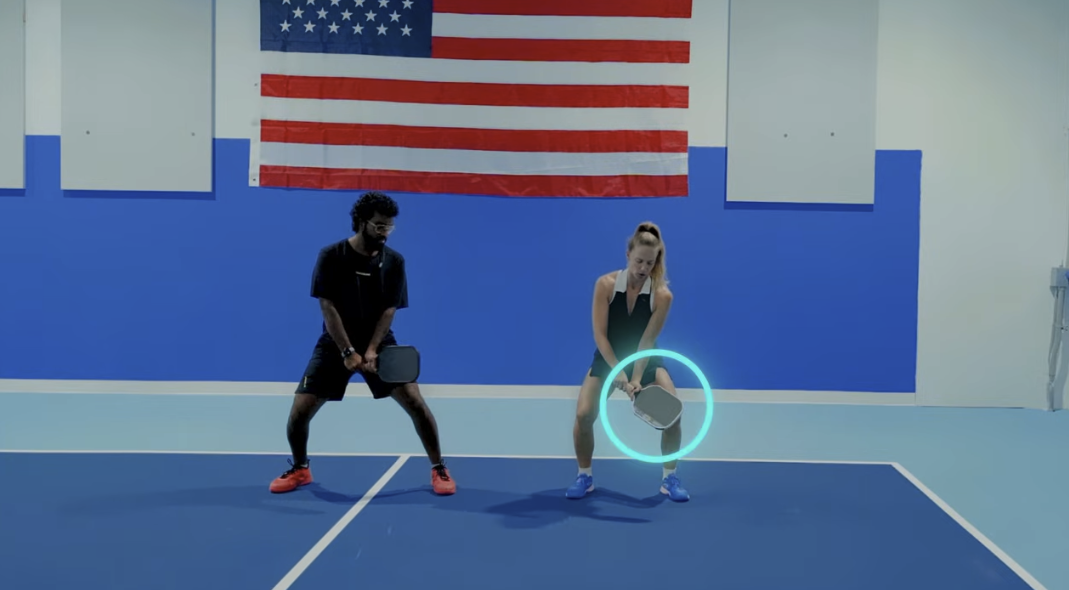
Master the Reset Shot: Pickleball’s Most Overlooked Defensive Weapon
The reset lets you survive the transition phase without giving your opponents an easy put-away. It’s the shot that turns defense into offense.
 The Dink PickleballThe Dink Media Team
Why Does the Kitchen Line Matter So Much Against Bangers?
Getting to the kitchen line and staying there is arguably the most important positional element in any beat bangers pickleball strategy.
Here's the thing: bangers hate it when you're at the non-volley zone.
Their drives become harder to execute because the angle tightens, and any ball they hit too high becomes an attackable shot.
USA Pickleball's official rules establish the non-volley zone as a 7-foot-deep area on each side of the net, and controlling that zone is the single most impactful positional decision you can make in any rally.
Position yourself at the kitchen line as fast as possible after the return of serve and stay there through the rally.
When you're stuck in no-man's land (the transition zone), bangers feast. That mid-court position is where their drives do maximum damage.
Get up to the line and force them to hit upward. That's when errors multiply.
When to Block vs. Counter Against Pickleball Bangers
Bangers thrive on chaos. They want you panicking, swinging wildly, and popping the ball up for easy putaways.
The Dink PickleballThe Dink Media Team

Strategy 3: Use a Deep, Heavy Return of Serve
Your return of serve is the first piece of the puzzle when you want to beat bangers in pickleball.
A deep return, aimed toward the baseline, does two things. First, it keeps the banger back and prevents them from immediately closing to the kitchen.
Second, it gives you time to get to the non-volley zone. A strong return of serve sets the entire point in your favor before the third shot even happens.
Add topspin or slice to your return for extra trouble. A low, skidding slice return forces a tough third shot and limits what a banger can do with pace.
They want a high, hittable ball. Don't give it to them.
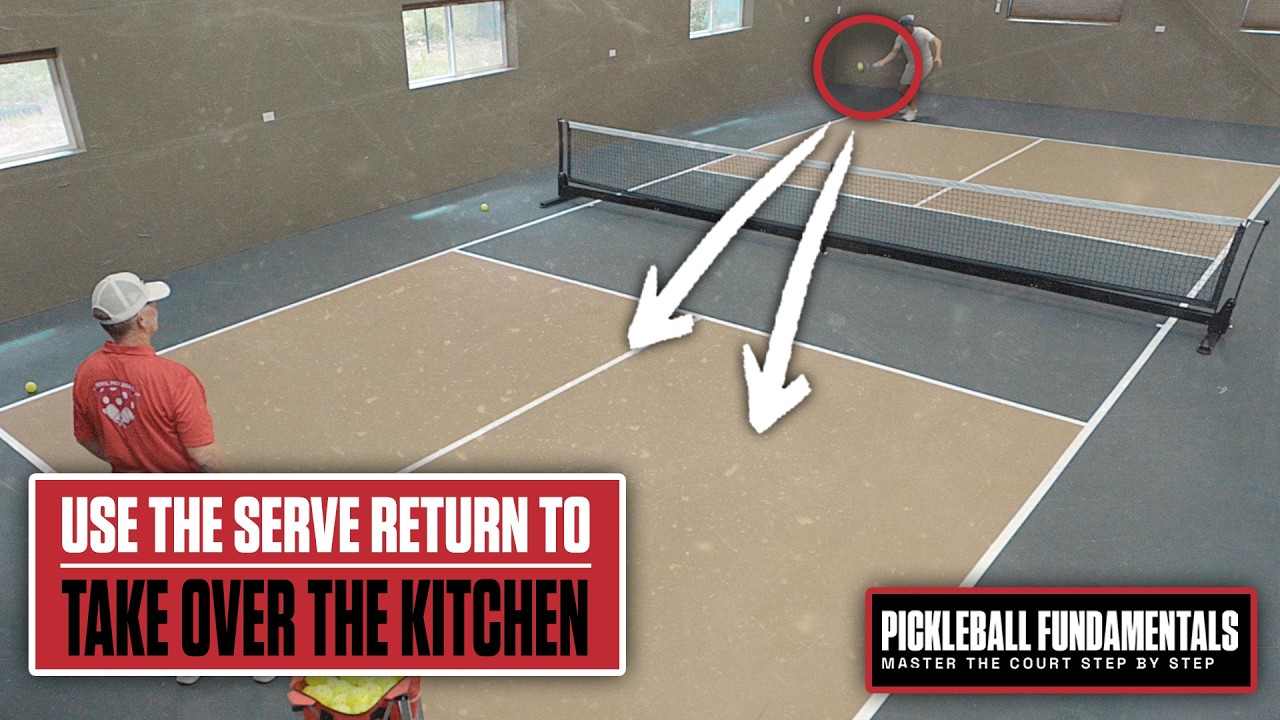
Unlock the Pickleball Return of Serve in 5 Steps
The pickleball return of serve is one of the most underrated shots in the game, but mastering it can give you a massive positional advantage. Learn the essential footwork, positioning, and strategy to transform your returns into a weapon.
The Dink PickleballThe Dink Media Team
Strategy 4: Keep the Ball Low
This one is simple. Hard-hitting opponents need a ball above the net to drive effectively. Your job is to keep every ball below net height.
Low dinks, low resets, low drives in transition. When the ball is below the tape, your opponent has to hit upward, which limits their power and angle.
A low ball can't be attacked the same way. It has to be lifted, and a lifted ball into the kitchen is exactly what you want.
Research on court sport biomechanics shows that upward swing trajectories reduce velocity transfer at the point of contact, meaning low balls structurally limit how hard any opponent can hit.
Shot placement beats shot power every time.
This is the core mechanic behind the third shot drop: it keeps the ball low, forces a neutral reply, and lets you get to the kitchen safely.
Apply the same logic across every shot in the rally.
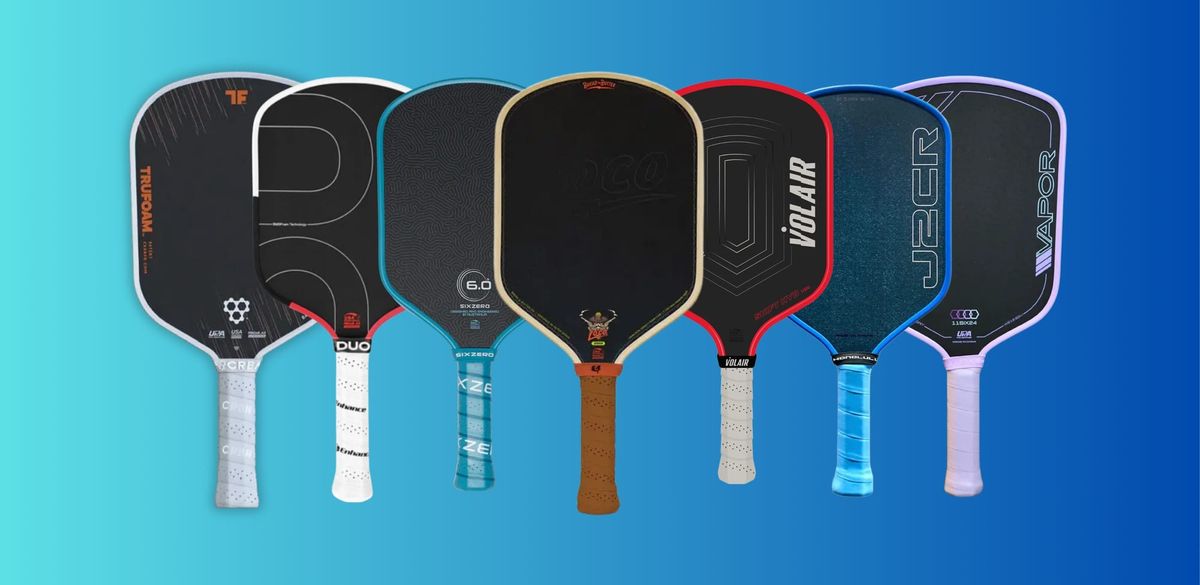
7 Hybrid Pickleball Paddles that Blend Power and Control
None of these are lacking in the oomph department. But their foam cores and hybrid shapes combine to offer more stability, control, and feel when it matters most.
The Dink PickleballAlex E. Weaver
Strategy 5: Target the Banger's Feet and Body
Where you aim matters as much as how you hit. The best spot to neutralize a hard-hitting opponent is right at their feet or directly at their body.
A ball aimed at the feet forces an uncomfortable, low-to-high swing that robs them of any leverage.
A body shot, sometimes called a "body bag," takes away swing room entirely. Most bangers are swinging from wide, powerful stances.
Crowd that stance and the drive gets messy fast.
This works especially well as the point slows into a dinking rally. A well-timed dink toward the opponent's hip is almost impossible to attack cleanly.
They'll either pop it up (giving you the attack) or reset it (exactly what you want).
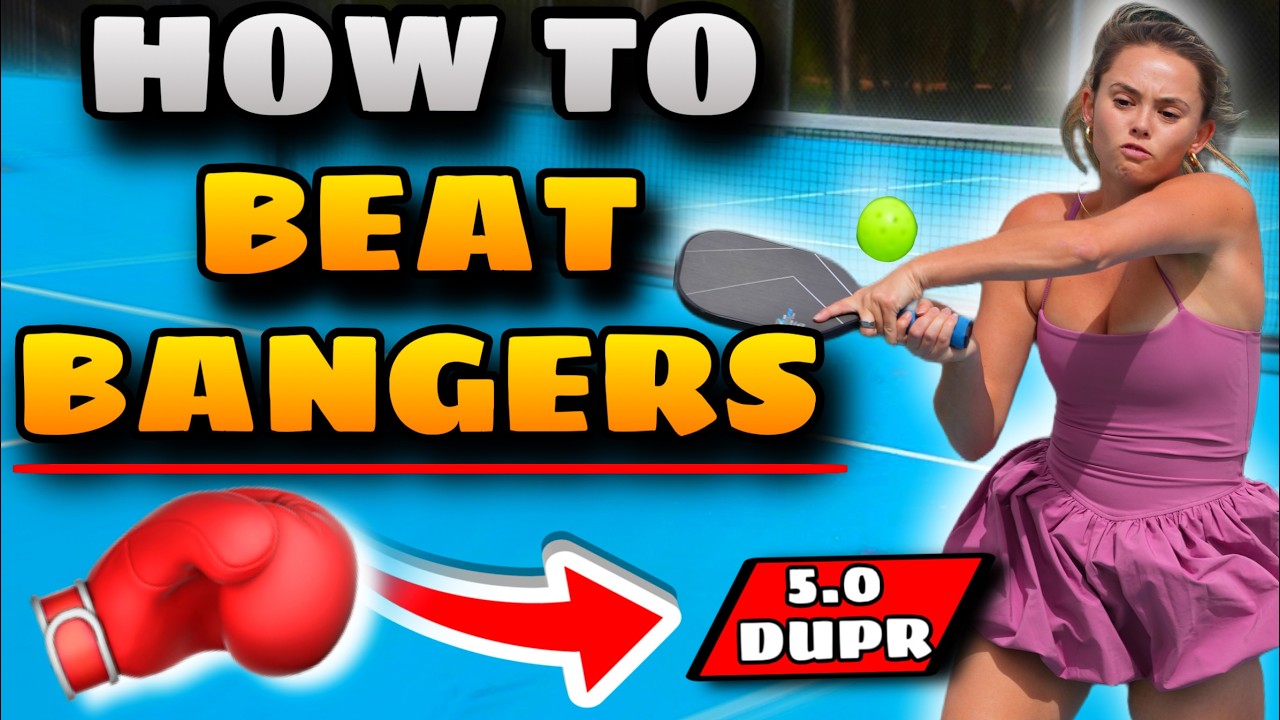
How to Beat a Banger Strategy in Picklebal
Power hitters can be frustrating, but a solid banger strategy doesn’t have to derail your game. Pro player Ava Ignatowich breaks down five tactical approaches to neutralize aggressive opponents and take control of the court.
The Dink PickleballThomas Shields
Strategy 6: Make Them Play the Soft Game
Bangers are typically terrible at dinking. It's not their comfort zone. Drag them into the soft game and watch the unforced errors pile up.
This is the long-game version of the beat bangers pickleball strategy. Every time they drive, you reset.
Every time they get to the kitchen (which is rare), you out-dink them.
Eventually they get frustrated, push the pace too soon, and the ball goes into the net or sails long.
Patience is your weapon.
Stay disciplined with low, consistent dinks and don't go for the hero attack until the ball is genuinely attackable (above net height, floating toward you).
Research in the Journal of Sport & Exercise Psychology links competitive frustration directly to elevated error rates in racket sport athletes, exactly what happens to bangers stuck in a rally they can't win with pace.
Play the percentages. The right opportunity will come.
How to Stop Being a Pickleball Banger and Master Soft Game Skills
Calm hands and repetition unlock control under pressure
The Dink PickleballThe Dink Media Team

Does the Lob Work Against Bangers?
Used correctly, the lob is a secret weapon in any beat bangers pickleball strategy.
Most bangers are camped at the baseline or stuck in mid-court. They're not thinking about overhead coverage.
A well-disguised lob over their backhand shoulder, especially late in a rally when they've moved forward slightly, forces a scramble they didn't expect.
The key word is disguise. Don't telegraph it. A lob that telegraphs gives a strong opponent time to get under it and smash back.
Mix the lob in sparingly, after you've established the soft dinking game. The surprise factor is everything.
How to Hit the Perfect Pickleball Lob Every Time
A well-struck lob can get you out of a tricky point or pour gasoline on a routine dink rally. It all comes down to deception, timing, and picking on the weaker opponent.
The Dink PickleballEric Roddy
Strategy 7: Play to the Backhand Side
This is the most overlooked tool in the beat bangers pickleball strategy toolbox.
Most recreational power players have a significantly weaker backhand drive than forehand drive.
Studies on laterality in racket sports consistently show that players generate 15–25% less force and have reduced accuracy on the non-dominant backhand side, a gap that's even wider among players who learned a power sport like tennis before transitioning to pickleball.
When you push the ball consistently to their backhand, two things happen. The drive they generate has less power and less accuracy.
And if they try to run around the backhand to use their forehand, they leave massive gaps in the court.
Play to their weakness, not their strength. It sounds obvious but players forget this constantly when they're in the middle of a hard-hitting rally.
Stay disciplined, keep targeting the backhand side, and let them beat themselves.
Pickleball Backhand: Fix Your Weak Side Fast
Most players avoid their backhands because they’re uncomfortable. But that’s exactly why developing a strong backhand is so valuable.
The Dink PickleballThe Dink Media Team

Key Takeaways
- Stop matching power with power. Block, absorb, and redirect.
- The reset is non-negotiable. Soft hands at contact beat every drive.
- Get to the kitchen line and stay there. Don't let bangers catch you in the transition zone.
- A deep, heavy return of serve controls the point from the start.
- Keep the ball below net height at all times. Low balls can't be attacked cleanly.
- Target feet, body, and backhand to rob power hitters of leverage and angles.
- Drag bangers into the soft game. They lose patience. Errors follow.
💡
Heads up: hundreds of thousands of pickleballers read our free newsletter.
Subscribe herefor cutting edge strategy, insider news, pro analysis, the latest product innovations and more.
Frequently Asked Questions
What is the best way to beat bangers in pickleball?
The best way to beat bangers in pickleball is to neutralize their pace rather than match it. Use soft resets to absorb hard drives, get to the kitchen line quickly, and keep the ball low so opponents can't attack cleanly. Patience and shot placement consistently outperform power at the recreational level.
Why do resets work so well against hard hitters?
Resets work because they eliminate the one thing bangers rely on: pace. When you absorb a hard drive and return it softly into the non-volley zone, the banger has to completely reset their own timing and approach. They can't drive a low dink with the same effectiveness, which forces them into uncomfortable neutral territory. Practice your reset mechanics until it's second nature.
Should I try to drive back against a banger?
Occasionally, yes. But it shouldn't be your default response. Driving back into a banger's wheelhouse gives them exactly what they want. The smarter play is to block and redirect, or reset softly into the kitchen, on most exchanges. Save your drives for balls that are above net height and genuinely attackable.
How does court positioning help against bangers?
Getting to the kitchen line is critical because it tightens the angles available to a banger and forces them to hit upward rather than flat or downward. When you're stuck in the transition zone, drives land at your feet and are almost impossible to handle. Control the kitchen line and you control the geometry of every rally.
Does the lob work against bangers?
A well-disguised lob absolutely works, especially against players camped near the baseline who aren't expecting to chase an overhead. The key is using it selectively and disguising your intent until the last second. A telegraphed lob against a prepared opponent usually ends badly. Use it as a surprise element after establishing a dinking rally, not as a go-to shot.
Anuncie Aqui / Advertise Here
Sua marca para o mundo Pickleball! / Your brand for the Pickleball world!





 English (US) ·
  Portuguese (BR) ·