
 English
  Spanish
  Portuguese
  German
  Italian
  Japanese
  French
  Polish
  Russian
  Netherlands
  Hungarian
  Turkish
  Videos
  Thedink Pickleball

It's not that dwell time doesn't exist. It does. It just doesn't appear to be quite the game-changer that marketing so often suggests.
You've probably heard that soft, "dwelly" paddles keep the ball on the paddle longer, giving you more control and touch. It sounds logical and it feels true when you're playing.
But what if that's actually a myth?
Love pickleball? Then you'll love our free newsletter. We send the latest news, tips, and highlights for free each week.
What the High-Speed Camera Actually Reveals
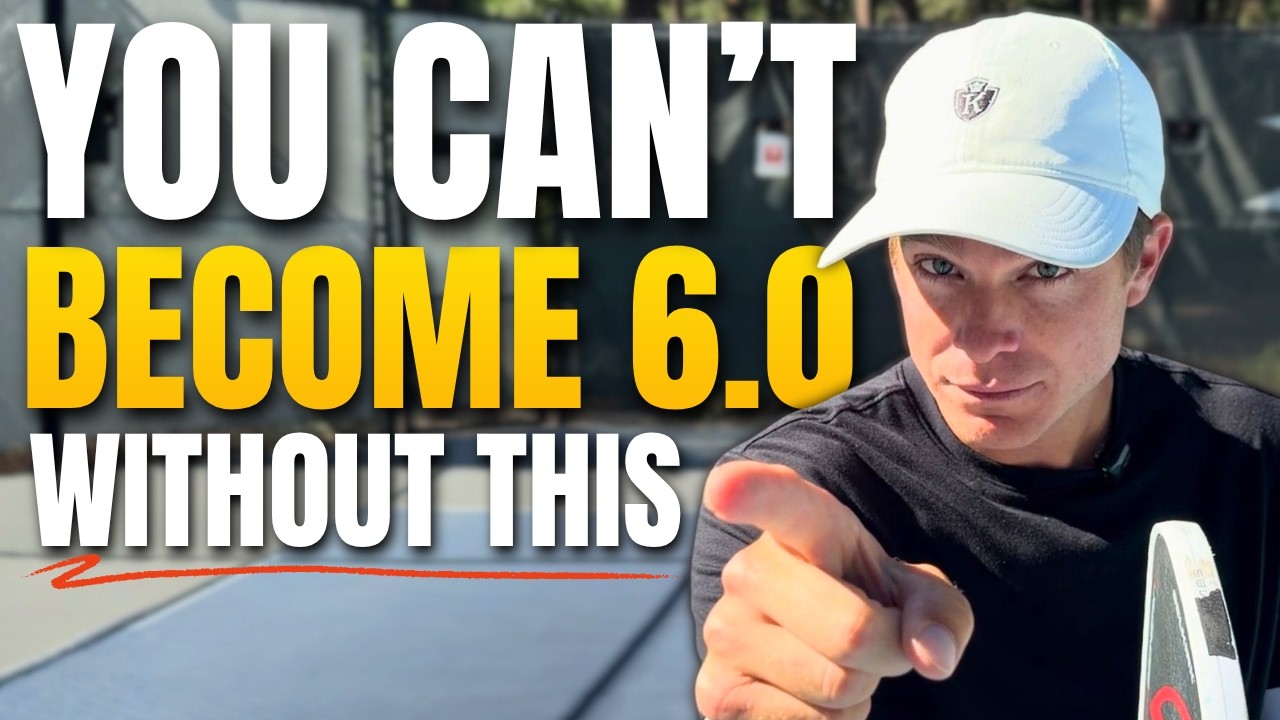
Top paddle reviewer John Kew decided to test this idea using high-speed footage. They compared a couple of popular modern paddles against a classic wooden paddle to see what really happens when the ball makes contact.
Here's what they found: the ball isn't staying on the paddle longer just because it feels soft. Instead, what actually controls contact time is firepower. More powerful paddles return energy faster, which means the ball leaves sooner, not later.
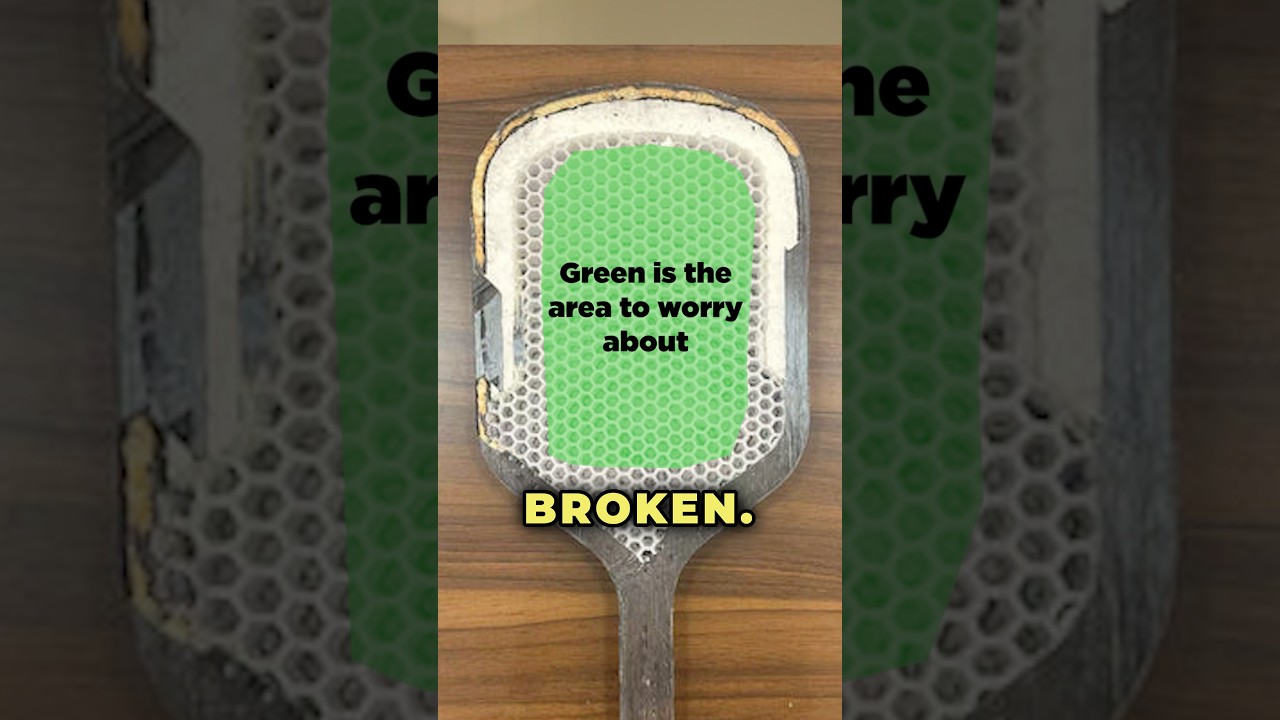
How to Check Your Pickleball Paddle for Core Crushing
It takes just 30 seconds and a bit of pressure to avoid playing with a potentially illegal paddle
 The Dink PickleballThe Dink Media Team
Pocketing vs. Releasing
Now, there's a nuance here that matters. Floating-core paddles do pocket the ball more than stiffer alternatives. The ball sinks deeper as the perimeter foams act like springs, creating that cushioned sensation you feel.
But even with deeper pocketing, a powerful paddle still kicks the ball off faster. The paddle's stiffness and energy return override the pocketing effect.
When comparing specific paddles, the differences become clear:
- The Luzz Inferno pockets the ball more, creating that softer feel and slightly longer contact time.
- The Selkirk Boomstick catches and releases the ball quicker because it's stiffer and bounces back faster.
- A wooden paddle shows almost no dwell at all, catching and releasing like a tennis racket.
It All Happens in Milliseconds
All of this happens in two milliseconds or less. That's incredibly fast. Your brain can't even perceive differences at that scale during actual play.
So while the Luzz Inferno technically has more dwell time than the Selkirk Boomstick, the practical difference is negligible. You're not gaining meaningful control or touch from an extra millisecond of contact time.
Why Your Favorite Pickleball Paddle Probably Won’t Be Played by a Pro Anytime Soon
Pros prize playability over durability – but there lots of factors that determine who’s playing with what in 2026
 The Dink PickleballThe Dink Media Team
What This Means for Your Game
What actually matters more is the paddle's overall power and how it returns energy. If you're choosing a paddle based on feel and performance, focus on how it responds to your swing and how it feels in your hand during play. The dwell time difference between paddles is real but so small that it shouldn't be your primary decision factor.
💡
Need some new pickleball gear? Get 20% off select paddles, shoes, and more with code THEDINK at Midwest Racquet Sports
The myth isn't that dwell time is completely fake. The myth is that it's the secret sauce to better pickleball. Your technique, positioning, and court sense will always matter more than an extra millisecond of ball contact.
Heads up: hundreds of thousands of pickleballers read our free newsletter. Subscribe here for cutting edge strategy, insider news, pro analysis, the latest product innovations and more.
Anuncie Aqui / Advertise Here
Sua marca para o mundo Pickleball! / Your brand for the Pickleball world!


 English (US) ·
  Portuguese (BR) ·