
 English
  Spanish
  Portuguese
  German
  Italian
  Japanese
  French
  Polish
  Russian
  Netherlands
  Hungarian
  Turkish
  Videos
  Thedink Pickleball

Most players avoid their backhands because they're uncomfortable. But that's exactly why developing a strong backhand is so valuable.
Most pickleball players will do almost anything to avoid hitting their backhand. They'll shuffle sideways, run around the ball, and contort themselves into uncomfortable positions just to get another forehand in.
But you can't build a complete game without mastering the one-handed backhand.
Selkirk TV's latest lesson breaks down exactly how to develop a fluid, confident backhand stroke that'll catch your opponents off guard and elevate your entire game.
Love pickleball? Then you'll love our free newsletter. We send the latest news, tips, and highlights for free each week.
Master the Pickleball Backhand With the Right Ready Position
Before you even think about swinging, you need to nail your ready position. Keep your paddle centered in your stance, not favoring either side.
This matters because in a real point, you won't know if the ball is coming to your forehand or backhand until it's already on its way.
Your feet should be positioned athletically, ready to move in any direction. Think of it like a basketball player on defense, not a statue waiting for the ball to arrive.
The latest drop from 11Six24 is here — and The Dink is giving you a shot to get one for free.
We’re giving away 10 Power 2 paddles, the hottest new paddle on the market built around a powerful premise: Surface grit that lasts the life of the paddle.
Enter here. And checkout their new Power 2 lineup and get $10 off with code THEDINK.
The Pickleball Backhand Sequence That Actually Works
Once you see the ball heading to your backhand side, the sequence is simple but critical. Here's what happens:
- Turn your left foot, hip, and shoulder back together to prepare the paddle.
- Step forward with your right foot toward the side of the court where you want the ball to go.
- Extend the paddle forward in a straight pathway toward contact.
- Follow through naturally and stroke up and away from your body.
The key is that all these movements work together. Your hips, shoulders, and feet aren't independent; they're coordinated to build momentum in the direction you want to send the ball.
Build a Consistent Pickleball Backhand Contact Point
Where you make contact with the ball determines a lot about your shot. You want to hit the ball out in front of your stance, roughly next to your right foot. Not too far out, or you'll lose balance and control.
At the moment of contact, your paddle face should be square to the other side of the court. Not open (which pops the ball up) and not closed (which sends it down into the net). Square means you're hitting through the ball cleanly.
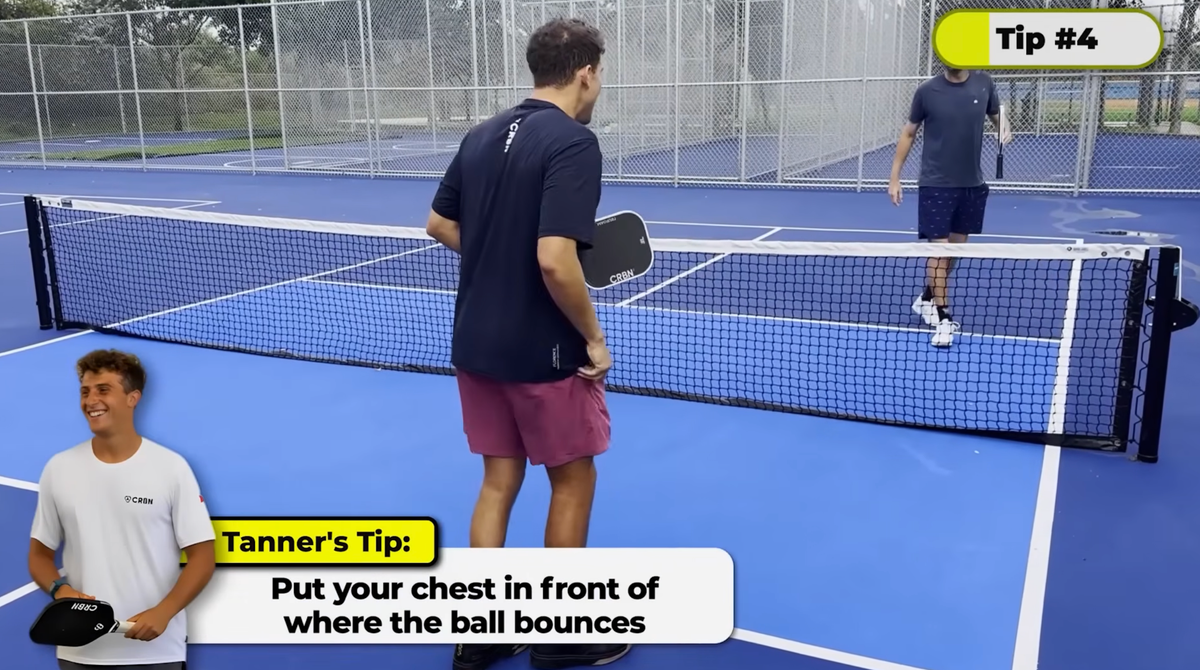
Pickleball Kitchen Line: 6 Skills to Become Unattackable
Tanner Pickleball breaks down how six simple adjustments in positioning and awareness can make you nearly impossible to attack at the kitchen line
 The Dink PickleballThe Dink Media Team
Three Keys to a Reliable Pickleball Backhand
When you're practicing or analyzing your backhand, focus on these three elements:
- The pathway of your paddle as it moves forward should stay as straight as possible toward your target.
- The angle of the paddle face at contact determines whether the ball goes where you want it to go.
- The speed of your swing needs to match your control level. If you're struggling with pathway and angle, slow it down first, then add speed back in.
You don't need a lightning-fast backhand to be effective. A controlled, consistent stroke beats a wild one every time.
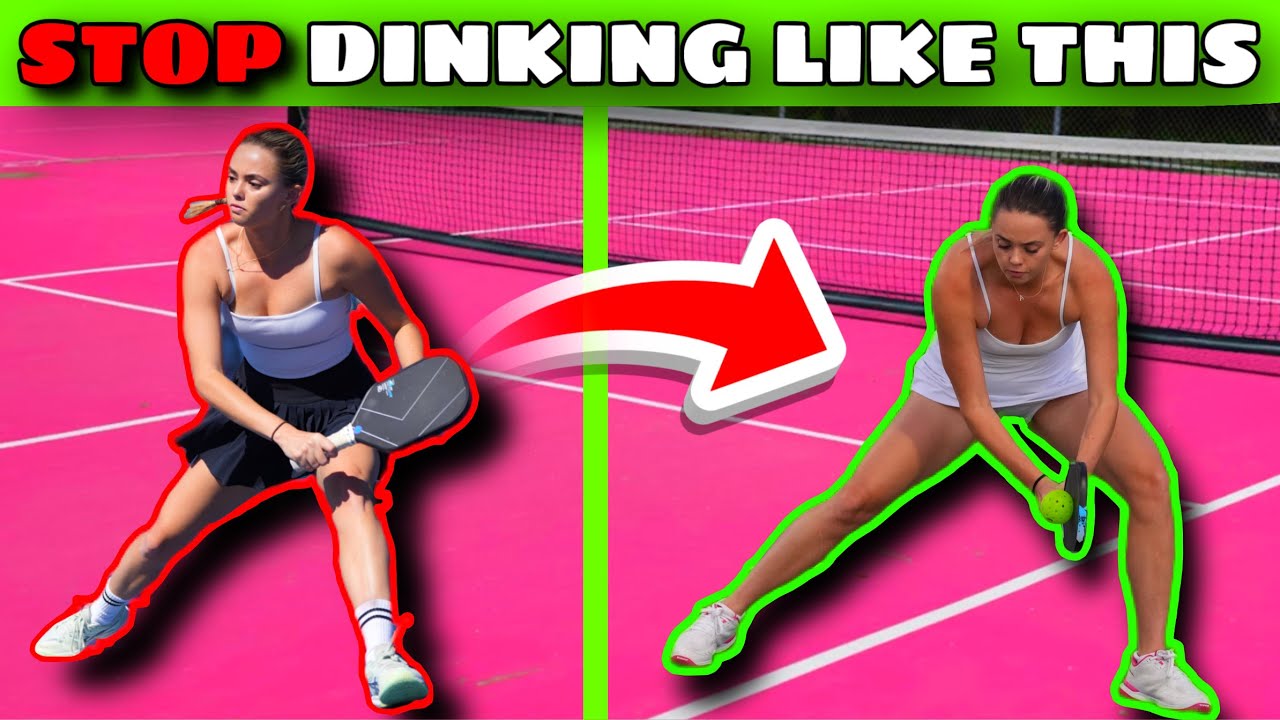
Perfect the Pro-Level Backhand Dink: Slice vs. Two-Handed Roll
The slice keeps you in rallies when you’re under pressure. The two-handed topspin roll lets you take control and push your opponent back.
 The Dink PickleballThe Dink Media Team
The Follow-Through Matters
After contact, let your paddle continue naturally up and away from your body. Your shoulder has a natural range of motion, and your follow-through should respect that. You're not trying to wrap the paddle around your body or stop it abruptly.
A smooth follow-through also protects your shoulder from injury. You're decelerating the paddle gradually, not jamming it to a halt.
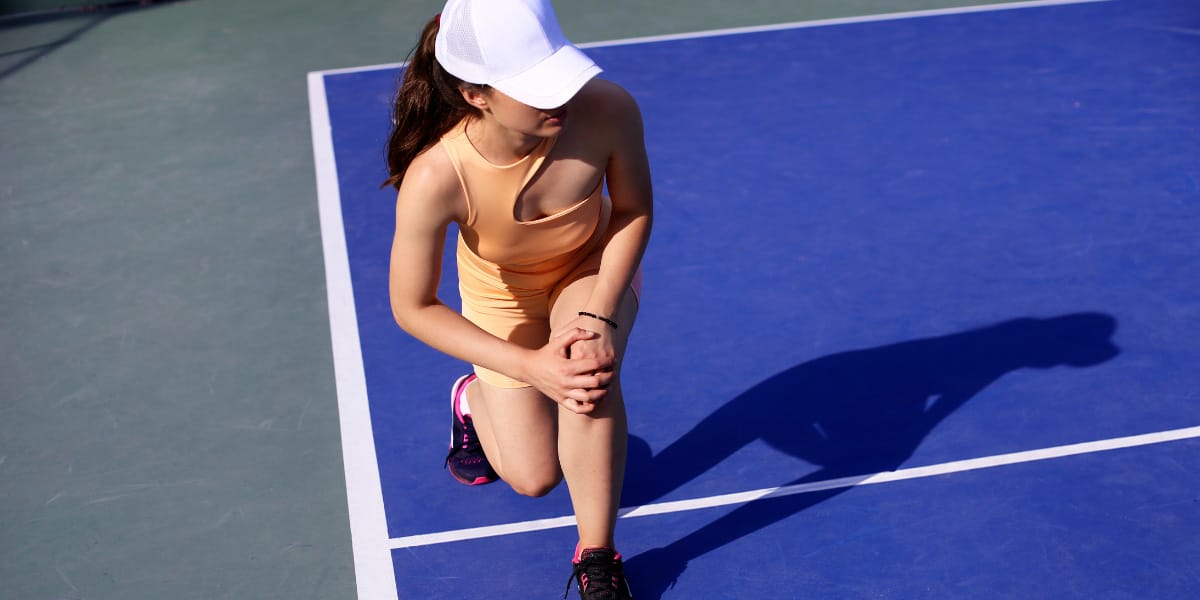
What is the most common pickleball injury and how to prevent it
Learn the most common pickleball injuries like pickleball elbow, ankle sprains, and knee strains, plus simple tips to prevent injury on the court.
 The Dink PickleballLuke Burton
Why Your Backhand Is Worth the Work
Players who only hit forehands are predictable. They're always trying to move around the ball, which takes time and energy. A player with a solid backhand can stay in the middle of the court and handle anything that comes their way.
When your opponent realizes your backhand isn't a weakness, they can't target it.
💡
Need some new pickleball gear? Get 20% off select paddles, shoes, and more with code THEDINK at Midwest Racquet Sports
Practice the Fundamentals
The path to a better backhand isn't complicated.
- It's repetition with good mechanics.
- Focus on turning and preparing as you move toward the ball.
- Step in so your momentum goes forward.
- Keep that paddle pathway smooth and your face square at contact.
Start with balls fed directly into your strike zone. Once you're comfortable, have someone feed you balls that require you to move and adjust. The goal is to turn and prepare while you're moving, so by the time you arrive at the ball, you're ready to step in and swing through naturally.
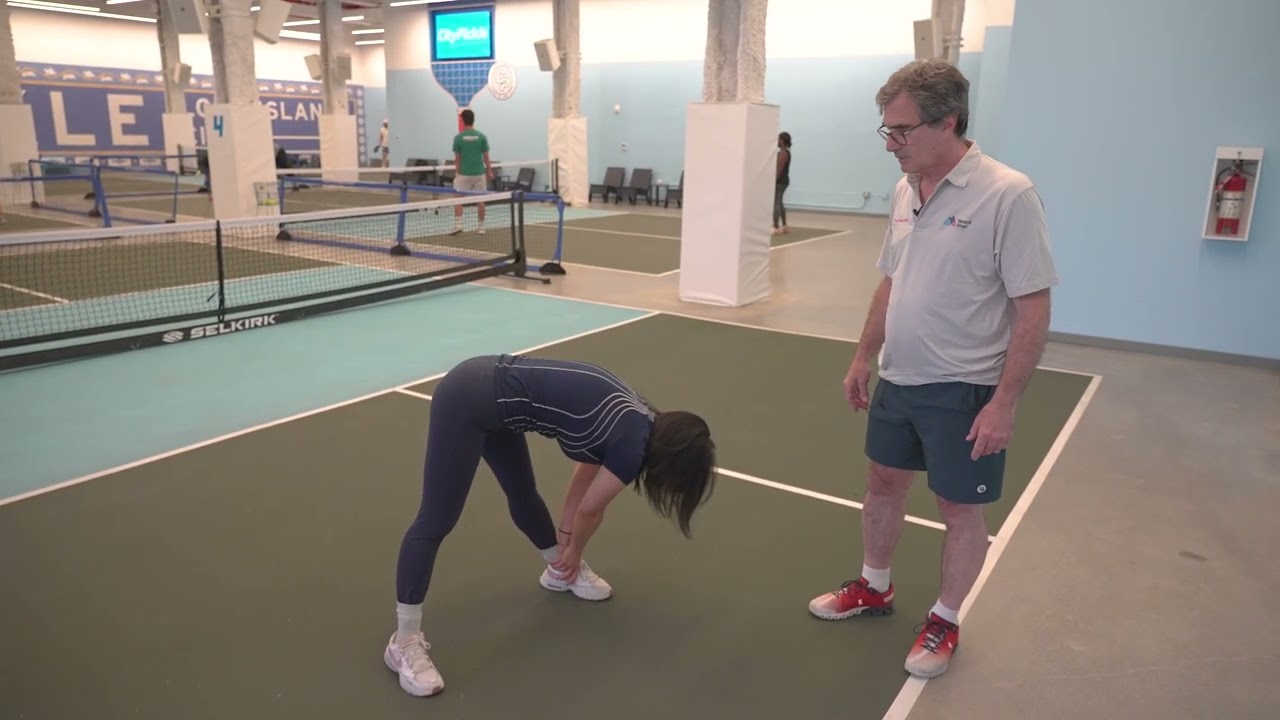
A Quick, Essential Stretching Routine for Pickleball Players
Building a stretching habit into your pickleball routine is one of the smartest things you can do for your long-term health and performance on the court
 The Dink PickleballThe Dink Media Team
Frequently Asked Questions
What is the most important part of a pickleball backhand?
The contact point is the most important part of a pickleball backhand. Hitting the ball out in front with a square paddle face gives you control and consistency.
How do I stop avoiding my backhand in pickleball?
Commit to practicing your pickleball backhand regularly. The more confident you become, the less you'll feel the need to run around it.
Should I use a one handed or two handed backhand in pickleball?
Both can be effective depending on your style. A one handed backhand offers reach, while a two handed version can add stability and control.
How can I improve my pickleball backhand quickly?
Focus on footwork, preparation, and repetition. Practicing with proper mechanics is the fastest way to see improvement.
Why is my pickleball backhand inconsistent?
Inconsistency usually comes from poor timing or paddle angle. Fix your contact point and slow your swing down to regain control.
Anuncie Aqui / Advertise Here
Sua marca para o mundo Pickleball! / Your brand for the Pickleball world!




 English (US) ·
  Portuguese (BR) ·