
 English
  Spanish
  Portuguese
  German
  Italian
  Japanese
  French
  Polish
  Russian
  Netherlands
  Hungarian
  Turkish
  Videos
  Thedink Pickleball

Switching from defense to offense in pickleball is a timing decision, not a strength contest. This guide breaks down the exact green lights that tell you when to attack, when to keep resetting, and how to stop guessing in the middle of a rally.
Switching from defense to offense in pickleball is a timing problem, not a power problem. Most 3.5 and 4.0 players already own the shots.
They can reset, roll a dink, flick a backhand off the bounce.
What they can't do is recognize the half-second where the rally flips. Switching from defense to offense in pickleball lives entirely in that half-second.Here's the thing: your opponents tell you when to attack.
Every rally, they hand you the answer through ball height, balance, and paddle position. You just have to read it instead of guessing.Love pickleball? Then you'll love our free newsletter. We send the latest news, tips, and highlights for free each week.
Why Is Switching From Defense to Offense in Pickleball So Hard?
Because the rally never announces itself. There's no whistle, no obvious moment where the difference between offense and defense flips.
Switching from defense to offense in pickleball comes with no cue at all. It's incremental, the way court position shifts shot by shot.You reset one ball, your opponent's dink floats a little higher, and you get roughly a third of a second to decide whether that's an invitation or a trap.
Most players fail that decision in one of two directions.
The impatient crowd attacks everything, including balls below the net, feeding easy counters to anyone with decent hands at the kitchen line.The passive crowd never attacks and dinks until someone makes a mistake, which at 4.0 is usually them.
Neither group has a shot problem. They have a recognition problem.
Fix the recognition and your existing skills look a lot better, which is why controlled aggression separates the 4.0s from the 4.5s far more than paddle speed does.
What Does "Defense" Actually Mean in Pickleball?
Defense in pickleball means you're reacting rather than dictating.
You're hitting up on the ball, out of position, or behind the kitchen line while your opponents are on it.
Anything that buys time and keeps the ball low is a defensive shot: a midcourt reset, a push block, a defensive dink.Offense is the opposite state. You're contacting the ball above net height, you're balanced, and your opponent is the one scrambling.
Everything in between is what coaches call neutral, and neutral is where most rallies actually live.Dinks account for over half of all shots in pro doubles, which tells you how much of the game is spent waiting rather than swinging.
Switching from defense to offense in pickleball is the exit ramp out of neutral, and the modern midcourt game gives you only a few per rally.
💡
Need some new pickleball gear? Get 20% off select paddles, shoes, and more with code THEDINK at
Midwest Racquet SportsWhat Are the Green Lights for Switching From Defense to Offense in Pickleball?
There are four, and they stack. The more you see at once, the more aggressive you can be.
Switching from defense to offense in pickleball works best when at least two are present, not one.
- The ball is above net height. Non-negotiable, and the first gate in any attack pattern.
- Your opponent's paddle is below their wrist or out of position. They can't counter what they can't reach.
- You're balanced and set, not lunging. Your feet decide more than your grip does.
- Your partner is also at the line. Attacking while your partner sits in the transition zone just opens a gap.
Miss all four and you're not attacking, you're gambling. Switching from defense to offense in pickleball should feel obvious, not brave.
And gambling is how a perfectly winnable dink rally turns into a point for the other team.
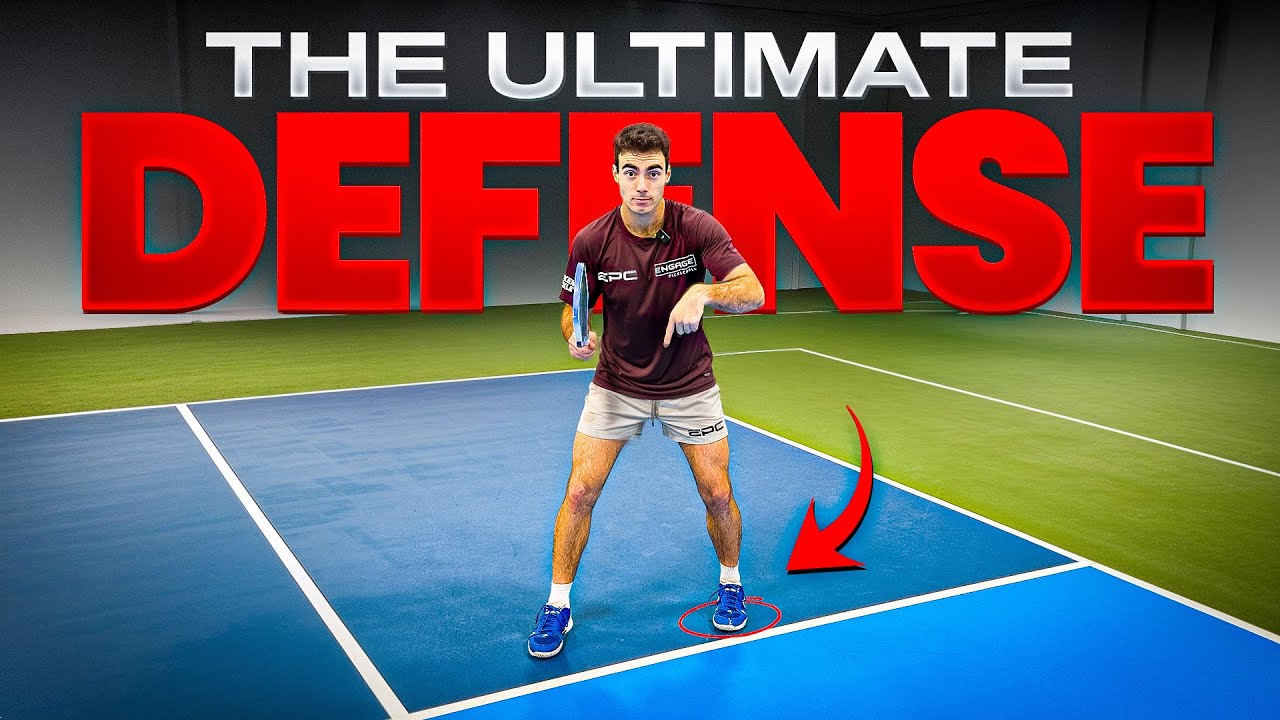
The Pivot Trick: How to Quickly Turn Defense Into Offense in Pickleball
A well-timed pivot lets you turn into the shot, maintain your balance, and hit an aggressive return instead of a defensive block.
 The Dink PickleballThe Dink Media Team
The Ball Height Rule That Governs Switching From Defense to Offense in Pickleball
If the ball is below the top of the net when you make contact, you cannot attack it. That's not a preference. That's physics.
To hit a ball below net level with pace and keep it in the court, you'd need to generate topspin most rec players simply don't have.
That's why becoming unattackable starts with keeping your own contact points low. So the rule becomes simple: below the net, you reset or dink.At the net tape, you roll. Above the net, you attack. Switching from defense to offense in pickleball starts and ends with that read.
It's the fastest way to build a reliable shot selection checklist that works under pressure.
Roughly 70% of competitive points are won at the kitchen line, according to strategy analysis published in 2025, so the height read matters most in exactly the place you spend the most time standing.
Reading Your Opponent Before You Commit
Watch the paddle, not the ball. Sounds backwards, but it works.
A player whose paddle tip has dropped below their wrist needs extra time to get back to a countering position.
That's your window. Same goes for an opponent stretched wide on a crosscourt dink, or one leaning forward onto their toes after contact.Attacking the right spots beats attacking hard, every time.
The most attackable target in doubles? The right shoulder and hip of a right-handed player.It jams the backhand counter and forces an awkward paddle rotation, which is why speed-ups aimed there win far more hands battles than speed-ups aimed at open court.
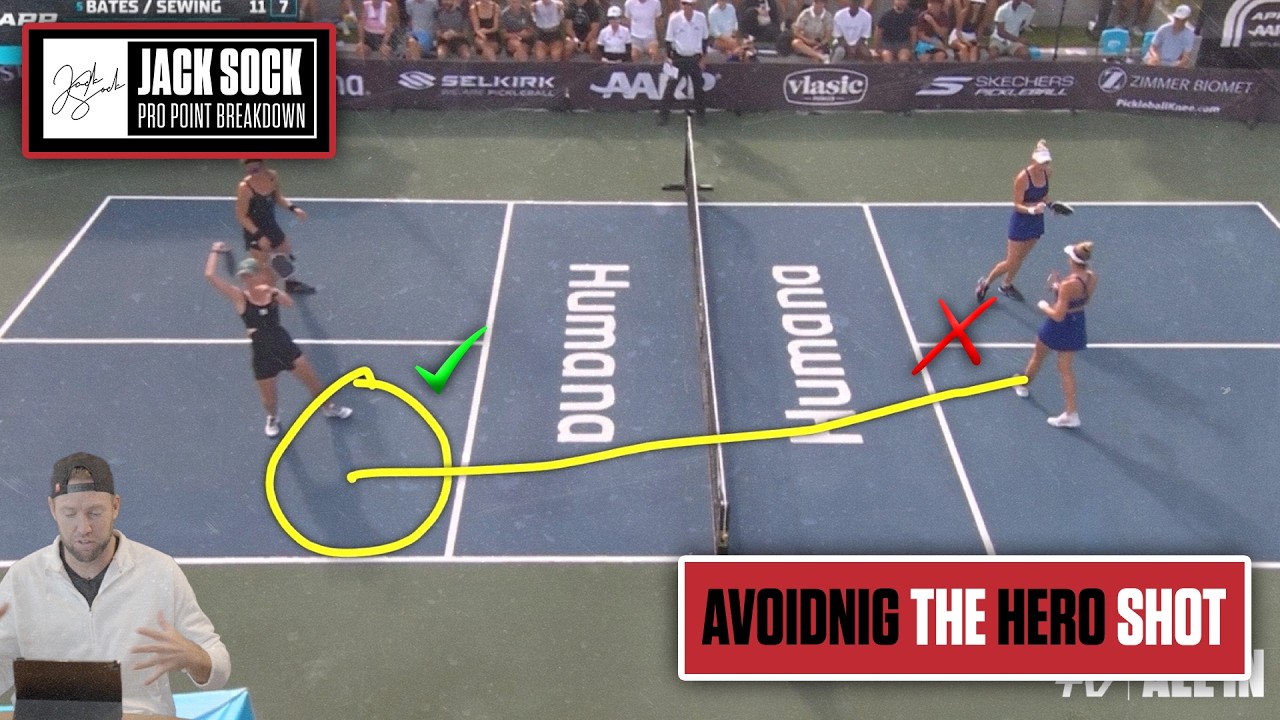
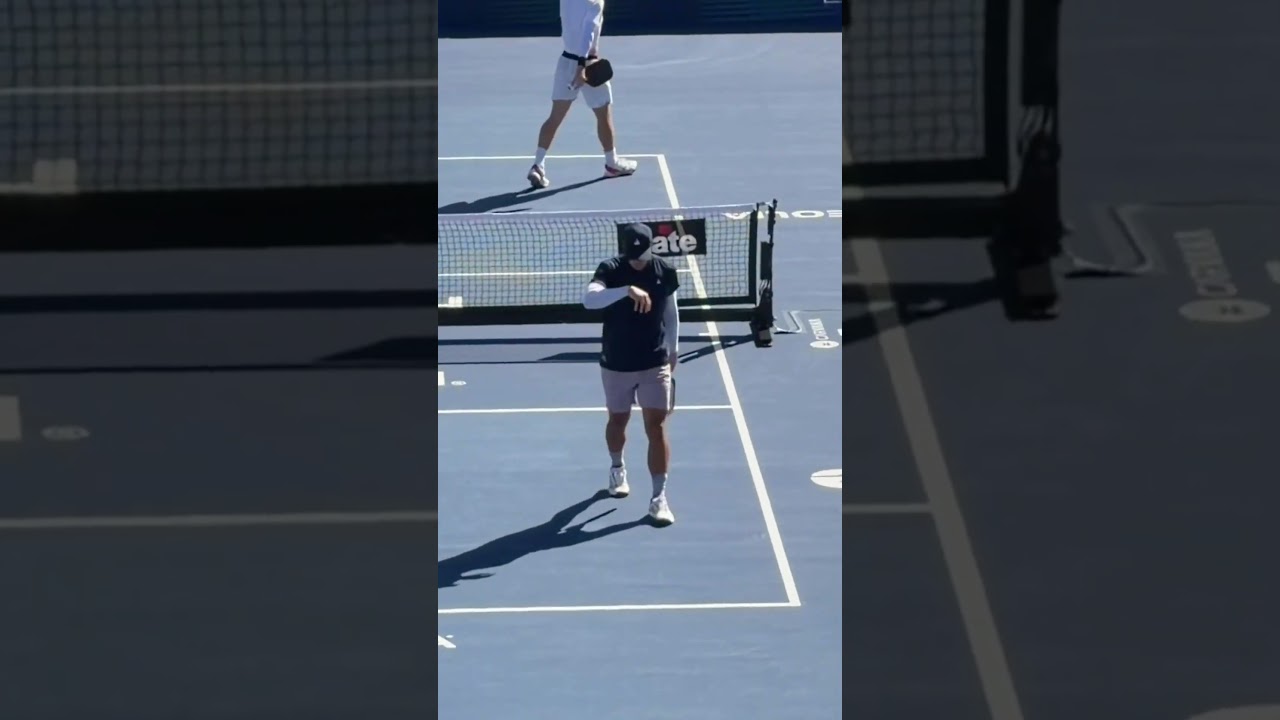
Kitchen Reestablishment: Jack Sock’s Defensive Strategy
After an incredible defensive sequence, the temptation to finish the point with a hero shot is real. But kitchen reestablishment is the smarter play, according to pro player Jack Sock, who breaks down exactly why discipline beats aggression in transition.
 The Dink PickleballThe Dink Media Team
When Should You Stay Patient Instead?
Stay defensive whenever you're still moving forward, still below the net, or still not sure.
Switching from defense to offense in pickleball is a choice you earn, not one you force. Uncertainty itself is the answer. If you have to ask, reset.
This is the part players hate to hear. The transition zone is not an attacking zone for most of us.It's a survival zone, and the traps there are predictable.
Your job is to get one soft ball to land in the kitchen and get your feet to the line, not to win the point from eight feet back.
Honestly, the fastest way to add wins is to delete the attacks you shouldn't have taken. Count them next match.Most intermediate players find three or four per game, and three or four points is the entire margin in an 11-point match.
Patience isn't passivity. Holding your dinks an extra beat forces your opponent to commit first, and the player who commits first usually loses the exchange.That's patience as a weapon, not a stall tactic.
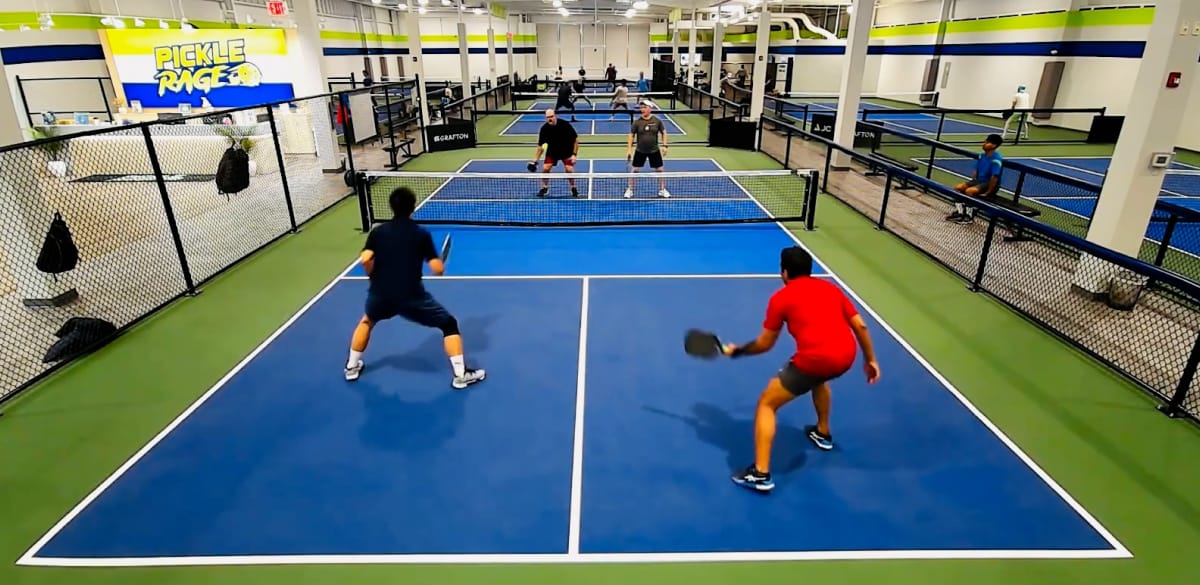
Pro Breakdown: Pickleball Match Strategy That Wins Points
A pro breaks down 3.0/3.5 pickleball match strategy point by point, revealing what each team did well and how to win more at competitive rec play.
 The Dink PickleballEric Roddy
How Do You Commit Once You've Decided to Attack?
Commit with your whole body and accept that the next ball is coming back.
Switching from defense to offense in pickleball fails most often in the follow-through, not the decision.
Half-committed attacks are the worst outcome in pickleball, and they break every rule in the dos and don'ts of attacking.Switching from defense to offense in pickleball only pays off when the follow-through matches the decision.
You've given up the soft game and you haven't generated enough pace to hurt anyone, so you get countered into the same feet you were trying to protect.
If you're going, go.
Three things make the commitment stick:
- Reset your paddle immediately. The counter is coming in under a second. Faster hands are trainable, and they're what make aggression survivable.
- Stay low after contact. Standing up tall is what turns a good speed-up into a floating pop-up.
- Expect the ball back. The attack is the start of the exchange, not the end of it. Learning to counterattack matters as much as learning to attack.
If your speed-ups keep getting punished, the problem is usually mechanical rather than tactical, and there's a specific fix for that.
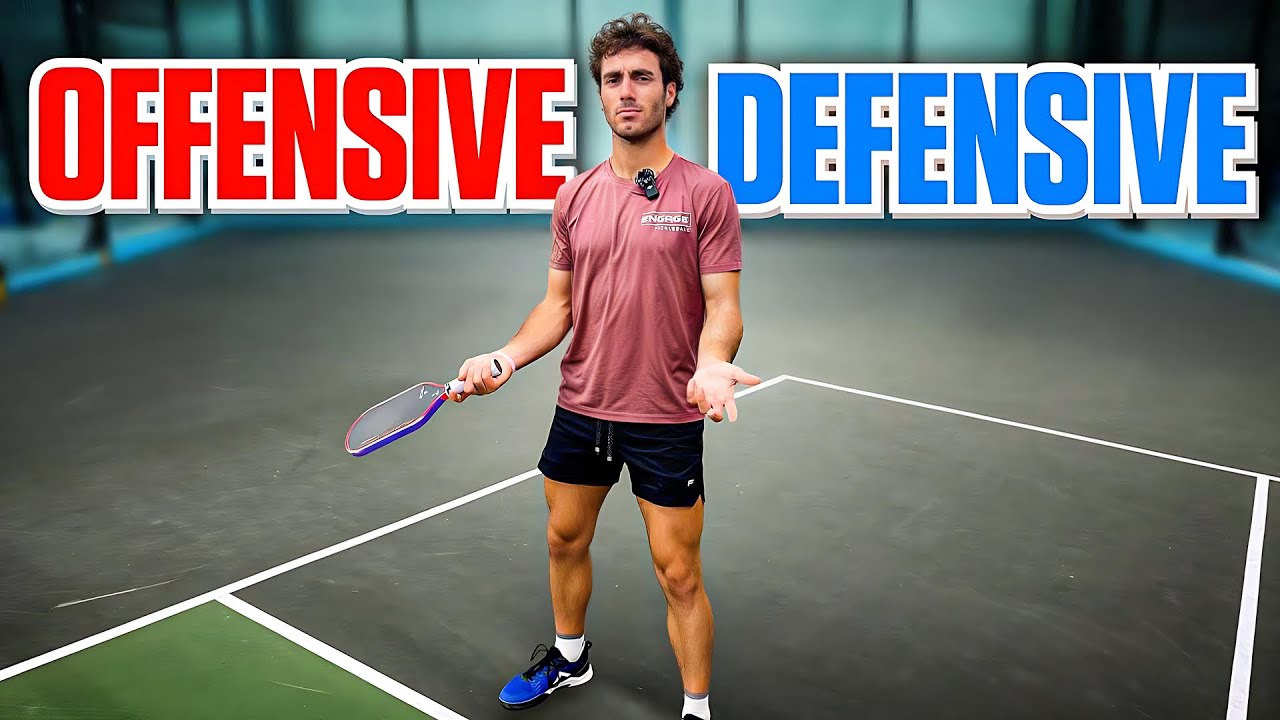
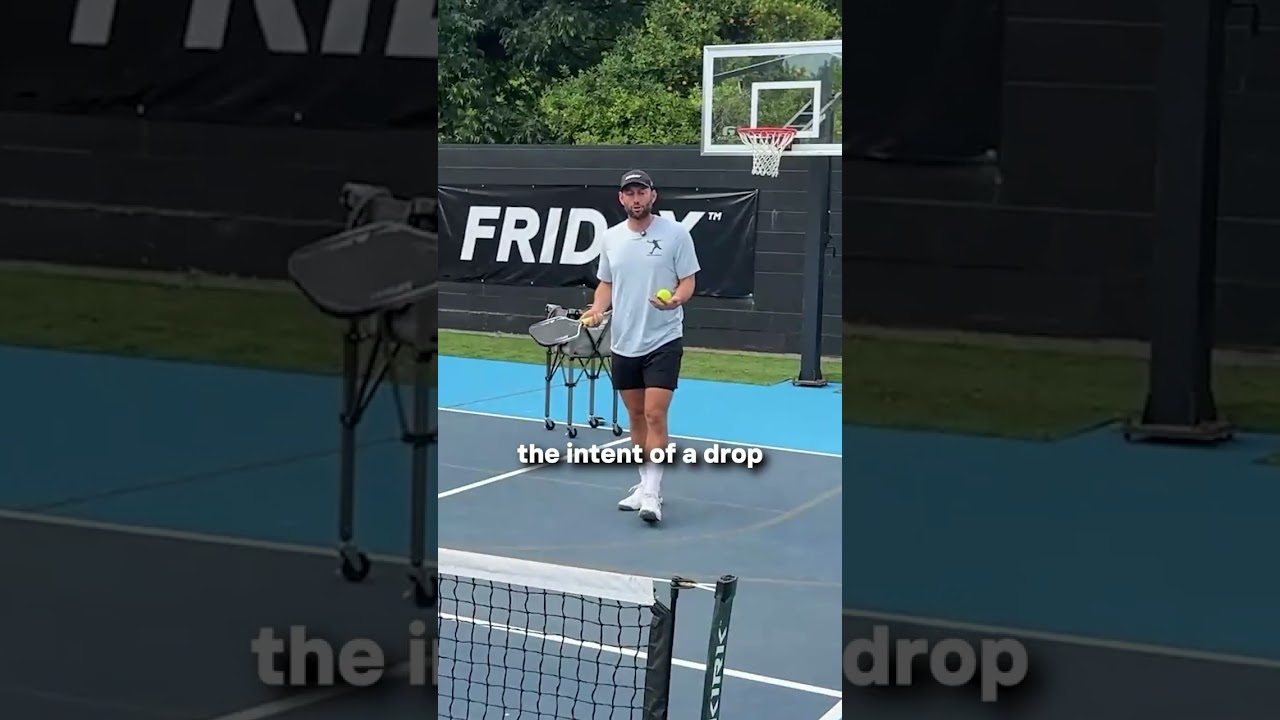
Offensive vs. Defensive Dinks: How to Control the Kitchen
The difference between an offensive dink and a defensive dink comes down to spin and intent. Master this fundamental skill and you’ll control the kitchen and win more points.
 The Dink PickleballThe Dink Media Team
Drills That Make Switching From Defense to Offense in Pickleball Automatic
The goal is to move the decision from your conscious brain to your reflexes.
Switching from defense to offense in pickleball should be a reflex by the time a match starts. Two drill alternatives do most of the work here.
Red light, green light dinking. Cross-court dink with a partner. Either player may attack, but only on a ball above the net. Play it out.Every wrong attack costs a point.
You'll be shocked how often you swing at a ball you had no business swinging at, and this is the drill that builds the attack-or-reset decision into muscle memory.
Two-ball transition. Start at the baseline, drop, move in, and reset one ball in the midcourt before you're allowed to attack anything.It forces the sequence your matches actually require: survive first, then hunt.
Pair it with the two-position reset strategy and your transition game stops being the weak link.
Add one more wrinkle when those feel easy: have your partner call "block" or "counter" mid-rally so you practice choosing between the two under pressure.
5 Pickleball Drills That Will Transform Your Game in 2026
Five simple yet powerful pickleball drills can completely reshape how you play. These mechanics focus on consistency, footwork, and positioning to help you see immediate results on the court.
 The Dink PickleballThe Dink Media Team
The One Thing to Take Onto the Court
Switching from defense to offense in pickleball comes down to a single question you ask on every ball: is this above the net, and am I set? Two yeses, go.
One yes, reset. No yeses, get the ball in the kitchen and live to play the next shot.Do that for a month and you'll stop giving away the points you used to.
Once the reads feel automatic, go learn the scorpion and start flipping rallies that other people would have surrendered.
💡
Heads up: hundreds of thousands of pickleballers read our free newsletter.
Subscribe herefor cutting edge strategy, insider news, pro analysis, the latest product innovations and more.
Frequently Asked Questions
When should I attack in a pickleball dink rally?
Attack when the ball is above the top of the net and you're balanced at the kitchen line. Those two conditions together are the minimum. If either is missing, keep dinking or reset, because attacking from below net height produces far more errors than winners at every level.
Is it better to be offensive or defensive in pickleball?
Neither, all the time. The strongest doubles players are defensive by default and offensive on demand. They reset patiently until a green light appears, then attack decisively. Trying to be permanently aggressive produces unforced errors; trying to be permanently passive means you never finish points.
How do I stop popping the ball up when I try to attack?
Pop-ups almost always come from attacking a ball that was too low or standing up through contact. Keep your knees bent after you swing and only speed up balls at or above net height. A compact swing path helps far more than extra arm speed.
What is a reset shot in pickleball?
A reset is a soft shot that lands in or near the kitchen and takes pace off the ball, letting you move forward and neutralize an opponent's attack. It's the core defensive skill in pickleball, and it's what buys you the time needed to get back to a position where offense becomes possible again.
Should I attack from the transition zone?
Rarely. The transition zone is where you're most vulnerable, since you're often contacting the ball at or below net height while moving. The better play is a soft reset into the kitchen, then take two steps forward and look for your attack from the line instead.
Anuncie Aqui / Advertise Here
Sua marca para o mundo Pickleball! / Your brand for the Pickleball world!




 English (US) ·
  Portuguese (BR) ·